In the Full Blossomed Paddy Fields…


Sandwip


Pronounced ‘Shon-deep’ (or Shun-deef depending on who you talk to) the island of Sandwip sits at an estuary of the Meghna River on the Bay of Bengal. Open precariously to the elements, the residents of the island are no strangers to the carnage and chaos extreme weather can bring. On April 29, 1991 it is estimated that 40,000 people were killed by an unforgiving cyclone that tore through the island leaving thousands dead and even more homeless.


IMG_9147


Almost 23 years on from that day, the island was a perfect picture of calm and serenity when I visited last week to spend a couple of days with a colleague who was born and raised on Sandwip, and whose family still reside there. The memories of that fateful day in 1991 still haunt people though, and as my colleague introduced me to one family member the immediate response was to enquire somewhat confusedly as to why I had come, and was I not scared of the threat of a cyclone? The fear still grips residents of this community and as water levels rise, shores slowly creep towards homes, and extreme weather becomes even more unpredictable, it’s easy to understand why.


Sandwip


However, apart from one short, sharp thunder storm my visit was largely undramatic in terms of weather. The rumbles of thunder and the patter of raindrops on the tin roofs only added to the charm of this place. You see Sandwip proved to be an experience of some contrast to my regular, everyday experience of Bangladesh. In Chittagong (my home for the entire two year duration of my life here so far) the noise of trucks, buses, cars, and CNGs penetrates and pollutes the air almost everywhere you go. It’s a city of 6 million people and thus it is hard to find a place to escape that hustle. I appreciate Chittagong for so many reasons, but the noise can take its toll at times.

IMG_9167


When I returned from Sandwip I told a friend quite proudly and perhaps even a little smugly that I had seen only one lone car during my time on the island. His response was to point out that I had in fact been rather unfortunate as most visitors don’t see any!

Without wanting to sound patronising or to belittle Sandwip in any way, I would sum up my time there as taking a step back in time. I mean this in the most positive way. At night the stars filled the sky and were as bright as I’d ever seen them. In the day the local market bustled with traders and large numbers of cattle ready to be sold.

Agriculture drives the local economy it seems and manual labour appears to be the catalyst for this. There are countless tea shops, and each and every one seemed to be the centre of discussion and socialising amongst the islanders.


Sandwip


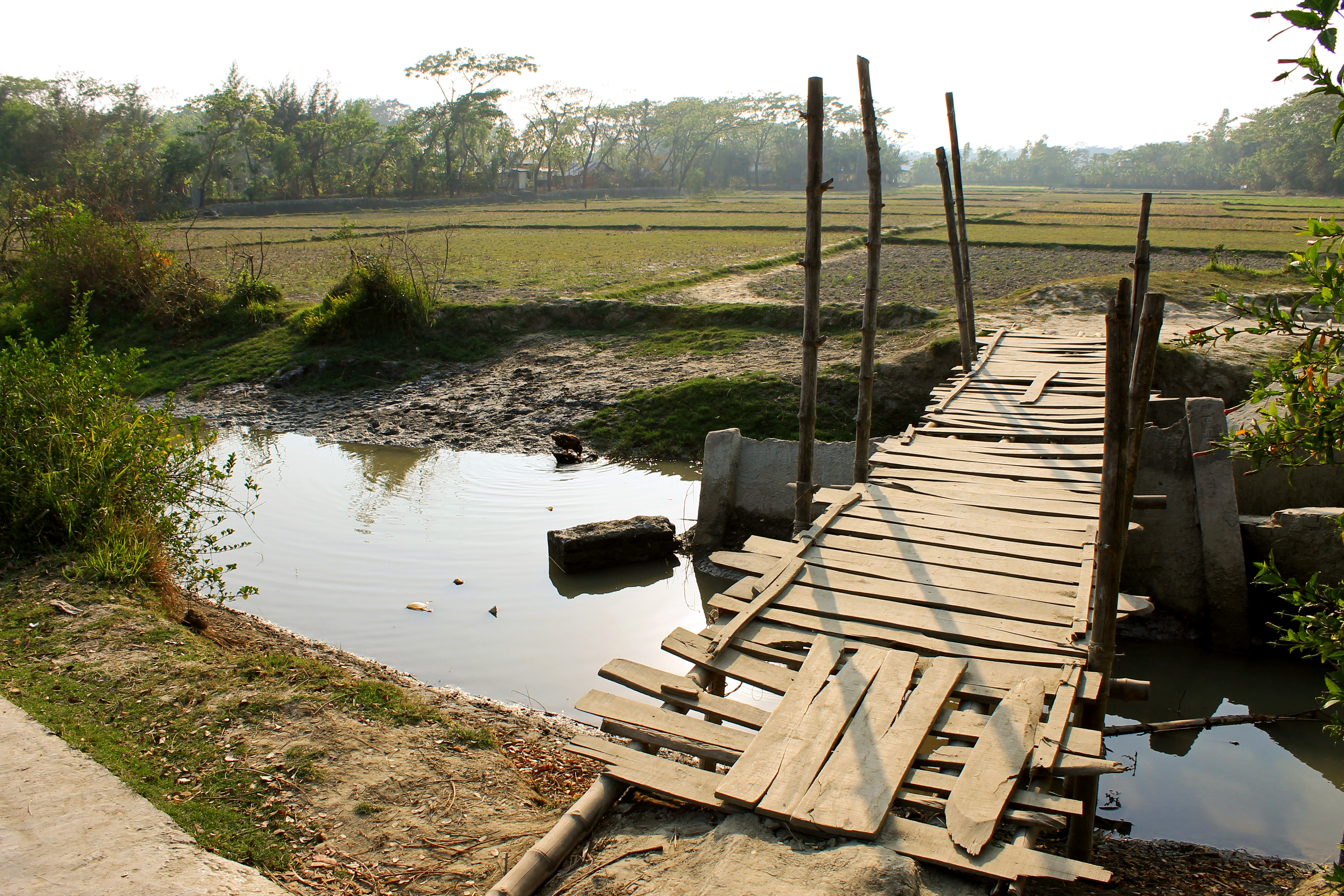
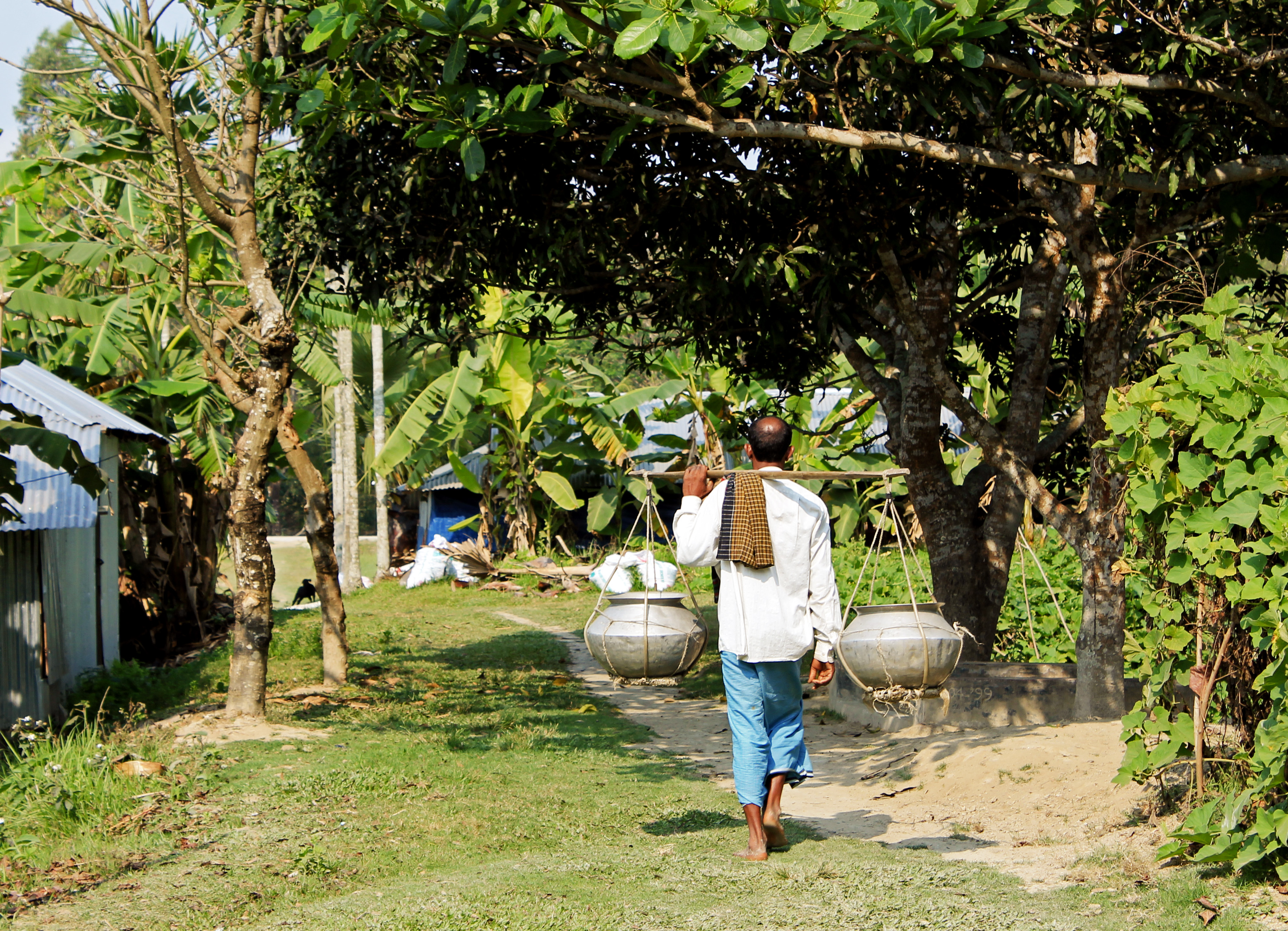
There are few roads on Sandwip. In more developed areas paved paths allow bicycles and rickshaws to pass easily, and if you go ‘off road’ you will find more basic, dusty paths that make it more complex for anything on wheels to pass. Bathing is also a distinctly communal affair for many.

I bathed in the pond close to the house where I was staying. This essentially entailed tying a lunghi around my waist and diving into the pond. It all went fine until I dropped the soap and it sank beneath the murky water, causing much amusement to the onlookers who had gathered to watch me bathe. Sandwip does not receive a vast number of foreign visitors, so my half naked presence in the pond drew a crowd!

Sandwip


Life is visibly tough though for many people here, and it was evident everywhere I visited on the island. Manual labour dominates as I mentioned, and this comes in a variety of forms. For example, as we left the island to return to the urban sprawl of Chittagong, we had to board a speedboat. At the time we and around ten other people wished to travel, the tide was out and thus the channel sat far out in the distance, and before us lay a mass of deep, dense, and unsympathetic wet sand. The solution was to herd us into a nearby wooden boat, and it soon became apparent that 10 men would drag us out to where the speedboat was waiting.

For the next 25 minutes they heaved and used every muscle in their bodies to get us to the water. When the boat became trapped assigned men would leap into action and strategically dig away the offending sand and we’d continue on our way. At some points they would chant in unison to motivate each other and it was apparent that teamwork was paramount. We arrived at the speedboat and 25 minutes later we were back on mainland Bangladesh. Well, not quite. The process was repeated and once again we were dragged across the sand. By the end I felt incredibly lucky to be able to teach.


Sandwip


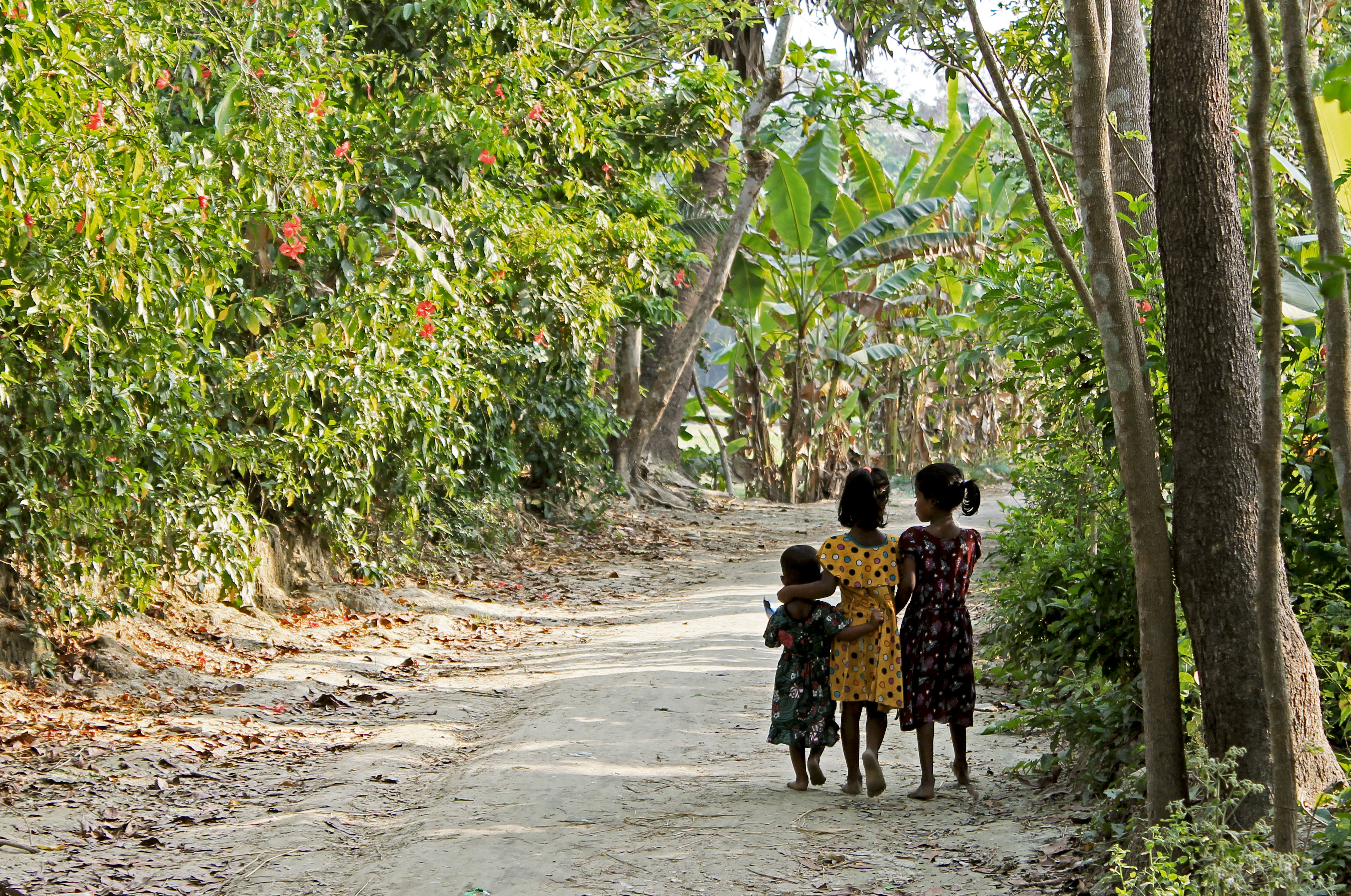
My time in Sandwip was short, but I caught a glimpse of something I felt it was possible for me to connect with. Of course life on the island is very different to my previous personal life experiences, but there is something about rural Bangladesh which intrigues me. The people were so welcoming and despite my still very limited Bangla skills, I was able to converse and bond with a number of people. My colleague and his family were the perfect hosts and I am already planning on when I can return for a longer visit.

For my full album of photos from Sandwip follow the link below;
Sandwip photo gallery


Sandwip


Finally, the title of this blog post is the English translation of a lyric from the national anthem of Bangladesh, Amar Sonar Bangla, by Rabrindranath Tagore. Today marks Bangladesh’s 43rd year of independence. Here is a wonderful rendition of the song,

Amar Sonar Bangla


All images © John Stanlake
Images of South East Asia


I’ve neglected this blog so far in 2014. A combination of work, misguided priorities, and the fact I’ve been slightly daunted by the task of describing a one month tour of South East Asia through words, which will almost certainly not do it justice.

So, for now I’ve decided that I’ll let images tell the story. I took many, but here are 15 of my favourites and a selection which I hope do the places most justice. I chose five photos from Myanmar, Cambodia and Vietnam.

For a more comprehensive album of photos from the trip please follow this link;

http://www.flickr.com/photos/106865437@N03/sets/72157641803829505/


Myanmar

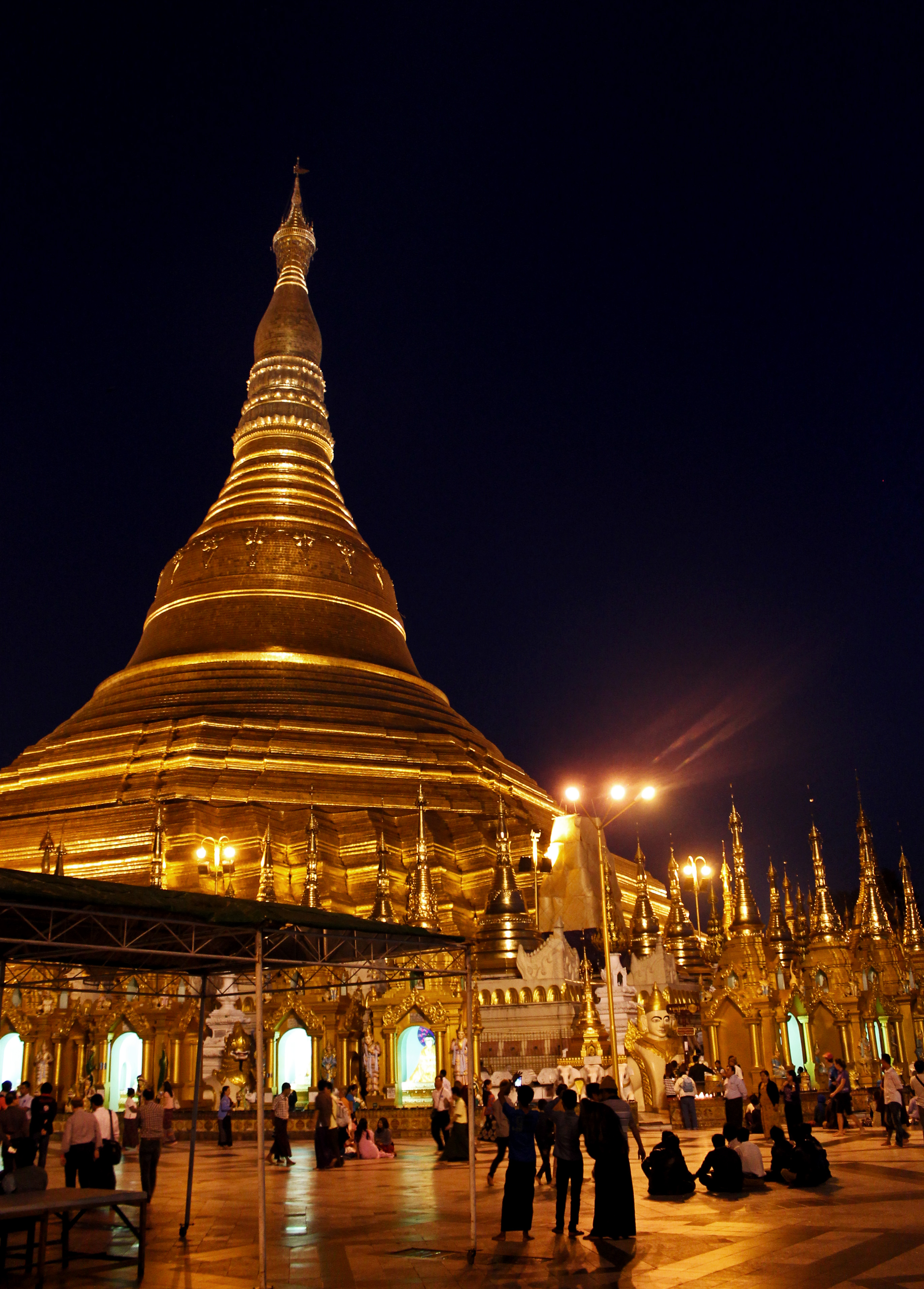
Shwedagon Pagoda, Yangon

Yangon, Myanmar


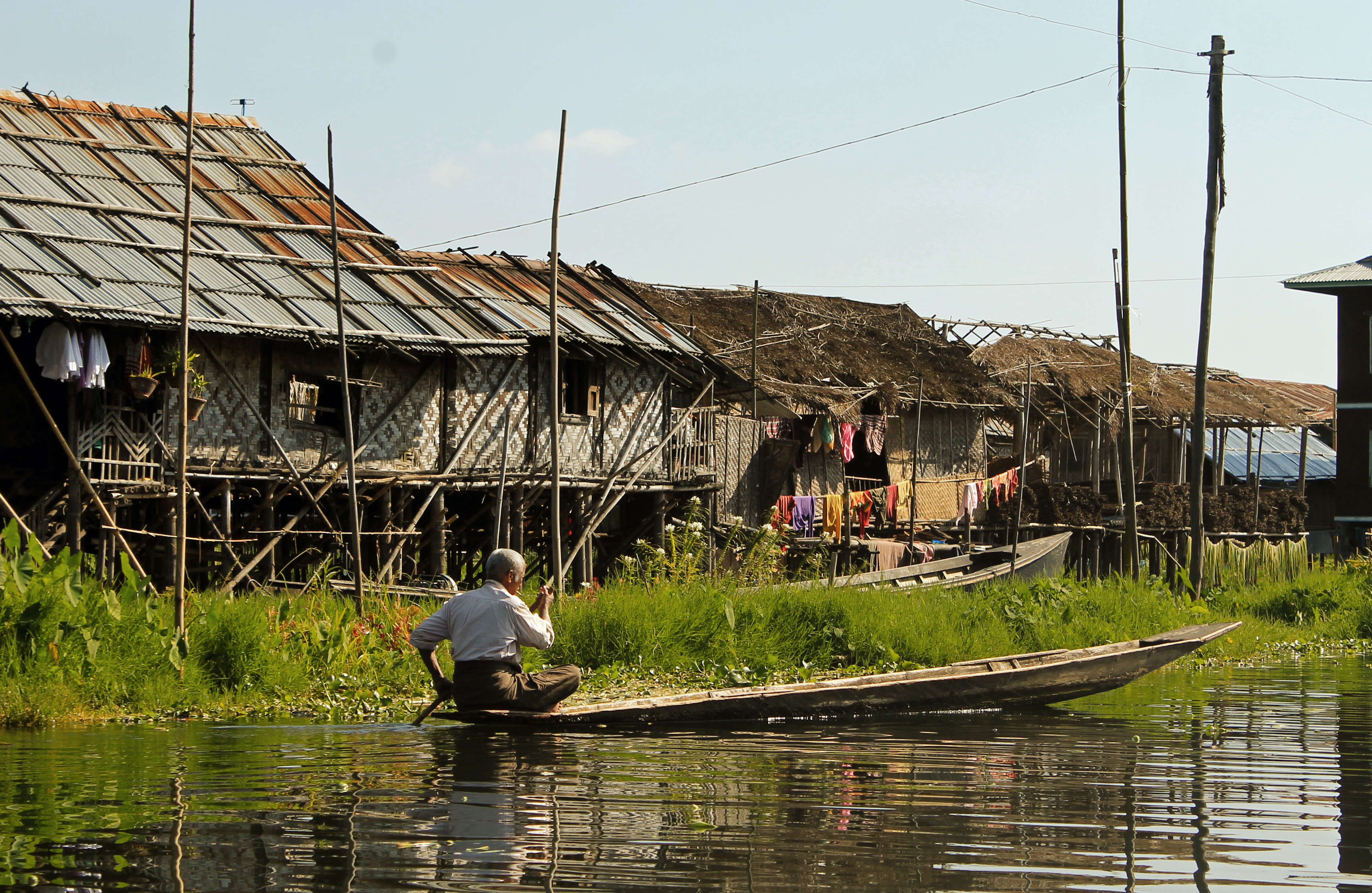
Floating village community, Inle Lake

Inle Lake, Myanmar


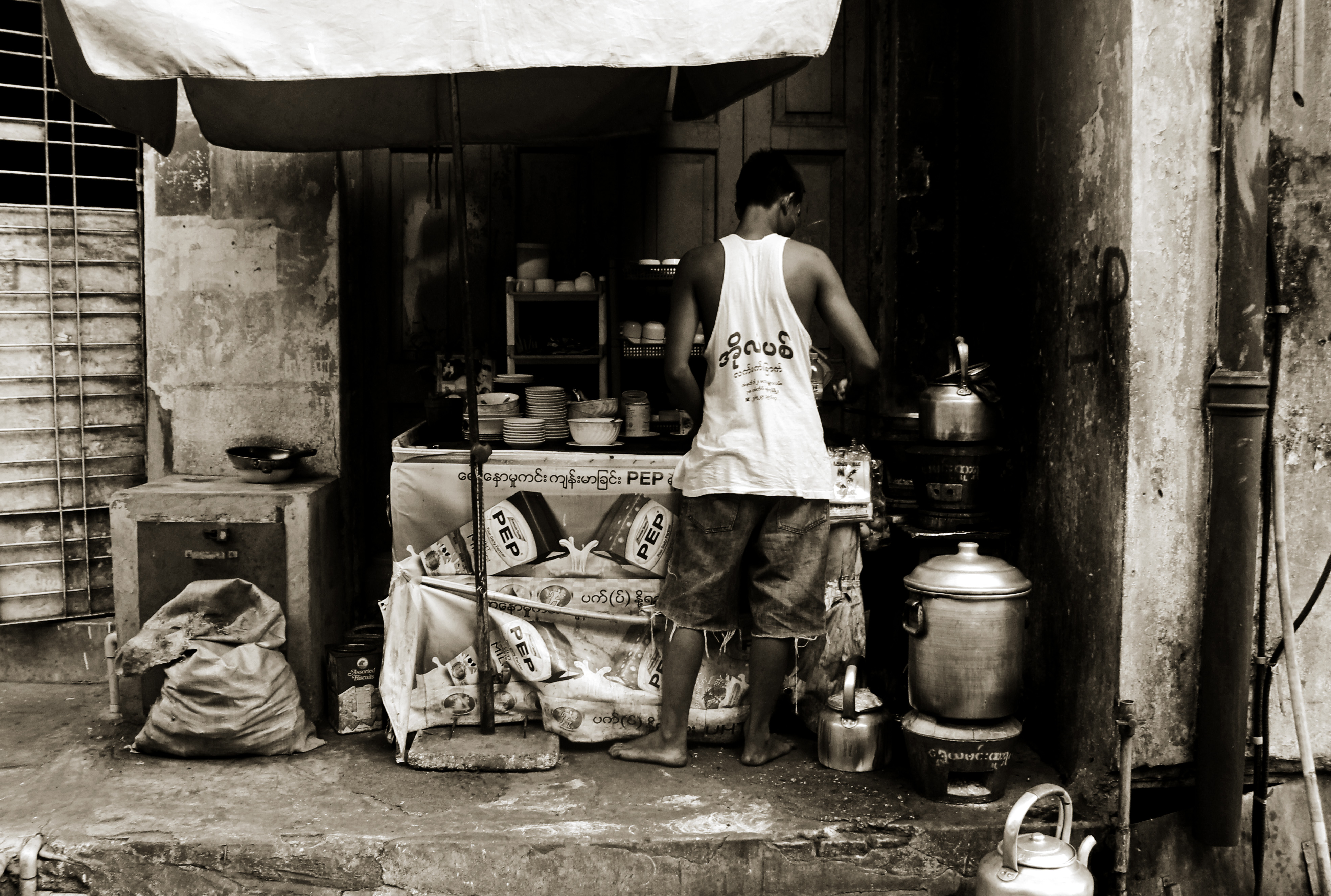
Roadside tea shop, Yangon

Yangon, Myanmar


Sunrise and hot air balloon rides over Bagan

Bagan, Myanmar


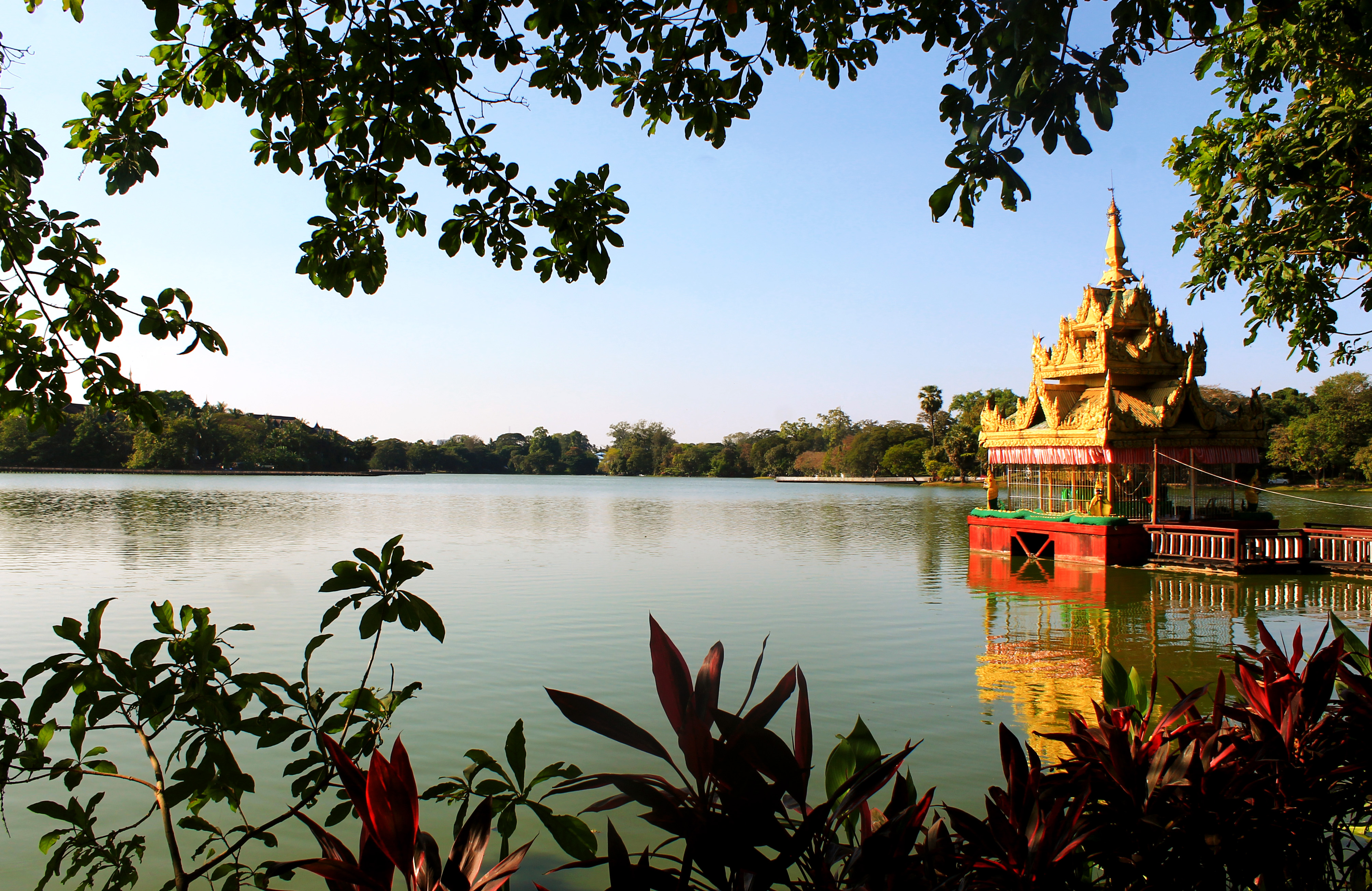
Kandawgyi Lake, Yangon

Yangon, Myanmar


Cambodia

A quiet village road, just outside of Siem Reap

Siem Reap, Cambodia


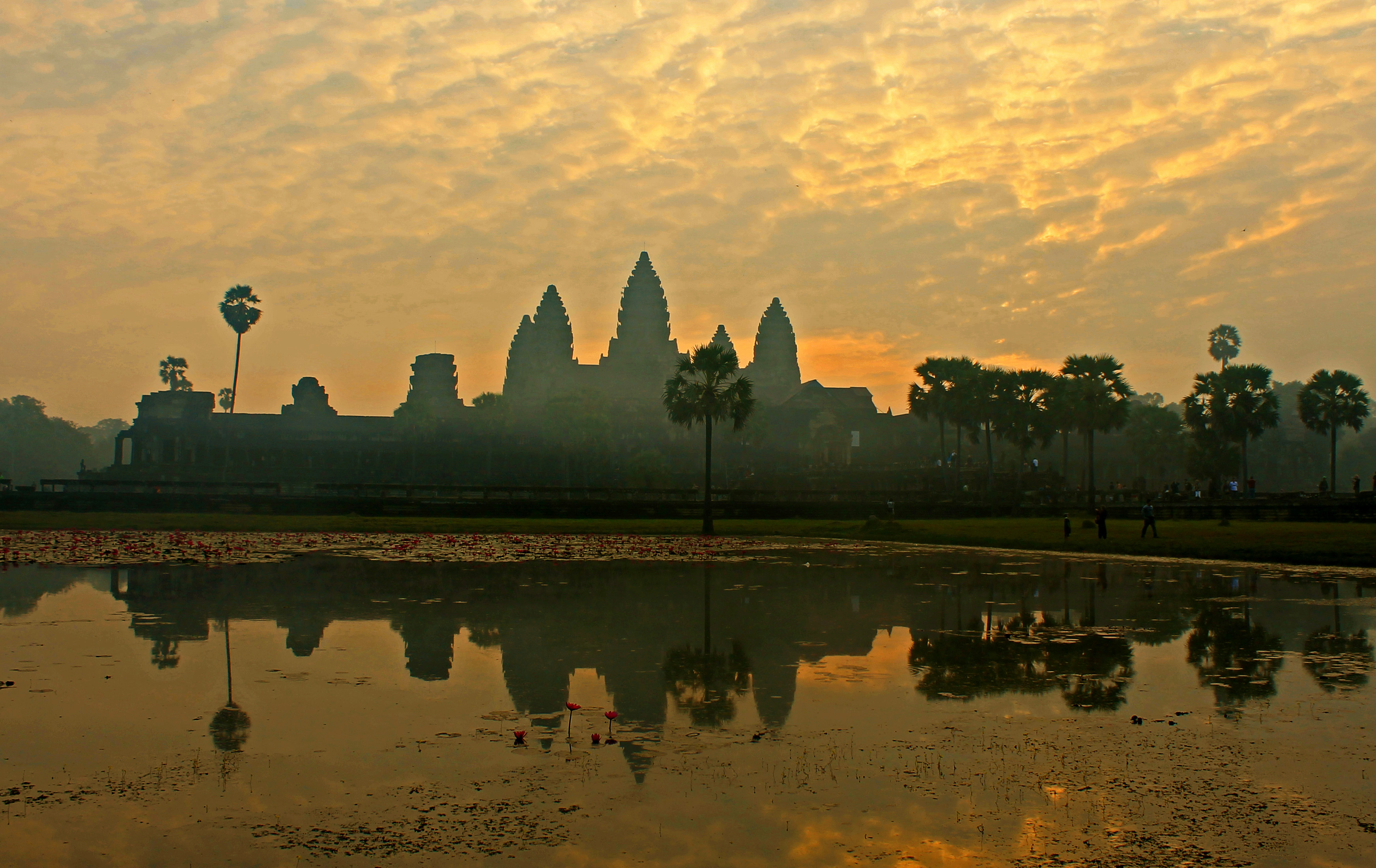
Sunrise over Angkor Wat, Siem Reap

Angkor Wat, Cambodia


One of the many faces of Angkor Wat, Siem Reap

Angkor Wat, Cambodia


Village home, Siem Reap

Siem Reap, Cambodia


Choeung Ek Genocide Memorial Site, Phnom Penh

(This is the main memorial to mark the genocide that took place in Cambodia during the late 1970s. It is also a burial site for thousands of Cambodians who were victims of Pol Pot’s brutal Khymer Rouge regime, executed here at just one of the many sites across the country, which became known as the ‘Killing Fields’.)

Phnom Penh, Cambodia


Vietnam

Ho Chi Minh City

Ho Chi Minh City, Vietnam


Da Lat hills, in the southern highlands.

Da Lat, Vietnam


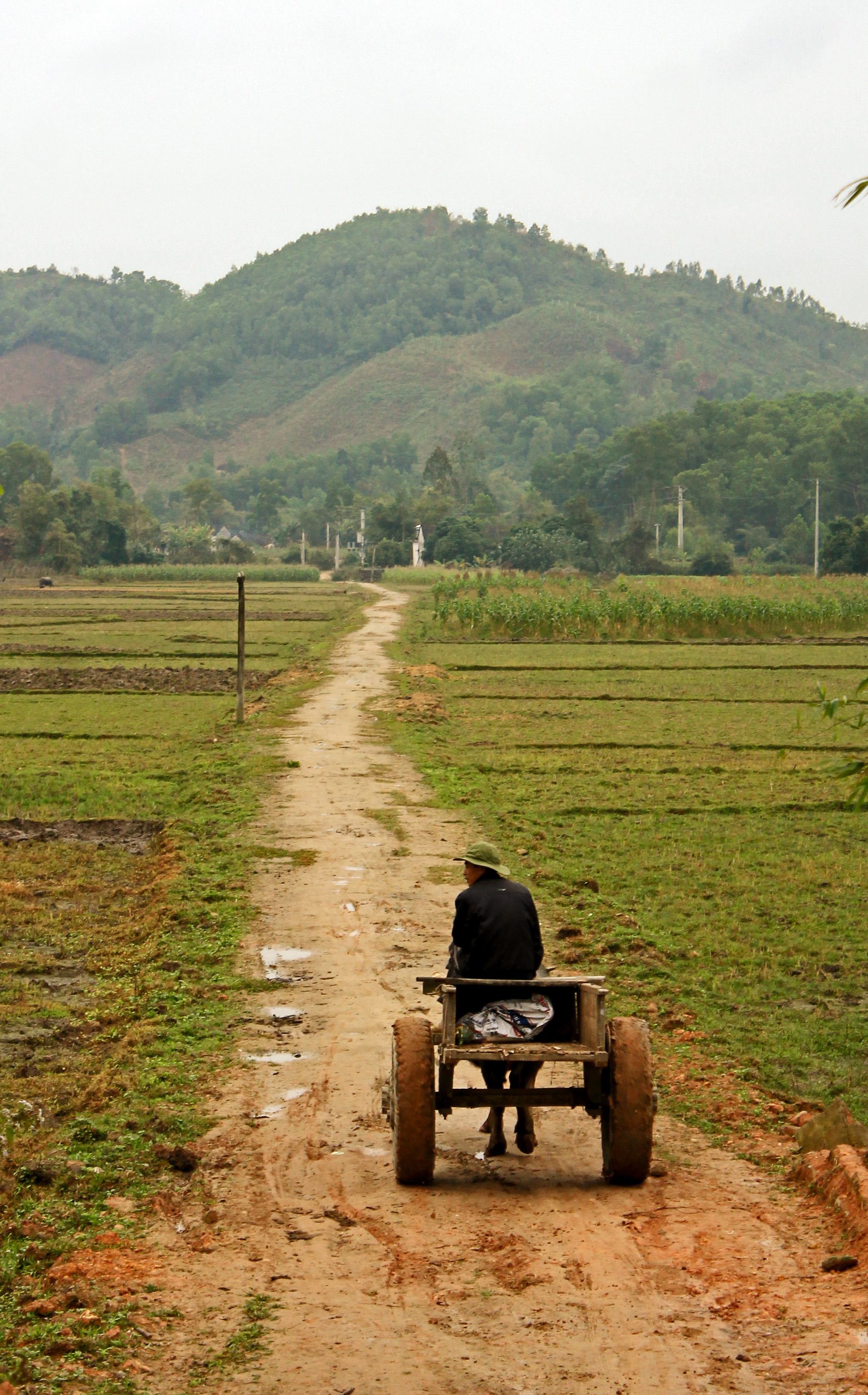
Village road outside Thai Nguyen, northern Vietnam

Thai Nguyen, Vietnam


Ho Chi Minh mausoleum, Hanoi

Hanoi, Vietnam


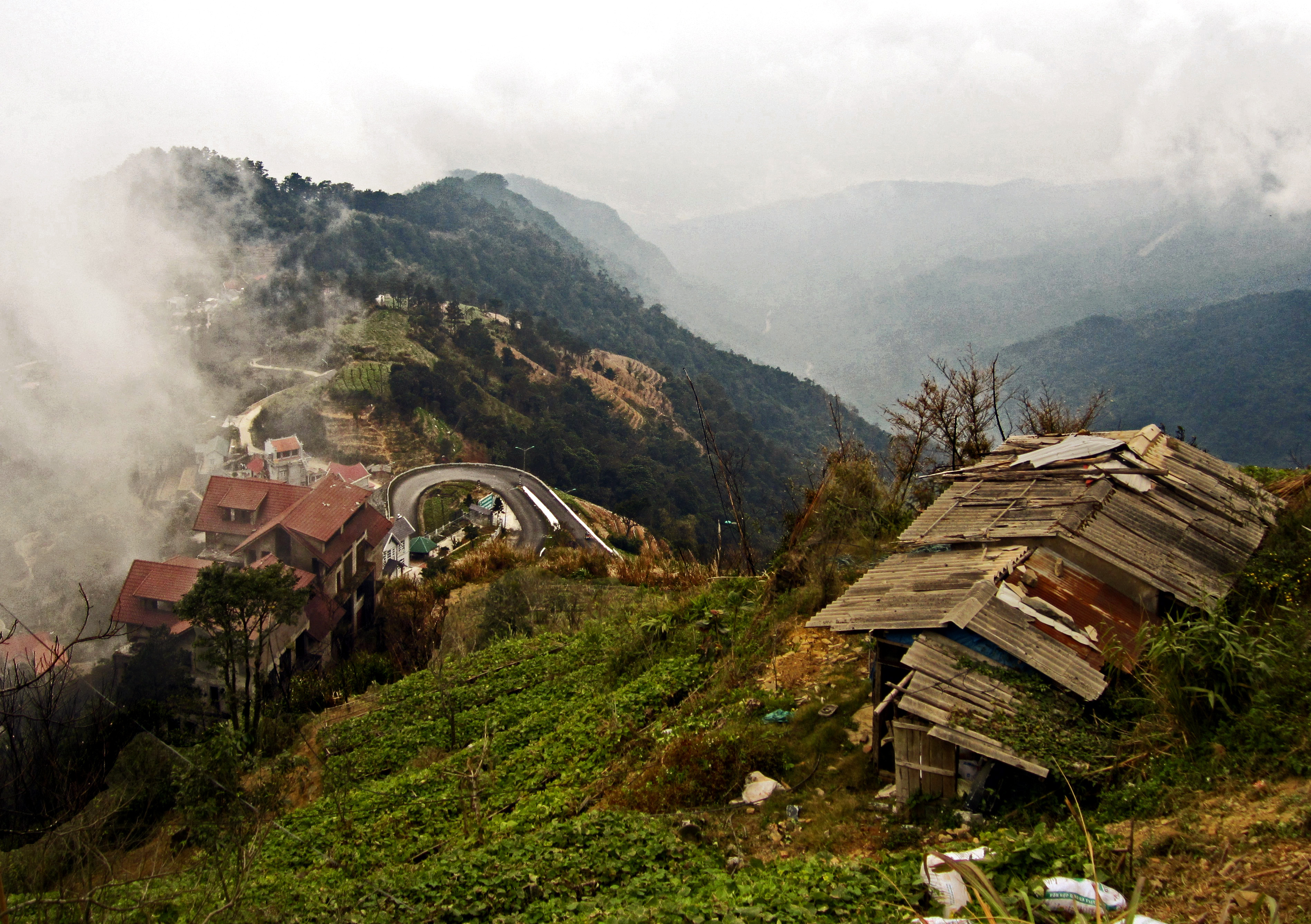
The northern hills of Tam Dao

Tam Dao, Vietnam


It was an incredibly diverse and eye-opening trip. Once again South Asia completely failed to disappoint, and armed with a camera I feel like I saw so much in such a short space of time.

Here is a larger set of photos from the trip;

http://www.flickr.com/photos/106865437@N03/sets/72157641803829505/


All photos © John Stanlake

Spreading the Gospel


Spreading the gospel. That’s how my Dad has always described my jaunts to far flung lands. He’s not talking about religion however. No, he always ensures I pack my large green and white flag, my shirt, and an up to date fixture list.

Saturday, September 21st 1991. Two months shy of my eighth birthday I received my first taste of watching Plymouth Argyle Football Club. In 1959 my Dad had made the same journey with his Dad, and thirty two years on it was my turn. I recall very little of the day, and it wasn’t until I’d been to a few more games that I became enraptured by the sights, sounds, and smells of watching live football, and specifically Argyle. However, that first experience was enough to initiate a relationship that has lasted twenty two years and counting. Incidentally the game ended Plymouth Argyle 1-1 Middlesbrough. I’m sure it wasn’t too long before I witnessed my first defeat.

In the past few years I’ve lived in the Czech Republic, Rwanda, Guyana and Bangladesh – my current home. My flag has been to all. However, I think it has at long last found its final resting place.

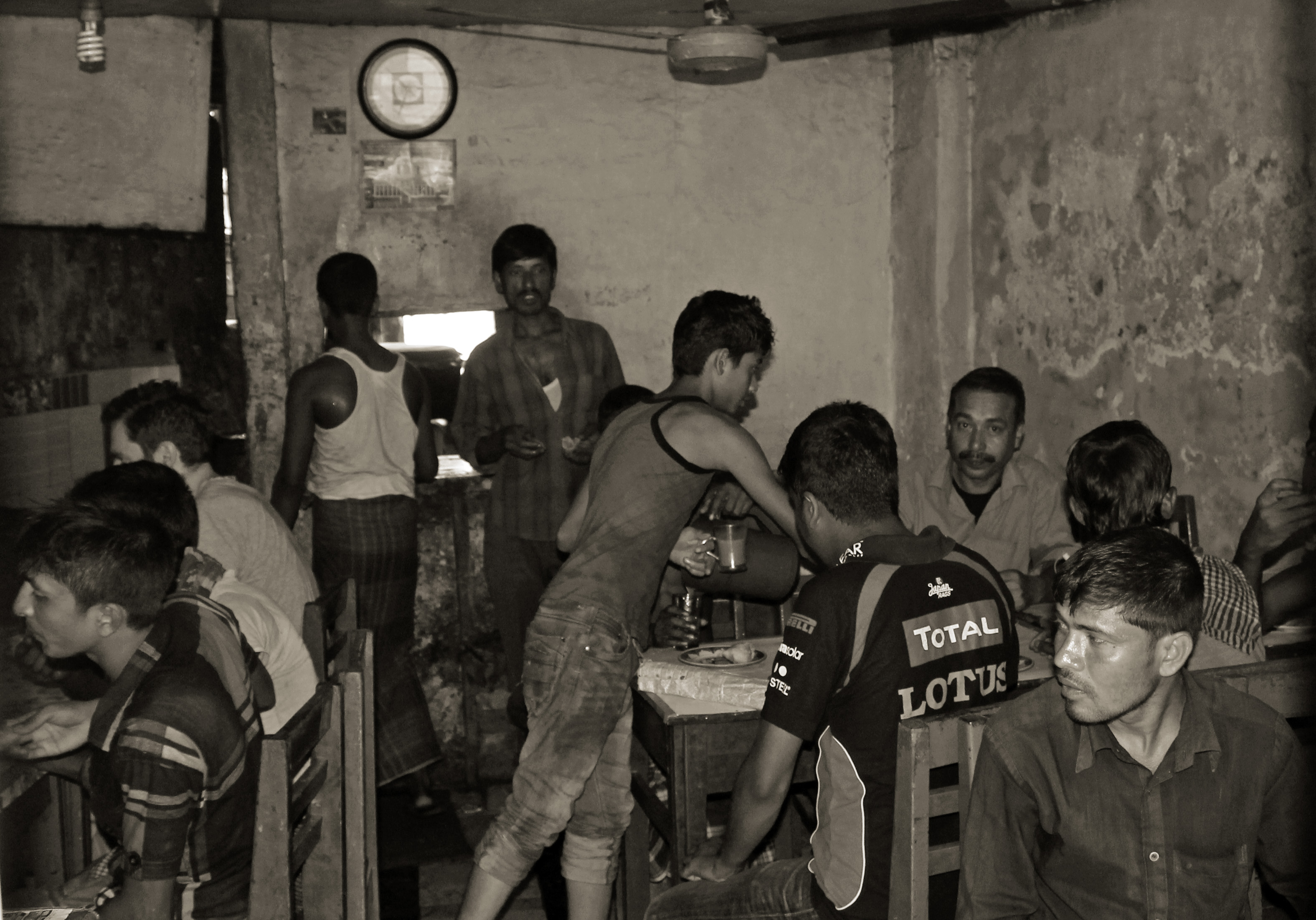
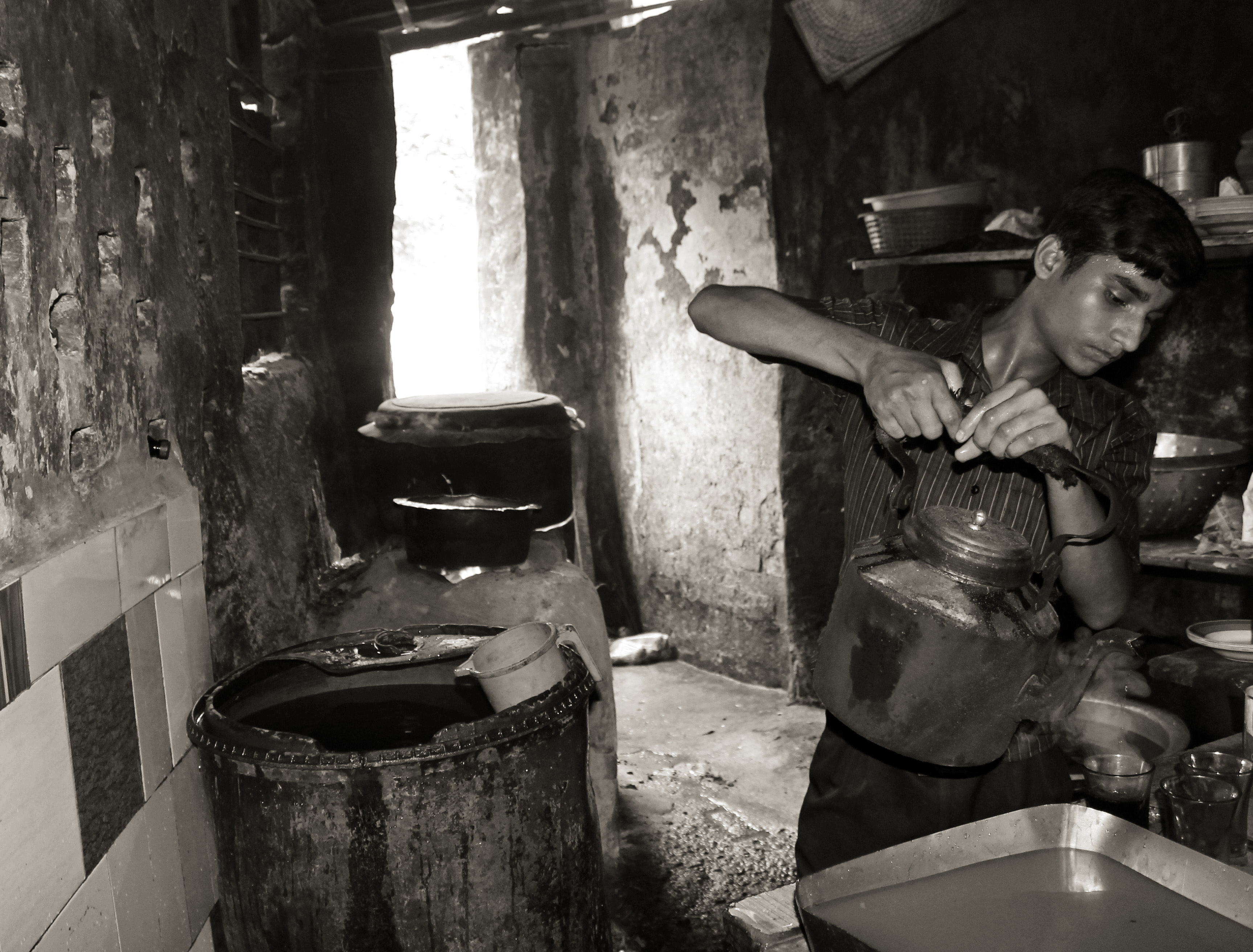
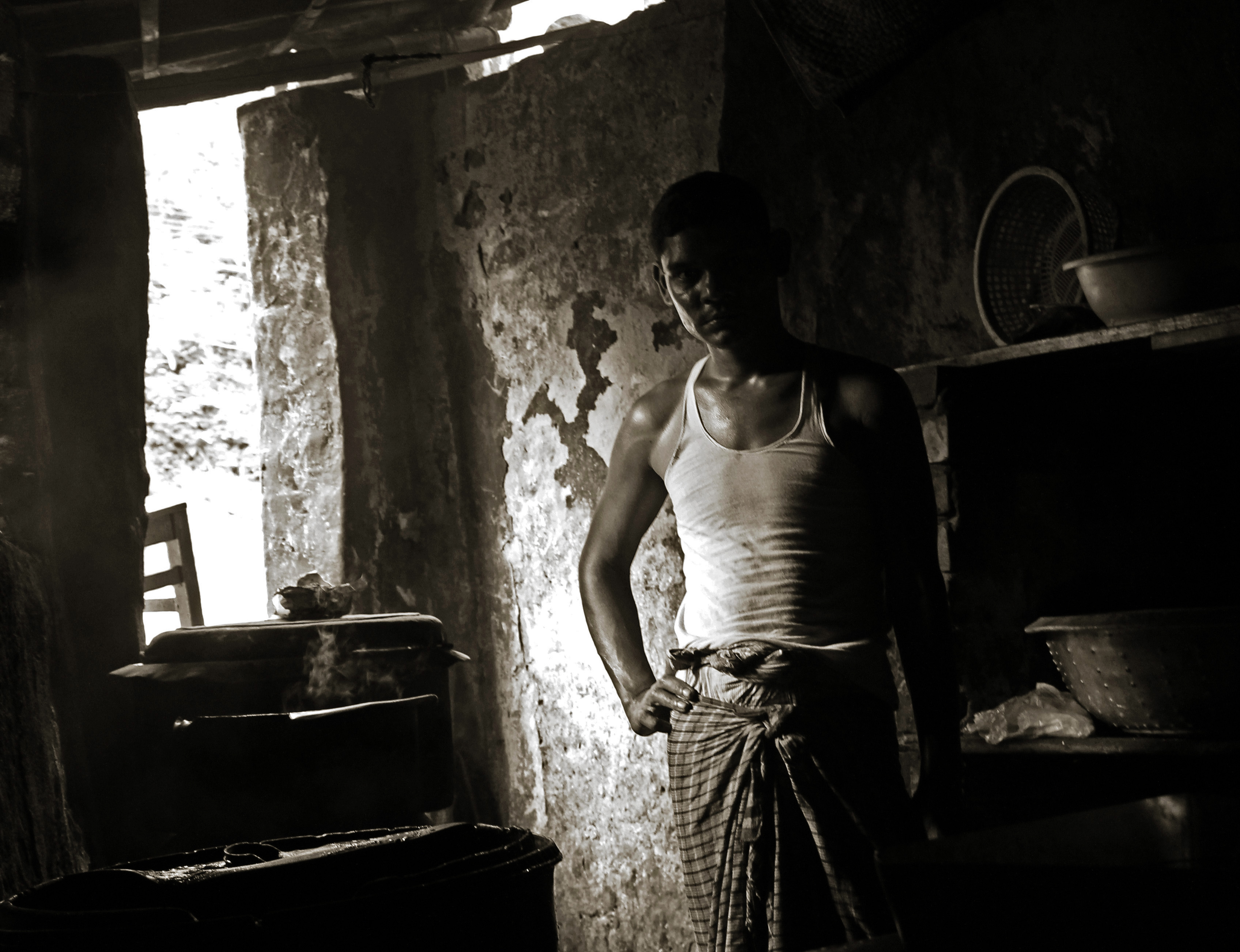
At the end of my street there is a modest tea shop that serves the labourers, the rickshaw drivers and other locals from the area. It is an unassuming, simple place. Every day smoke billows from the cave-like kitchen at the rear, and men come and go, never stopping for any great length of time, there are things to do. I found out recently, it is also a place full of great warmth and hospitality.


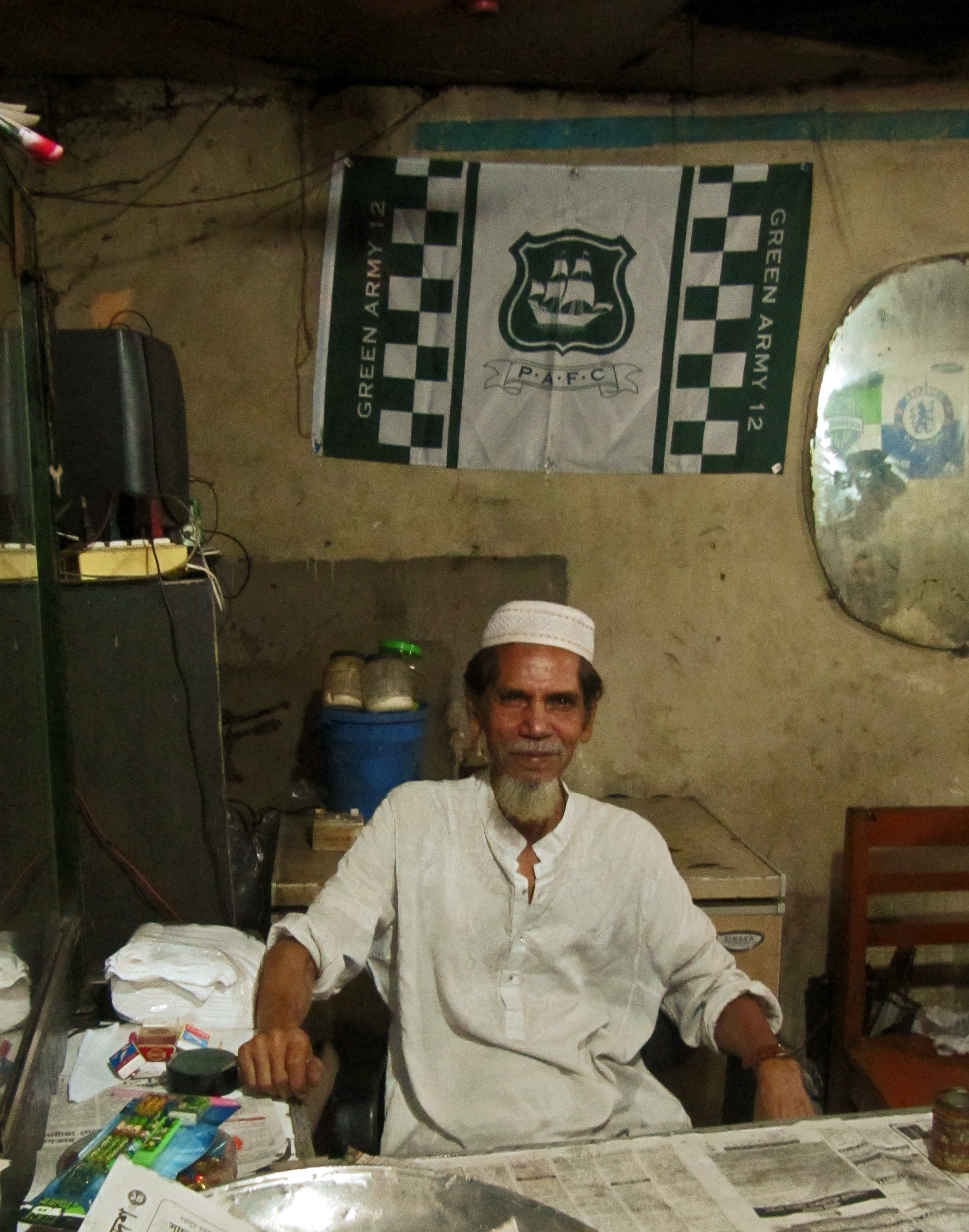
My flatmate John and I decided to stop by there one morning. We drank tea, ate snacks and conversed with the other tea drinkers using our very limited Banlga skills, and then we came to pay. “No pay. My guests. No pay” was the response from the owner, Mr Golam, who sat at a small desk by the entrance. We smiled and thanked him, and then politely offered our money once again. His response was the same. We left feeling grateful, humbled, and yet a little embarrassed.


Later that week we stopped by again, and when it came to pay his response was as before. “No pay, my guests, you come every day, no pay.” We remonstrated politely again, but were left equally embarrassed and a little frustrated. Two further visits followed, and still no Taka left our wallets. It seemed all attempts to pay were futile, so alternative methods would have to be employed to show our appreciation.

We decided gifts would be our new means of payment, and it didn’t take long to decide on our first offering. The wall of our living room was decorated with two flags. One displaying the green and blue of John’s team, Seattle Sounders FC, and the other the green and white of Plymouth Argyle. We took them down to the tea shop and handed them over to our new friend. His walls were bare, so we hoped he would appreciate the flags. He took them, thanked us, folded and then placed them on the desk in the corner. We left (after not paying once again) wondering if our flags would make it up onto the wall.

A couple of days later we walked past and had a quick glance in. There they were, in all their glory, pinned proudly to the wall of the tiny tea shop. My Argyle flag looked more majestic than it ever had before. It was decided that the pinning of our flags to the wall was an occasion deserving of more tea, so we sat and explained the importance of the new wall decorations to an array of other tea shop proprietors. Spreading the gospel, one step at a time.


The tea shop has now become our ‘regular’, and once or twice a week we stop by and sit for a while. AUW is a wonderful environment to work in, but it can become claustrophobic. We are shuttled from our apartments to the campus early in the morning, and once work is done for the day we are shuttled back home. It often takes a conscious effort to search for interactions outside of this bubble. For us the tea shop is our life outside of AUW and our connection to the real Chittagong.

The Chittagong we have encountered in the tea shop is quite fascinating. The diversity of the clientele has been a source of intrigue as we’ve met local students, rickshawalahs, security guards, and even a former UN peacekeeper in the Congo. The reaction from one and all though has been consistent. We are always welcomed, always looked after, and always thoroughly humbled by the generosity and warmth of our hosts.


Personally I feel significantly more connected and a part of this corner of Chittagong than I ever have before. Faces are familiar, I recognize and exchange greetings with people as I walk the streets, and I have a place to go if I need a reminder of just why I was drawn back to this place . Describing the shop and its owner, one of the students sipping tea told me yesterday, “This isn’t just a tea shop. This man is like a father to us. If we need help, he helps us.” Observing the comings and goings for a while it seemed this applied to many others. Mr Golam is generally a man of few words, but when he speaks you listen, and when he smiles you know the warmth is genuine.

We asked him recently how long the shop has been serving tea to the locals and he replied, “forty years, before me my father.” It is quite difficult to even comprehend this fact, but it also makes sense. In a society where community is often so important, this tea shop plays a pivotal role.

I wonder if my green Argyle flag will adorn the walls of this shop for the next forty years.


All images © John Stanlake

Early Morning Eyes


Armed with a new camera, I have been exploring Chittagong a little more by foot in the past couple of weeks. Last weekend it took me to the fisheries market. Arriving at 4.45am, we waited for the sun to rise and for the energy of a new day to dawn.

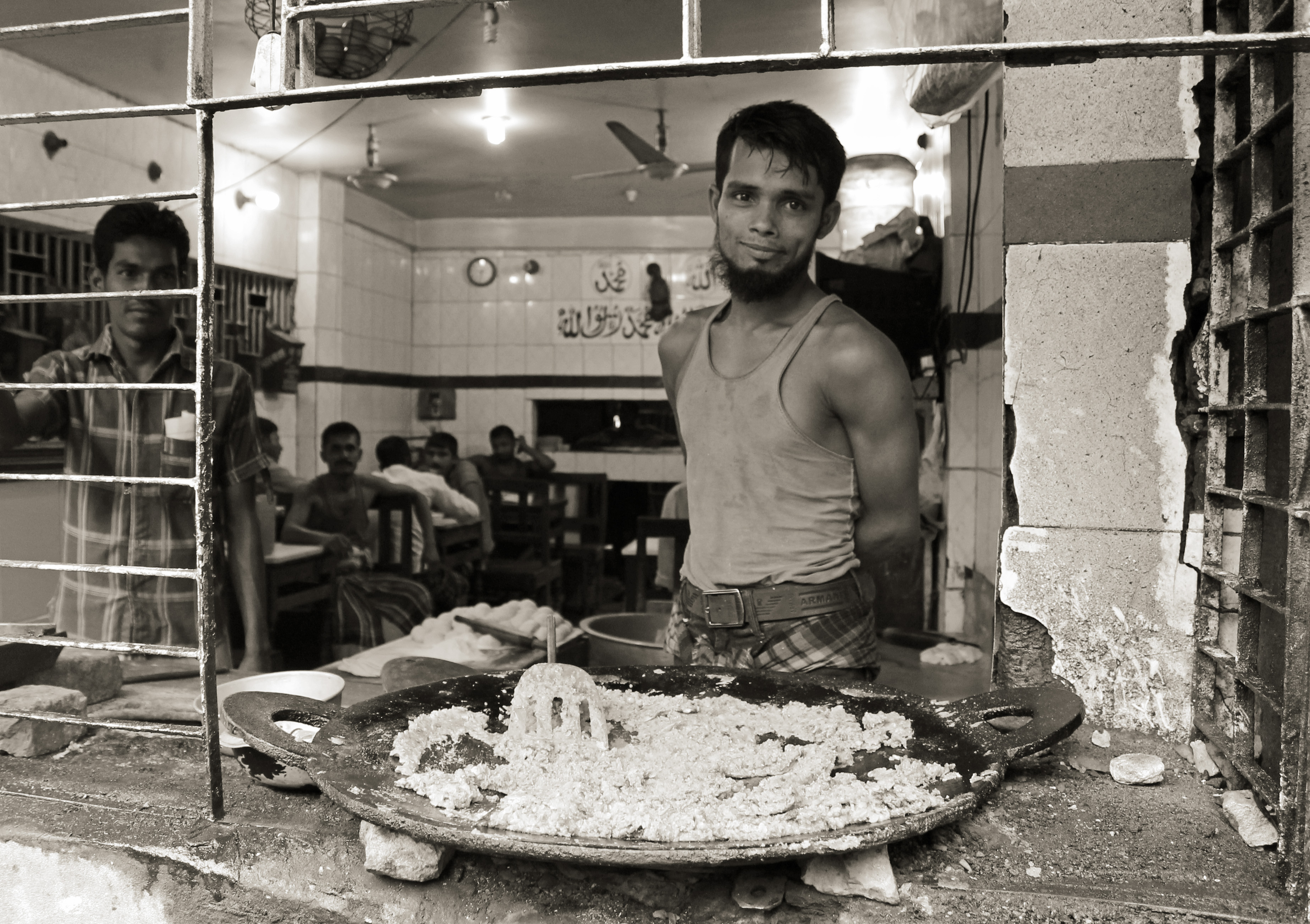
By this time however men were already rushing by, scooping the night’s catch out of nets and piling it upon waiting baskets and wagons. The tea shacks were already serving hot, sweet tea to the various workers, and it was difficult to sense quite when night ended and the new day began.

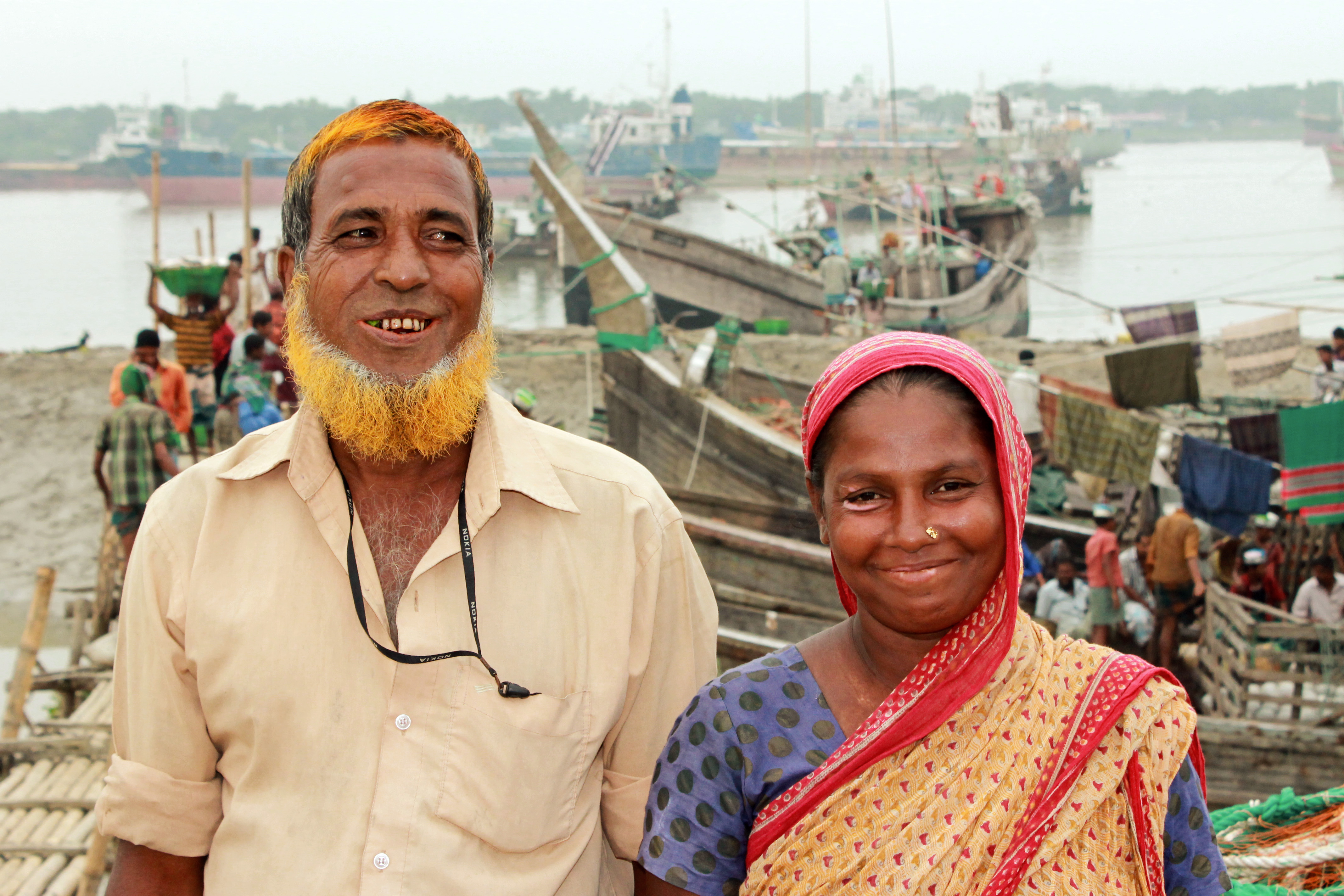
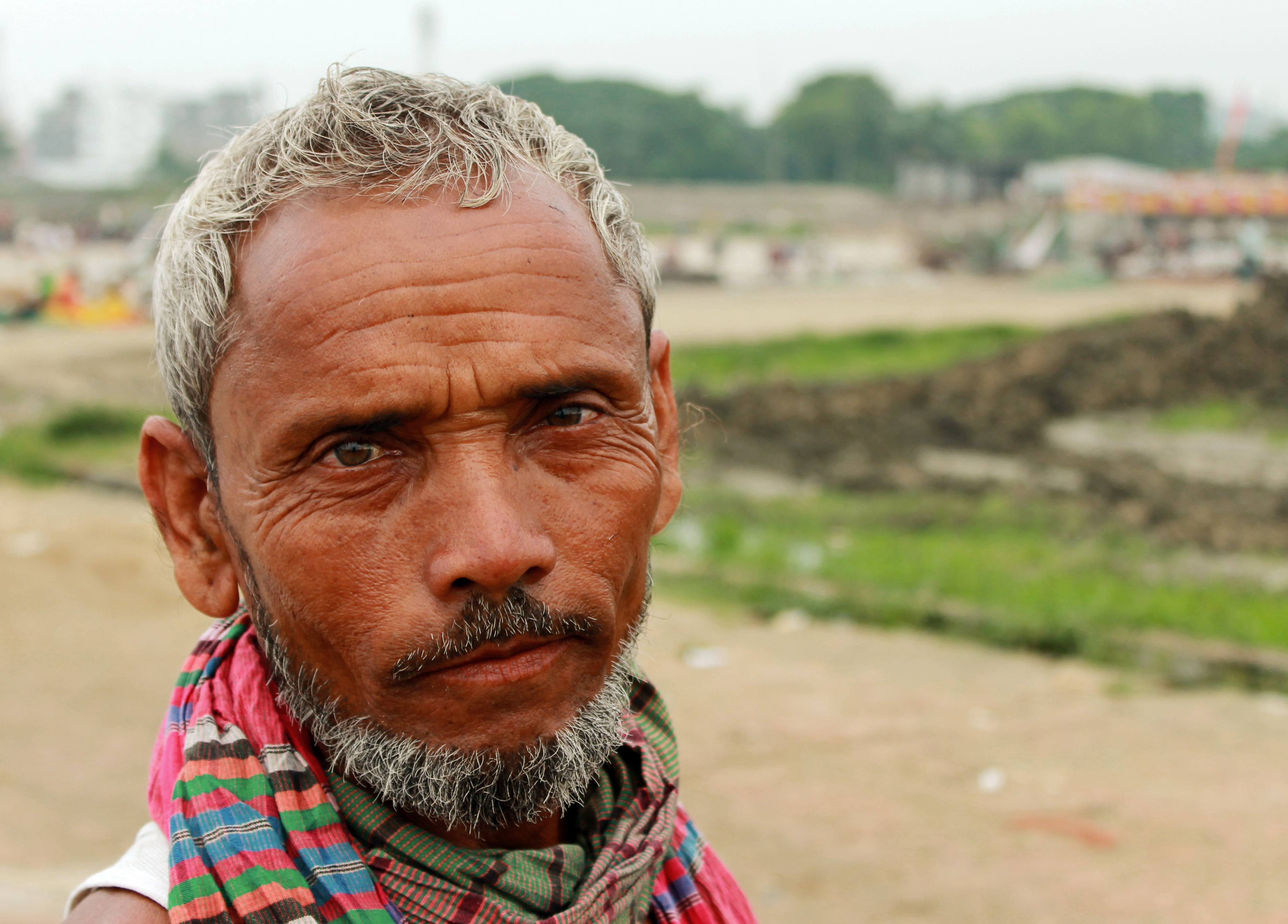
The photos I was able to capture that morning reminded me of a simple, yet profound lyric from one of my favourite songs by one of my favourite bands – ‘Alone Again Or’ by Love. I hope the images speak for themselves.

“I think that people are the greatest fun.”


Bangladesh faces


Bangladesh faces


Bangladesh faces


Bangladesh faces


Bangladesh faces


Bangladesh faces


Bangladesh faces


Bangladesh faces


Bangladesh faces


Bangladesh faces


Bangladesh faces


In my next entry I’ll touch upon an example of just why the people of this country continue to make Chittagong and Bangladesh an easy place to live.

Abar Ashben!


All photographs © John Stanlake
Lenny, am I going mad?


This blog doesn’t really follow a set format as such. I tend to focus on anything that has interested or entertained me, an event that perhaps defines a place I’m in, a person or group of people I’ve met who have inspired me, a reminder that I don’t live in the UK, or just about anything I feel inclined to record through words and images.

On occasions my blog is serious (see previous posts about UN peacekeepers, reflections on life, etc.), but occasionally it’s the ramblings of a madman. So, welcome trusty readers to my 31st blog post, and allow me to introduce you to a friend of mine. Well, I guess you could say he’s my roommate.

From here on in this roommate shall be referred to as ‘Lenny’, the name I assigned him. In fairness Lenny may not even be male, but for the purposes of this blog post he is, and his name is Lenny.

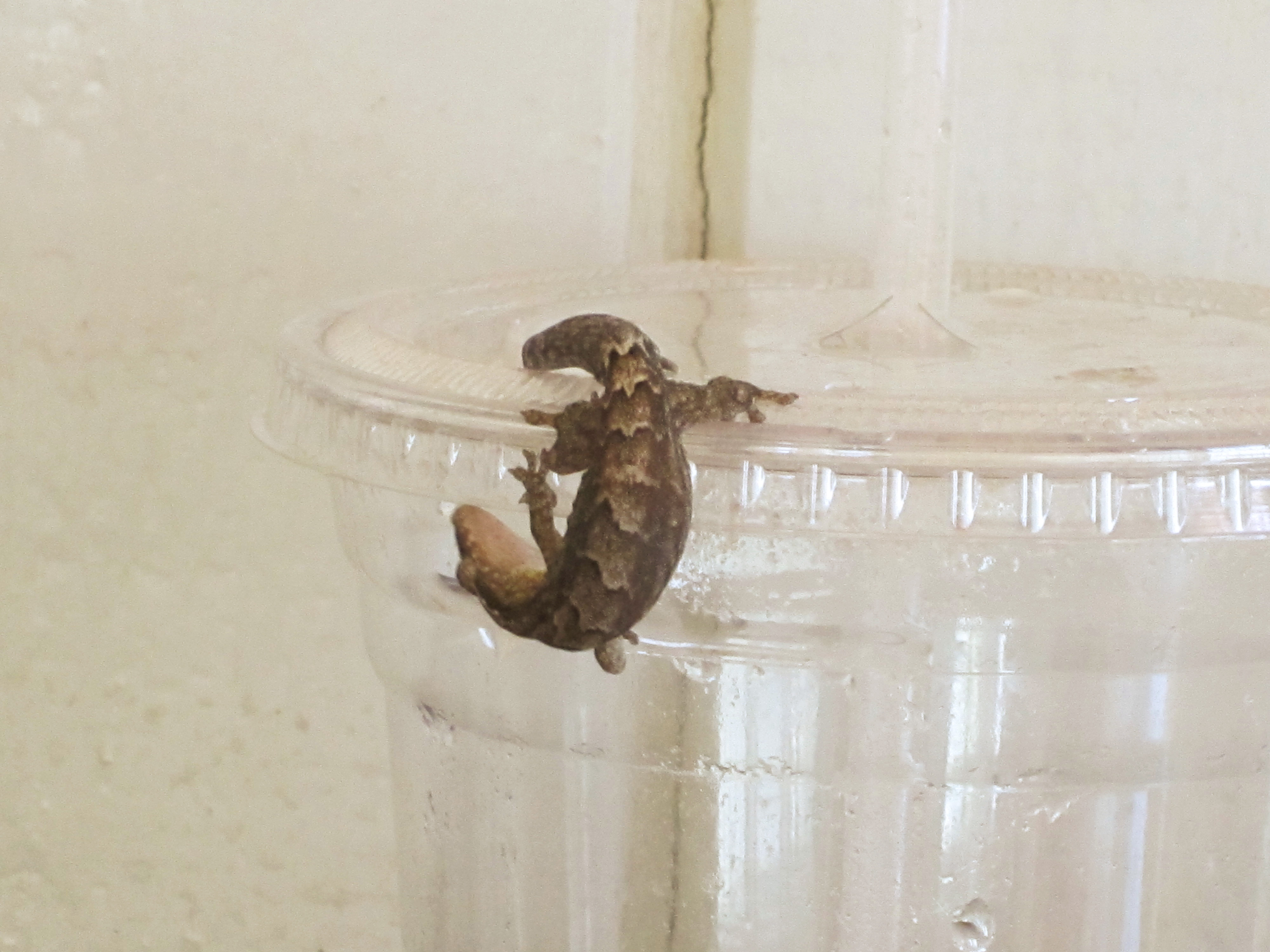
Lenny arrived one day quite unannounced and made himself at home immediately. I left my desk to make a cup of tea, and when I returned I found Lenny enjoying his own liquid refreshment, attached to an empty fruit juice carton.


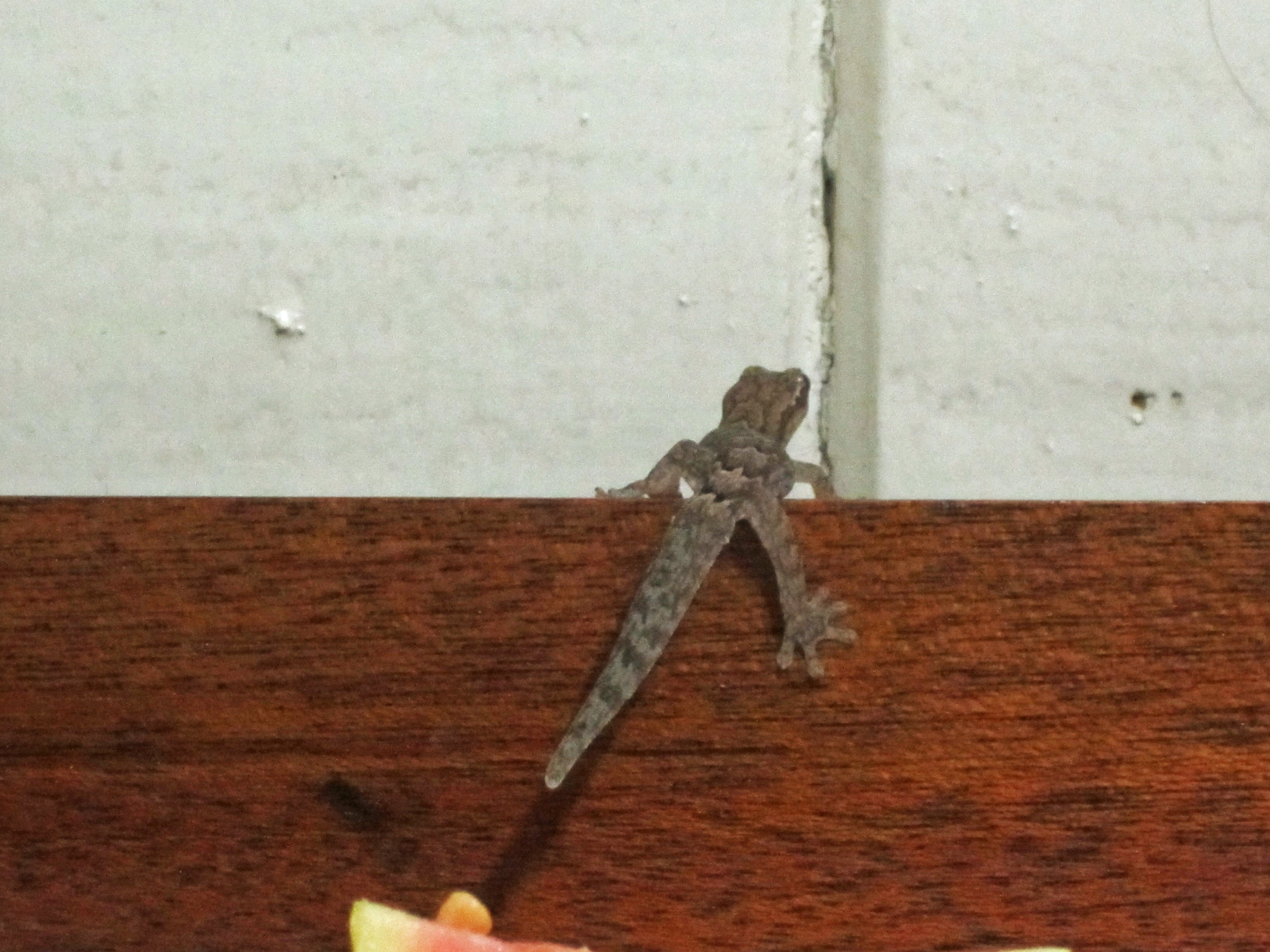
I soon realised he’s both agile and determined….

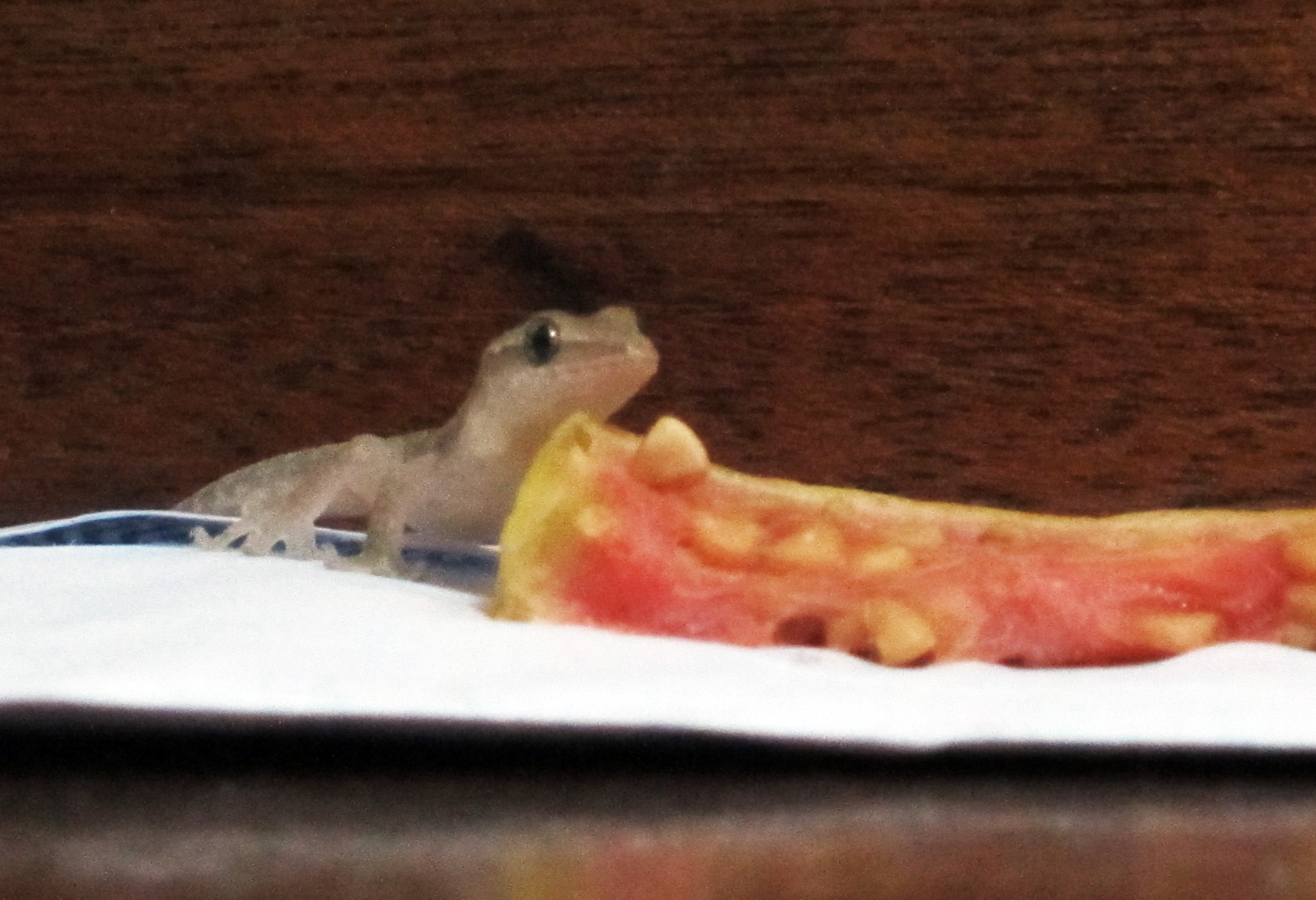
I wasn’t too sure what to feed him, so it’s been a case of trial and error. I’m sure he gets his fair share of mosquitoes, but this piece of guava seemed to take his fancy.

He was more suspicious of these sultanas.

The guava also attracted another of his kind, who I presume is now my second (and as yet unnamed) roommate.

Lenny looked on in intrigued confusion.

We’re both still getting used to each other’s presence, however. On occasions if I get too close or make any sudden movements, Lenny retreats.

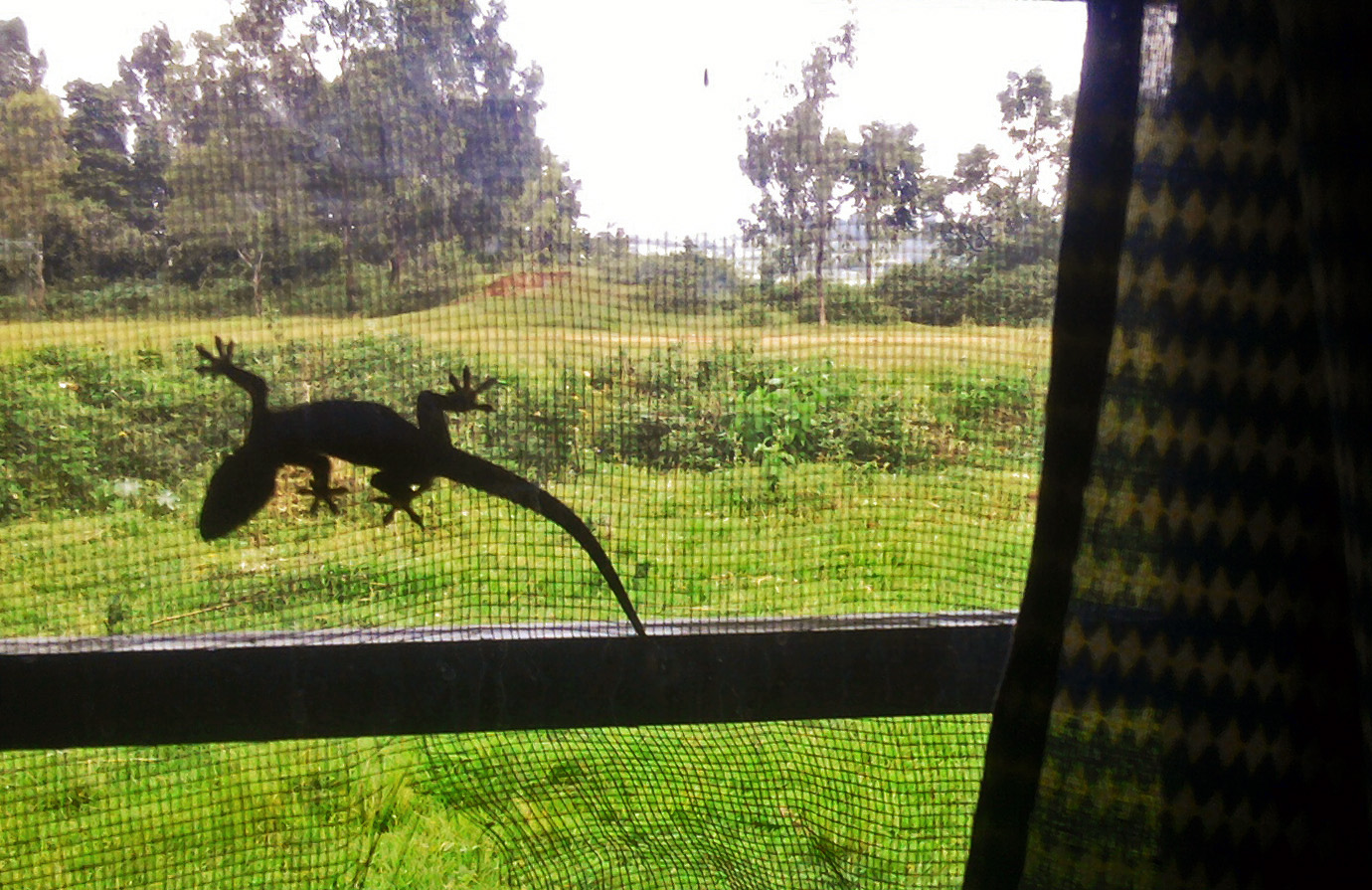
And spies on me from a safe distance.

Lenny appreciates creativity and the arts. He enjoys many literary genres. In this instance his book of choice was the Georgetown phone directory…

He also enjoys American sitcoms and has excellent taste.

Yet, his favourite hobby by far is spying on me, and keeping a watchful eye on my movements. The other day he literally spent about 15 minutes just watching me. He needs to get a life…

Nevertheless, I can often feel those beady eyes fixed on me.

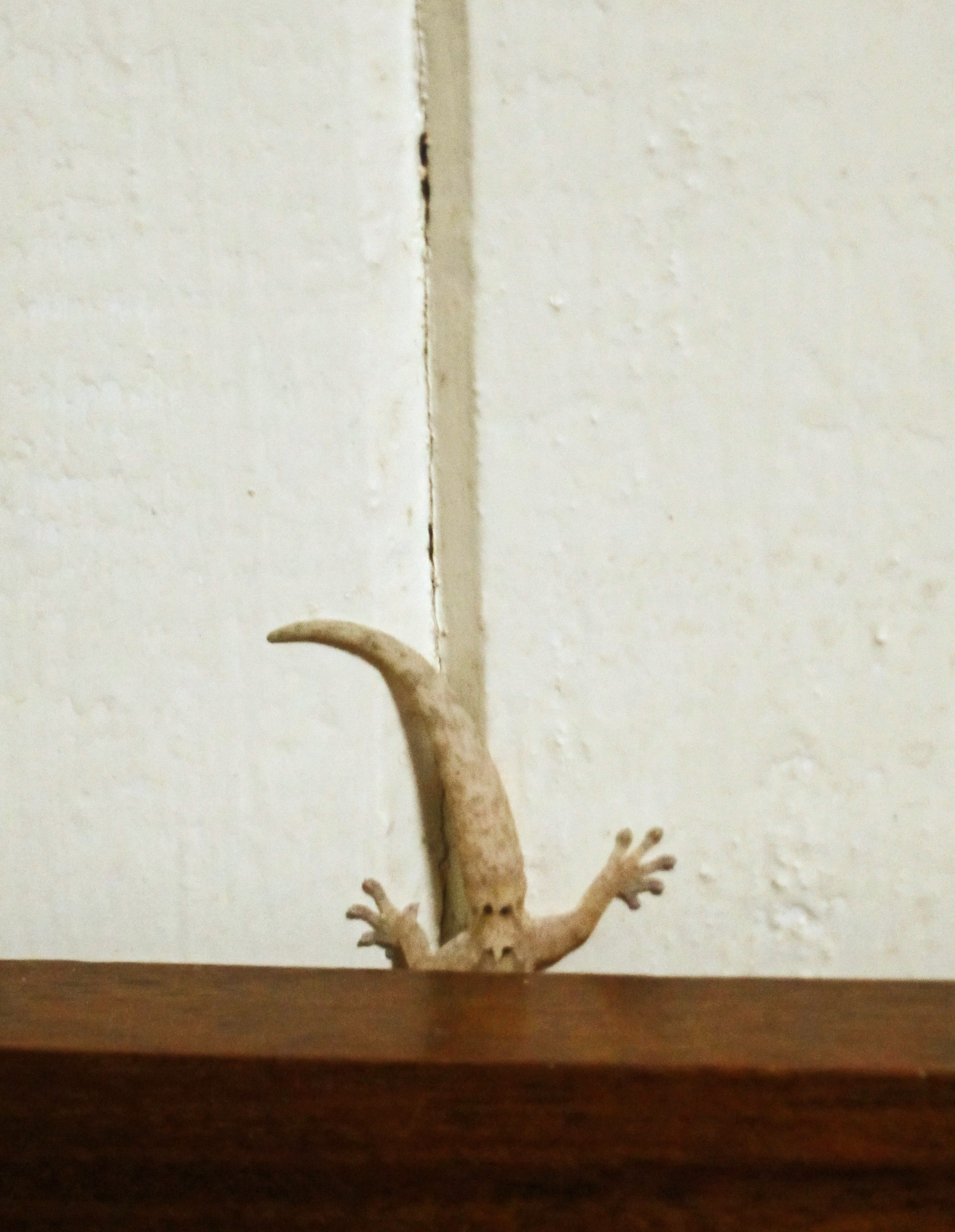
Lenny’s friend hasn’t quite built up the same courage yet, and prefers to keep a safe distance. In this case he peered down at me from a crack in the wall…

Although occasionally I catch him when he least expects it. Here he is in my coffee mug, the scamp.

And a very poor attempt at maintaining his anonymity…

So, there you have it. That’s Lenny (and his unnamed friend). He goes about his business in a quiet and unassuming manner, rarely disturbing me, unlike the mosquitoes – the bane of my existence. Lenny is of great use here as he snacks on them. I once saw him try to hunt down a fairly sizeable moth. He failed of course, but I was quite proud of his pluckiness and his spirit!

This isn’t actually the first time I’ve shared my home with a gecko. I had many scaly-tailed roommates in Rwanda too.

For anyone inclined to question my sanity at this point, never fear; Lenny says I’ve got nothing to worry about.

Until next time.


Rasputin, Karl Marx, Ben Fogle – It’s a bad day for beards….


So I had planned to tackle a serious subject in this blog update, but due to events which transpired in a classroom at AUW this week I’ve decided there are far more pressing issues to be discussed. When I say issues, I do in fact actually mean just one single issue. My beard.

You may have seen it. It’s in photos, and it’s reached a length which now makes it fairly noticeable to all. I’ve been wrestling with this for a while. To shave or not to shave? This is the conundrum that currently keeps John Stanlake awake at night, and it’s a conundrum which reached the classroom this week as a fellow teacher put it to her students in a writing task. Their prompt was ‘Should Mr John keep his beard or not?’
It’s essentially the end of term here, so this is not a usual assignment. Anyway, the students were very forthcoming with their opinions. I’d like to share some (the best) with you….
I’ve separated this into two sections – pro-beard (Fogle lovers) and anti-beard (Fogle haters)….Let’s start with the anti-beard brigade;

Fogle

Sir Ben of Fogleshire

(Please note: These are all direct quotes)


Fogle Haters

‘I think Mr Jhon shouldn’t keep his beard. When he keeps beard, he looks more older than his age. It is also hard for him to wash his face cleanly. Even though he washed his face because of beard some dirt may stay in his beard. Because of beard when he eats anything food may be stick to his beard. As like food, the environment dust also sticks to his beard and may make him unhealthy.’

An obvious beard hater. However, her concern for my health and wellbeing is commendable.

‘As his beard is not black in colour it does not look good to me. Rather it makes him look foolish. His beard is not compatible with his face.’

Honest and to the point – Clearly not a future politician.

‘His beard is yellow, so it is not like so much good than black beard looks’.

Valid point. In fairness though it’s hard to judge me here as you don’t see many blond-haired Bangladeshis.

This next student has several convincing arguments in defence of her anti-beard stance;

  1. ‘You will forget how to shave which might cause you problems later’.  It’s more concerning that she appears to think her teacher will forget how to perform such a simple task as shaving so quickly!
  2. ‘You might get lice on your beard due to AUW’s water.’  This is highly alarming. Is it possible to have lice-ridden facial hair?? If yes, that may clinch the decision to shave.
  3. ‘It makes your face filled with two colour which looks funny. Like, your whole face is white but your beard is part brown.’  I’d argue that it would look even funnier/weirder if I had a skin-coloured beard surely??
  4. ‘It will save you precious time because you don’t have to comb it frequently.’  There is that I guess. However, I’m  fond of my beard comb. It would be useless and redundant without a beard to comb.
  5. ‘It will save water if you don’t have to clean it frequently.’  I’d probably still wash my face though. Beard or no beard.

All points are valid and have been noted.

‘I first met him during history class. He looked good; wearing shirt and jeans (which suits his face without beard). A face with beard looks untidy and it somehow gives a gesture of laziness, since beard is raised by old people.’

Hmmm…In many ways she’s hit the nail on the head. The whole reason for the beard in the first place was due to a lack of motivation to shave over the summer holiday.

‘I think Mr John looks good when he keeps short beard. Neither totally shaved nor long like that a saint does. Since neatly shaved look in men makes him chocolaty, Mr John should try out professional look.’

Has anyone ever seen a Saint with a chocolaty beard?

This was one of my favourite responses. Simply entitled ‘Beard’ this student is fantastically honest….

‘Dear Sir – you looked better at the beginning of the semester. Do you know the reason behind it? Yes, of course, it’s because you hadn’t had bunch of beard then. I don’t mean to say that you look unattractive now, but there is nothing to praise. I agree being a man you would want some beard to look manly or something like that but I don’t understand the reason behind letting them grow more and more. Maybe you are planning to become a ‘Babaji*,’ but I think it’s not a good idea. I don’t even want to imagine you like that…disgusting! I wonder if after the winter break you will come with your long hair as well. OMG*!! You look good the way you used to be with small beard rather than that jungle in your face.’

*Babaji – I believe this is some kind of religious figure who sports long hair and a long beard, but I may be wrong.

* OMG = Oh My God

Another classic, this possibly surpasses the previous verdict. This student begins with some nice comments about me as a teacher, but then follows it directly with;

‘But every good thing has some error attached to it. In Mr John’s case, it’s his beard. I would strongly encourage him to shave it off as soon as possible. I have some valid reasons for it,

  • The beard he has is hiding his face and making it look unpolished.
  • When I see his face I think he carries a burden on his face. I feel very sorry for him when I see him carrying such a burden.
  • Last, but not least, his voice. Because of so much pressure on his face Mr John can’t talk clearly which makes a problem for us – his students. To let out his bold voice without any barricade he should get rid of his beard.

Finally, I really enjoyed taking part in this noble cause. I feel extremely fortunate that my efficiency is considered valuable in this serious global issue.’

Does a beard hinder speech? Is my beard hiding a burden? Should I be polishing my face? All good questions.

‘Your beard is like a forest and is the same as ancient man’

 This student offers some useful advice;

First of all he looks more young without beard whereas having beard shows him much older than he is. It is not only about personal appearance but also affects his students. Students like their teacher to look nice. When he comes to class with shaved beard, most probably everyone would tell him ‘You look nice Sir!’ and the positive sentence would have great affect on the class and make it nice. But when he comes to class without shaving students would not even listen to him! Also in today’s world the one with beard would seem more barbaric.’

 So I’m a boring barbarian that no one listens to. Good to know.

However – It’s not all doom and gloom. Most of the facial hair naysayers end with a remark of positivity, encouragement and most importantly, advice. For example;

‘Sorry Sir, if I did hurt you. I just gave you my opinion. It’s your beard, it’s your life, you are most welcome to experiment with it, but do be careful of your looks as well.’

Noted.

So, now for the less vociferous pro-beard brigade;


Fogle Lovers

‘I personally feel that your beard makes your personality more notable. Your face itself suggests to keep a beard.’

And that’s it. It’s hardly conclusive, but it’s a nugget of hope in an otherwise damning verdict of my facial hair policy.

I’d also just like to share one more quote from a student. We clearly have a future diplomat on our hands;

‘I believe that if Mr John keeps his beard or not is not important. The way people evaluate a person isn’t dependent completely on an appearance. Moreover, he doesn’t change his character if he shaves his beard. If shaving makes him change positively, he should do. But if it does not affect anyone and anything, don’t do it. Let him be himself. Finally, shaving is Mr John’s choice. Don’t ask us!’

Amen sister! These words will resonate with me as I walk off into the sunset whistling ‘Born Free’. Now, you may be thinking that in light of all this staunch beard negativity I’m going to head straight to the barbers. Well, you’d be wrong. I value the opinions of my students of course, however, a few weeks back I received all the positive endorsement needed to convince me to keep the beard for a good while yet. Ironically it was in fact at the barbers as I was having my hair cut at ‘Scissors over Comb’.

One of the barbers, who was cutting the hair of the man in the chair next to me, looked at me. He stared for a while and then rubbed his own beard (which was impressive in terms of both its volume and shape), pointed to mine, and then nodded his head in an obvious sign of approval. I’d doubted the beard up to this point, but this one man’s single nod of the head changed all that! For now, the beard stays.

Me