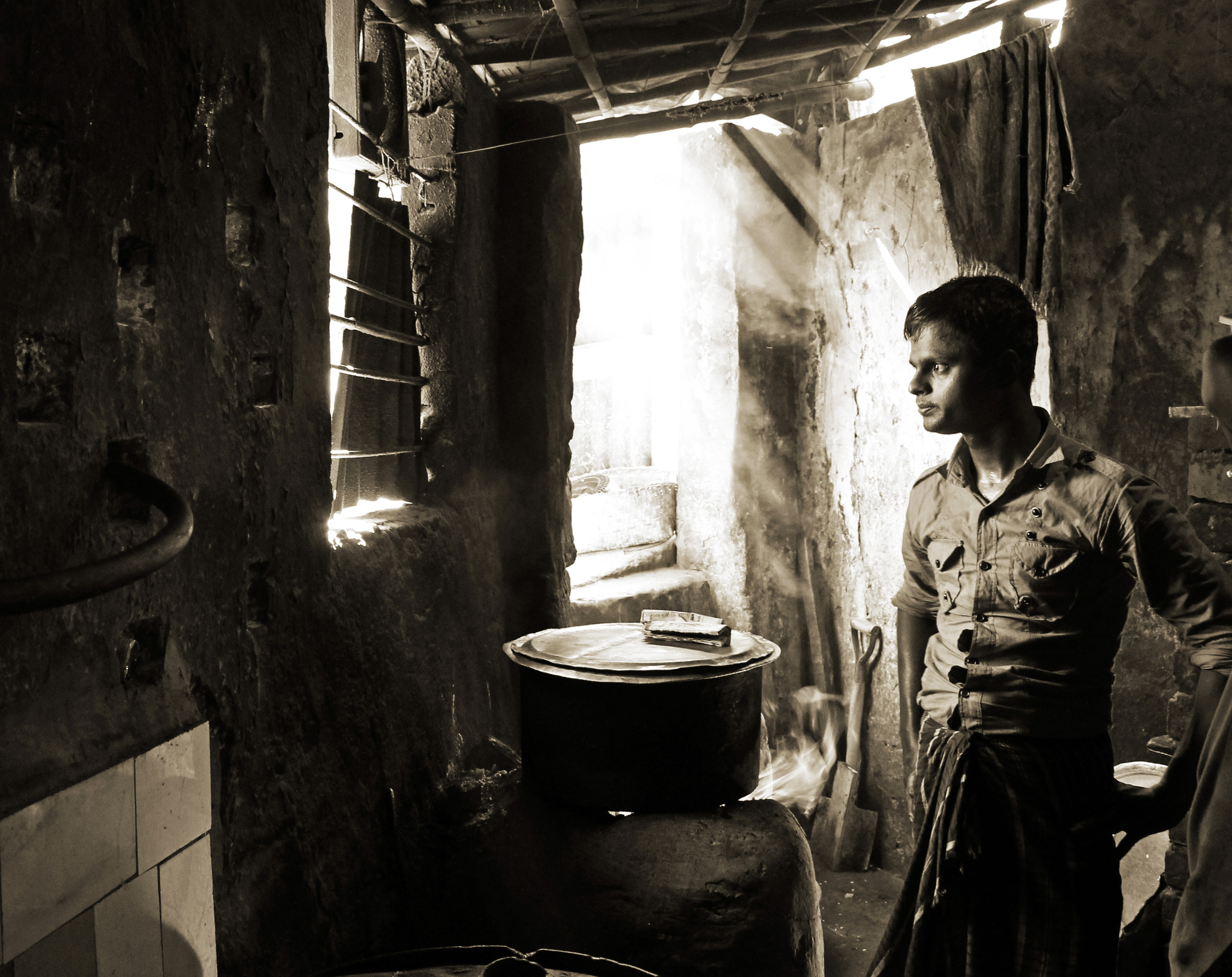
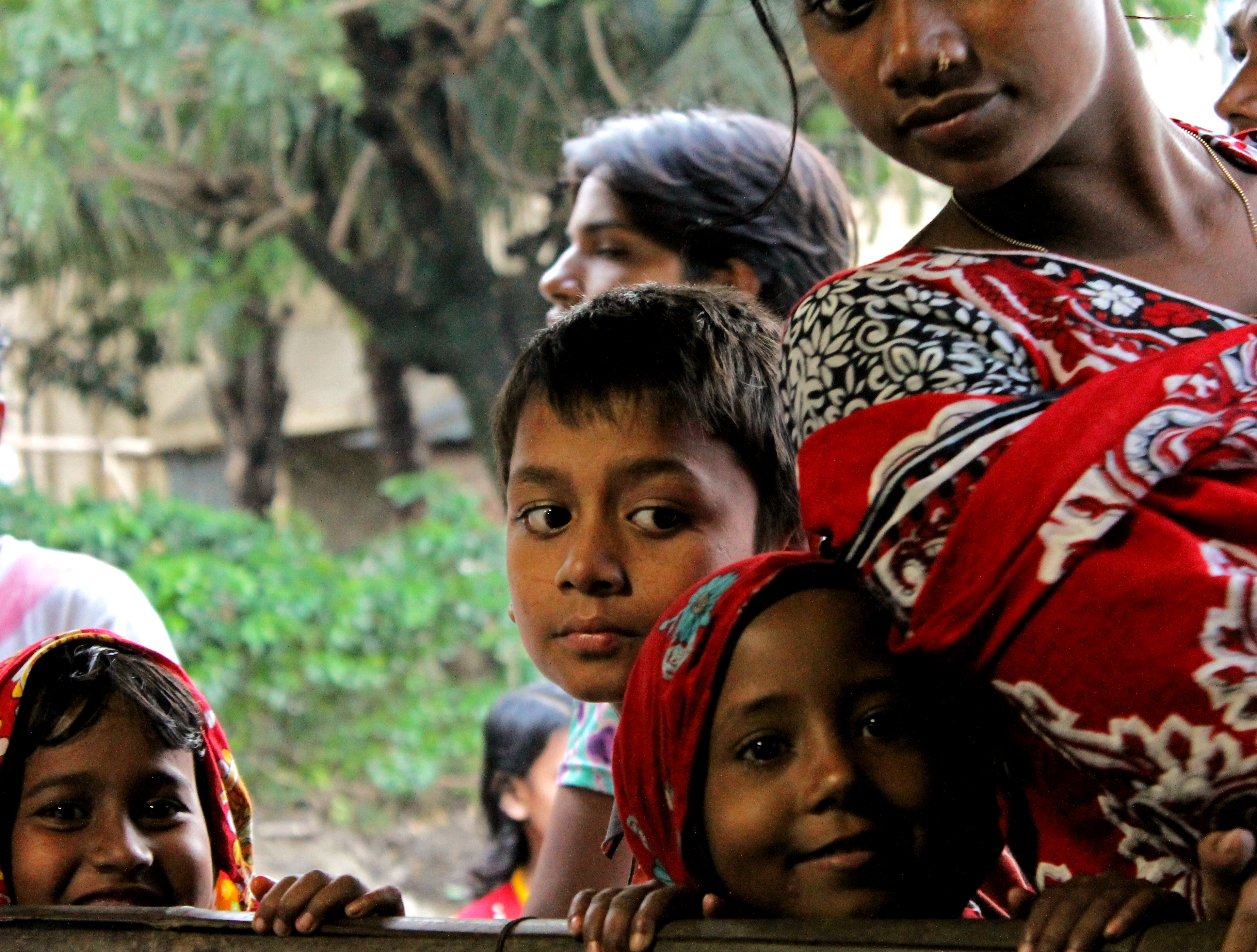
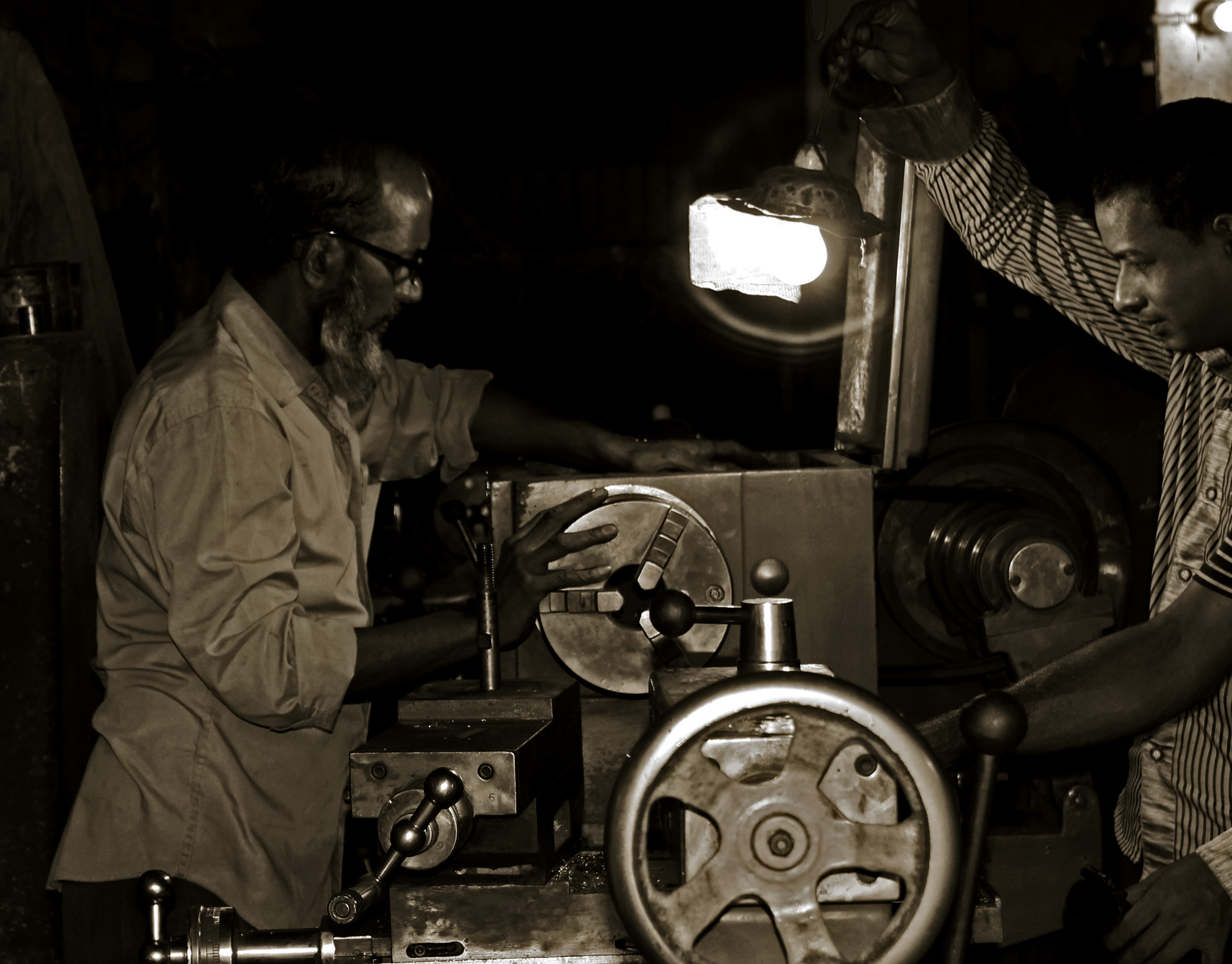
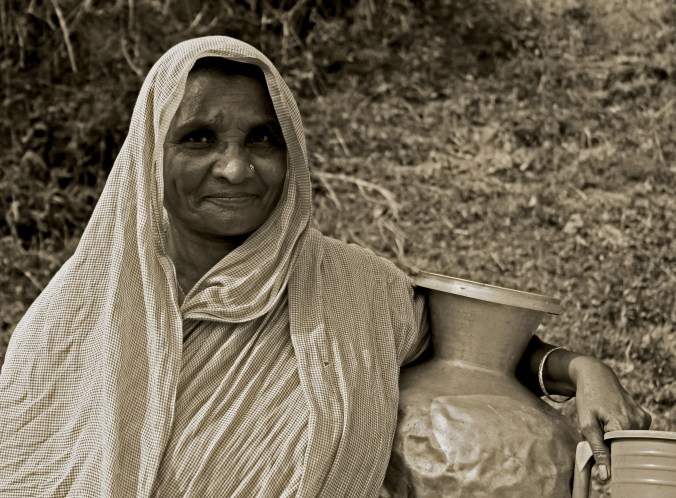
Sir, why do you always take photos of…


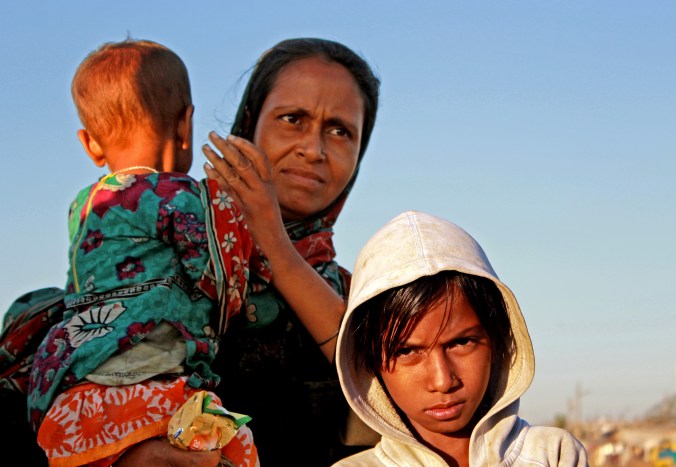
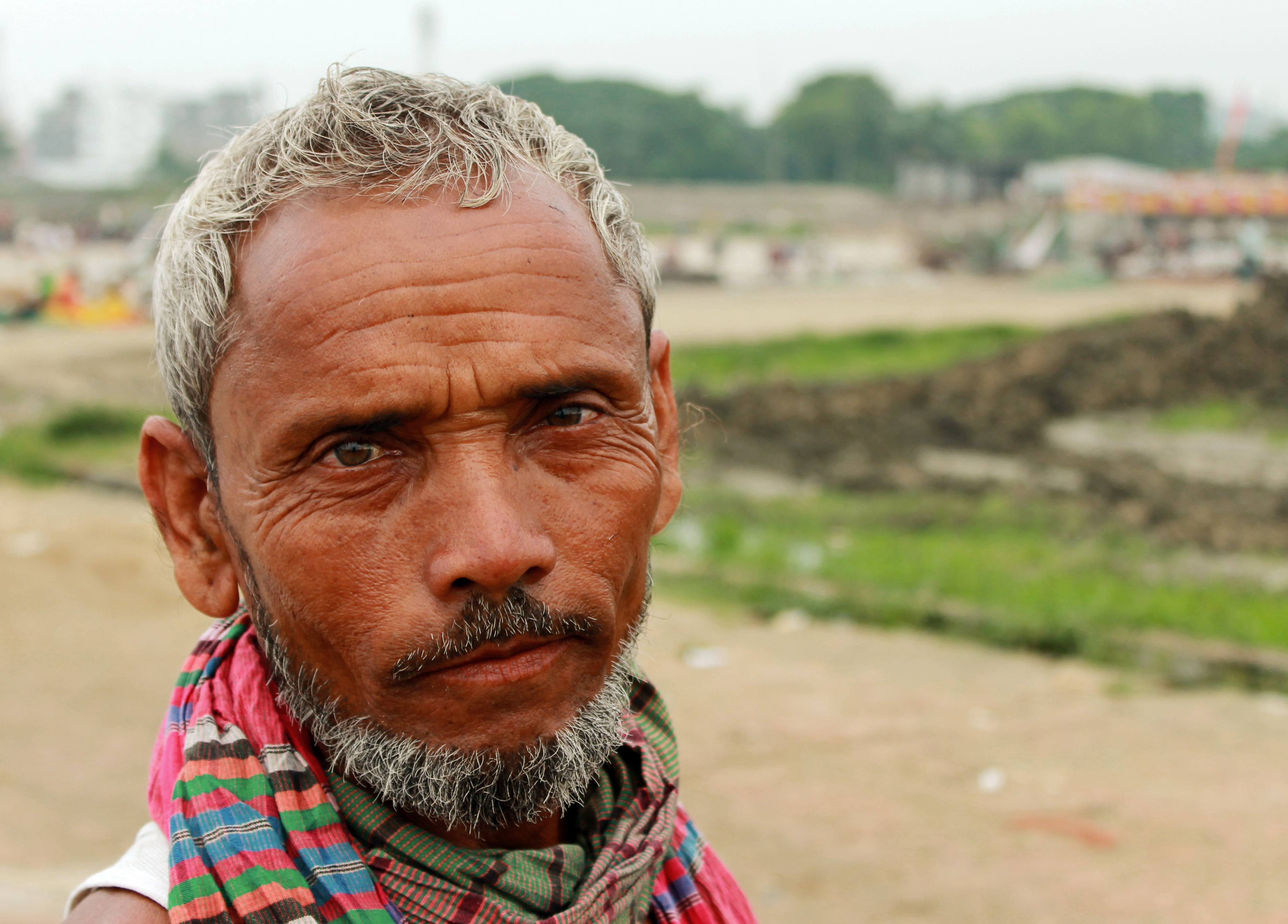
…poor people?  This was a question posed to me by a student a few days ago. It stopped me in my tracks a little, and I wasn’t quite sure how to respond. In actual fact, her exact question was why do foreigners always take photos of poor people? I presumed however, given the nature of some of my recent photos, that I most probably fell firmly into this bracket and was the inspiration for her pressing question.

I thought for a second or two and my response was simple. “I don’t take photos of poor people, I take photos of people.” That’s all I could think to say when put on the spot like that. However, after contemplating it a little further, I realised that my initial response had been fairly accurate. I never actively or purposefully set out to capture images of so-called ‘poor people’ but maybe I am naively guilty of it appearing this way.


IMG_6096 copy


The whole question though makes me uncomfortable. One of my favourite weekend activities here in Chittagong is to wander somewhat aimlessly with my camera capturing anything that makes for an interesting shot. This pastime has earned a pronounced regularity since I returned to Bangladesh, but a simple question posed by one student has made me question every aspect of it.

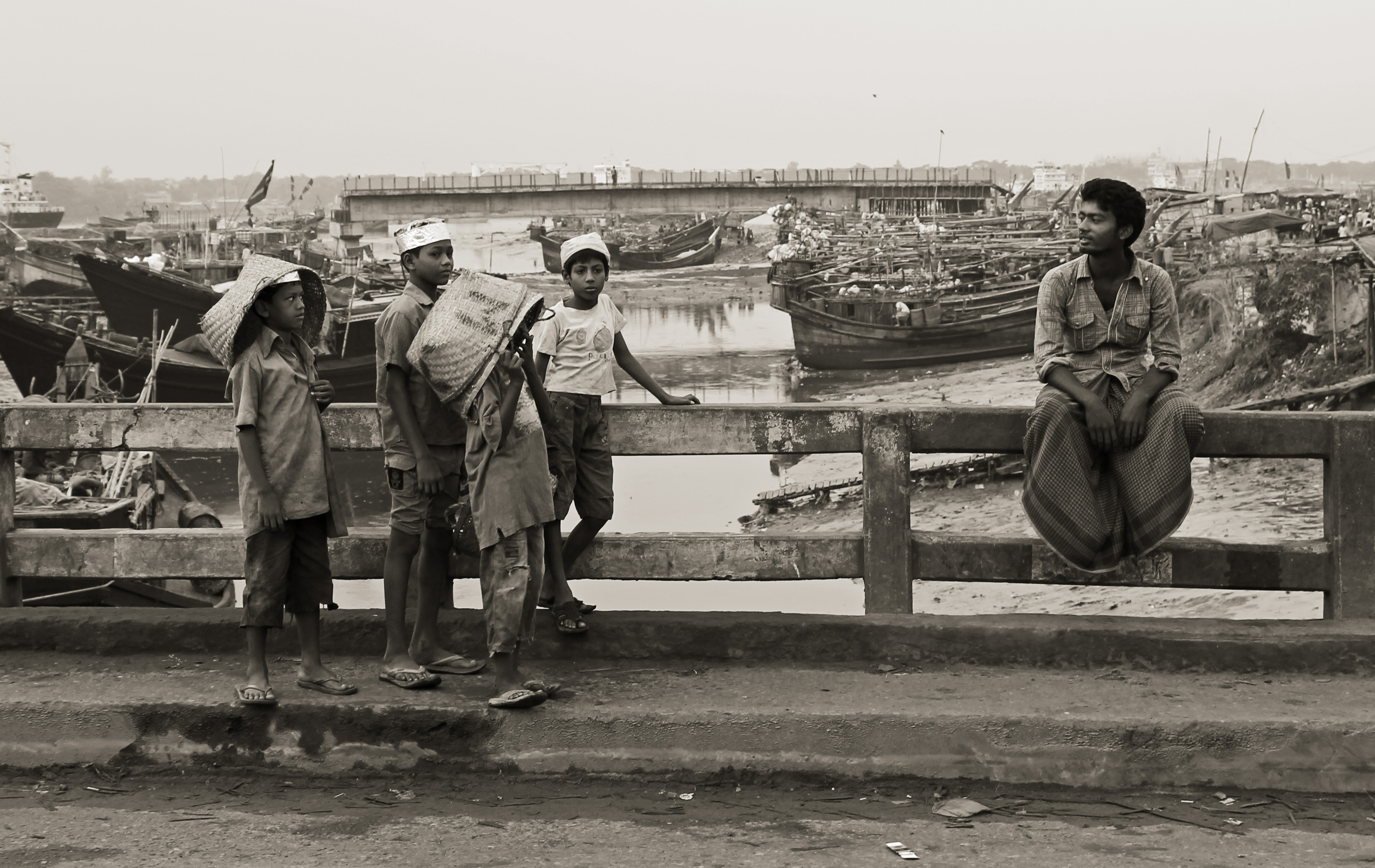
My photography subject of choice here is predominantly people, so I am certainly in the right place. I cannot deny though that this does weigh heavy on my conscience at times. For example, a couple of weeks ago I visited one of the railroad communities, and as I peered down from the bridge above, I felt a certain amount of embarrassment.  Why is this interesting to me? Why do I presume it’ll be interesting to the people I eventually share the photos with? All I can say is that it is different. That is all. Different in so many ways.


Railtrack community

I really appreciate this quote from Dorothea Lange,

 “The camera is an instrument that teaches people how to see without a camera.”


Railtracks


Living in Bangladesh, I want my photos to represent life in all its forms here. So when I share them, my hope is that viewers will see beyond just the single image. I want people to be able to contemplate this country and the people of this country in a much deeper capacity.

The residents of the railroad communities, I would hazard to guess, are poor in the most simple and raw form of the word and in the sense that their single image suggests. However, who am I, or we to judge if they are poor? And how do we define poor? That is not something for me to do, and it is not something I want to do. All I want to do is take photos of people, not poor people…people.


IMG_5352


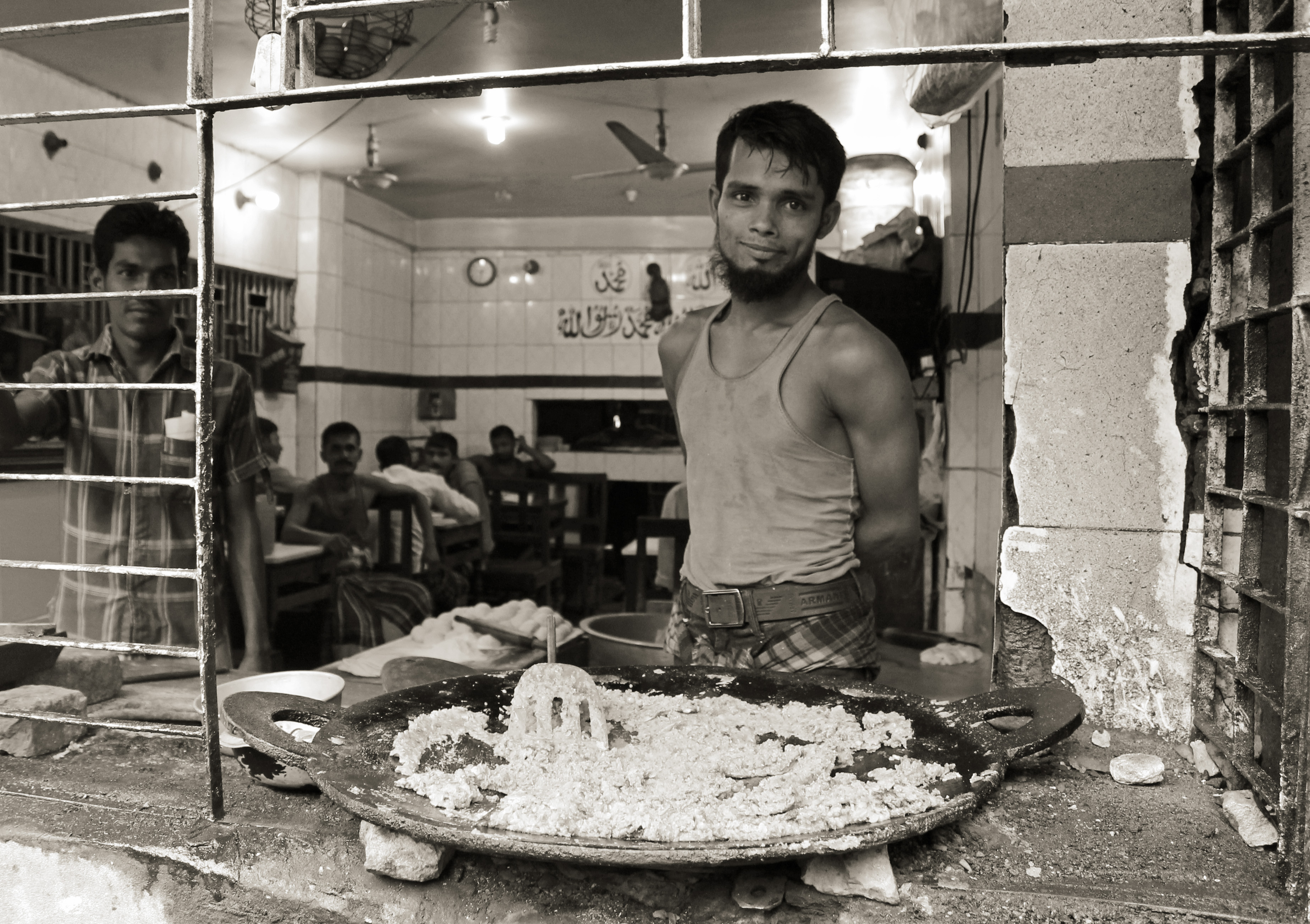
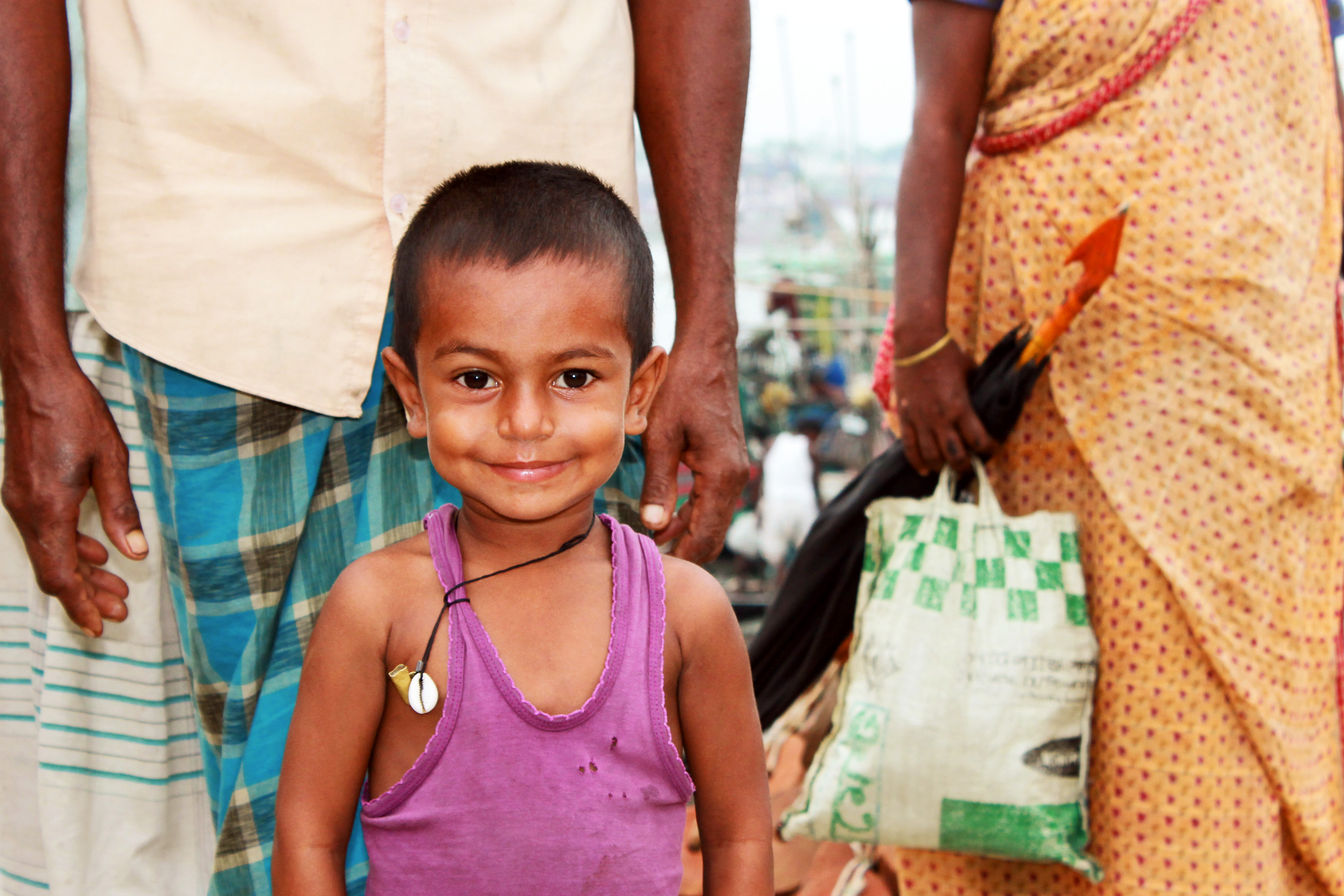
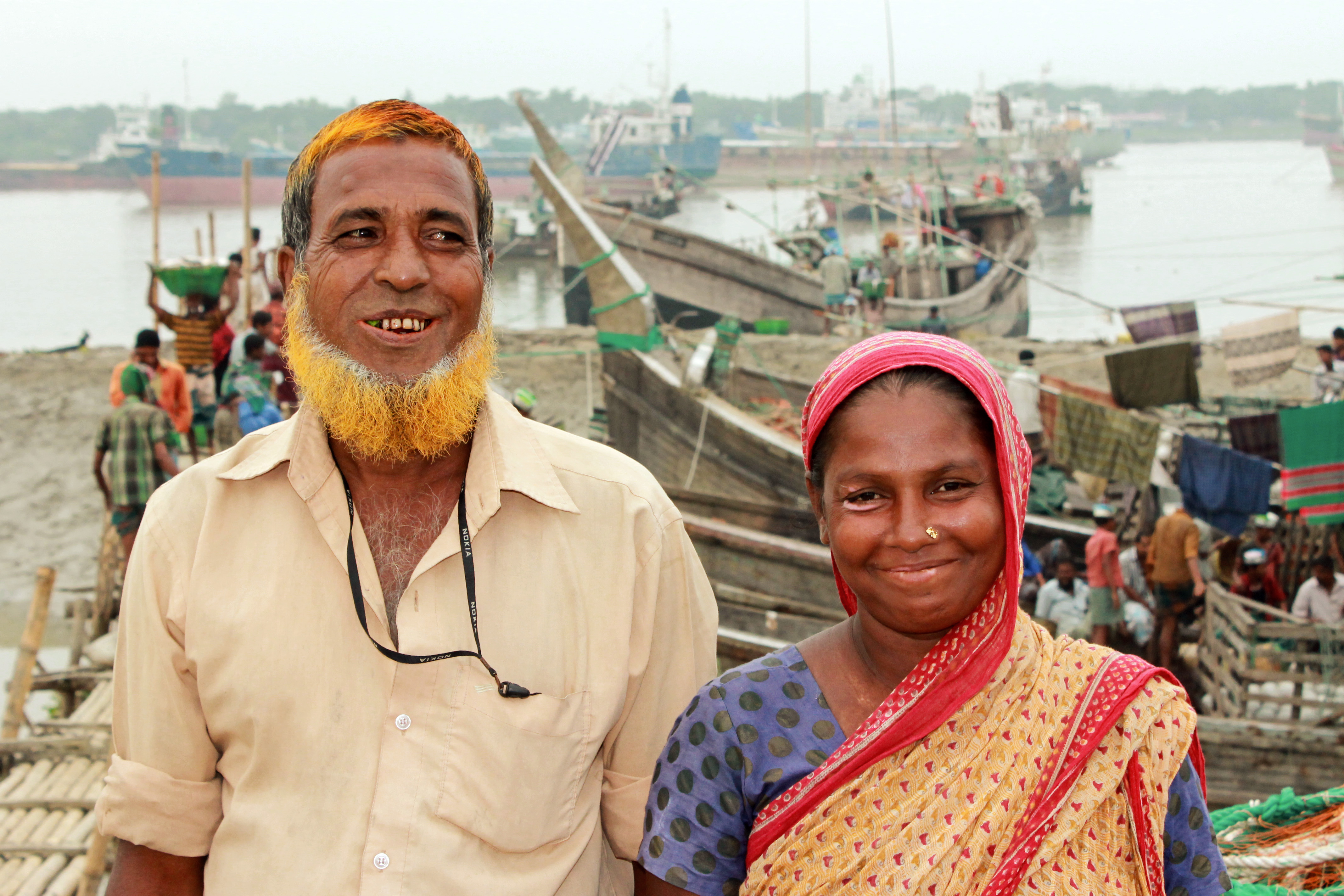
Therefore, here is a collection of images representing just a tiny corner of Chittagong, Bangladesh taken quite recently in the past few weeks. And here is one more quote;

“A portrait is not a likeness. The moment an emotion or fact is transformed into a photograph it is no longer a fact but an opinion. There is no such thing as inaccuracy in a photograph. All photographs are accurate. None of them is the truth. ”  – Richard Avedon


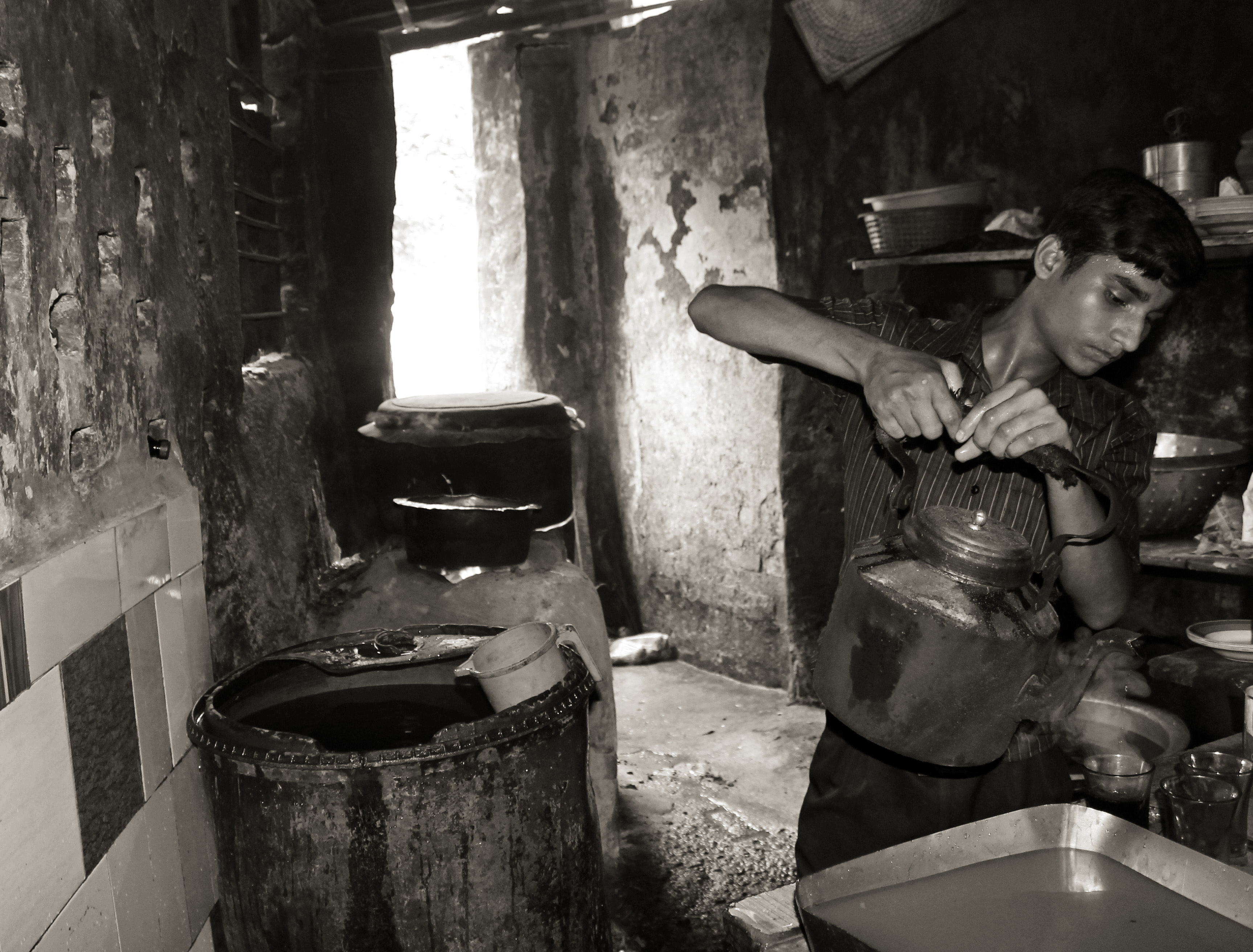
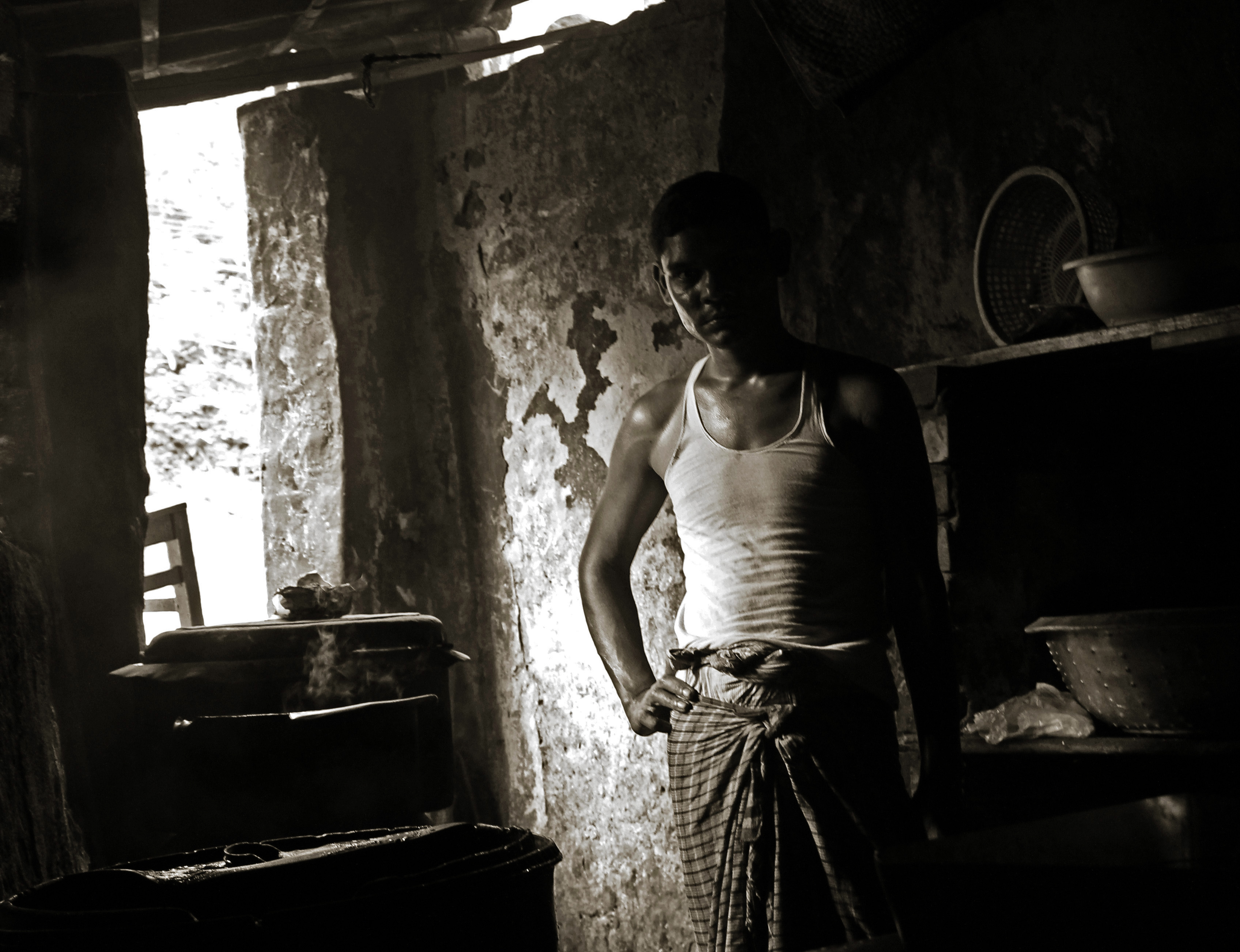
Tea shop kitchen


IMG_5383


IMG_5687


IMG_6332


IMG_6330


IMG_6300


IMG_5973 copy


IMG_5612


IMG_5737 copy


IMG_5469


IMG_4986


IMG_5306


All images © John Stanlake

Spreading the Gospel


Spreading the gospel. That’s how my Dad has always described my jaunts to far flung lands. He’s not talking about religion however. No, he always ensures I pack my large green and white flag, my shirt, and an up to date fixture list.

Saturday, September 21st 1991. Two months shy of my eighth birthday I received my first taste of watching Plymouth Argyle Football Club. In 1959 my Dad had made the same journey with his Dad, and thirty two years on it was my turn. I recall very little of the day, and it wasn’t until I’d been to a few more games that I became enraptured by the sights, sounds, and smells of watching live football, and specifically Argyle. However, that first experience was enough to initiate a relationship that has lasted twenty two years and counting. Incidentally the game ended Plymouth Argyle 1-1 Middlesbrough. I’m sure it wasn’t too long before I witnessed my first defeat.

In the past few years I’ve lived in the Czech Republic, Rwanda, Guyana and Bangladesh – my current home. My flag has been to all. However, I think it has at long last found its final resting place.

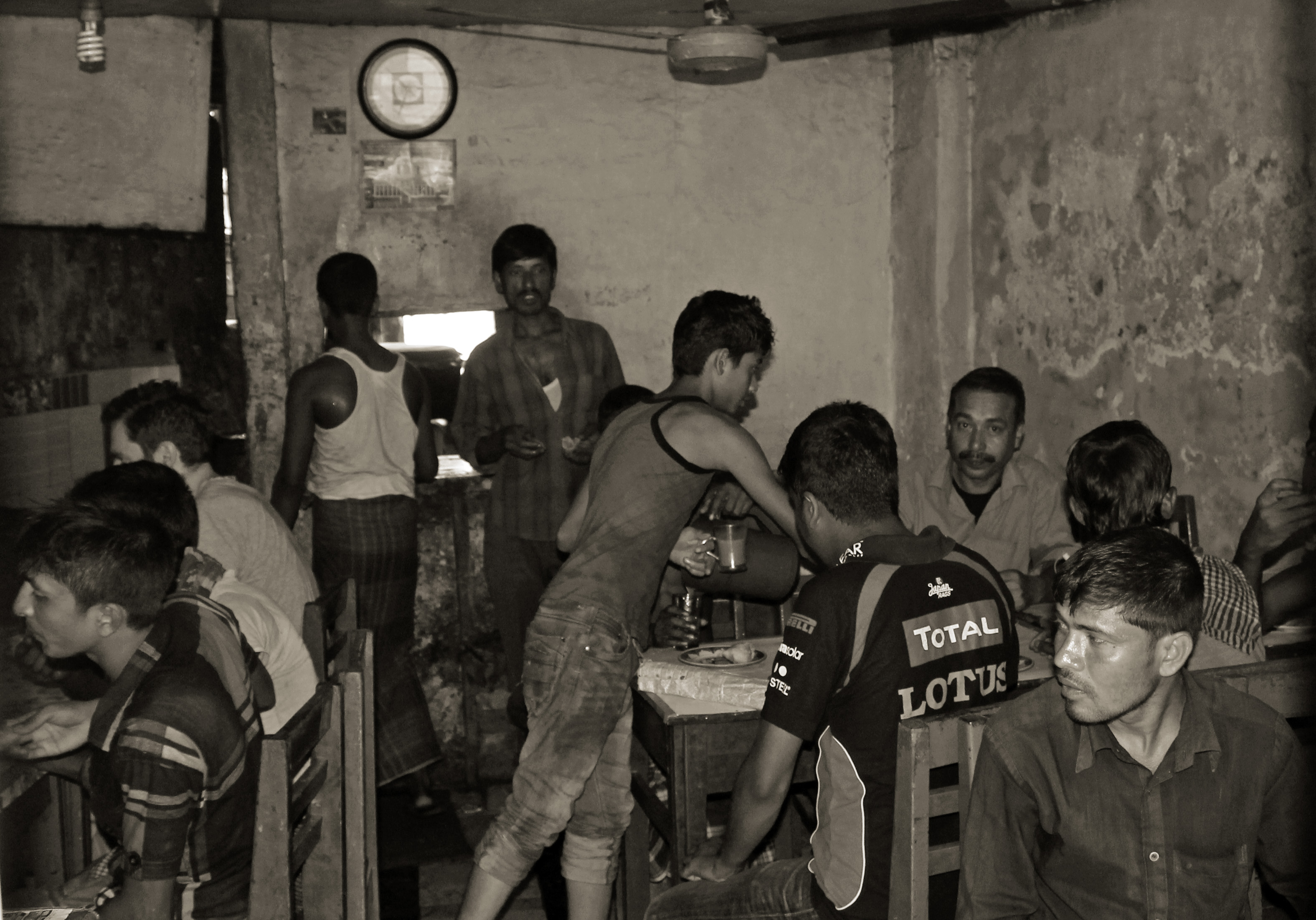
At the end of my street there is a modest tea shop that serves the labourers, the rickshaw drivers and other locals from the area. It is an unassuming, simple place. Every day smoke billows from the cave-like kitchen at the rear, and men come and go, never stopping for any great length of time, there are things to do. I found out recently, it is also a place full of great warmth and hospitality.


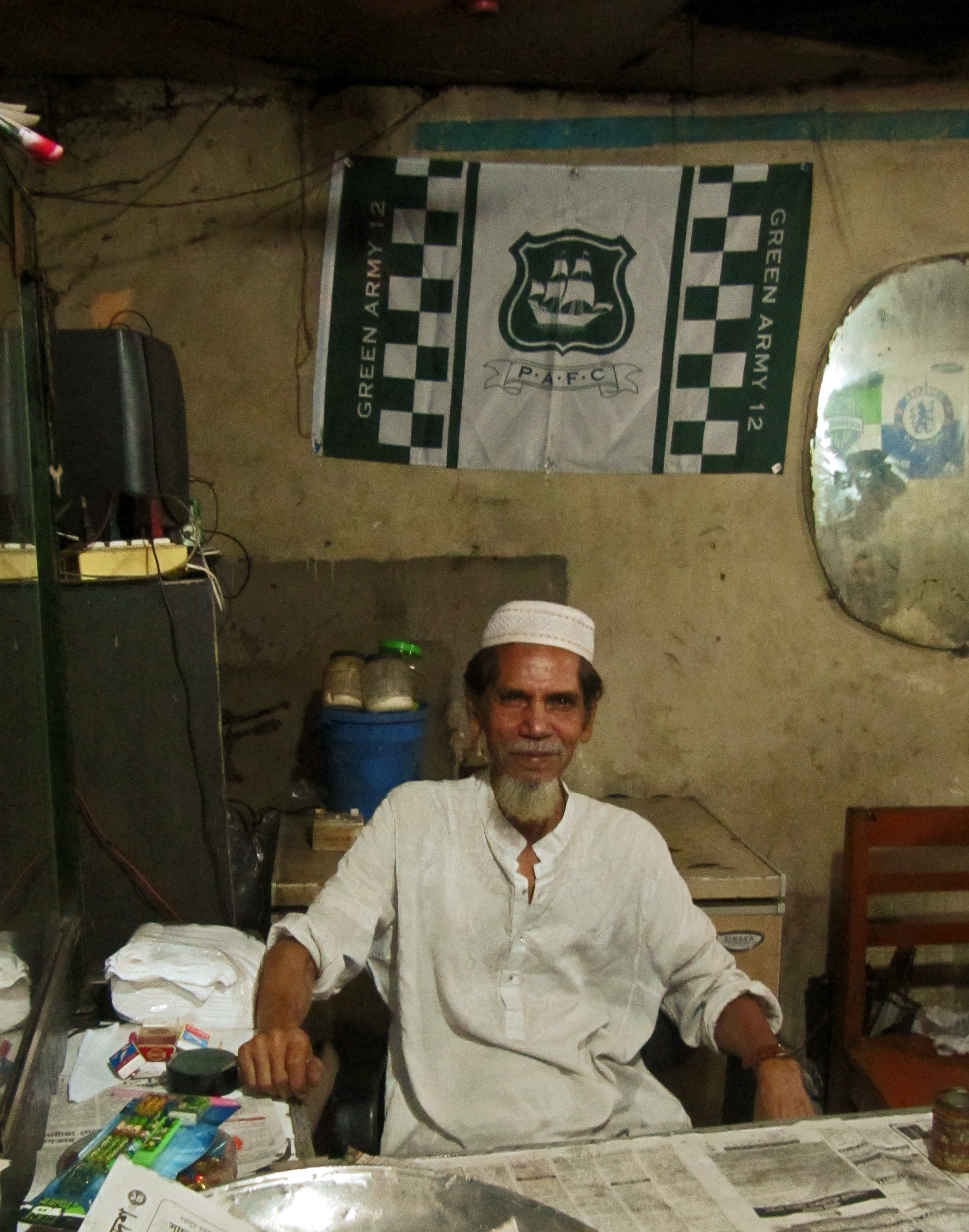
My flatmate John and I decided to stop by there one morning. We drank tea, ate snacks and conversed with the other tea drinkers using our very limited Banlga skills, and then we came to pay. “No pay. My guests. No pay” was the response from the owner, Mr Golam, who sat at a small desk by the entrance. We smiled and thanked him, and then politely offered our money once again. His response was the same. We left feeling grateful, humbled, and yet a little embarrassed.


Later that week we stopped by again, and when it came to pay his response was as before. “No pay, my guests, you come every day, no pay.” We remonstrated politely again, but were left equally embarrassed and a little frustrated. Two further visits followed, and still no Taka left our wallets. It seemed all attempts to pay were futile, so alternative methods would have to be employed to show our appreciation.

We decided gifts would be our new means of payment, and it didn’t take long to decide on our first offering. The wall of our living room was decorated with two flags. One displaying the green and blue of John’s team, Seattle Sounders FC, and the other the green and white of Plymouth Argyle. We took them down to the tea shop and handed them over to our new friend. His walls were bare, so we hoped he would appreciate the flags. He took them, thanked us, folded and then placed them on the desk in the corner. We left (after not paying once again) wondering if our flags would make it up onto the wall.

A couple of days later we walked past and had a quick glance in. There they were, in all their glory, pinned proudly to the wall of the tiny tea shop. My Argyle flag looked more majestic than it ever had before. It was decided that the pinning of our flags to the wall was an occasion deserving of more tea, so we sat and explained the importance of the new wall decorations to an array of other tea shop proprietors. Spreading the gospel, one step at a time.


The tea shop has now become our ‘regular’, and once or twice a week we stop by and sit for a while. AUW is a wonderful environment to work in, but it can become claustrophobic. We are shuttled from our apartments to the campus early in the morning, and once work is done for the day we are shuttled back home. It often takes a conscious effort to search for interactions outside of this bubble. For us the tea shop is our life outside of AUW and our connection to the real Chittagong.

The Chittagong we have encountered in the tea shop is quite fascinating. The diversity of the clientele has been a source of intrigue as we’ve met local students, rickshawalahs, security guards, and even a former UN peacekeeper in the Congo. The reaction from one and all though has been consistent. We are always welcomed, always looked after, and always thoroughly humbled by the generosity and warmth of our hosts.


Personally I feel significantly more connected and a part of this corner of Chittagong than I ever have before. Faces are familiar, I recognize and exchange greetings with people as I walk the streets, and I have a place to go if I need a reminder of just why I was drawn back to this place . Describing the shop and its owner, one of the students sipping tea told me yesterday, “This isn’t just a tea shop. This man is like a father to us. If we need help, he helps us.” Observing the comings and goings for a while it seemed this applied to many others. Mr Golam is generally a man of few words, but when he speaks you listen, and when he smiles you know the warmth is genuine.

We asked him recently how long the shop has been serving tea to the locals and he replied, “forty years, before me my father.” It is quite difficult to even comprehend this fact, but it also makes sense. In a society where community is often so important, this tea shop plays a pivotal role.

I wonder if my green Argyle flag will adorn the walls of this shop for the next forty years.


All images © John Stanlake

Early Morning Eyes


Armed with a new camera, I have been exploring Chittagong a little more by foot in the past couple of weeks. Last weekend it took me to the fisheries market. Arriving at 4.45am, we waited for the sun to rise and for the energy of a new day to dawn.

By this time however men were already rushing by, scooping the night’s catch out of nets and piling it upon waiting baskets and wagons. The tea shacks were already serving hot, sweet tea to the various workers, and it was difficult to sense quite when night ended and the new day began.

The photos I was able to capture that morning reminded me of a simple, yet profound lyric from one of my favourite songs by one of my favourite bands – ‘Alone Again Or’ by Love. I hope the images speak for themselves.

“I think that people are the greatest fun.”


Bangladesh faces


Bangladesh faces


Bangladesh faces


Bangladesh faces


Bangladesh faces


Bangladesh faces


Bangladesh faces


Bangladesh faces


Bangladesh faces


Bangladesh faces


Bangladesh faces


In my next entry I’ll touch upon an example of just why the people of this country continue to make Chittagong and Bangladesh an easy place to live.

Abar Ashben!


All photographs © John Stanlake

Abar Ashben


“Abar ashben” roughly translates as “come again” in Bangla. In the days leading up to my departure from Bangladesh back in June 2012, these words were delivered insistently at times, and on other occasions in polite passing. At that point I gave a standard response of “Heh, heh…inshallah.” Or, “Yes, yes…god willing.” And then I left.

I wasn’t sure quite what was willing me to come again (so soon at least), but I did, and here I am, back in Bangladesh, back in Chittagong, back again. I’ve never returned to a place before. Rather, I’ve never returned to a distant land before where I have previously spent a prolonged period. However, the chance to continue working for WorldTeach and back at AUW was compelling motivation to make this a first. Two organisations close to my heart, both of which have provided me with unique experiences in the past few years, and both working in partnership here in Bangladesh. I’m proud to work for both, because not only do I get to lead another group of conscientious and dedicated WorldTeach volunteers,  I also get to teach another set of inspiring AUW students, hungry for education. It’s difficult not to be motivated.

Never go back. These three words floated around in my head for a long while as I contemplated my next move. As a big football lover, I can think of various occasions when a player or manager has returned to a club only to experience a torrid second spell. For any fellow, hardy Plymouth Argyle fans out there….Paul Sturrock. Yet, I was willing to risk this for the reasons given above, and after one month back in Bangladesh I so far feel satisfied with my decision

In the coming months I hope to once again utilize my blog to express my experiences, though more importantly I would like to use it as a platform for other stories, for other images, and for other perspectives.  For anyone still reading I say thanks, and I will try to ensure I keep you interested so that you too ‘come again’ to my blog.

Abar Ashben!

Here are some photos taken since my return. The second photo shows the WorldTeach Bangladesh group and Dr. Fahima Aziz, AUW Vice Chancellor (third from right).


A British Summer: Pygmy goats, rolling hills, sunsets, family, and a posing border collie.

I haven’t blogged for a while. There is usually a reason for that. Either I’ve run out of things to write about, or I’m too busy to find the time. On this occasion it is a mix of both reasons. A little over four weeks ago I left Guyana, my time there had come to an end. This departure was once again tinged with sadness as I said goodbye to yet another group of wonderful people, and good friends met along the way during a sometimes roller-coaster journey. Guyana grew on me a great deal and as such will no doubt leave a lasting impression.

Guyana

Each summer for the past few years I return home to enjoy a little window of familiarity before setting off again. This summer has been no different. Having barely unpacked my suitcase I was already posting off my passport to the Bangladesh High Commission in London. After a little questioning the passport was returned with a new Bangladesh visa, and thus, as I write this I am sat in Manchester airport waiting for the departure of flight EK18 to Dubai. A connection to Dhaka follows, with the concluding leg to Chittagong taking me to my final location. In just a few hours of writing this I’ll be back in Bangladesh. It is somewhat surreal, but deep down I think I always knew it would happen, I just hadn’t expected it to come about so soon.

I won’t talk about this now, however, as it dawned on me recently that my blogs are usually all about the places I’ve resided and visited outside of the UK. Yet, in between all of these jaunts I’m lucky to be able to spend some relaxing vacations at home in Devon. I’ve therefore decided to take this opportunity to share some photos from this most recent spell at home. They tend to sum up why, despite all the wonderful places I’ve seen in the past few years, I’m always very happy to see that ‘Welcome to Devon’ sign, the harbour of Torquay, the hills of Dartmoor, and of course, my family – who patiently put up with all of my comings and goings and always offer support. This can never be underestimated, and I’m very grateful.

Lenny, am I going mad?


This blog doesn’t really follow a set format as such. I tend to focus on anything that has interested or entertained me, an event that perhaps defines a place I’m in, a person or group of people I’ve met who have inspired me, a reminder that I don’t live in the UK, or just about anything I feel inclined to record through words and images.

On occasions my blog is serious (see previous posts about UN peacekeepers, reflections on life, etc.), but occasionally it’s the ramblings of a madman. So, welcome trusty readers to my 31st blog post, and allow me to introduce you to a friend of mine. Well, I guess you could say he’s my roommate.

From here on in this roommate shall be referred to as ‘Lenny’, the name I assigned him. In fairness Lenny may not even be male, but for the purposes of this blog post he is, and his name is Lenny.

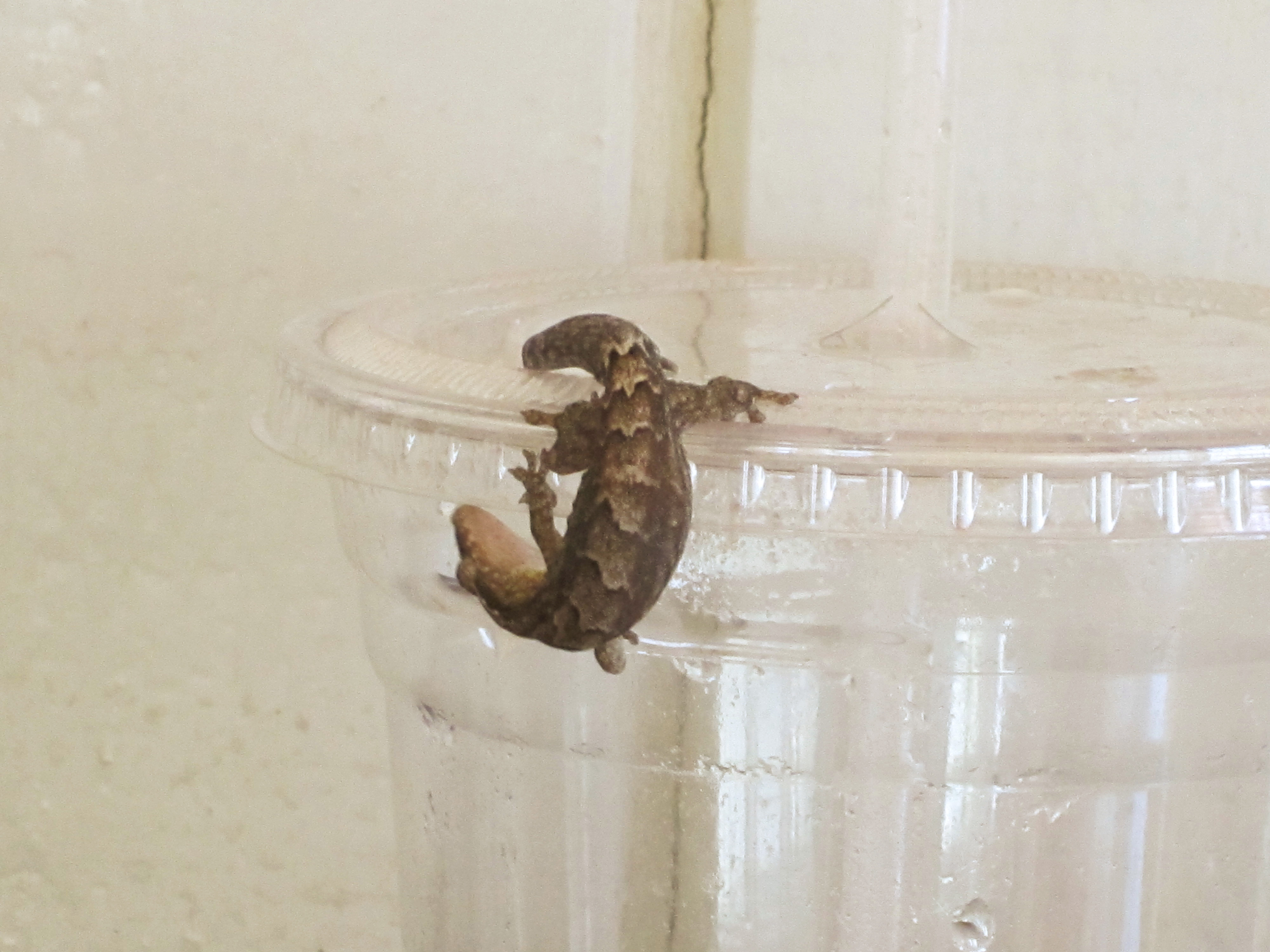
Lenny arrived one day quite unannounced and made himself at home immediately. I left my desk to make a cup of tea, and when I returned I found Lenny enjoying his own liquid refreshment, attached to an empty fruit juice carton.


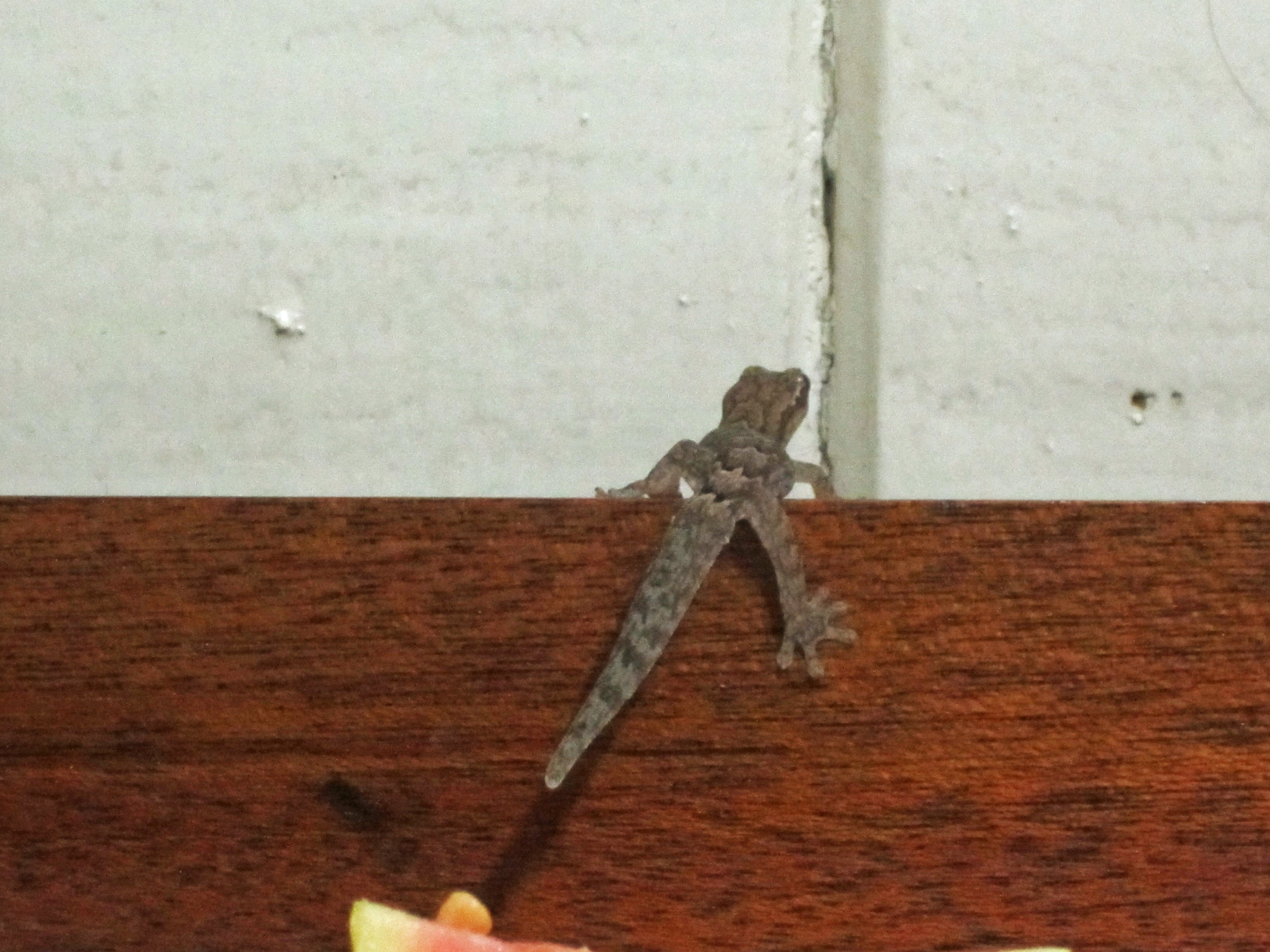
I soon realised he’s both agile and determined….

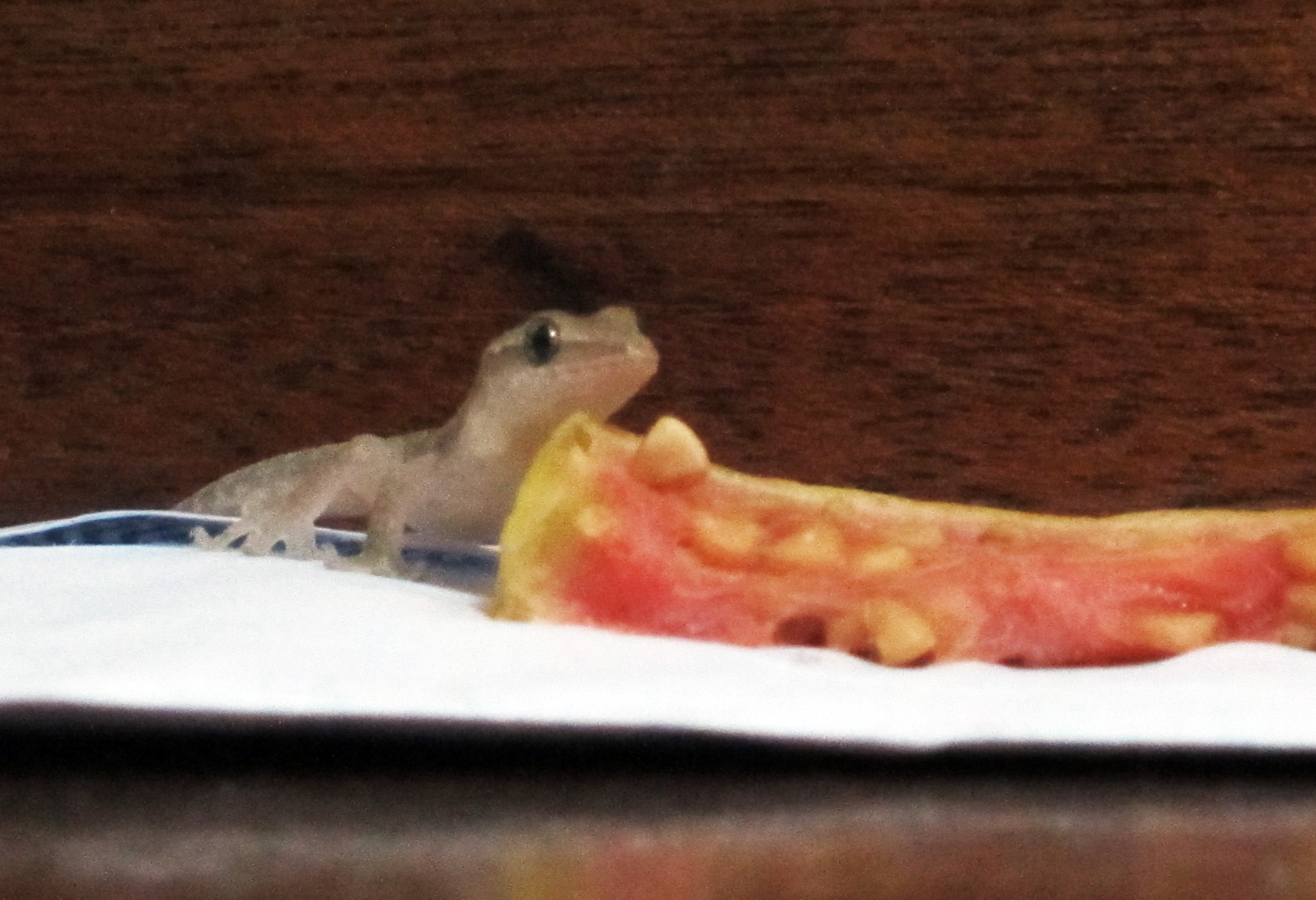
I wasn’t too sure what to feed him, so it’s been a case of trial and error. I’m sure he gets his fair share of mosquitoes, but this piece of guava seemed to take his fancy.

He was more suspicious of these sultanas.

The guava also attracted another of his kind, who I presume is now my second (and as yet unnamed) roommate.

Lenny looked on in intrigued confusion.

We’re both still getting used to each other’s presence, however. On occasions if I get too close or make any sudden movements, Lenny retreats.

And spies on me from a safe distance.

Lenny appreciates creativity and the arts. He enjoys many literary genres. In this instance his book of choice was the Georgetown phone directory…

He also enjoys American sitcoms and has excellent taste.

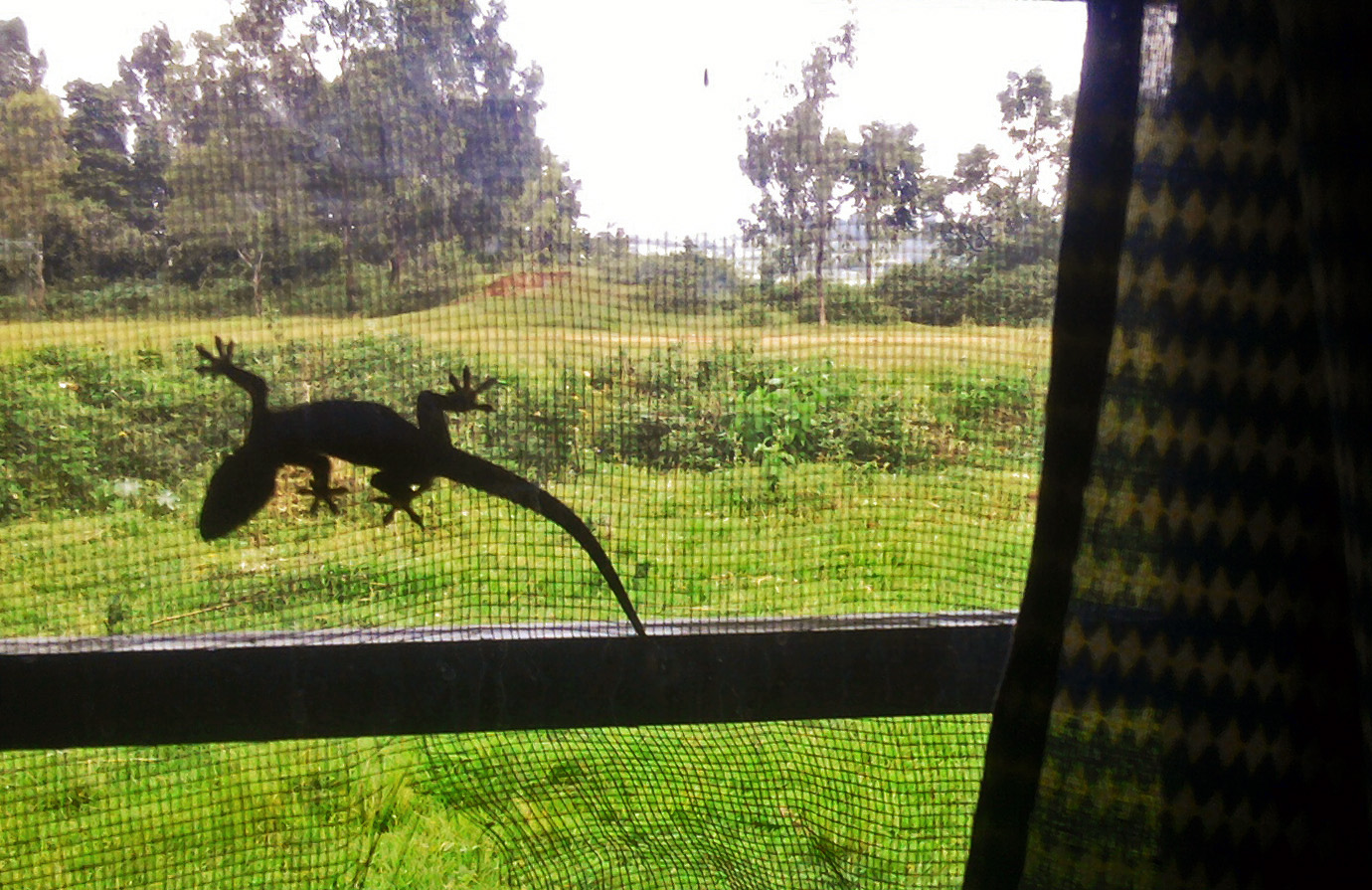
Yet, his favourite hobby by far is spying on me, and keeping a watchful eye on my movements. The other day he literally spent about 15 minutes just watching me. He needs to get a life…

Nevertheless, I can often feel those beady eyes fixed on me.

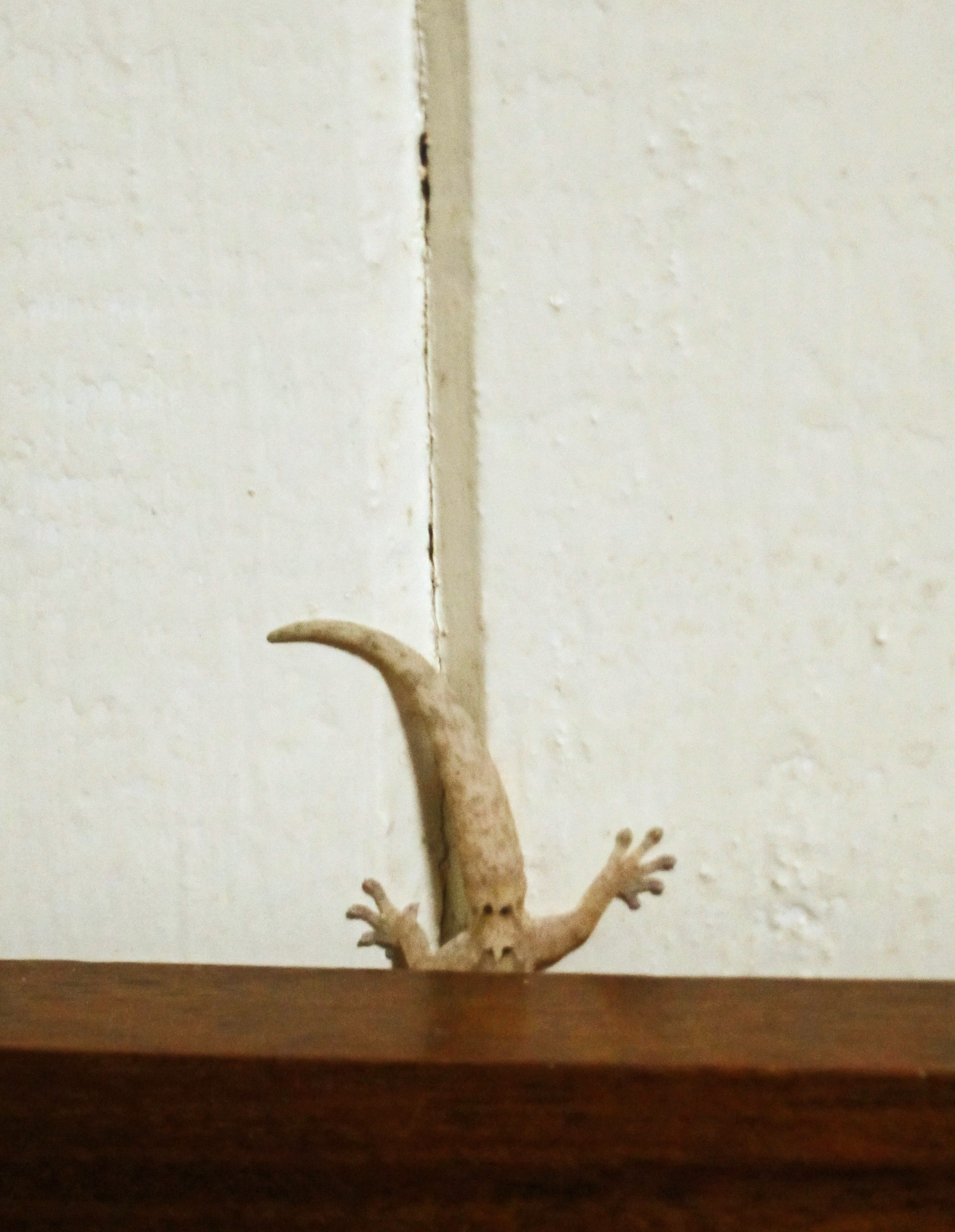
Lenny’s friend hasn’t quite built up the same courage yet, and prefers to keep a safe distance. In this case he peered down at me from a crack in the wall…

Although occasionally I catch him when he least expects it. Here he is in my coffee mug, the scamp.

And a very poor attempt at maintaining his anonymity…

So, there you have it. That’s Lenny (and his unnamed friend). He goes about his business in a quiet and unassuming manner, rarely disturbing me, unlike the mosquitoes – the bane of my existence. Lenny is of great use here as he snacks on them. I once saw him try to hunt down a fairly sizeable moth. He failed of course, but I was quite proud of his pluckiness and his spirit!

This isn’t actually the first time I’ve shared my home with a gecko. I had many scaly-tailed roommates in Rwanda too.

For anyone inclined to question my sanity at this point, never fear; Lenny says I’ve got nothing to worry about.

Until next time.


One People, One Nation, One Destiny.


Sunday, May 5th 2013 was a notable date here in Guyana. It marked the anniversary of an event which played a huge part in shaping the face of the Guyana you find today. Exactly 175 years ago to the day, on May 5th 1838, the very first indentured Indian labourers arrived to work in the sugar plantations of the then British colony of Guyana. They weren’t ‘slaves’ as such, however their workers’ rights were neglected and conditions were often poor. They did however have the right to repatriation in India after five years. Some took up this offer, others decided to make Guyana their permanent home.

Over 200,000 workers in total made the journey from Asia to South America in the 19th century, and possibly the most telling statistic of all is descendants of those immigrant workers now account for 44% of the total population in 2013. The Indo-Guyanese are therefore officially the largest ethnic group in Guyana.

One aspect of this country that has intrigued me most during my time here has been the incredible diversity. For a nation modest in geographical area and with a total population comparable to the city of Leeds (UK), or Austin (Texas), Guyana is a melting pot for such a diverse range of cultures, peoples, languages, and traditions. In addition to the Indo-Guyanese; Afro-Guyanese account for 30% of the population, whilst mixed heritage Guyanese make up 16%.  The Amerindian (indigenous) community accounts for the remaining 10%, aside from small Brazilian/Portuguese and Chinese communities.

This diversity manifests itself in so many aspects of Guyanese society. As I touched upon in a previous blog post, language is certainly a strong reflection, with the presence of English, Creole, Portuguese, Spanish, Chinese, and nine Amerindian dialects. Cuisine is another. The popular ‘cookup’ is a Caribbean style dish made of rice, beans, meat, coconut and various vegetables all cooked together in one pot. Curry and roti dishes are readily available and popular, as are Chinese options, including the Guyanese style chow mein. Meat eaters get their fix at various Brazilian barbeques, and Amerindian cuisine is known for the spicy beef or pork stew, Pepperpot – customarily eaten during the Christmas period.

Music and dance is another diverse characteristic of Guyana. Traditional south Asian beats, tablas and sitars, and popular Bollywood songs frequently fill the air. Calypso, Soca, and Reggae are equally prevalent, and a reminder that despite being part of mainland South America, Guyana is very much influenced by its Caribbean connection. Brazilian and traditional South American music is also a common sound.

However, I feel I’ve been struck most by the religious diversity of this country, which is quite evident in Georgetown. Perhaps it’s because my eighteen months prior to Guyana were spent in the predominantly Islamic state of Bangladesh, where 90% of the population identify themselves as Muslim. My religious experiences were therefore defined by the distinct daily call to prayer, the abundance of traditional Islamic dress, and the Mosques of varying shapes and sizes. There is of course a sizeable Hindu community in Bangladesh as well as a modest number of Buddhists. Yet, overall society is defined by the teachings and values of the Qu’ran.


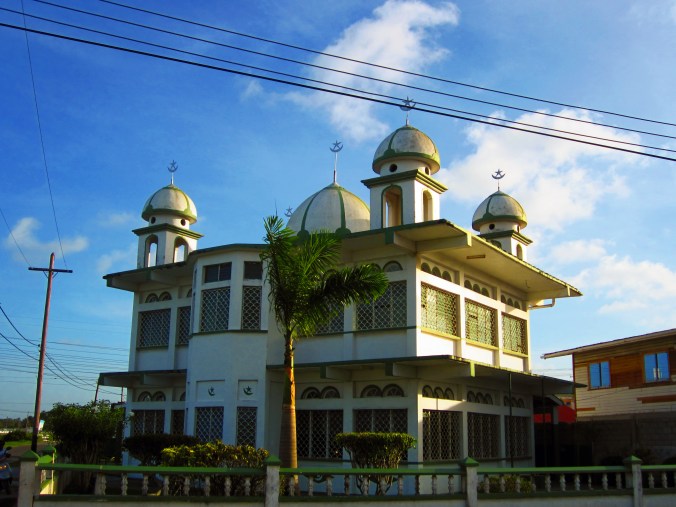
Prashad Nagar Masjid, Georgetown

Prashad Nagar Masjid, Georgetown


Christianity is the most widespread faith in Guyana, but given the history I touched upon earlier in this post, Hinduism is also very visible. Islam has a noticeable presence, despite being less represented in terms of actual followers.

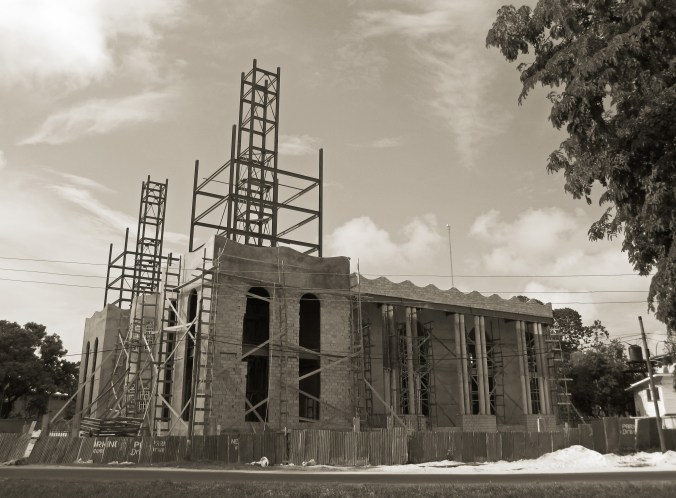
From my front porch if you look to your left you will see a large Seventh Day Adventist Church, and if you look to your right you will see the towering structure of Guyana’s newest and biggest Mosque (currently under construction).


IMG_4357a

In the foreground a church and behind this Guyana’s newest mosque.


I decided a few weeks back to take a series of photos that would demonstrate Georgetown’s religious diversity, and I’d like to present these in this blog post.

(The images are best viewed in full screen mode!)

Christianity

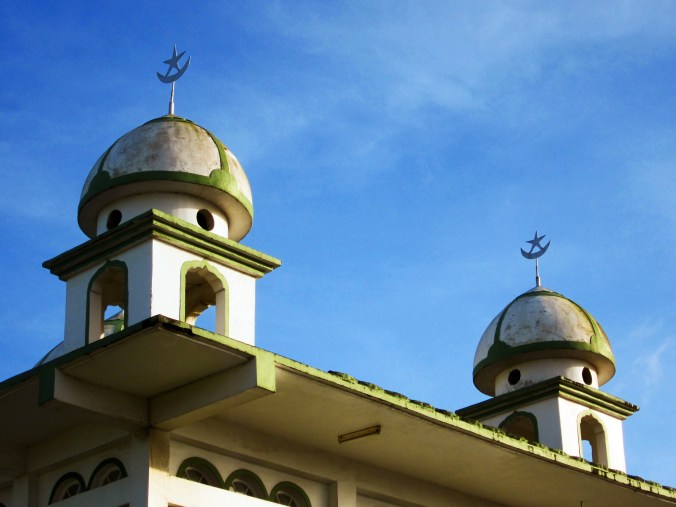
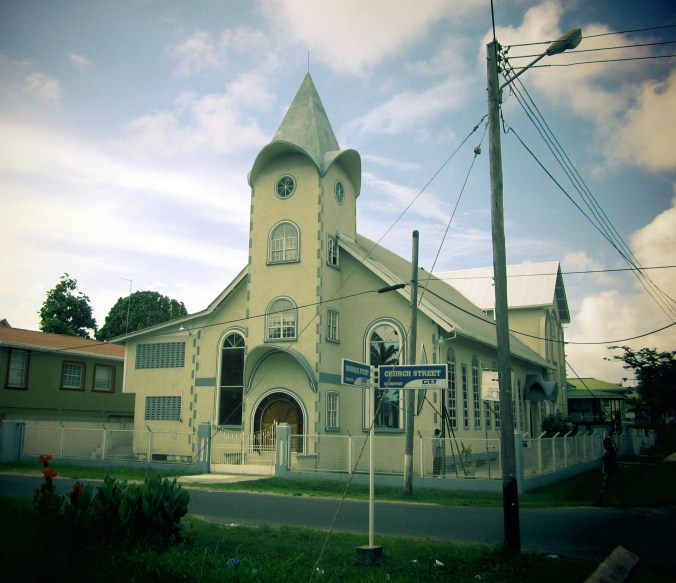
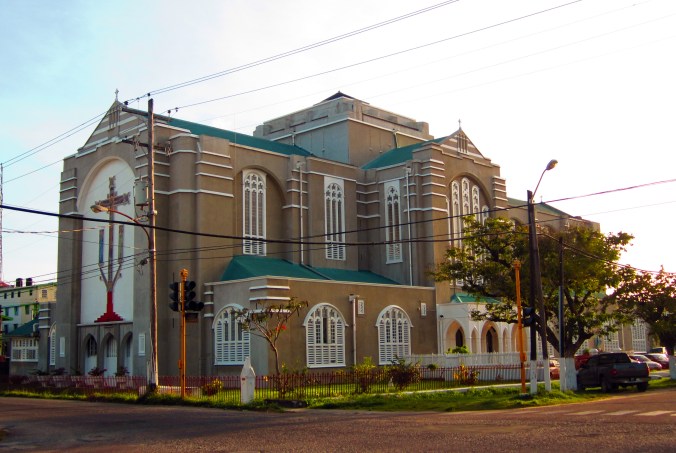
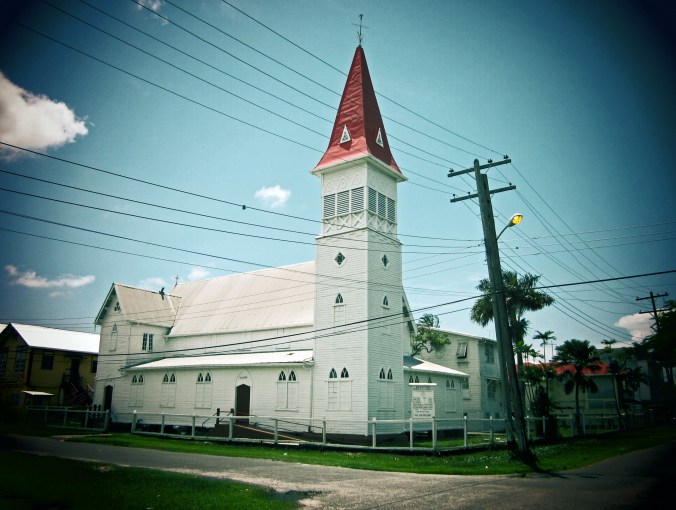
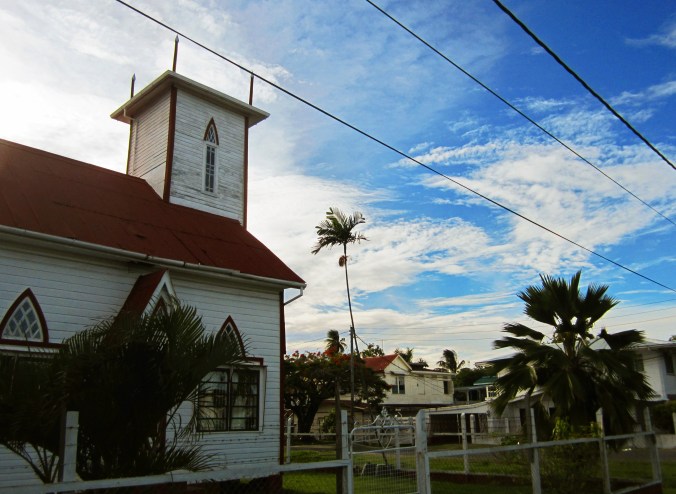
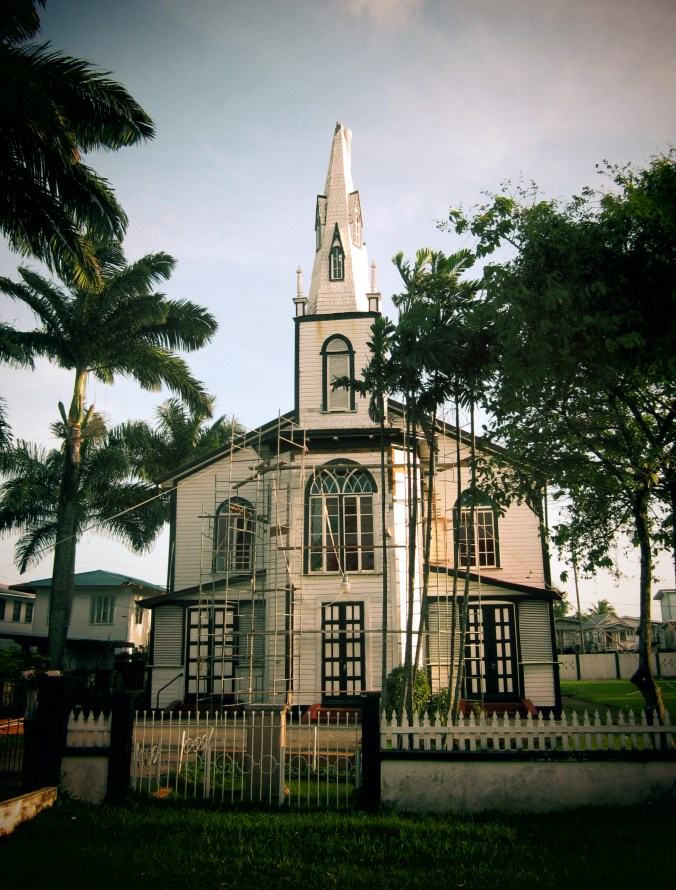
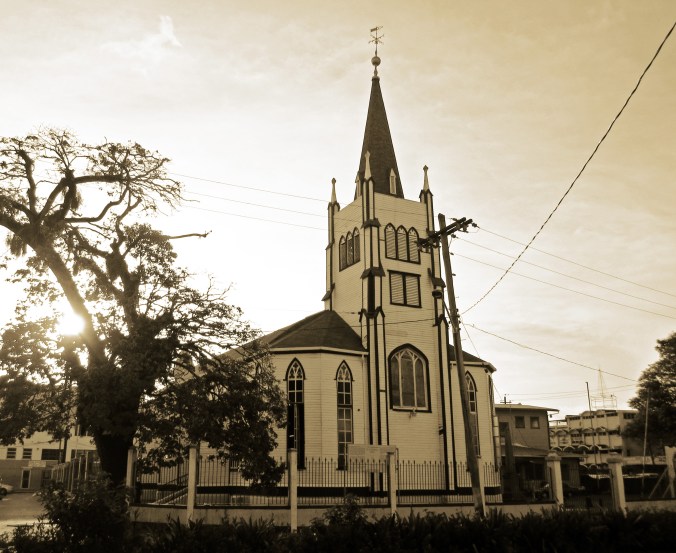
I’ll begin with the most followed faith in Guyana. It is estimated that 57% of the population are Christian, of which various denominations are present.  Below is a selection of images showing the churches of varying shapes and sizes across Georgetown, most of which were built during colonial administration and therefore possess a significant degree of historical and architectural charm.


St George's Cathdral, Georgetown


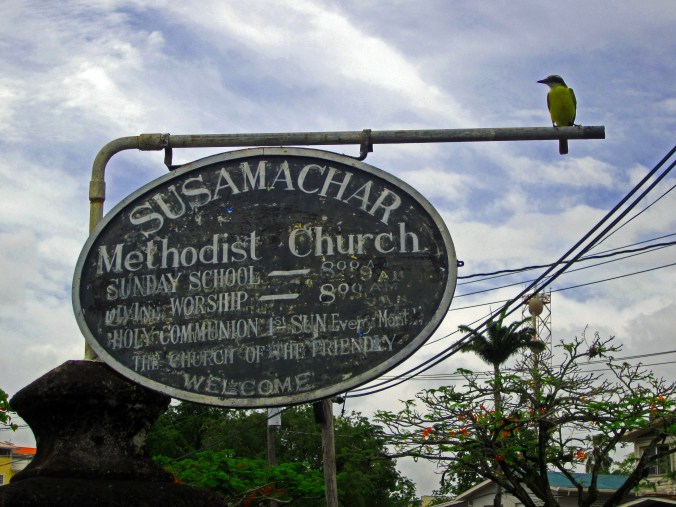
Susamachar Methodist Church, Georgetown

Susamachar Methodist Church, Georgetown


Susamachar Methodist Church


St George's Cathedral, Georgetown

St George’s Anglican Cathedral, Georgetown


Christ Church


Smith Memorial Church, Georgetown

Smith Memorial Church – built in 1844


St Andrew's Kirk

St Andrew’s Kirk, Presbyterian Church – The oldest building in Guyana, built in 1818.


Brickdam Cathedral

Brickdam Cathedral (Cathedral of the Immaculate Conception) – built 1920s


Queenstown Moravian Church


Burn's Memorial Presbyterian Church, Georgetown

Burn’s Memorial Presbyterian Church, Georgetown


Hinduism

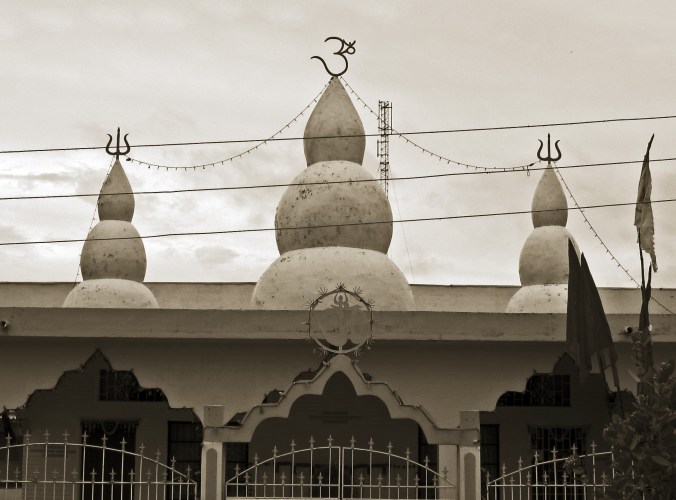
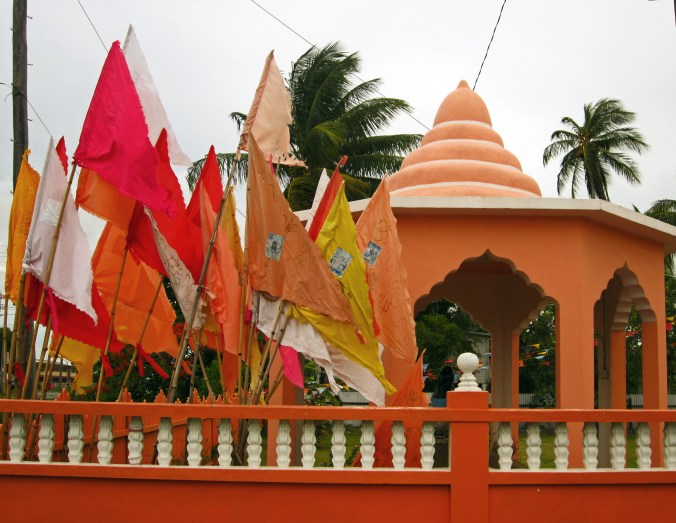
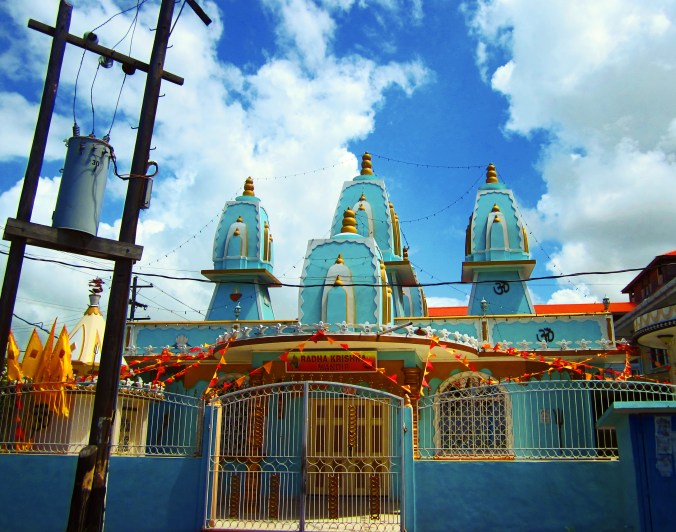
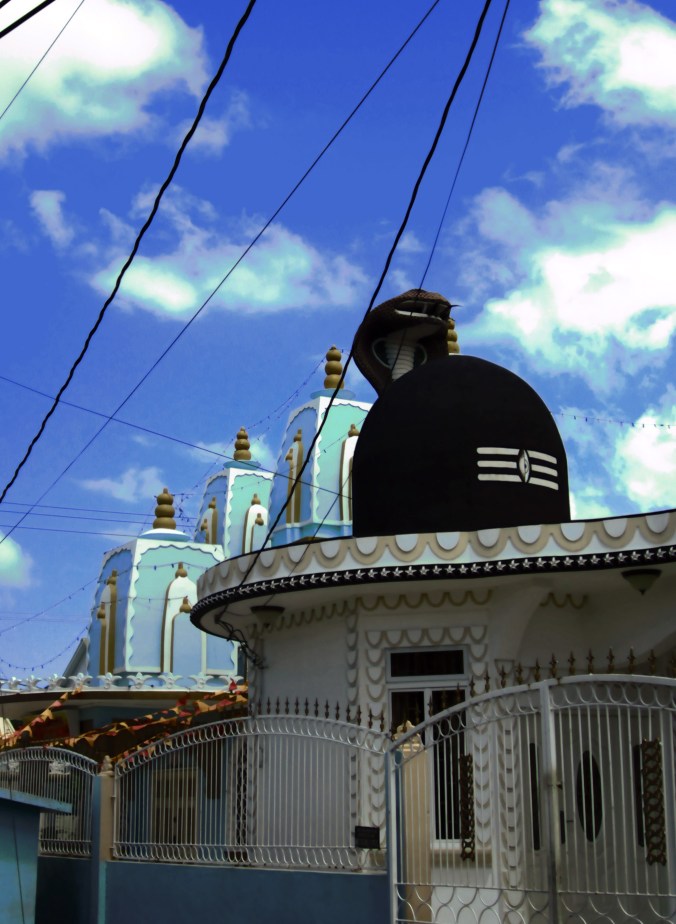
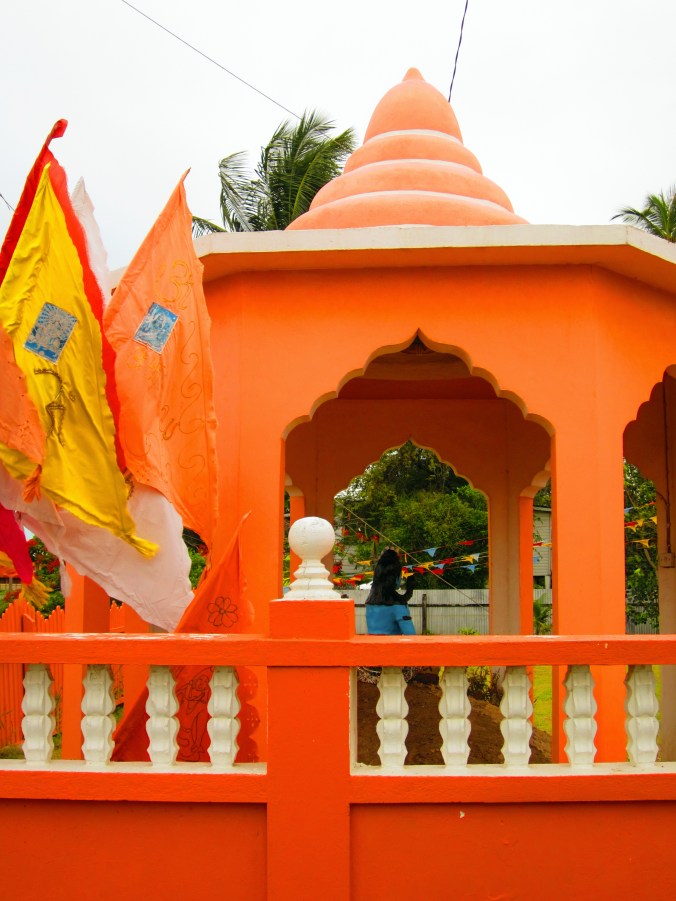
Hindus account for 28% of the population, with the presence of Hinduism a result of the vast numbers of Indian immigrants brought to Guyana in the colonial era. Below are photos taken at temples across Georgetown.


Cummings Lodge/Industry Mandir

Cummings Lodge/Industry Mandir, Georgetown


Central Vaidik Mandir

Central Vaidik Mandir, Georgetown


IMG_4291


Radha Krishna Mandir

Radha Krishna Mandir, Georgetown


IMG_4216


IMG_4283


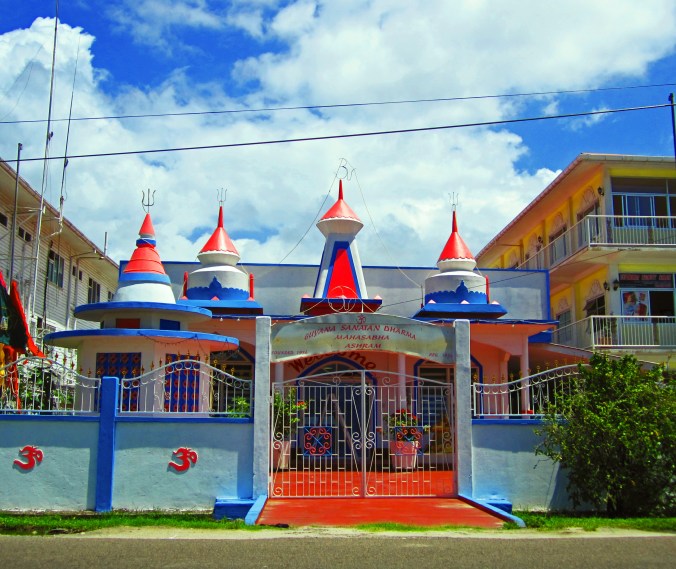
Guyana Sanatan Dharma Mahasabha Ashram

Guyana Sanatan Dharma Mahasabha Ashram, founded 1934.


Islam

The exact root of Islam in Guyana is debated. It’s quite possible that it first arrived with a number of the West African slaves. It’s also widely accepted of course that like Hinduism, the presence of Islam is a direct result of 19th century immigration from India.

The first three images below show the new Queenstown Jama Masjid. The original was built in 1895, but succumbed to old age in 2007 and was dismantled. Upon completion it will once again sit proudly as the biggest mosque in Guyana and will be a place of prayer for much of the city’s Muslim population. It sits literally right behind my house, and I have watched its growth with great interest. When I first arrived it was merely a shell, but 10 months on it’s nearing completion and will certainly be a grand structure when finished.

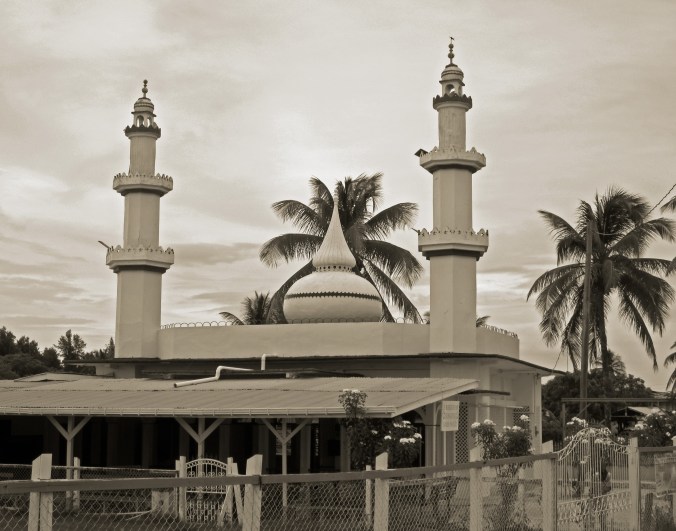
Below this are images taken at other mosques across Georgetown. I’m always more intrigued by the role of Islam in society here, and I think this stems from my time in Bangladesh.


Prashad Nagar Masjid, Georgetown

Prashad Nagar Masjid, Georgetown


Prashad Nagar Masjid, Georgetown

Prashad Nagar Masjid, Georgetown


Queenstown Jama Masjid

Queenstown Jama Masjid


Prashad Nagar Masjid, Georgetown

Prashad Nagar Masjid, Georgetown


Queenstown Jama Masjid

Queenstown Jama Masjid


Queenstown Jama Masjid

Queenstown Jama Masjid


Prashad Nagar Masjid, Georgetown

Prashad Nagar Masjid, Georgetown


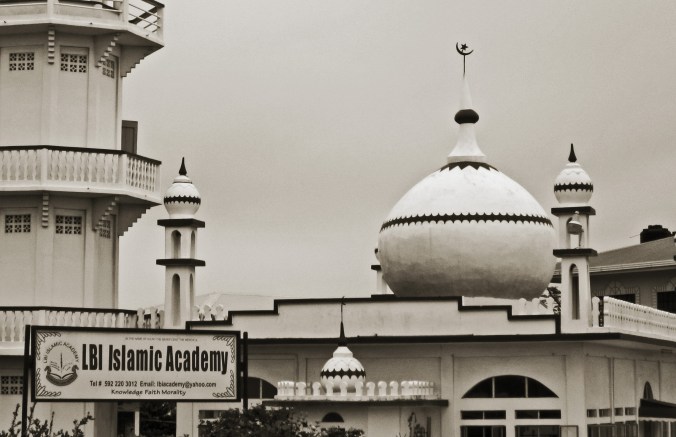
LBI Masjid

LBI (La Bonne Intention) Masjid


So there you have it, a selection of places of worship, which are dotted across Georgetown, some of which bear a connection to a bygone era when the foundations of religious faith were being laid in Guyana. My impression has been that generally speaking this is a spiritual society, signified by the vast array of ‘houses of god’, which vary in shape and size.  Within one square mile of my house I believe there are at least ten different places I could visit to connect with god, if I were so inclined. I would therefore hazard a guess that there are at least fifty across the whole of Georgetown.

I could of course have delved much deeper into this subject area, but I was more interested in capturing and presenting the distinctive religious architecture that is displayed right across Georgetown. I am also pretty impressed by the manner in which religious respect seems to maintain a sound level here. Considering you have three significant world religions coexisting very openly side by side in such a concentrated area, maybe other places across the world could learn a few lessons on religious tolerance from Guyana.

Two Years Through a Lens


Today (Tuesday, 9th April 2013) is a bit of a milestone for this blog. It’s exactly two years to the day that I published my first post on this site.

Well, here we go again

It has certainly been two years packed full of discovery and adventure, and I hope my posts have given you a decent insight into some of this.

However, rather than sum up the past two years in words, I decided to choose my ten favorite photographs captured during this period, as images often have the ability to say a great deal more than words. So here goes, organized loosely in date order;


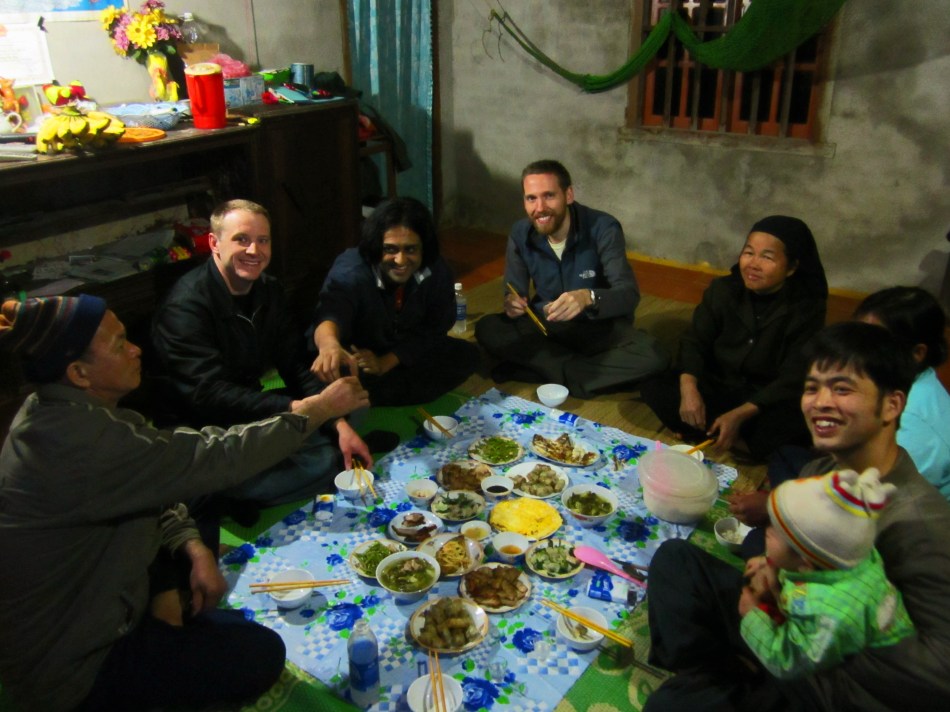
1. BaBe District, Vietnam

I chose this photo as it sums up the joy of traveling in so many ways. The new experiences, the unfamiliarity, the necessity of embracing a culture, the laughs, the friendships (old and new), the wonderful food, and often most important of all, the warmth and hospitality of the the people you encounter.


2. Hanoi, Vietnam

I love this place. I met some great people, ate some delicious food, and weaved my way precariously through the intense army of bikes and scooters that fill the roads. This photo was taken whilst I sat at a coffee shop one day. The city just felt so vibrant and full of energy.


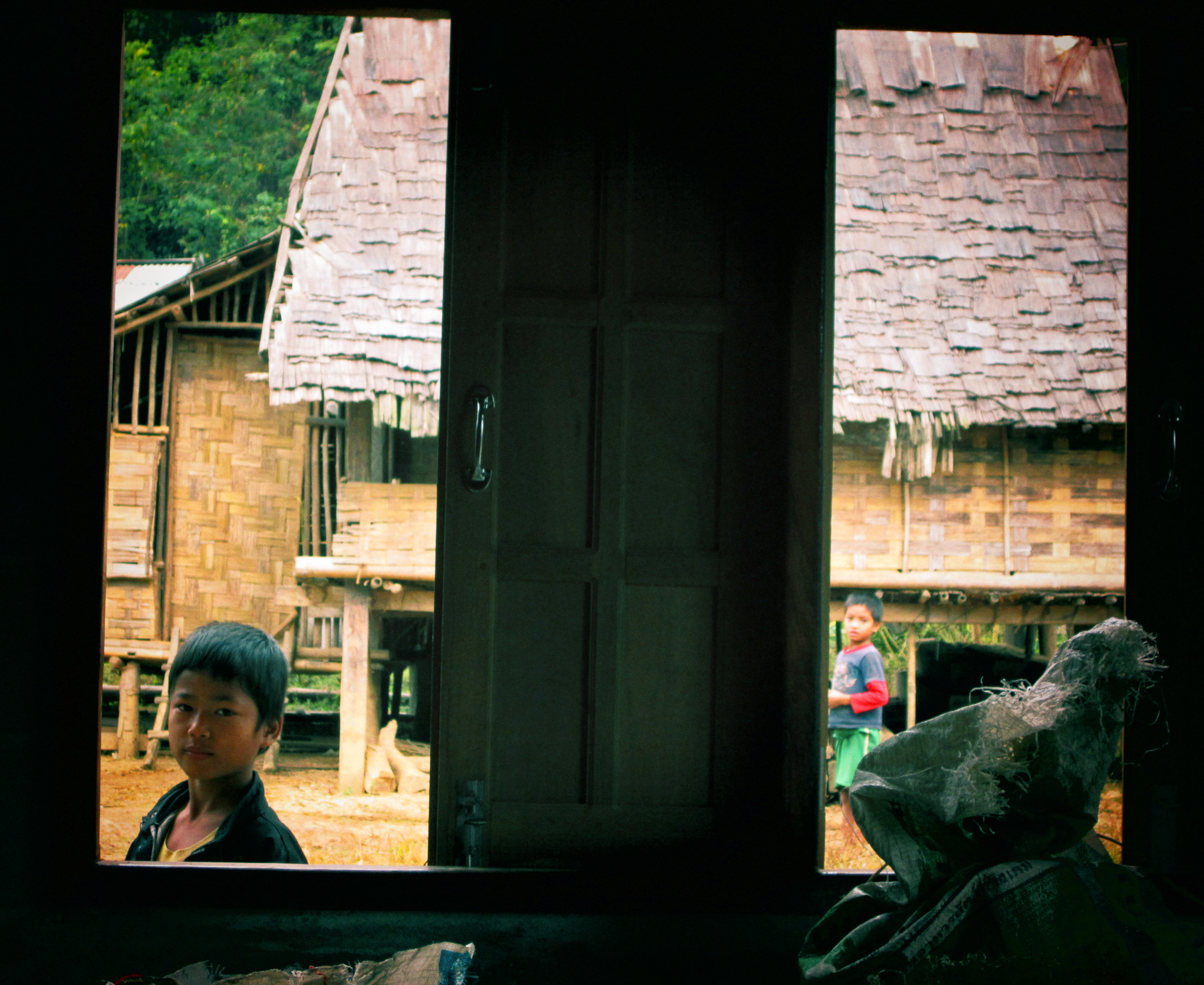
3. Xayabouri, Laos

Taken during a homestay in Laos, many of the kids in the village had peeped timidly through the window to catch a glimpse of the strange foreigners inside the house. Fortunately this boy was braver than the rest and hung about long enough for me to capture this image.

Xayabouri, Laos

4. Chittagong, Bangladesh

One of my favorite photos from the city that became my home in Bangladesh. There is so much joy and expression in these faces, and what I appreciate most about the photo is the fact that each person is looking in a different direction, with the boy in the middle looking straight at the camera.

Chittagong, Bangladesh

5. Kolkata, India

One of the first photos I took on a lone trip to India. It’s a favorite of mine due to the contrasts. Kolkata is a city full of history and tradition, yet that little ‘m’ to the bottom right speaks volumes.


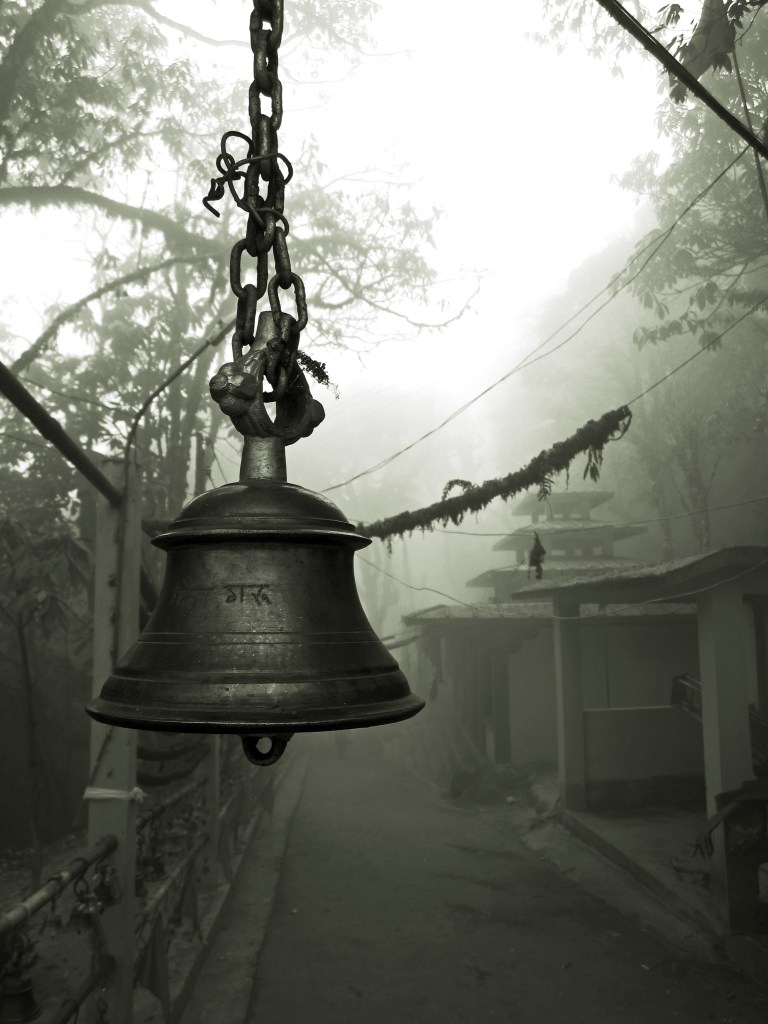
6. Darjeeling, India

Taken high up in the hills of Darjeeling, northern India, I remember being captivated by the peace and serenity of this place. Having hiked with my guide for most of the day we came across a small Hindu temple. The mist engulfed us and the area seemed deserted. It gave the impression of being so very far away from everything else in the world.


7. Banskhali, Chittagong District, Bangladesh

This was quite a day out, and I was lucky enough to capture this photo towards the end of the day which made the whole trip even more worth it. This man was the Hindu devotee at a local Charak Puja religious festival.


8. Rajshahi, Bangladesh

The waterways of Bangladesh provide a great deal to so many Bangladeshis. They are often a hive of activity, but one early evening here in Rajshahi I was taken by the tranquility of the riverside.


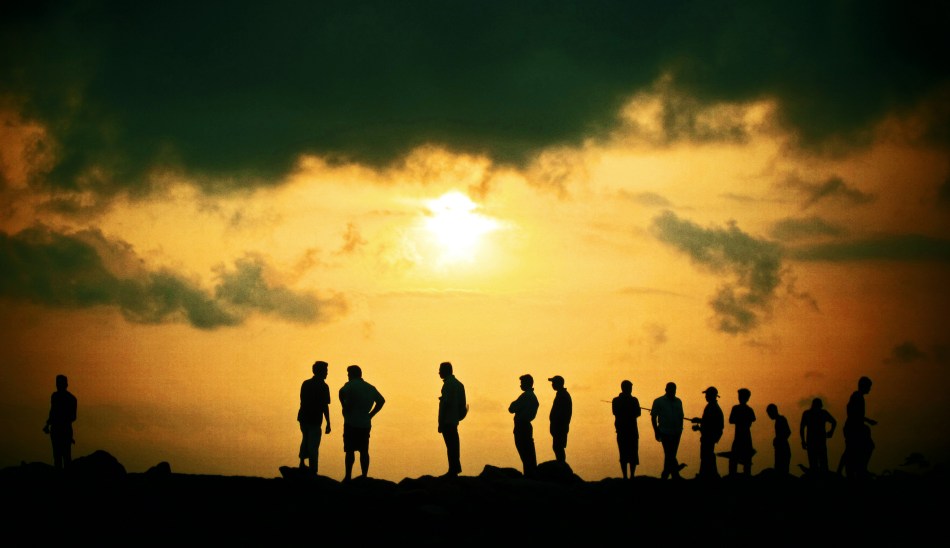
9. Colombo, Sri Lanka

Sunset on the beachfront in Colombo was pretty spectacular. I spent a long time watching the sun descend over the ocean and also this group of men fishing and chatting vociferously.


10. Cox’s Bazar, Bangladesh

One of my favorite locations in Bangladesh, Cox’s Bazar has provided many great moments and images. However, the afternoon spent watching the fishermen was a highlight, and this particular photo a favoorite of mine. A father and his young son working as a team to provide for the family, dipping in and out of the waves, they seemed happy to let me follow them for 10-15 minutes.


So there you have it. Ten images that stood out for me and sum up two years of travel and new experience. I have no idea what the next two will bring, but I know I will be armed with my camera at all times!

Okay, I’m going to cheat a little here, but I couldn’t end this blog without choosing a favorite photo from Guyana. It was hard to choose, but I think this one edges it. Taken from the window of a small plane on the way to visit some of my volunteers in Port Kaituma (a small town in the north of the country), it really did provide me with a first view of just how uninhabited and wild parts of this country are!

Guyana

108 Battles (of the mind)

The Running Game


I’ve written this blog in my head on many occasions in the past couple of weeks. Of course, now that I sit down to document all of those words that seemed to come so effortlessly at the time, they have retreated to a dark, cob-webbed, inhospitable corner of my brain, joining other subjects such as GCSE Science, how to iron a shirt effectively, and anything related to Plymouth Argyle success stories.

Anyway, for the previous two months now I’ve been running…quite a bit. The motivation for which came from multiple prompts, but in short it is down to a combined drive to lose weight, and to develop a healthier body and mind…..blah, blah, blah, etc, etc. Thus, in this blog post I’d like to share my insights on the mental torment, but ultimate joy that running brings, and the intricate battles that can leave you teetering on the edge of abject failure, or a warm sense of achievement. The reason I’ve written this post in my head so many times is due to the fact as I go round and round the park, lap after lap, I try to divert my thoughts towards anything but the run.
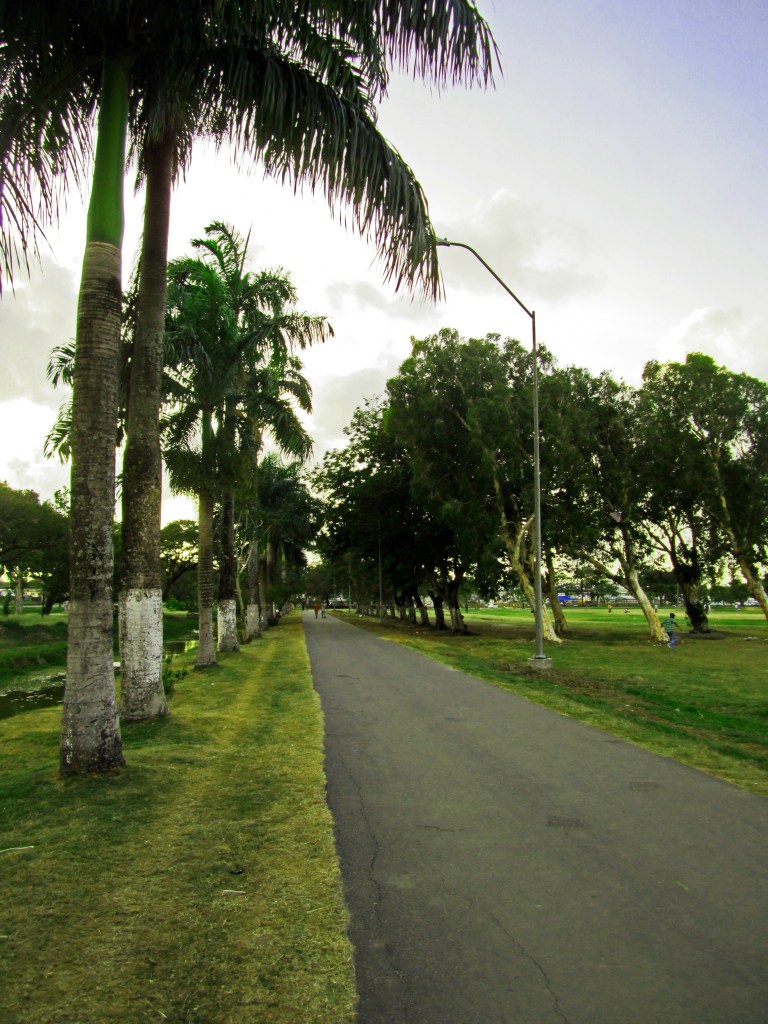

National Park, Georgetown


Now, I know what you are thinking – this new regime merely represents a temporary new year’s resolution-style commitment, which begins with an all guns blazing Mo Farah-esque dedication to pounding the pavement, and ends as quickly as it started with the disgraced sight of me sobbing into my Banks beer and whining about how I’ll never get fit!

However, so far after a few weeks of avoiding alcohol as much as possible (like Prince Harry avoiding the paparazzi at a costume party) and a dedicated program of running at least four times a week, I am currently beginning to reap the rewards, albeit slowly. I started modestly, managing just two laps of the nearby National Park here in Georgetown, and they weren’t easy laps. In the unrelenting Guyana climate it felt as if the heat was singeing my lungs and the ground gripping and clinging to my ankles. It is one mile from my house to the park, and each lap is also a mile in total. So, at that stage I was struggling to complete three miles.

Initially I began by running in the mornings at 5.45am, but that plan soon failed due to the fact I struggle to function without a cup of tea. I moved the runs to the early evenings and a couple of weeks ago, as the sun began to set over the park, and the guards prepared to lock the gates for the evening, I completed my seventh lap and mile eight of the run. Whilst taking great satisfaction in that moment, I think what pleased me more was the fact I didn’t collapse into a heap as soon as I exited the gate, but realised there was still some energy in the lungs.

I have run a little in the past, completing several half marathons, but I think this current period is the most consistently I’ve ever committed to it. Also, my previous running experiences took place in the UK, and running in the humidity and heat of Guyana presents a new challenge.


National Park, Georgetown


I’ve been reminded in recent weeks that the mental battle is far greater than the physical. So many factors unite to convince your brain that running is the most ludicrous idea in the world, and you are far better sitting in a chair, drinking tea, and reading a book. Conquering the urge to shut down and do nothing, as opposed to running has been a challenge at times.

During the working day my attitude to the impending post-work run fluctuates more erratically than Zimbabwean inflation. One moment I can’t wait to free myself from the computer screen, plug in the iPod and enjoy the early evening sun, and the next minute my legs feel like lead, and I convince myself I haven’t taken in enough fluids that day and if I run I’ll collapse in a heap and melt. I have found though that there are two main factors which have helped me edge the battle so far;

1. The Running Playlist

In recent weeks I have been reminded of the magnitude of the perfect running playlist. The monotony of each lap would be too much without music. Getting your playlist right can propel you, but getting it ever so slightly wrong is a jogging calamity. I haven’t yet quite perfected it. I’m often close, but there are always one or two rogue tunes that simply don’t work on a running playlist and thus completely upset the applecart (the applecart carrying my mental strength).

Presently one particular song causes a confusing mix of humour, suppressed rage, minor insanity, strained vigour, and sporadic muscle spasms (but not necessarily in that order). It’s also a song that proved to me once and for all that I’m a little odd. I’ll verify this (not that I need to I hear you cry) by revealing here and now that about fifteen minutes into my running playlist comes ‘Zorba the Greek’ performed by the ‘Flying Dutchman’ – Andre Rieu. That’s right, quite possibly the worst song that could ever appear on a running playlist, it’s ridiculous. The song is wonderful of course…if you’re sat in a little Greek taverna supping red wine and eating moussaka. However, when you’re desperately attempting to establish some flow and rhythm in the early stages of a run it’s a complete nightmare! The fact is though I can’t delete it; because you see, what I have noticed is despite it completely ruining my stride and breathing, it makes me smile, pure and simple. At a make or break point when I’m usually on the cusp of succumbing to the heat and a complete lack of willpower, it pushes me on by actually making me take the run a little less seriously and diverting my thoughts away from the struggle.

Other songs interspersed on my running playlist, which also perform this task (but also confirm my weirdness) include ‘Ra Ra Rasputin’ by Boney M, ‘Come on Eileen’ by Dexys Midnight Runners, ‘What is Love’ by Haddaway, ‘Delilah’ by Tom Jones, and ‘Surfin’ USA’ by the Beach Boys. I should be chronically embarrassed by all this, but sometimes I think you get to a point in your life when it’s too late for that…especially when the whiteness of my legs is a far more obvious and immediate embarrassment when running in the park here. I’m officially the man who cannot tan.
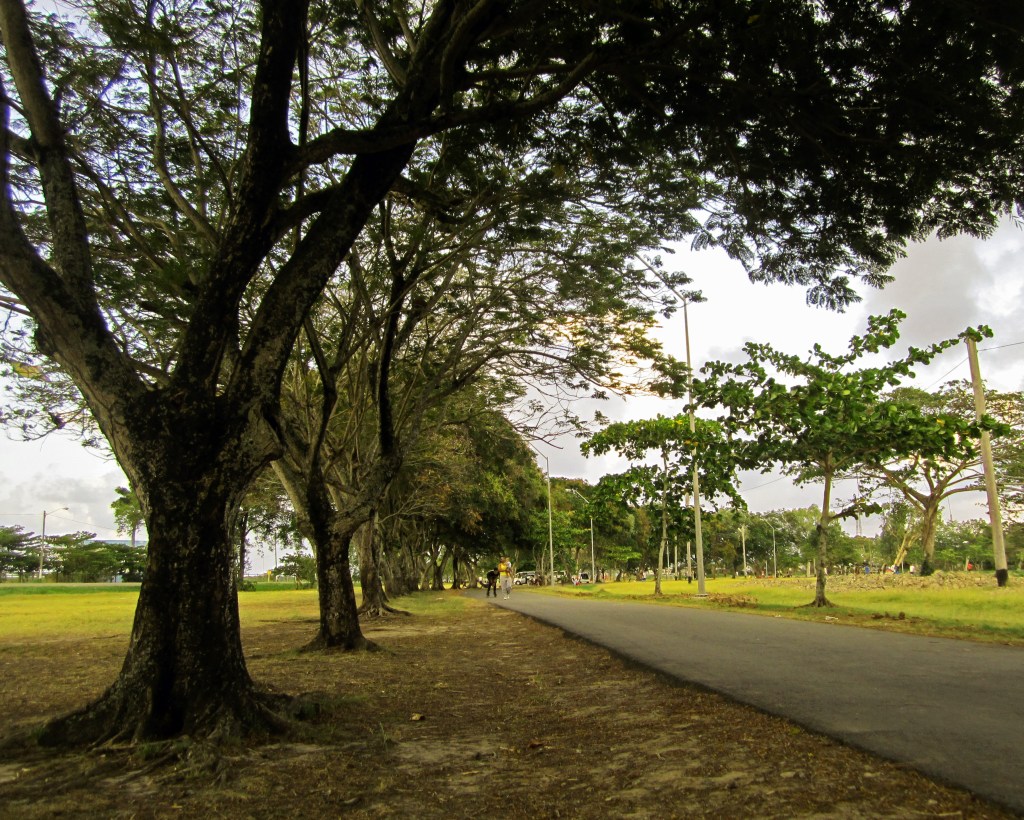

National Park, Georgetown


2. Fellow Runners

I hadn’t realised how important it is to have fellow pavement pounders around me when I run. There was a day a few weeks back here in Georgetown when the heavens opened and the wind whipped in over the seawall into the park. I decided to run anyway given that it at last seemed the perfect temperature for exercise. Upon arrival I found the park to be empty, not a single soul visible. I scoffed a little at the fair-weather attitude of the other park-goers and felt a little smug that I was there, laughing in the face of the wind and rain. Two laps in and the laughter had gone, the smugness had slinked away through the gate, and I was struggling severely with motivation. I soon realised that it was because I was not surrounded by other runners. I had no inspiration, no one to compete against, and essentially no one to drive me on. Not even Zorba the Greek or Boney M could propel me this time.

I struggled through the run and that evening I thought about just why it had been such a battle in the empty park. It may sound ridiculous, but I concluded that in the previous weeks I had gained a very certain familiarity with not just the park, but even more crucially its regular visitors. Running lap after lap is a monotonous and sterile exercise. However, the faces you pass make it interesting. They become familiar, and thus, reassuring. You begin to reason that surely if other people are doing this it must be logical.

Then there’s the facial expressions and gestures which become commonplace. There are several fellow runners who over the course of the past few weeks have developed from complete strangers to several different stages of relationship (in this order),

1. Glancers
2. Timid grinners
3. Broad smilers
4. Timid grin head nodders
5. Broad smile head nodders
6. Broad smile, head nod and eye rollers (in a manner which evokes the emotion ‘here we are again!’)
7. Tennis invites (the other day a man invited me to play tennis with him!)

During one run I was stopped mid lap and asked if I wanted to join a group of people for a beer and some freshly baked fish, and another day I was stopped by a very friendly and interesting American chap who completely ruined my run, but had some great tales about his life in Africa. I’ve even on a couple of occasions seen fellow runners outside of the park going about their normal lives, and we’ve struck up conversation. It always begins with confused looks at each other and then it clicks – we know each other from the park. I had wondered if one day I’d meet my future wife during one of my runs, but soon reminded of the whiteness of my legs, I let this ambition fade!

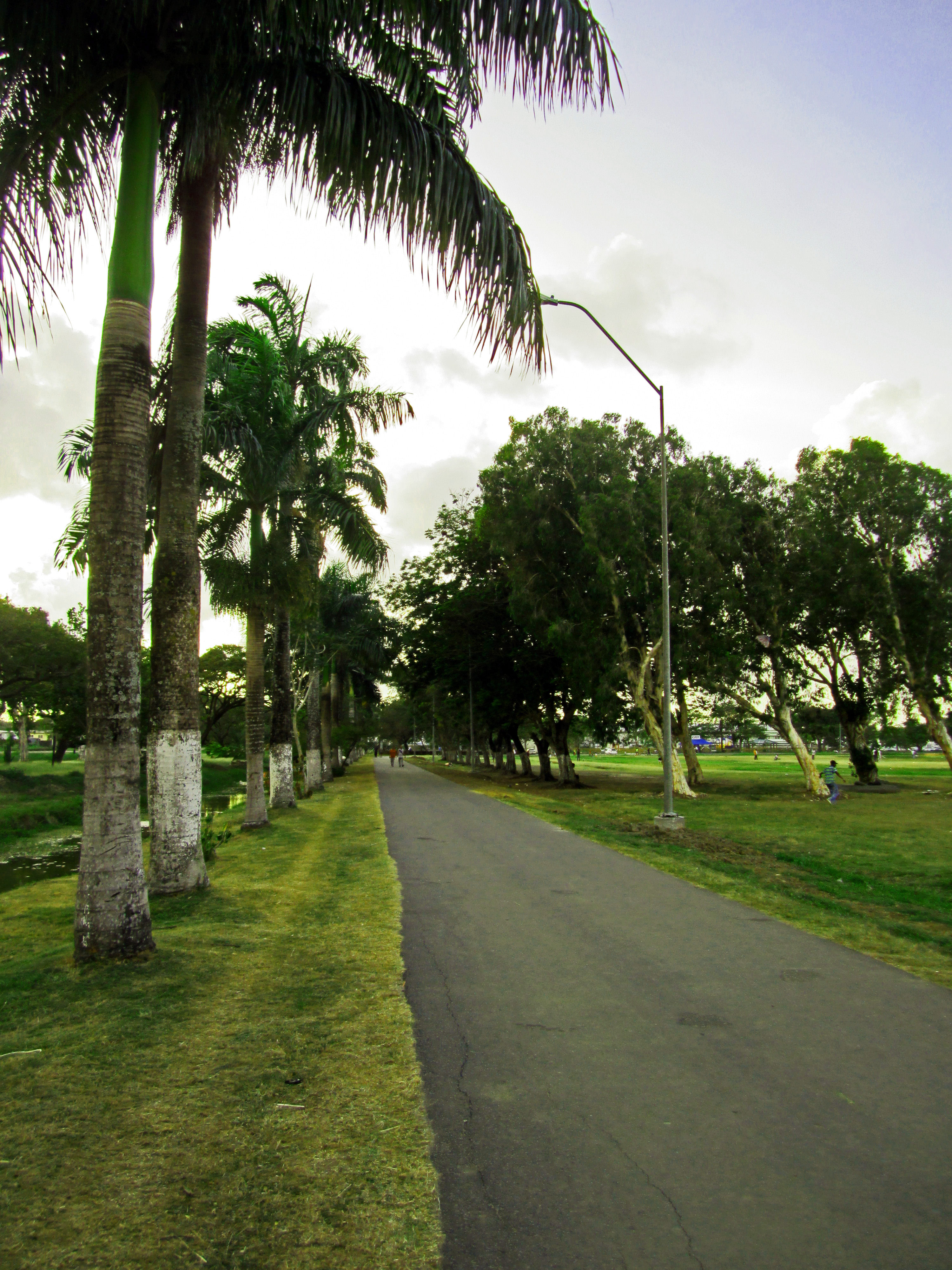
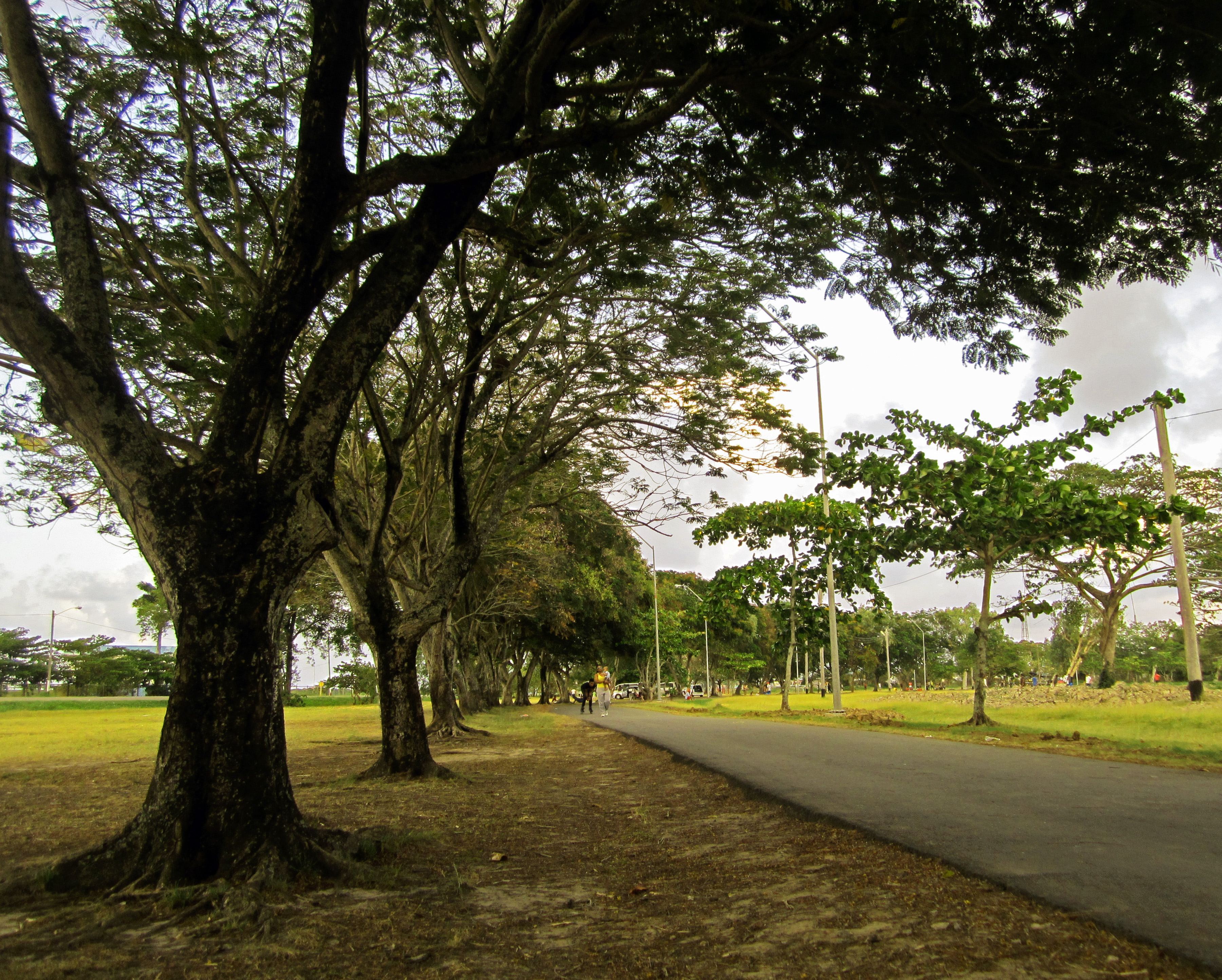
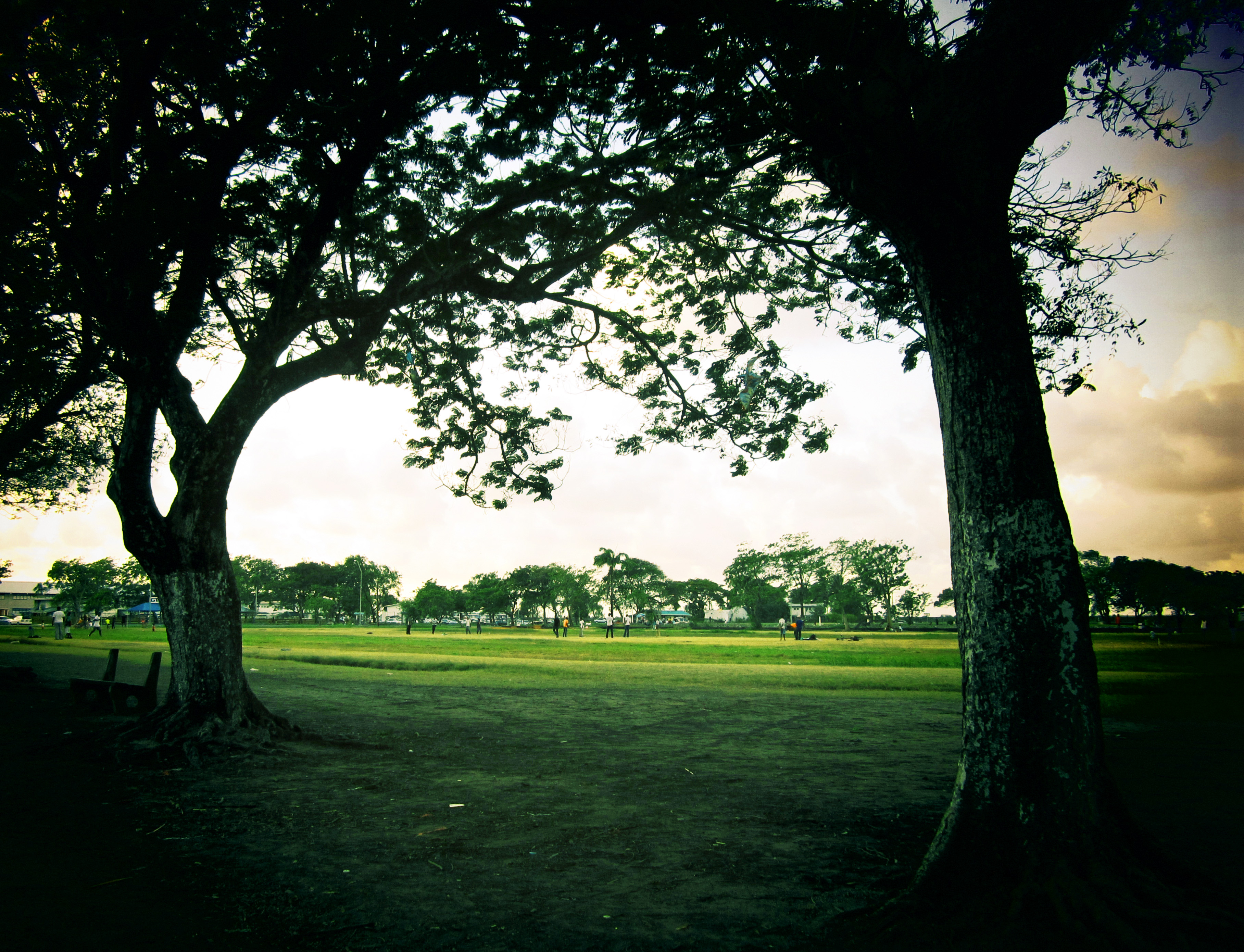
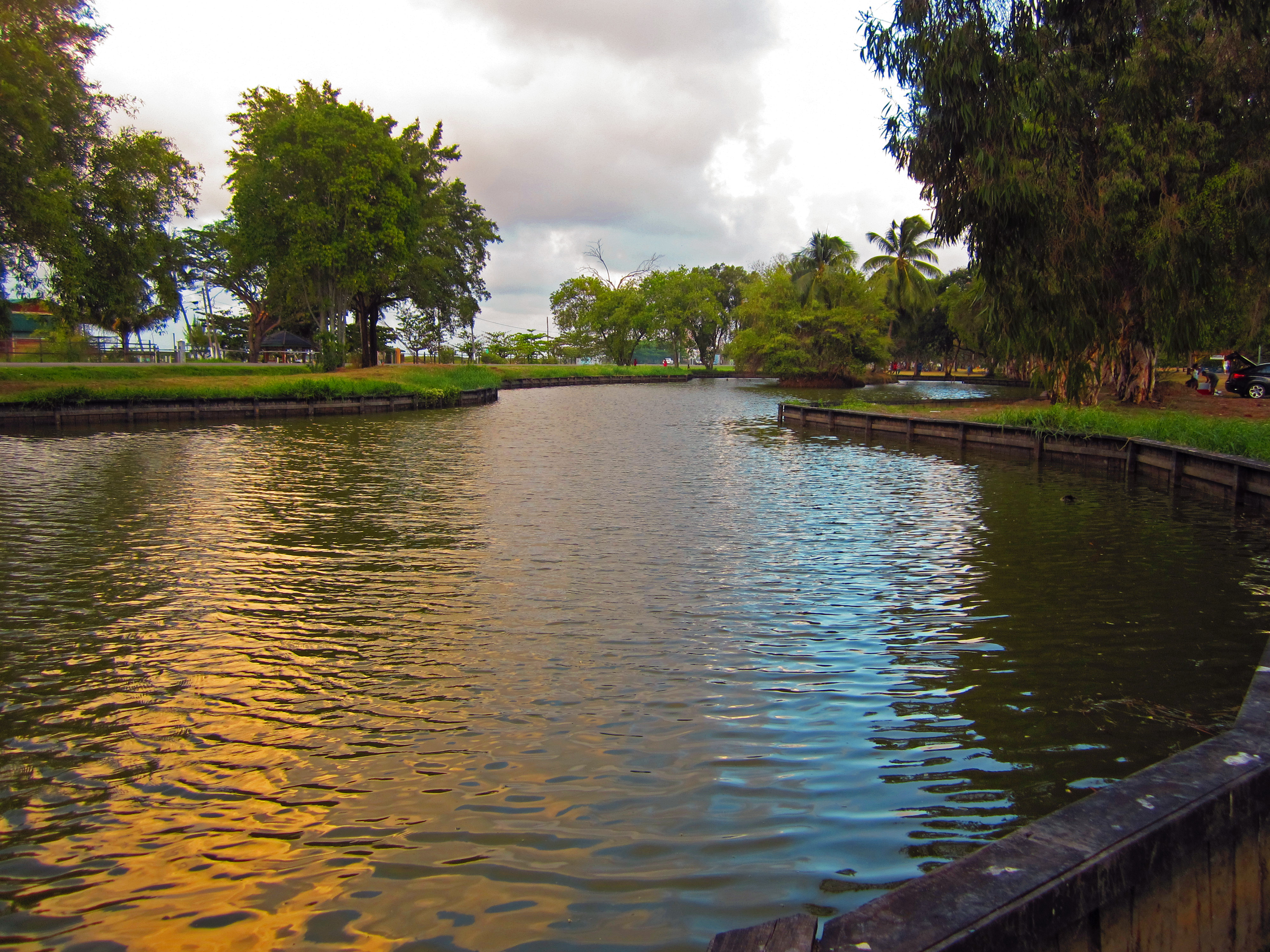
Despite running very regularly for almost 3 months now, it still presents an up and down journey of mental torment. Some days the run flows by in a breeze, other days I vow never to go again. One day I don’t think I ate enough and literally thought I was going mad as I felt light-headed and almost as if I wasn’t quite there mentally! However, on most occasions now I am able to transform the endless monotony of the continuous laps into an almost peaceful content monotony. It does also help a great deal that the park is a picturesque location, as hopefully the accompanying photos testify.
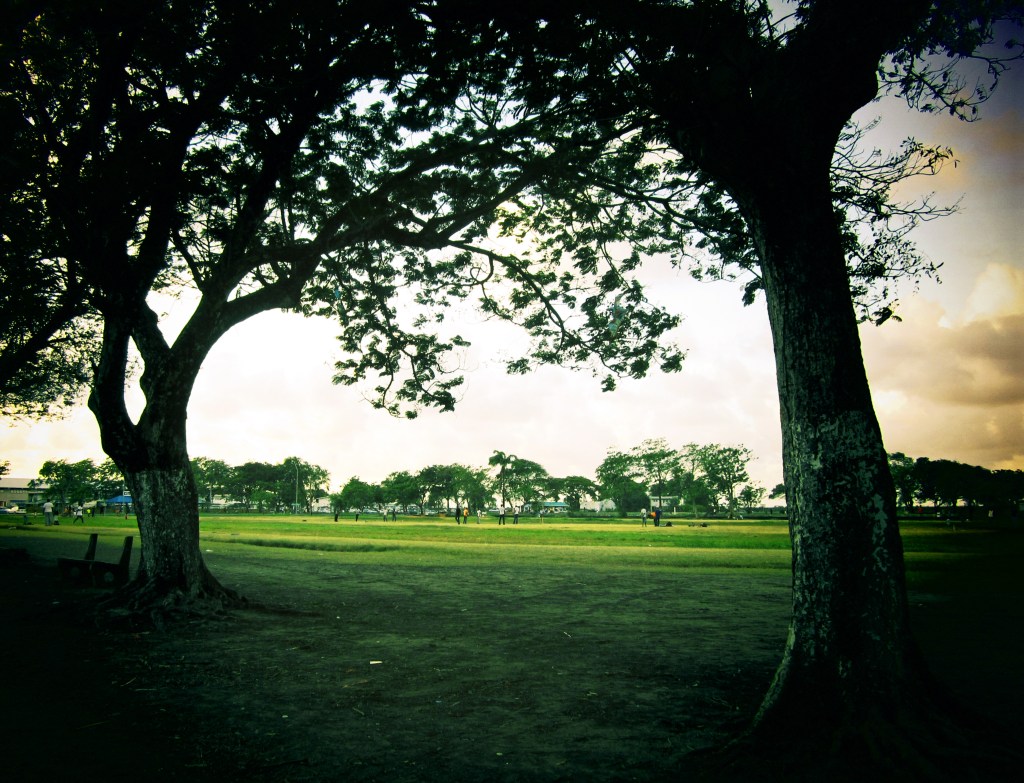

National Park, Georgetown


I always walk home from the park to warm down and it’s at these moments I feel at my most positive at any point during the day, which does prove (to me at least) that exercise can have such a decisive effect on your mental wellbeing.

The title of this blog post is a song by Kula Shaker, which incidentally is not on my playlist, but I feel it sums up my relationship with running perfectly.


National Park, Georgetown


Wild and Precious Life

I’d like to take this opportunity to share a wonderful project initiated by two great friends of my family. ‘Wild and Precious’ was created by Liz Scott and her husband Stuart. Combining a wide ranging set of skills developed through their respective jobs, they have dedicated this corner of the internet to documenting and presenting the stories of ordinary people who have very different tales to tell. The collection of short films is a growing mission and they are all wonderfully produced.

Last summer I was very honoured to be asked by Liz and Stuart if I would be interested in discussing my experience in Rwanda. I jumped at the chance as I had never done anything like this before, and I was really thrilled to see the fruits of their labour a few days ago. You can view the short film here;

John’s Journey to Rwanda

I was especially humbled that they asked me, given the nature of the other stories they have documented previously. I hope you enjoy viewing their films, and I’m excited to hear the stories recounted on their website in the future.

Their project is inspired and named in recognition of a poem by Mary Oliver, entitled ‘The Summer Day’.

Who made the world?
Who made the swan, and the black bear?
Who made the grasshopper?
This grasshopper, I mean-
the one who has flung herself out of the grass,
the one who is eating sugar out of my hand,
who is moving her jaws back and forth instead of up and down-
who is gazing around with her enormous and complicated eyes.
Now she lifts her pale forearms and thoroughly washes her face.
Now she snaps her wings open, and floats away.
I don’t know exactly what a prayer is.
I do know how to pay attention, how to fall down
into the grass, how to kneel down in the grass,
how to be idle and blessed, how to stroll through the fields,
which is what I have been doing all day.
Tell me, what else should I have done?
Doesn’t everything die at last, and too soon?
Tell me, what is it you plan to do
with your one wild and precious life?

In many ways the final two lines reflect perfectly why I continue to write on this blog. I’ve been incredibly fortunate to have been on this journey, and my way of acknowledging this is by documenting it through words and images.