The People You Meet


Travelling – it’s all about the journey. All about the spectacular places you see, the food you eat, the fear and excitement of the unknown and the cultures and customs you experience and are often invited into. You click frantically in a desperate attempt to capture as many memories as possible, and if you’re like me, you try to keep notes and write about the unique, random and sometimes bizarre moments that will no doubt occur at regular points throughout the journey.


However, during my most recent trip to Rwanda and the DRC (Democratic Republic of Congo) it dawned on me that one of the most important aspects of my travels and time abroad has been the people I’ve met, and crucially, the things I’ve learned from each and every one of these people. I have come to realize this cannot be underestimated or overlooked in regards to its value, relevance and impact.


International travelers inspire. Their sense of adventure and courage in the face of the unknown is at times baffling, but more often than not, totally energizing. They are often brave, curious, open, and unafraid to try new things, unburdened by logistics, and often equipped with a sharp and equally patient sense of humor. Those who travel live for the moment and instead of asking “Why?” the question is usually “Why not?”

Some may remark it is an irresponsible and risky existence, but I would say the outcomes of these risks are moments that will stay etched in the memory for a lifetime. From my personal experiences during my explorations I have encountered all manner of personalities, and this has undoubtedly been paramount to my own personal growth. It has inspired me to do things I had probably never before considered.

I have become more open and confident in meeting new people and more eager to strike up a conversation. My willingness to try new things has known far fewer bounds in recent years, and whilst I try my very best to be as careful and respectful as possible, I think the dive into the unknown is a truly formative experience.

At various points on my recent trip, I interacted and spent time with a group of people who truly emphasized the diversity and collective adventurous spirit of the international worker and traveler.

Firstly I reunited with three good friends who have all carved out their own individually international paths in recent years. Inga (from Norway) volunteered with me in Rwanda in 2010 and since then has gone on to spend an extended period teaching at an international school in Kigali. She has also spent time teaching in refugee camps in Lebanon (predominantly home to Syrian refugees) and is now about to begin a PhD at Oxford University researching education in refugee camps, which will once again take her to camps in East Africa and the Middle East.

Kirsty (from Canada) is a web designer and online entrepreneur currently based in Rwanda and responsible for this great website www.livinginkigali.com. She also travels extensively and a major part of this is dedicated to her work with disaster relief projects. In the past few years she has been to Haiti, Bangladesh, Malawi and most recently, Nepal as a volunteer for an organisation which sends volunteers to assist with work after major disasters (www.hands.org).

Finally Kim (from the US) is also a former fellow volunteer in Rwanda. Since our work together in 2010 she has lived in Bogota, Colombia and Dar es Salam, Tanzania and traveled a great deal during this time. It is safe to say that Kim has experienced some of the very real challenges of life in major international capital cities and has been a constant and reliable source of knowledge and advice during the past few years.

So, as you can imagine, the stories and experiences shared when we all came together were humorous, intriguing, eye-opening, but most importantly they provided a very real insight into a wide variety of life experiences and challenges.


We all signed up to hike Mount Nyiragongo in DRC and personally I was a little reluctant when the volcano hike was in the planning stages due to cost and risk. Eastern DRC is an area rife with extremely dangerous rebel groups that reside in the dense forests and often unleash brutal and devastating attacks on surrounding towns and villages. It is the reason why there are large numbers of UN peacekeepers based in nearby Goma.

In addition to that Nyiragongo is an active volcano, which last erupted in 2002 leaving the town of Goma covered and destroyed by lava. The people are still rebuilding their homes and lives today. However, with a bit of peer pressure and that adventurous spirit, I was persuaded to sign up for the hike. Why not?!


Also in our group for the volcano climb was Johnny from Ireland. Now if you want to hear stories about international adventures, Johnny is your man. He is currently on an 8 year mission to visit every country in the world. At the time of meeting him he was up to about 145 countries.

How does he fund this you may ask? Well, a few years ago he was in a 9-5 office job which he disliked. So, he set up a travel blog/website and once this gained interest and popularity, it quickly attracted advertisers and he realized this was a liberating and exciting way to earn money.

He recently celebrated breaking the $1 million mark for income generated by his online work. This is one of his websites; http://onestep4ward.com/.


The hike was tough, but chatting with Johnny and hearing his many stories from almost any country you can think of helped pass the time and keep our minds off the sometimes grueling ascent and knee-jerking descent.

At our hotel in Goma before beginning the hike we met Finbarr O’Reilly, an international correspondent and photographer, who was based in Africa when Mount Nyiragongo erupted in January 2002 and arrived on the scene the very next day. He has been visiting and working in the DRC ever since.

He has also spent time working in Afghanistan, Darfur, Niger, Somalia, Libya and many other challenging locations, which have exposed to him to some of the most emotionally challenging scenes you can imagine. This is his photography website http://www.finbarr-oreilly.com/.

We also shared a ride with Finbarr back from Goma to Kigali and in the car with us that day was Paul. Paul’s job is to work in conjunction with the US State Department organizing hip hop workshops around the world. The overarching mission of the project is to promote diplomacy, reconciliation and trauma relief among young people who have been affected by various challenges often due to war and conflict.

It was fascinating hearing about such a program and how it has achieved such positive results in a diverse set of countries to date. Paul has facilitated these all over the world and it was really very cool to hear about such novel and unique methods of providing assistance and support to young people across the world.

So, in the space of just a few short days I was able to speak with, and more importantly, draw inspiration from a fascinating collection of people. Our volcano hike group was truly international and this is what I love.

Of course, this is not solely reflected in this one specific trip. It has been the case everywhere I’ve traveled/lived, and it is one of the reasons the travel bug gets you. You never know for sure who you are going to meet, where they will be from or what their background is.

The one thing you can almost guarantee though is that whoever you cross paths with at that particular time will have a new story to tell, a new place to recommend and an ability to open your eyes to a new perspective that you may not have considered previously. And that I have found is priceless.


Four Years Through a Lens


Almost four years ago to the day I began my random musings on this blog. In that time it has evolved from a predominantly word-based account of travels and the daily life of living internationally, to (I hope) an increasingly image-focused reflection upon the diverse, distinct, and unique environments I am lucky enough to find myself in.


Two years ago I marked the second full year of this blog with a selection of images that captured the essence of that period.

https://johnstanlake.wordpress.com/2013/04/09/two-years-through-a-lens/

Two years on again, I would like to repeat this exercise with ten carefully selected images from the period April 2013 to April 2015, which are collectively some of my favorites from this time and provide a small glimpse into another two years of travel, exploration, and life as an expat.


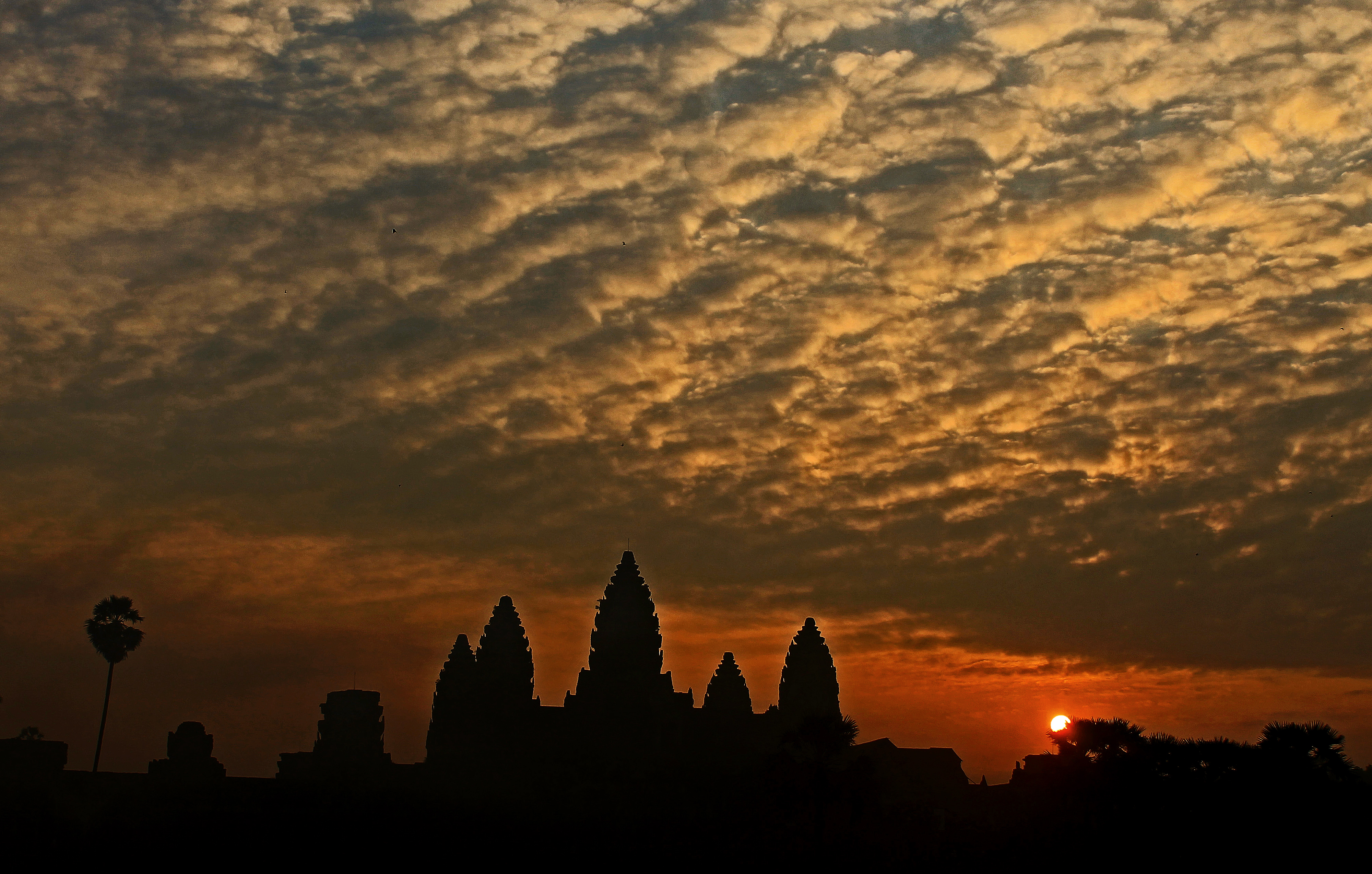
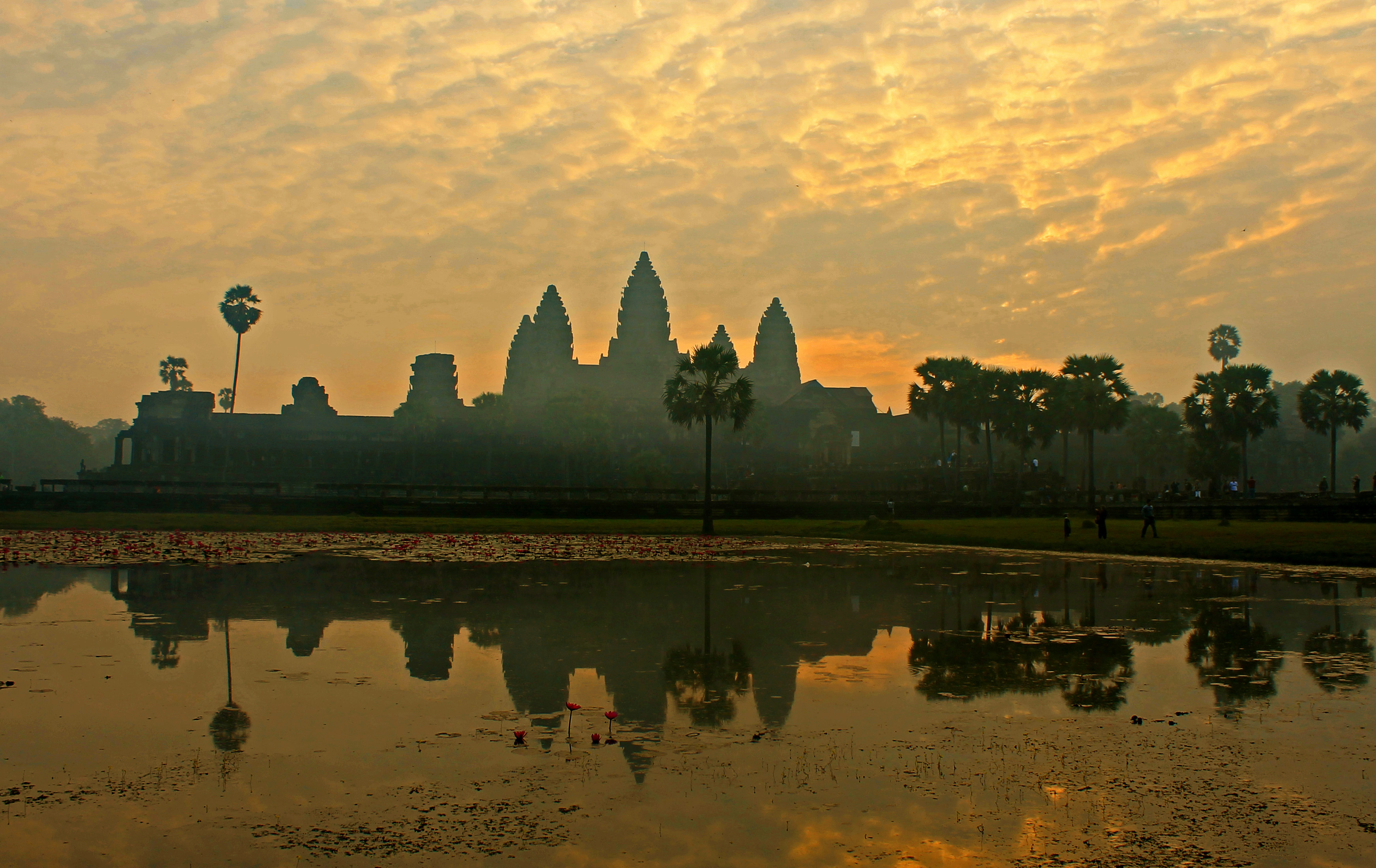
1. December 28th, 2013 – Angkor Wat, Cambodia

An incredible sunrise at one of the world’s most ancient and mysterious archeological sites. It is moments like this that make the cramped buses, early mornings, and days of unwashed clothes completely worth it.

John Stanlake_01926673013_Angkor Dawn_02_Silhouette

2. December 18th, 2013 – Shwedagon Pagoda, Yangon, Myanmar

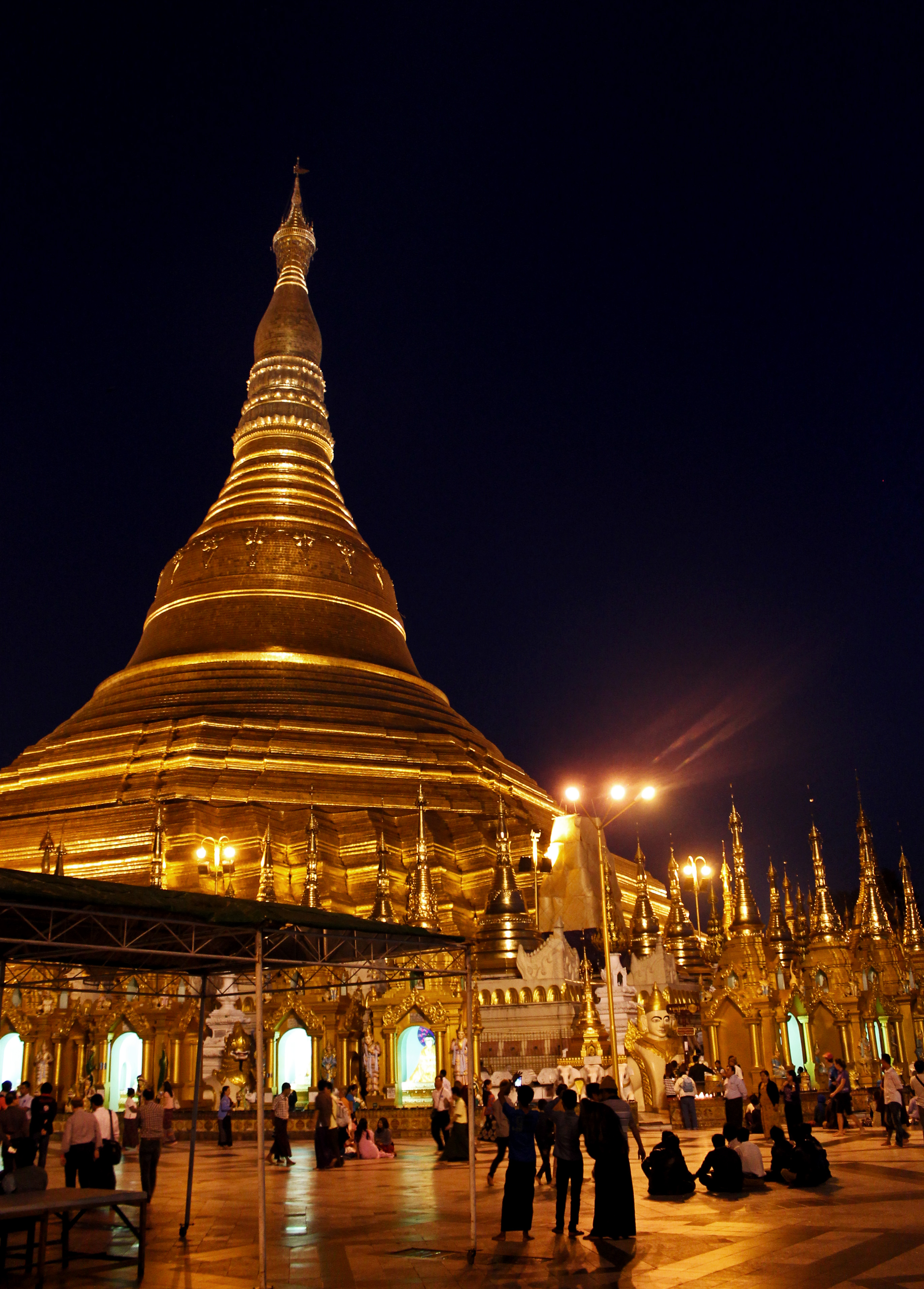
Taken as I stood on a bridge with the city of Yangon sprawled around me, this image sticks in my mind as the famous Shwedagon Pagoda seemed to be visible across the whole city.

Shwedagon Pagoda, Yangon, Myanmar

3. July 2013 – Prague, Czech Republic

I’ve never actually written about Prague in this blog, but it’s where my teaching life began in 2009, so it holds a special place in my heart. Visiting again in 2013 reminded me just how wonderful the city is. One of Europe’s finest.


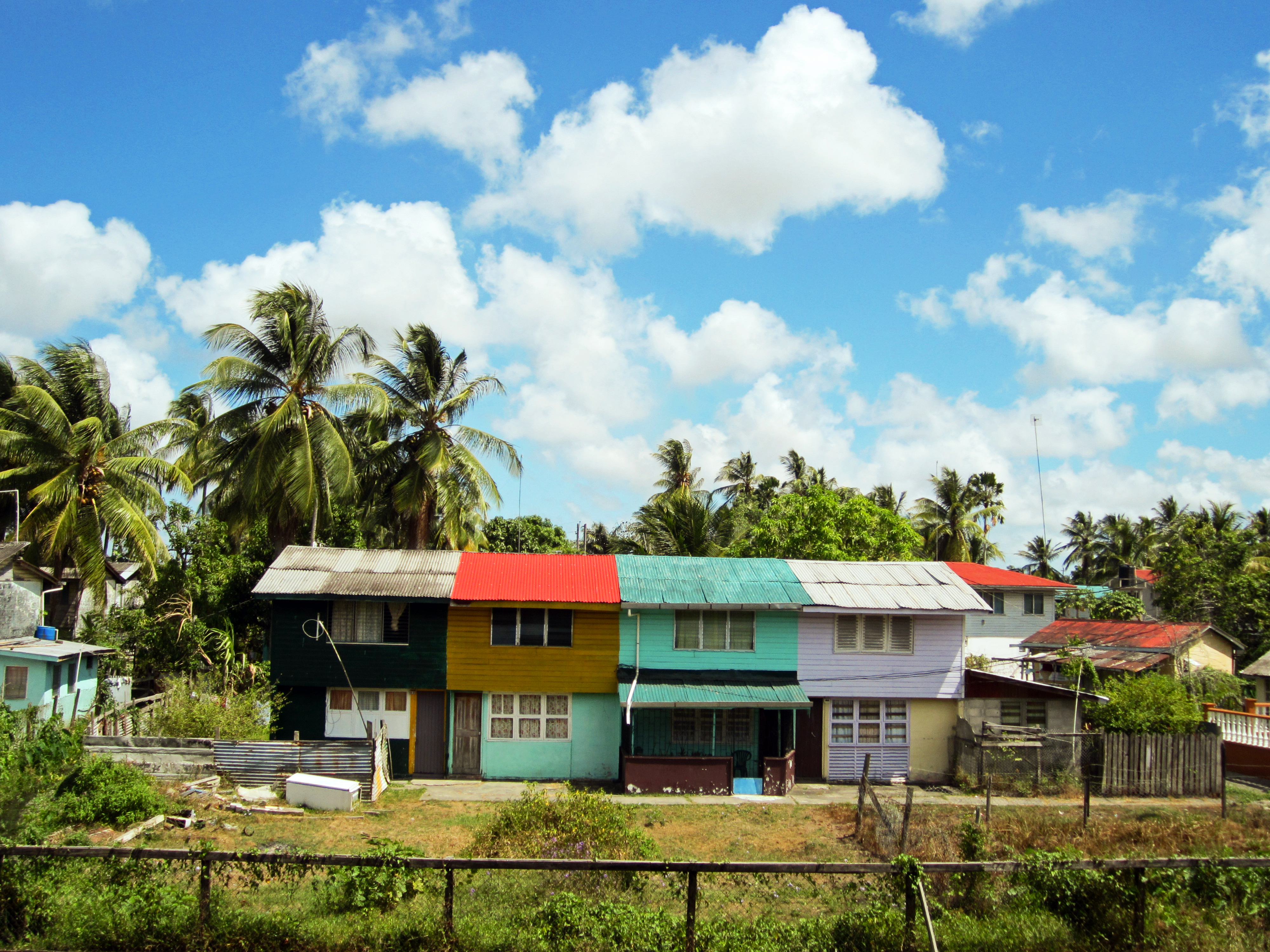
4. Georgetown, Guyana

My home for one year until June 2013, Georgetown (and Guyana) has a vibrancy that’s hard to explain in words. You really have to experience it to realize how the diverse cultures fuse together to create an intriguing country.


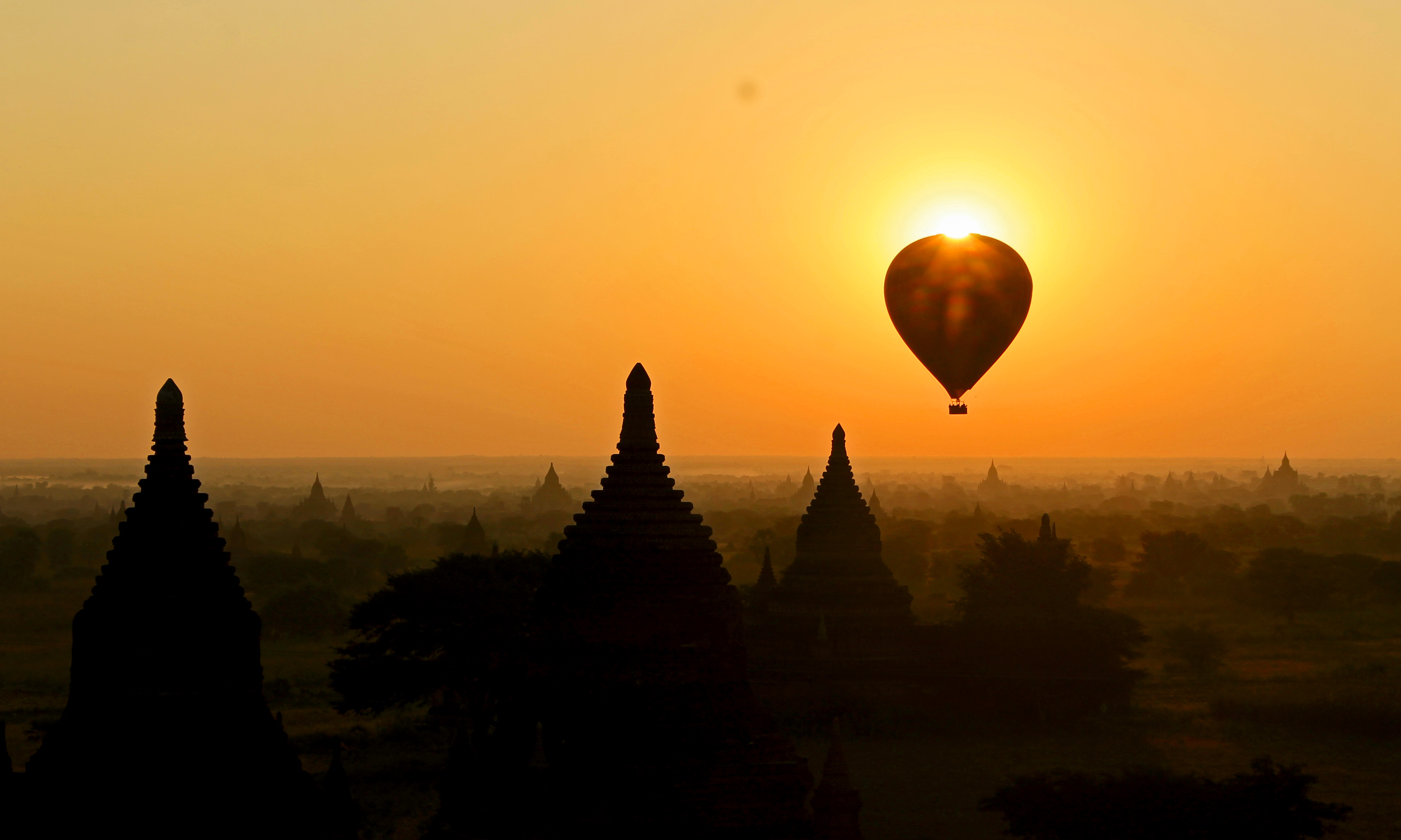
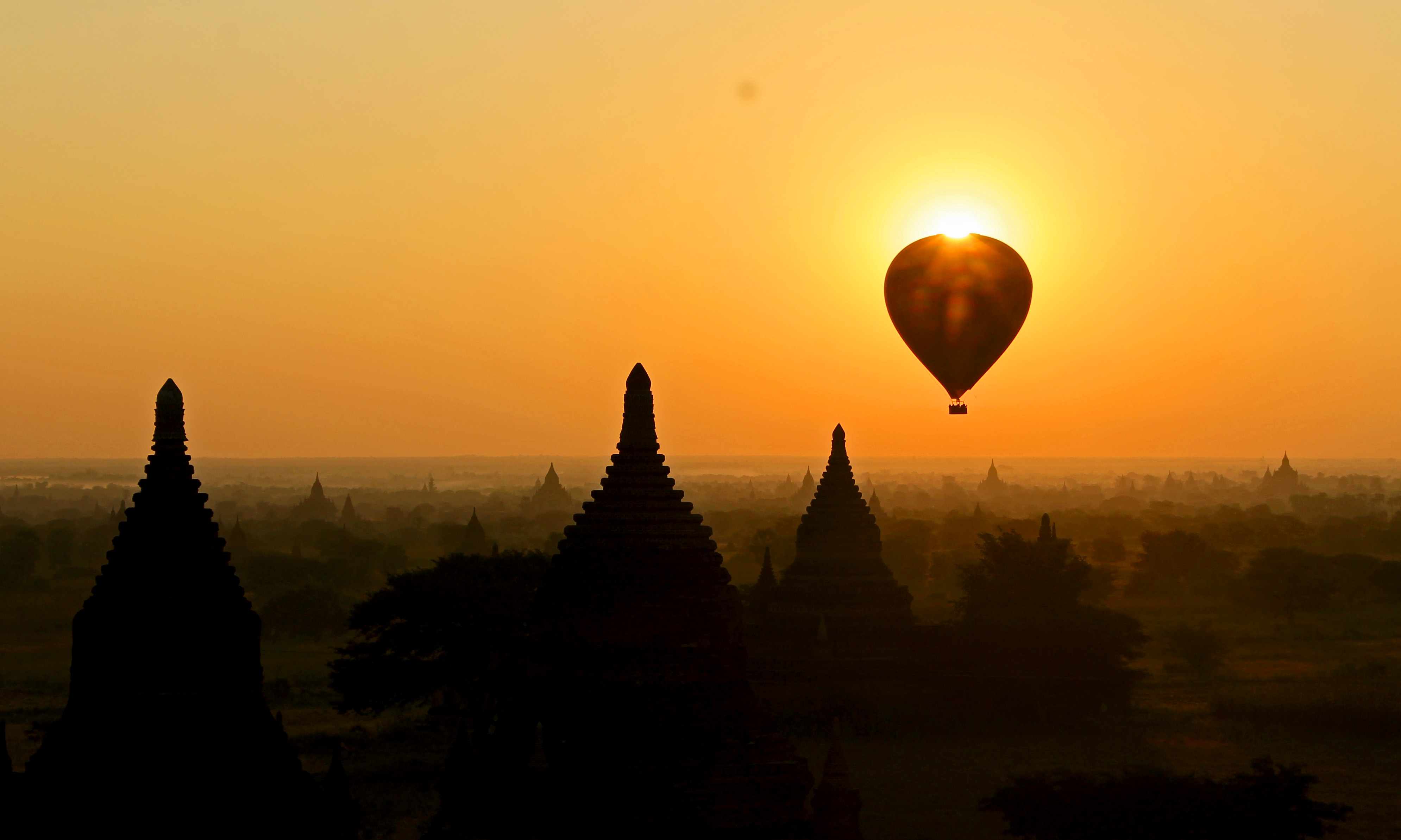
5.  December 2013 – Bagan, Myanmar

Sunrise over the ancient pagodas in Bagan. It’s hard to put into words quite how beautiful this morning was, so hopefully the photo provides some idea.


6.  January 1st, 2014 – Ho Chi Minh City, Vietnam

Spending the first day of 2014 in Ho Chi Minh City was a nice way to kick off a year that involved more travel and exploration. It was my first time in the south of Vietnam and I plan to return one day.


7. March 2014 – Sandwip, Bangladesh

The photo may speak for itself, but Sandwip (a small island west of Chittagong) was a total joy to experience when I stayed there for a few days with a colleague’s family. This photo was taken one early evening, and it’s one of my personal favorites from any of my travels.


8. August 2015 – Dartmoor, Devon, UK

It’s always nice to go home. Sights like this make it all the more worth it…

9. July 2014 – Huye, Rwanda

This is less about the actual image and more about the significance of the location. Fours years after leaving Rwanda, July 2014 was the first time I set foot once again in the Land of a Thousand Hills. It was a special feeling to be back there, even if just for a week.


10. March 2015 – Jessore, Bangladesh

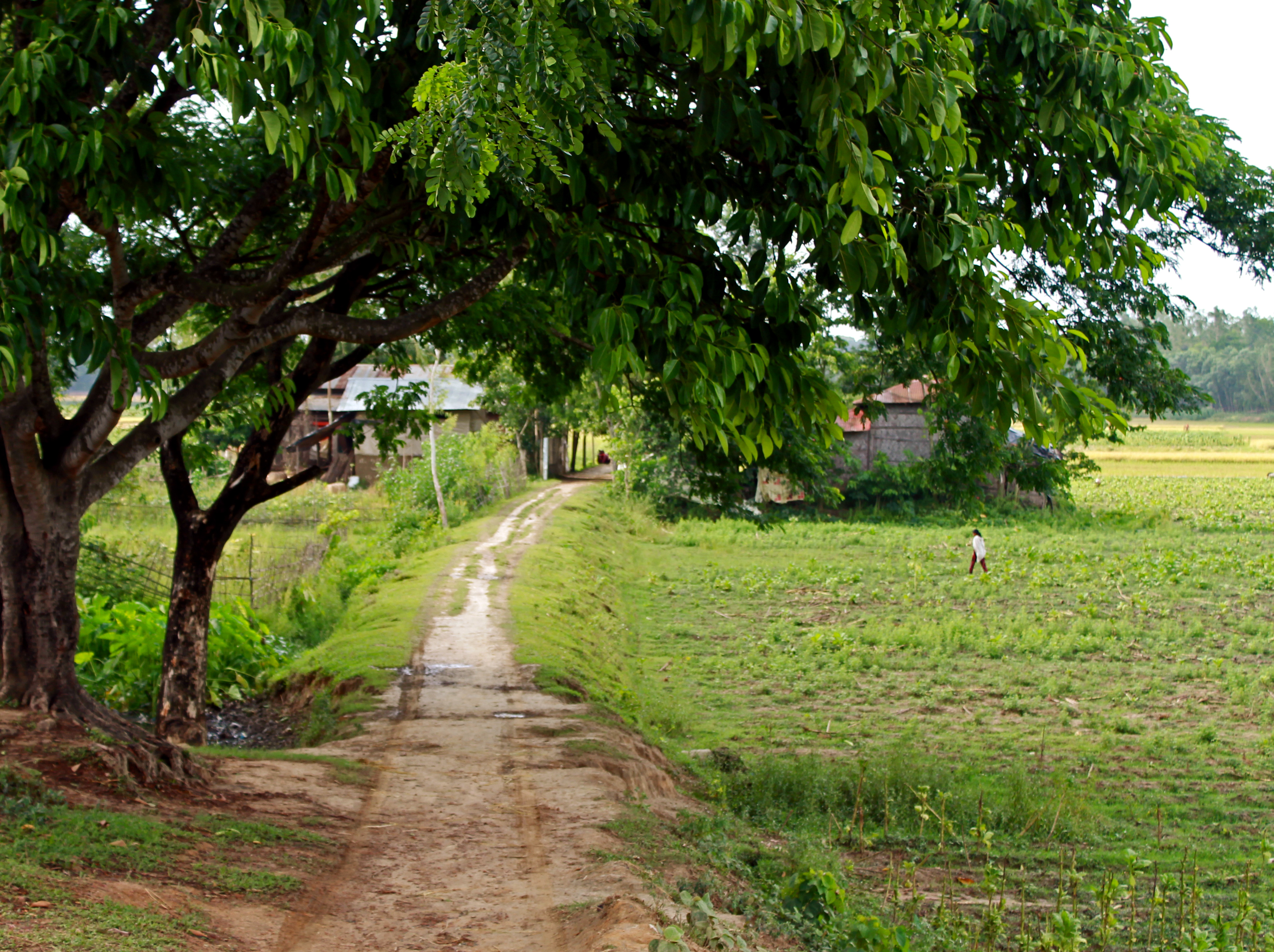
“Two roads diverged in a wood, and I – I took the one less travelled by, And that has made all the difference.”

– Robert Frost

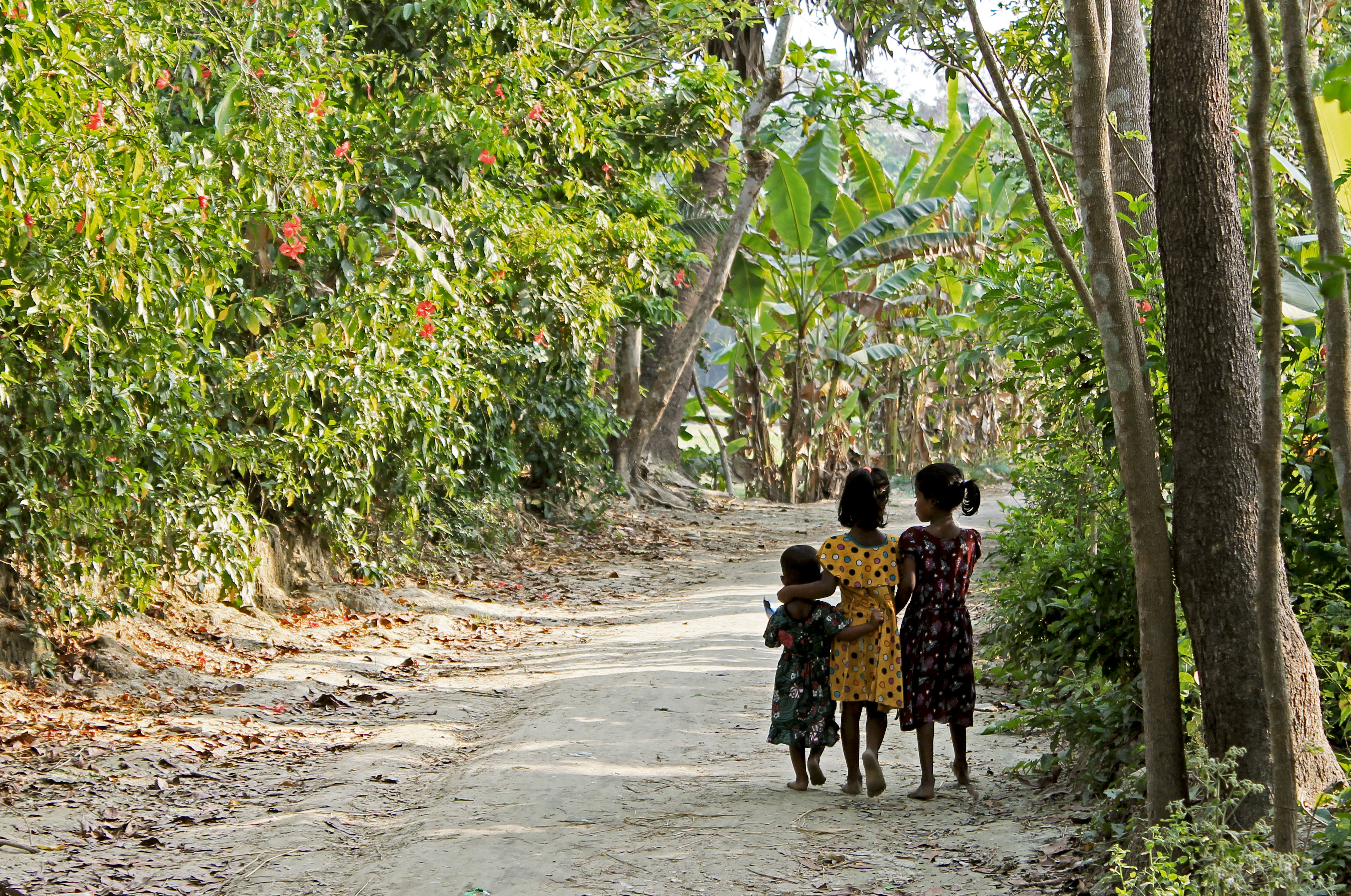
Jessore, Bangladesh

Baro

“Does it bother you that I talk so much?”


Tucked inconspicuously away from the noise and chaos of one of Chittagong’s longest and busiest main roads you’ll find a small tea shop. Not particularly unique in appearance, it is sandwiched on either side by two further tea shops, and all three function identically, serving very similar items to a wide variety of people who happen to sit down that day.

It’s easy to miss the turning into the road these shops are situated on, and most people will pass straight by. My chance encounter came about in a characteristically haphazard manner. I was stranded at the back of a huge line of people all waiting to gain entry into the Indian High Commission.

As I stood there exchanging frustrated head nods and tuts with fellow embassy hopefuls, I pondered if it were more logical to continue standing in this line, or whether I should try my luck at camouflaging up and attempt a covert border crossing through the mangrove forests of the Sundarbans.


All was not lost though and help was at hand in the form of a cup of tea and a citizen from the very country I was trying hard to get a visa for. Sharmistha, my friend, colleague, and fellow tea enthusiast had learned of my queue predicament and very kindly arrived to offer moral support/language translation skills.

She also went off in search of tea and came back telling the tale of the shop this blog centres around. However, it is much less to do with the actual shop, but rather the person who serves the tea and runs the establishment. Her name is Asma, and she is just twelve years old (“baro” in Bangla).

After eventually entering the High Commission, both Sharmistha and I returned to Asma’s shop for another cup of tea, but also because we wanted to learn more about this tenacious 12 year old. She informed us the shop is her father’s, but as he works as a security guard in a neighboring hospital, Asma has been assigned the crucial duty of ensuring the tea business runs smoothly.

Thus, she sits from morning until evening each day serving tea, paan, bread, and cigarettes to customers, 99% of whom are most probably men. She is twelve remember.


Sharmistha and I have returned to chat with Asma several times now and also with her father and some of the regular patrons of the shop. It is clear they think very highly of Asma, and why wouldn’t they?! She is outgoing, friendly, efficient, and has one of the warmest and most engaging smiles I’ve ever seen.

Asma has inspired me to use this blog in future to highlight some of the characters I regularly meet here in Chittagong. Special thanks must go to Sharmistha, who is responsible for the majority of the translation that was required!

When we first met Asma two months ago, she was not attending school. Her father had promised to send her once he found a suitable arrangement for the tea shop around his work schedule. He had tried employing others to run it in his absence, but claimed he was unable to trust them. It therefore fell upon Asma to keep everything in order.

This was a wise choice. From observing Asma she is highly efficient and able to confidently deal with the pressures of a bustling tea stand. She is also very astute with money. On one occasion we came to pay for our tea and Asma’s father wouldn’t take our money. Typical Bangladesh hospitality once again. We protested and exclaimed that if Asma were here, she would certainly accept our money. He laughed and replied, “Yes, you’re right!”


We returned once again to see Asma yesterday and the great news is she is now attending school. Her classes begin at 6.00am and finish for the day at 11.00am. She returns home, eats lunch, completes her homework, and by 2.00pm she is at the tea stand where she’ll remain until around 8.00pm.

We enquired about school and she told us she enjoys it. Currently in class 4, she finds the lessons interesting, and also playing games, something she has previously had little time to do when whole days were spent at work.

Asma attends school with her friend from next door, and this works well as, “She is a good girl, who doesn’t fight with me and she helps her mother.” The school they attend is divided with classes for girls held in the mornings and the classes for boys held in the afternoon. Asma didn’t seem too concerned by this arrangement and wisely concluded that;

“If boys and girls are put together, there will be trouble!”


Originally from a village in Noakhali district to the north west of Chittagong, Asma’s father decided to move to the city in search of work. She admitted to missing village life and particularly her grandparents and the other children she used to play with. The green, the rice fields and the ponds are also aspects of village life she misses. However, her mother is here with her in Chittagong and this is incredibly important for Asma. She told us;

“I love talking with my mother. If I’m not sleeping when I’m at home, I’m talking to my mother. I love her very much.”

As I mentioned earlier, Asma receives respect and affection from the people who regularly visit the tea stand. Whilst we were there yesterday a local policeman stopped for tea and is clearly fond of her. He referred to Asma as “mamoni” an affectionate term used for younger people. Another younger man was asking Asma about school and encouraged her to go there and “make good friends.”


Some regulars seem to look at me and Sharmistha with puzzled eyes, perhaps wondering why we keep returning to the small tea stand and drinking up to three cups of tea at a time just so that we can learn more about the girl with the infectious smile. Asma asked Sharmistha yesterday, “Does it bother you that I talk so much?!”

No Asma, it really does not.

So that is Asma, a twelve year old girl balancing a life of school and work at such a young age. She does so with a smile and positivity that is truly inspiring. She is also extremely wise. As I left yesterday her advice for me was;

“Stay well, and eat your rice well.”


Heigh-Ho!


In my previous blog I presented the photographic evidence of copious tea shop visits and interactions with the owners and clientele. During those photo walks I also captured a few images of people at work.

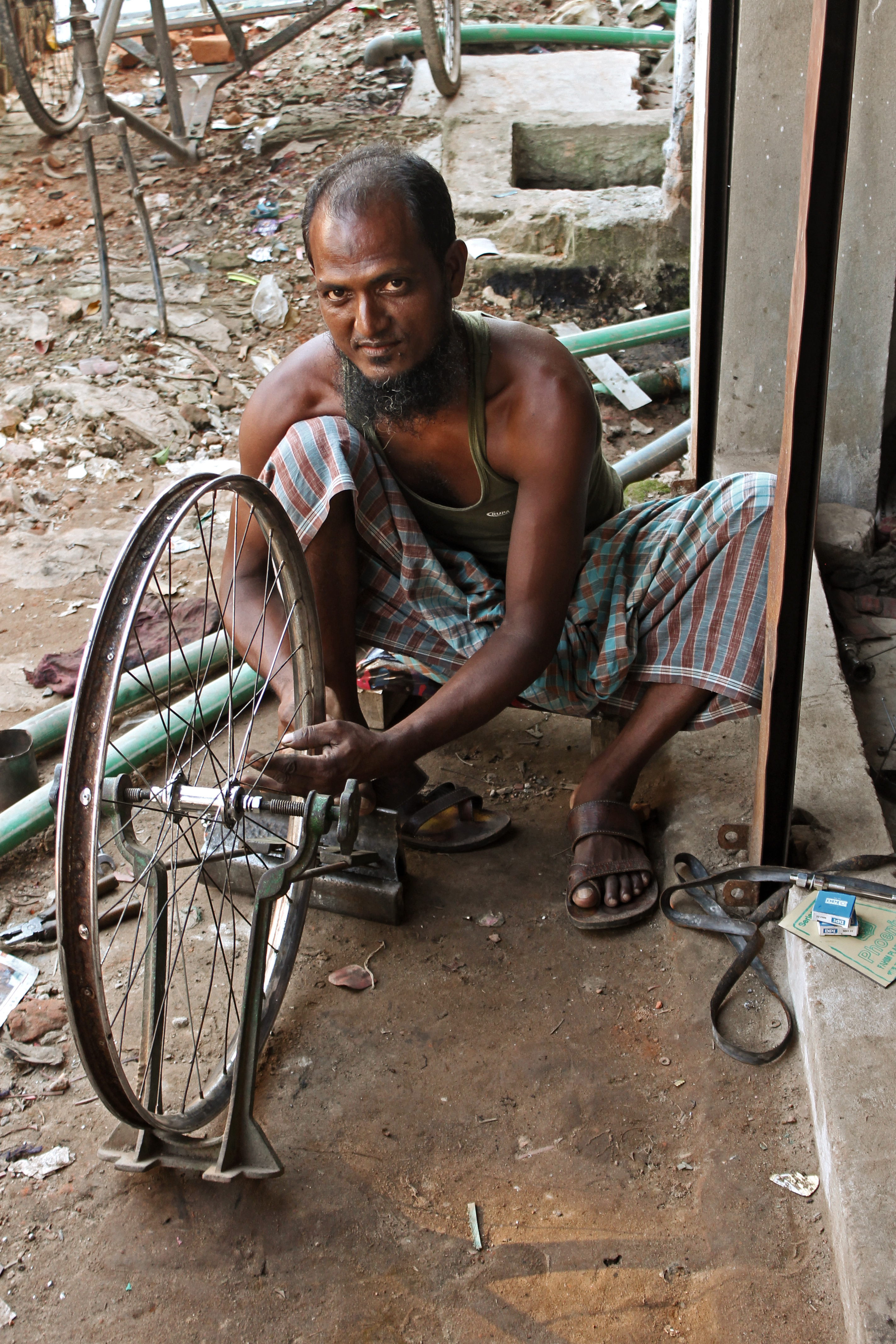
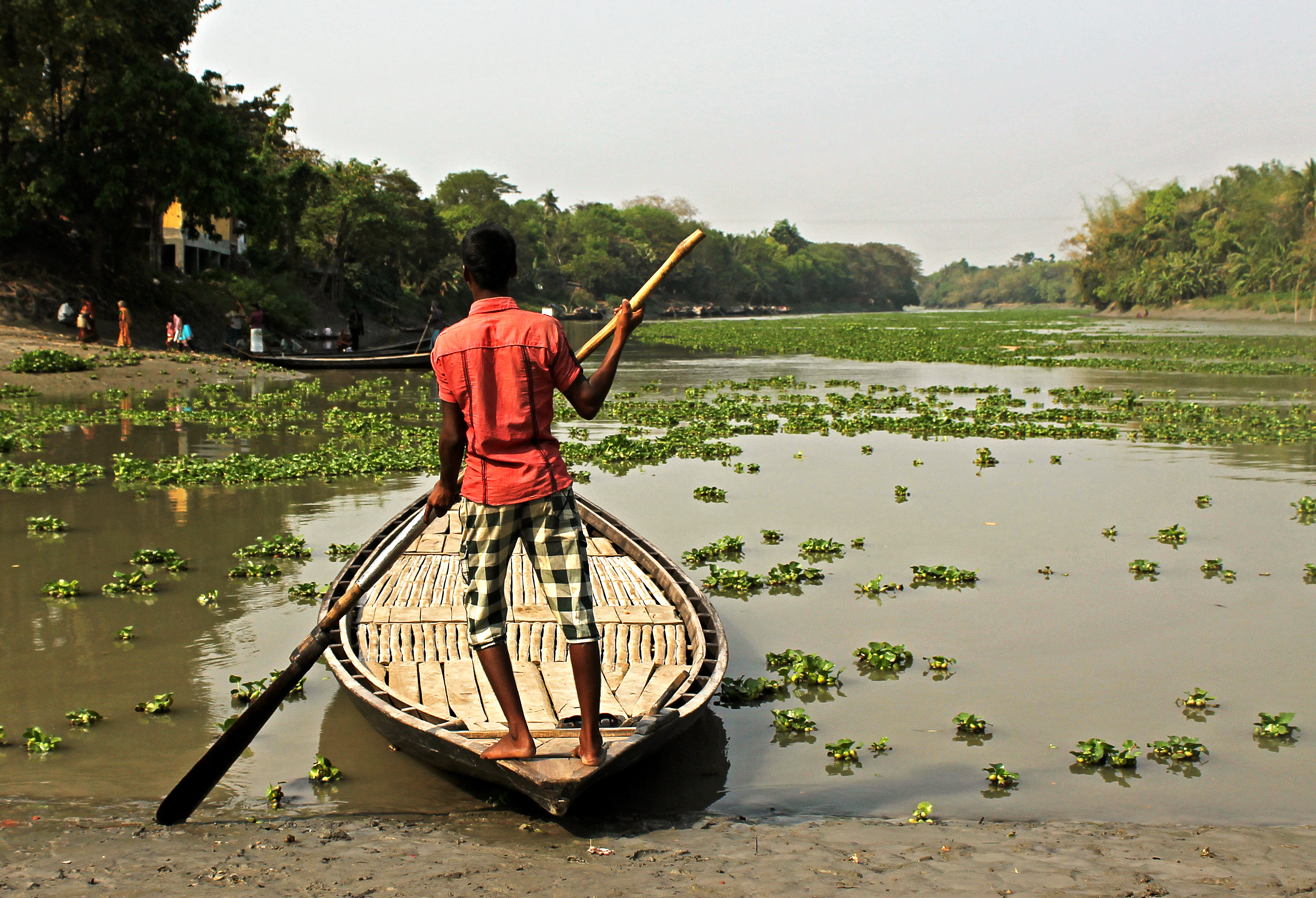
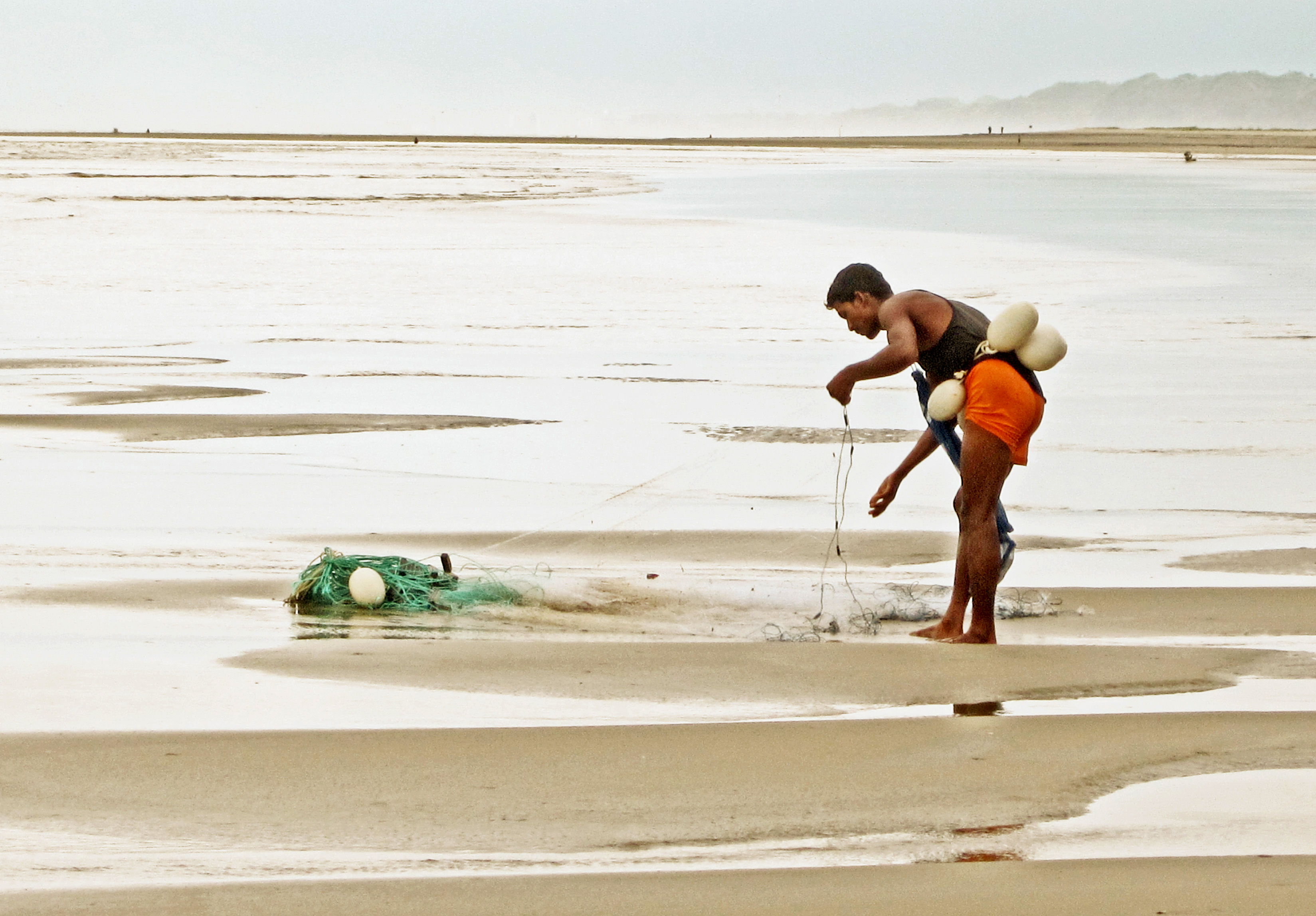
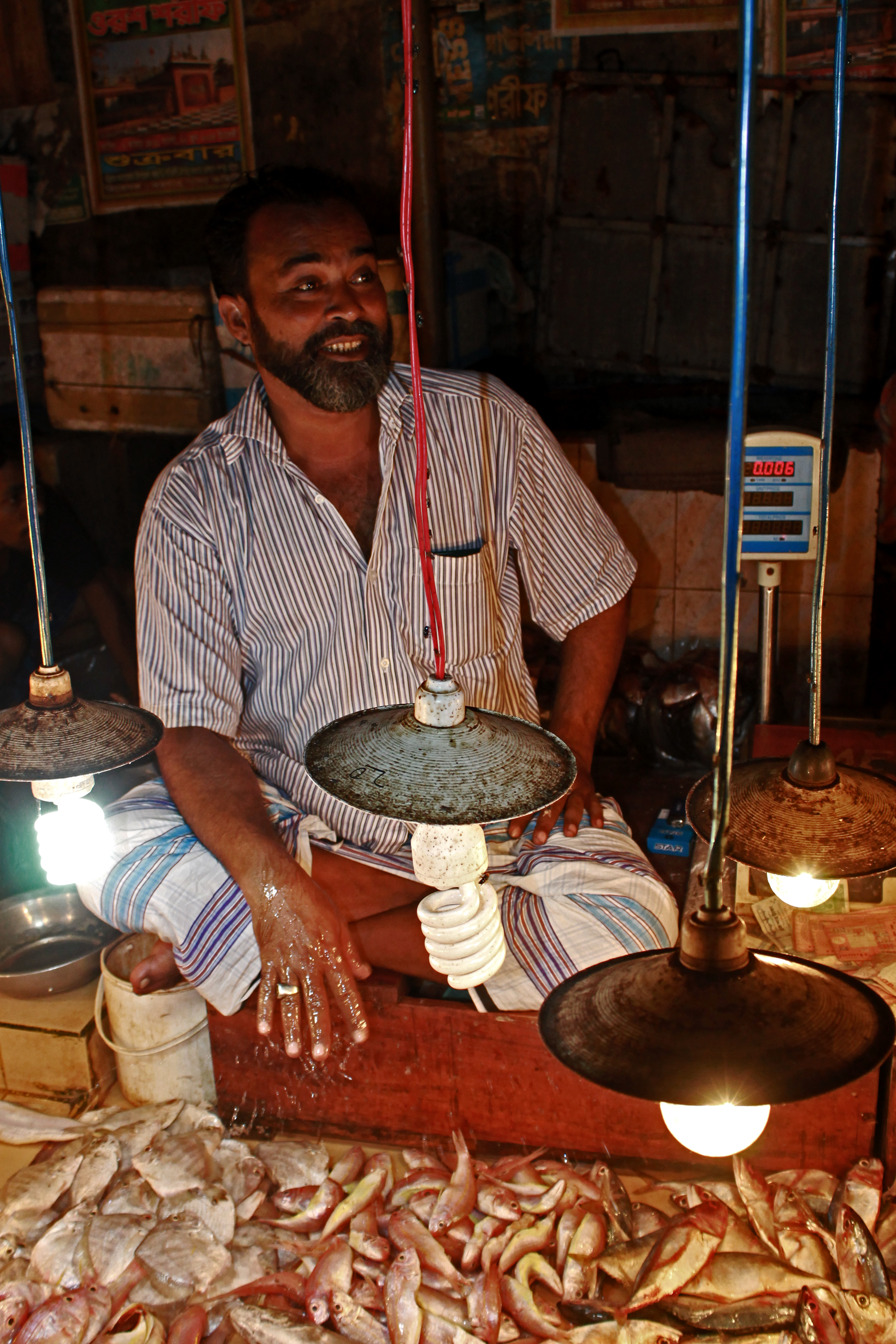
I found that it was quite fascinating to sit and photograph people going about their daily work and trades. I wanted to post this blog simply to present the images that reflect daily life here as I see it through my lens.

This is what I enjoy most about engaging in one of my favourite hobbies here in Chittagong. Through photography I extract so much joy from being able to view and explore this fascinating city and country and to view sights that perhaps seem ordinary or even mundane to one set of eyes, yet to others tell a story.

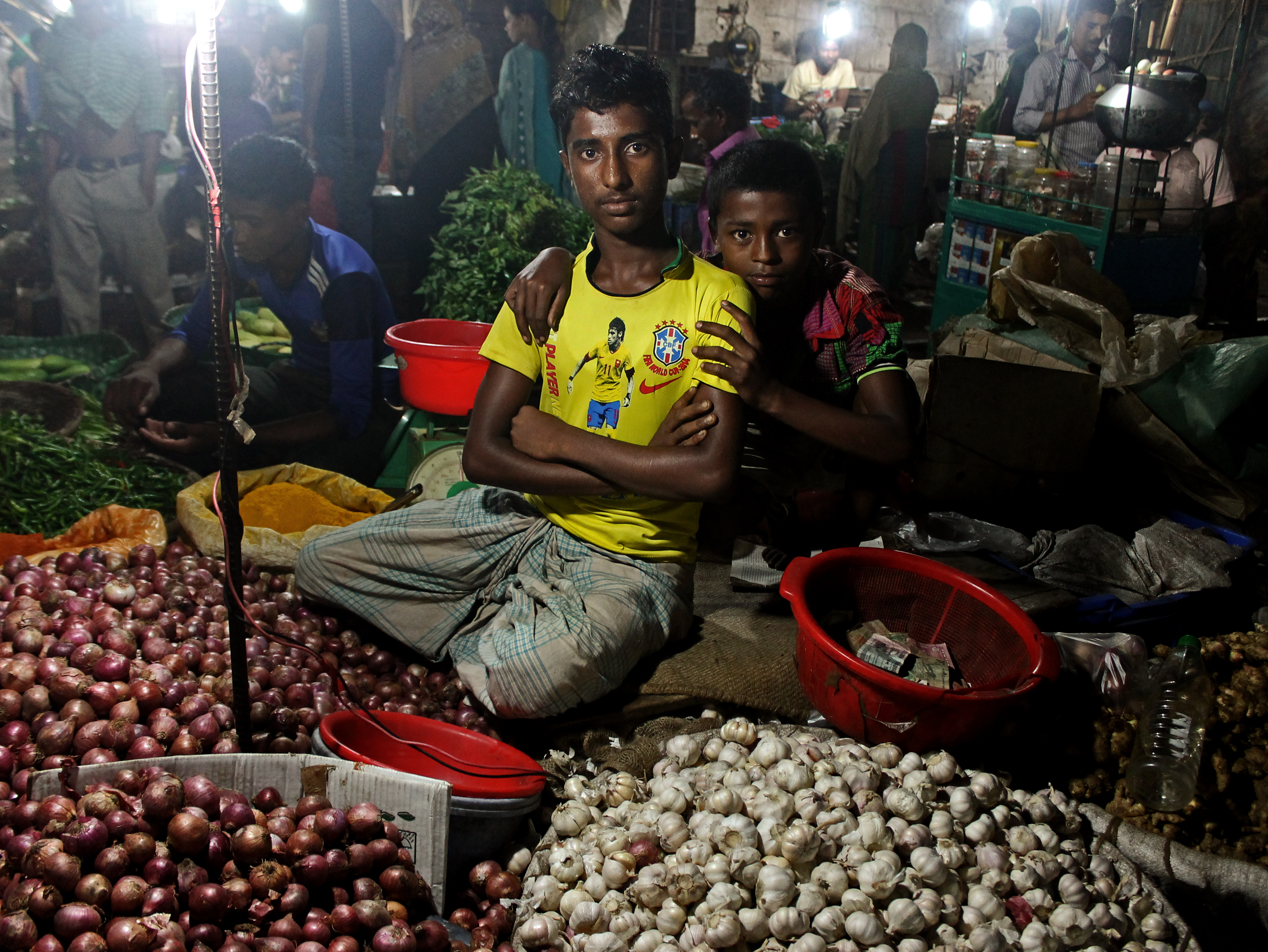
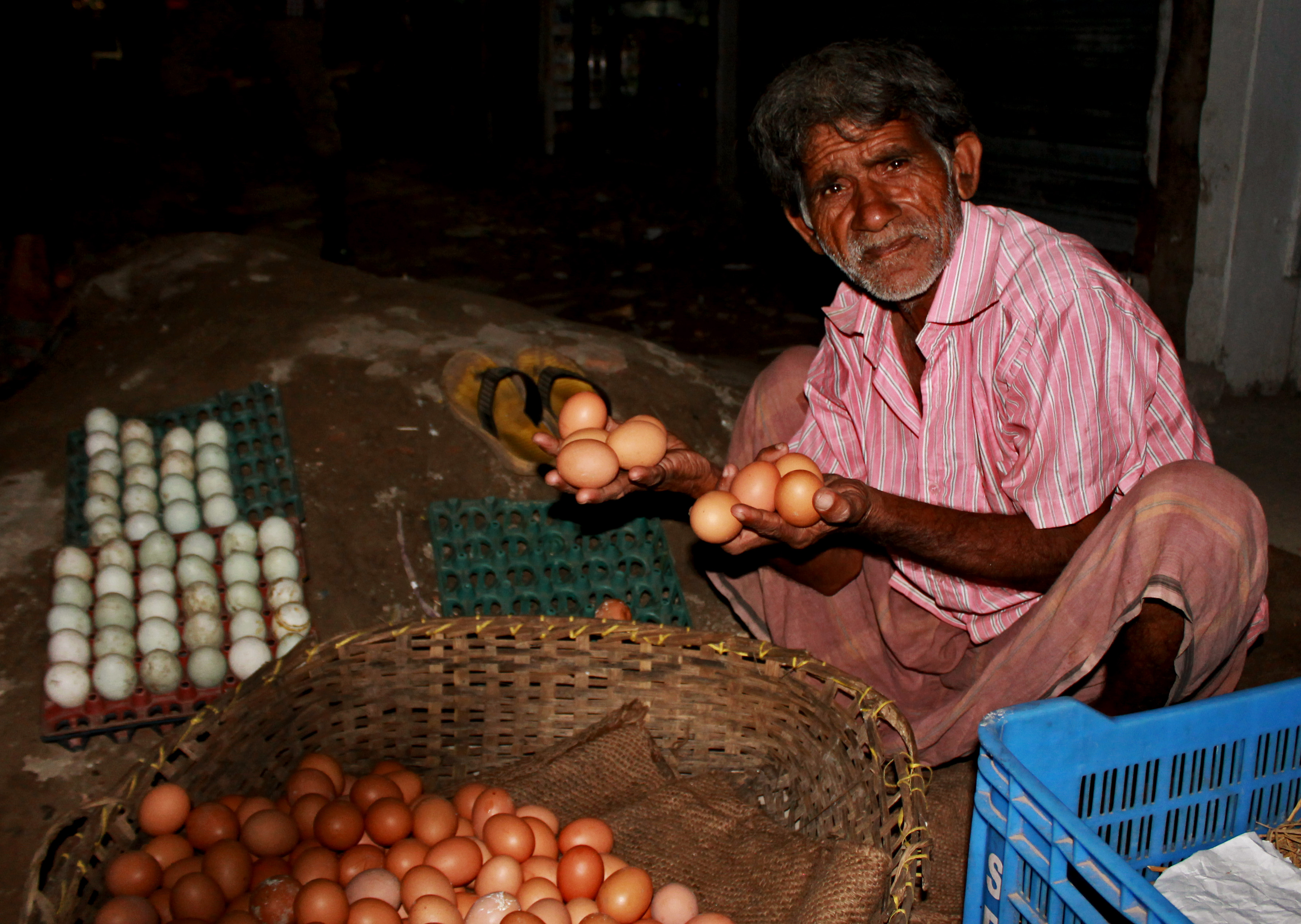
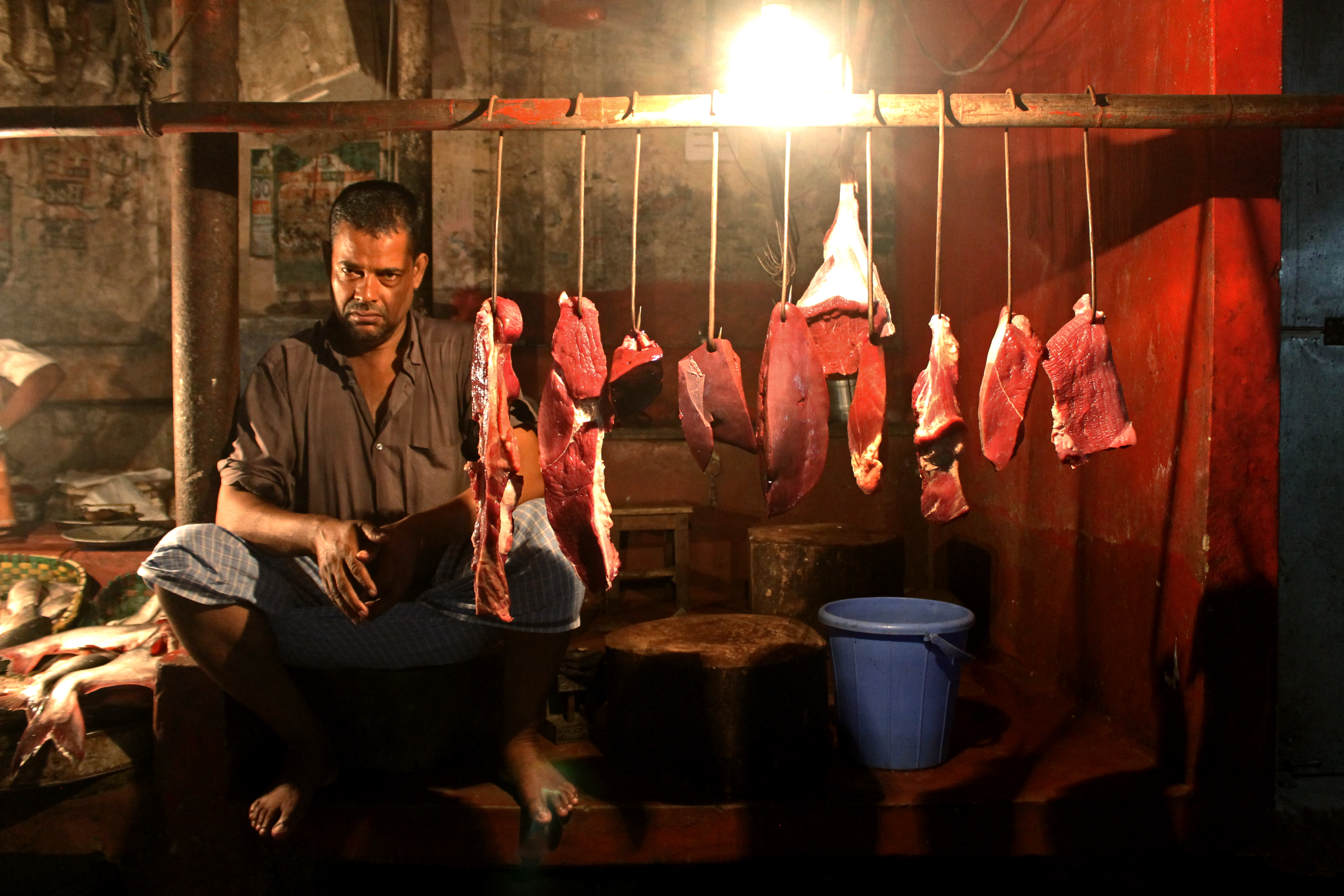
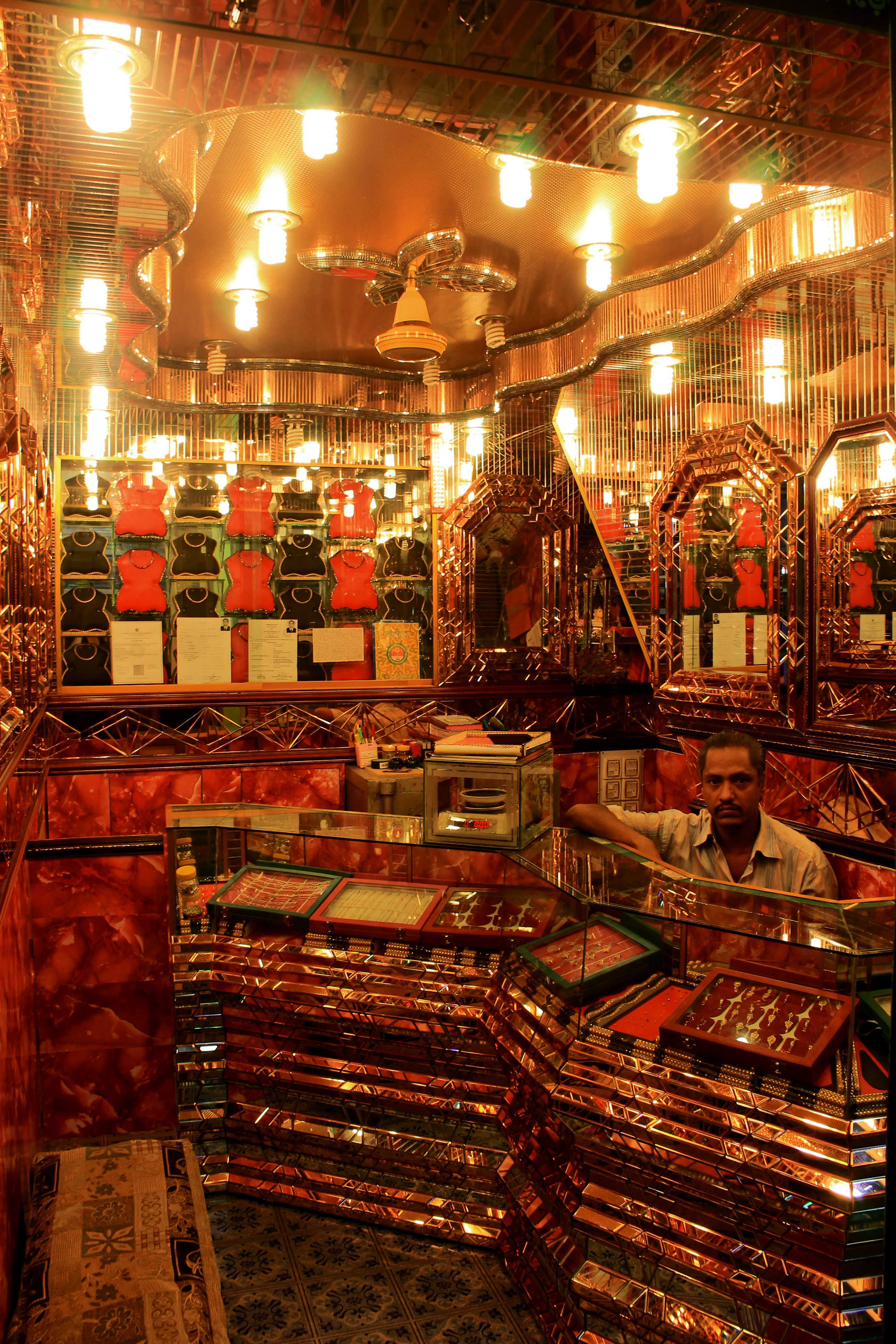
So, here are the results. Some of the photos were taken some months/years ago, but all are from Bangladesh. Also you may notice that there are few women featured. This was obviously not a conscious decision of mine, but rather reflective of the trades I photographed, and crucially, my location.


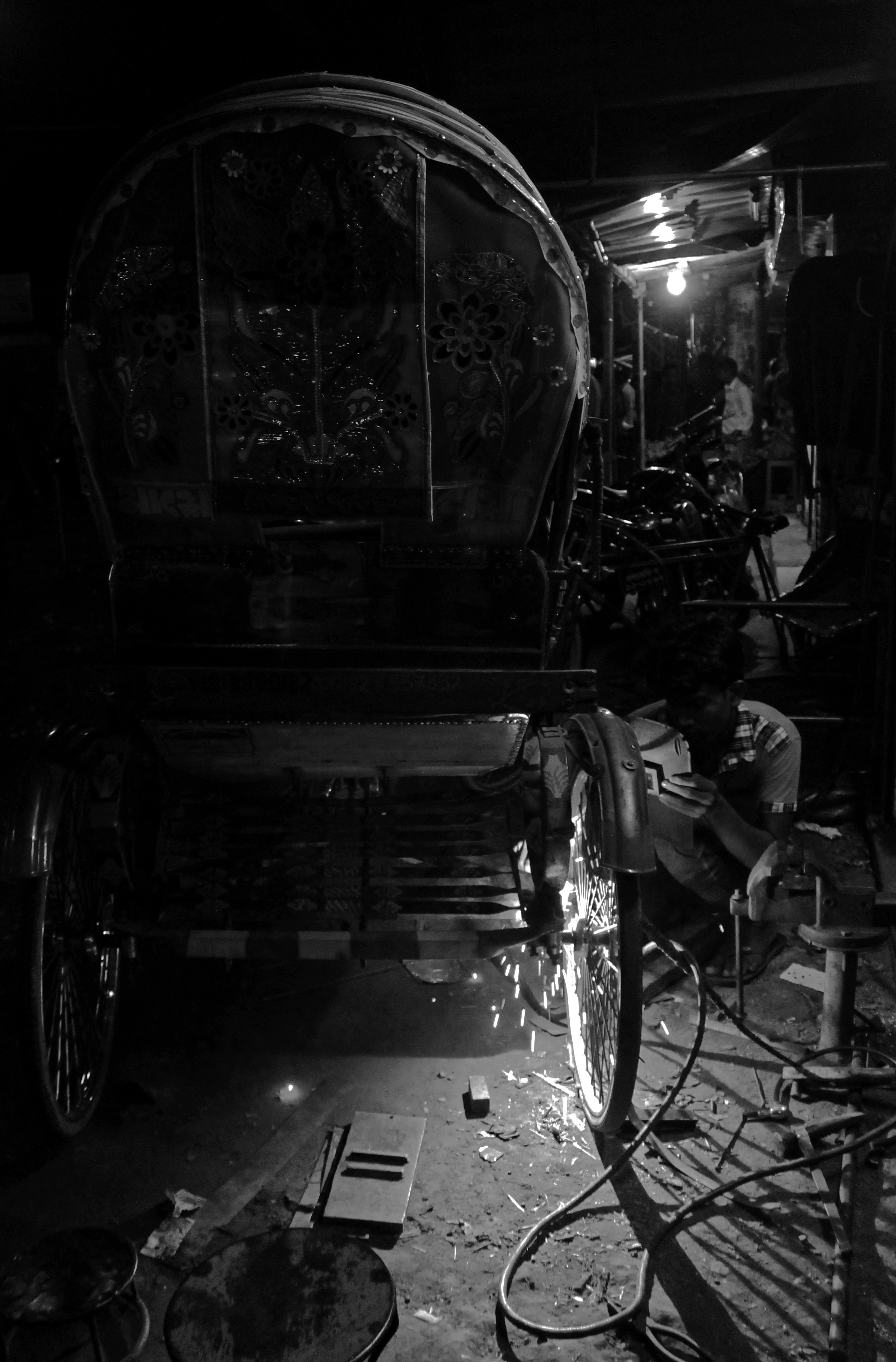
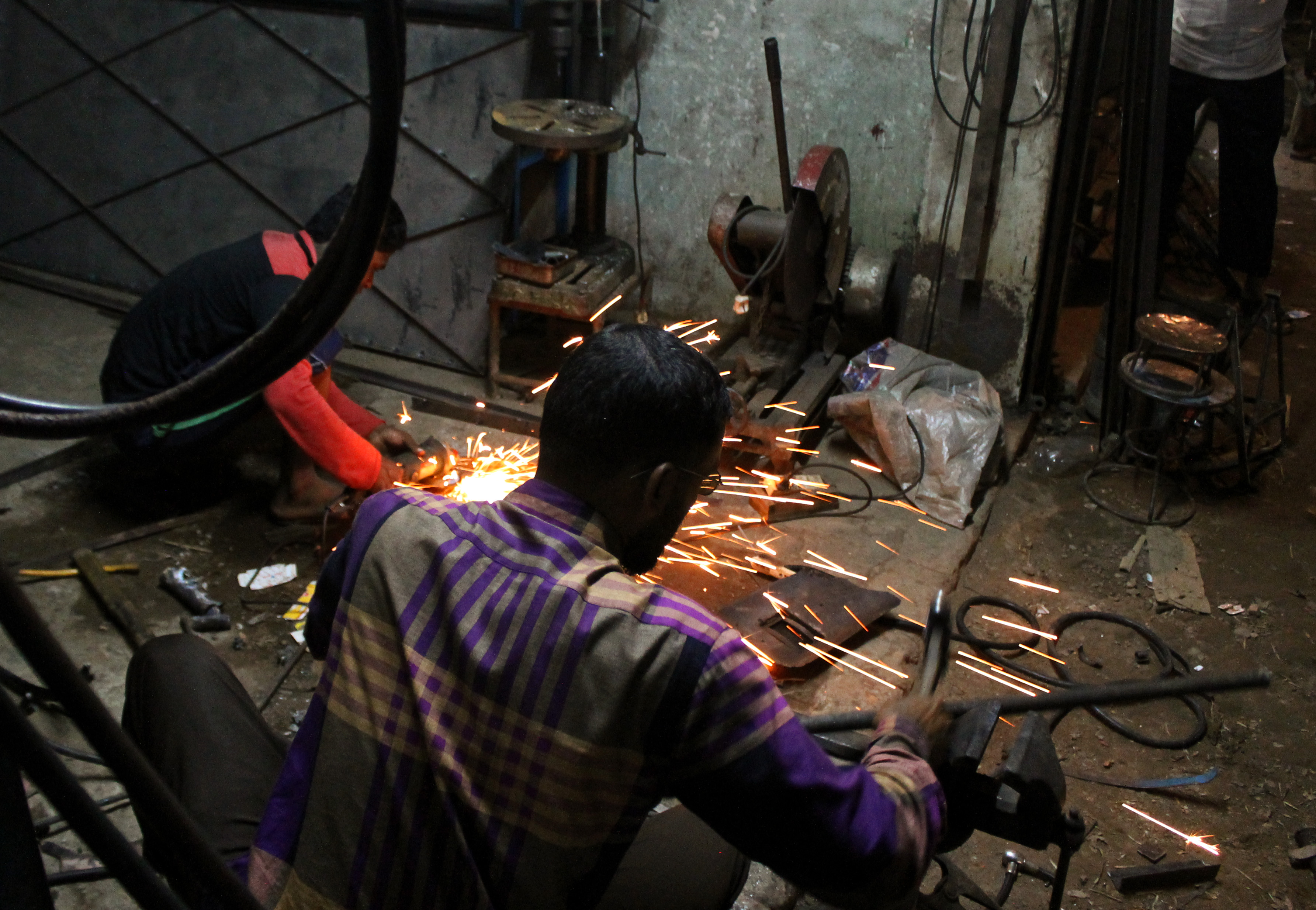
The Welders

IMG_1690


IMG_1529


IMG_1815


IMG_1654a


IMG_1647


IMG_1618


IMG_1659


IMG_1702


IMG_1817


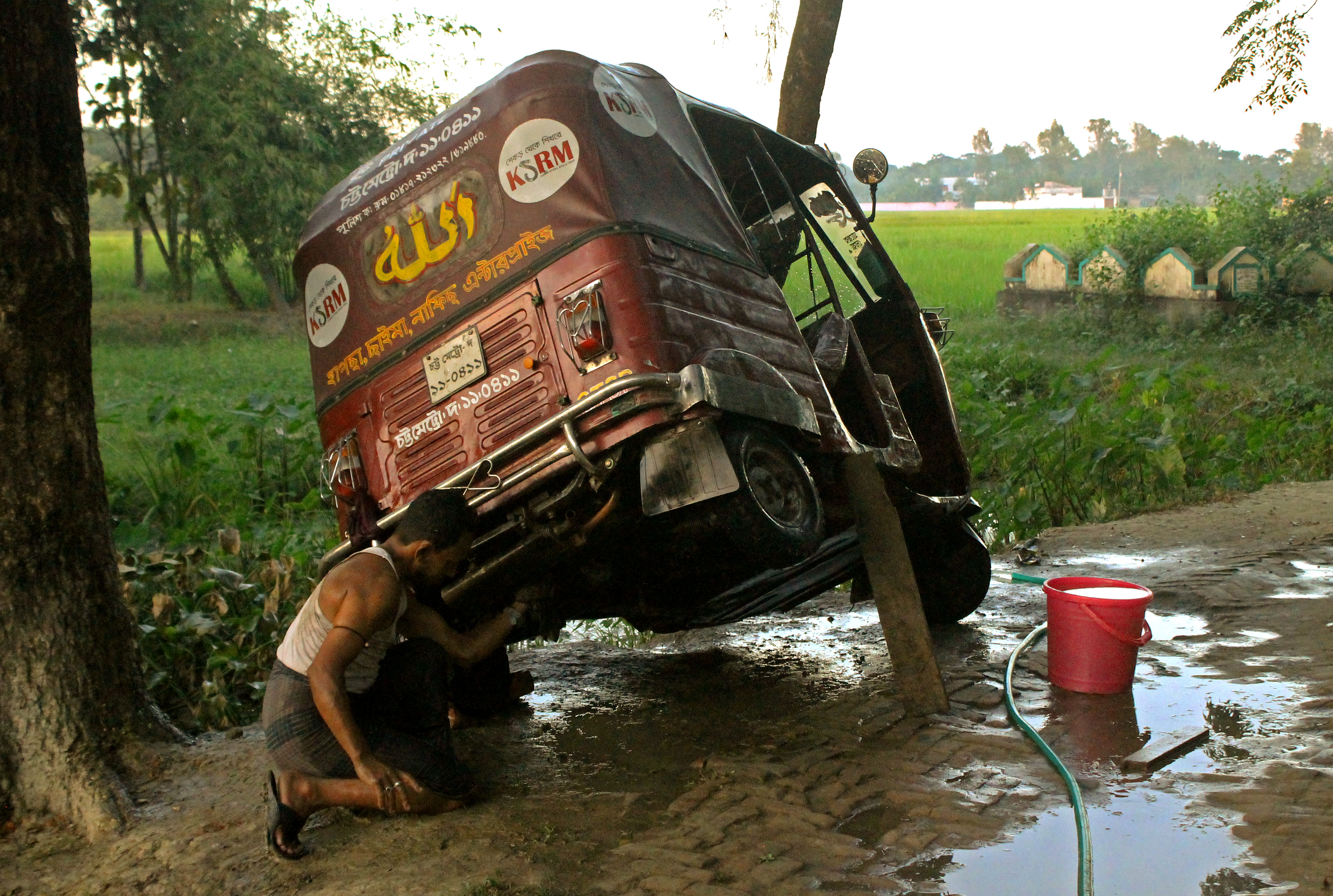
The CNG driver

IMG_6267


IMG_8381


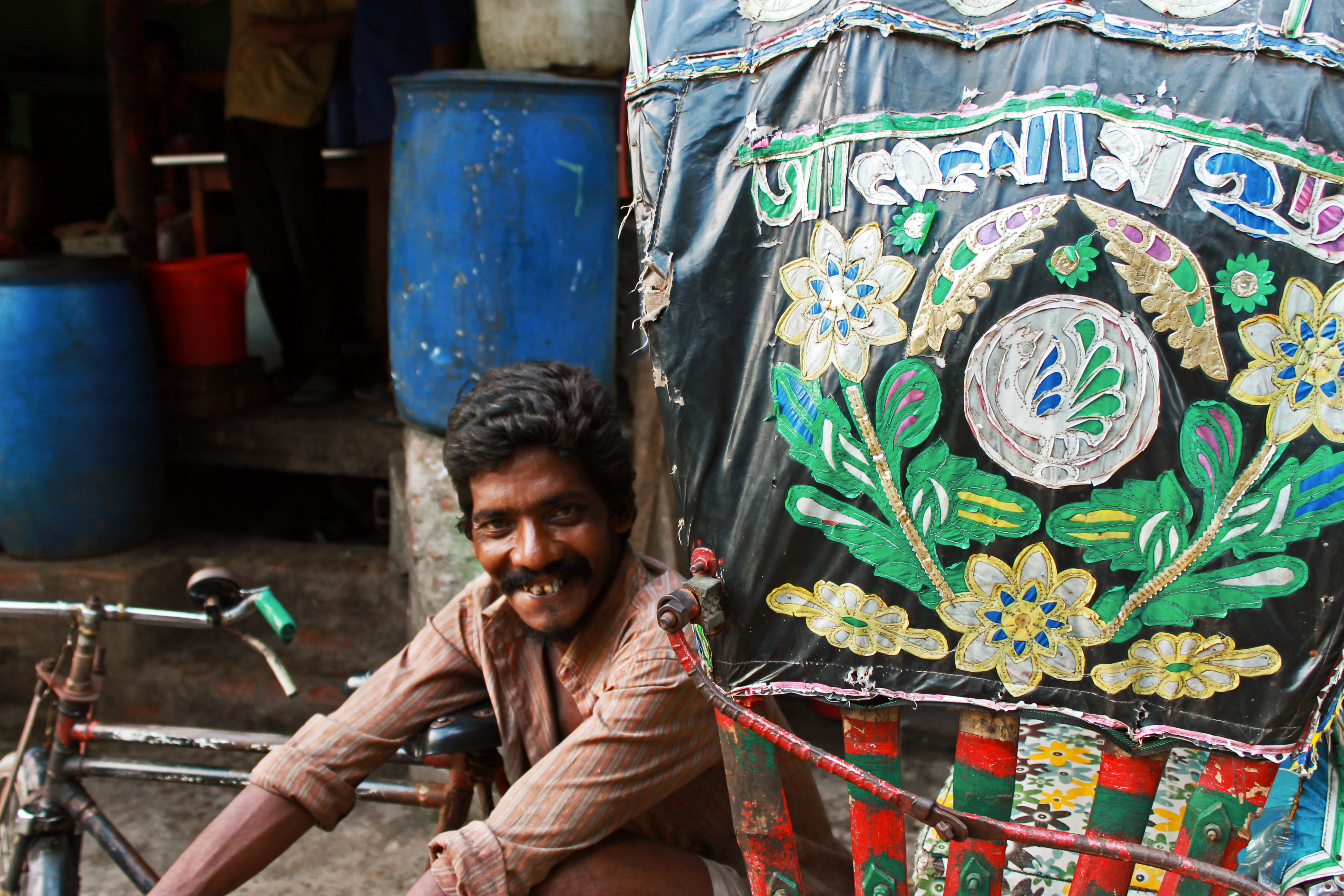
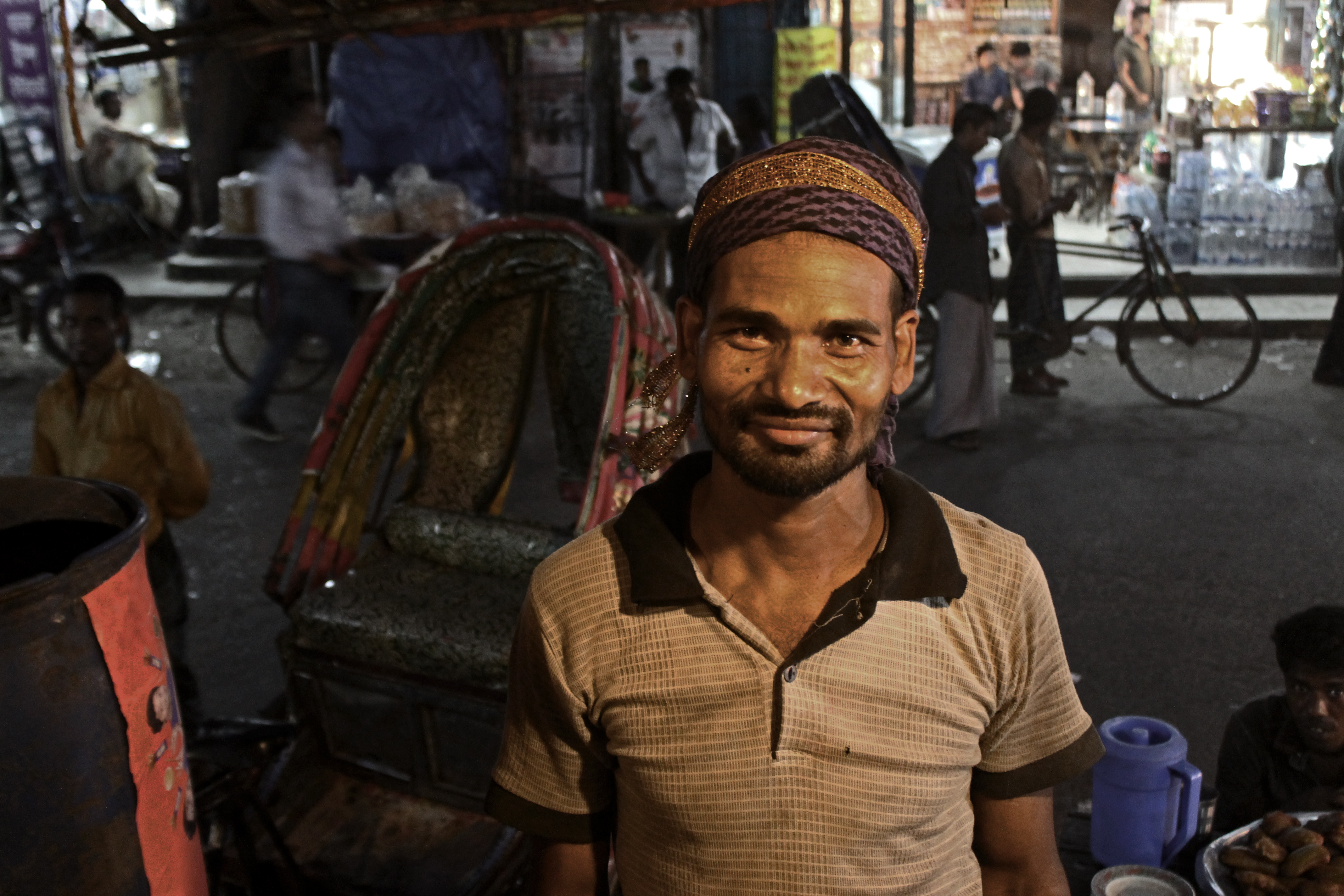
The Rickshawalah

IMG_1539


Rickshawalahs


The man who fixes the rickshawalah’s wheels…

IMG_1543


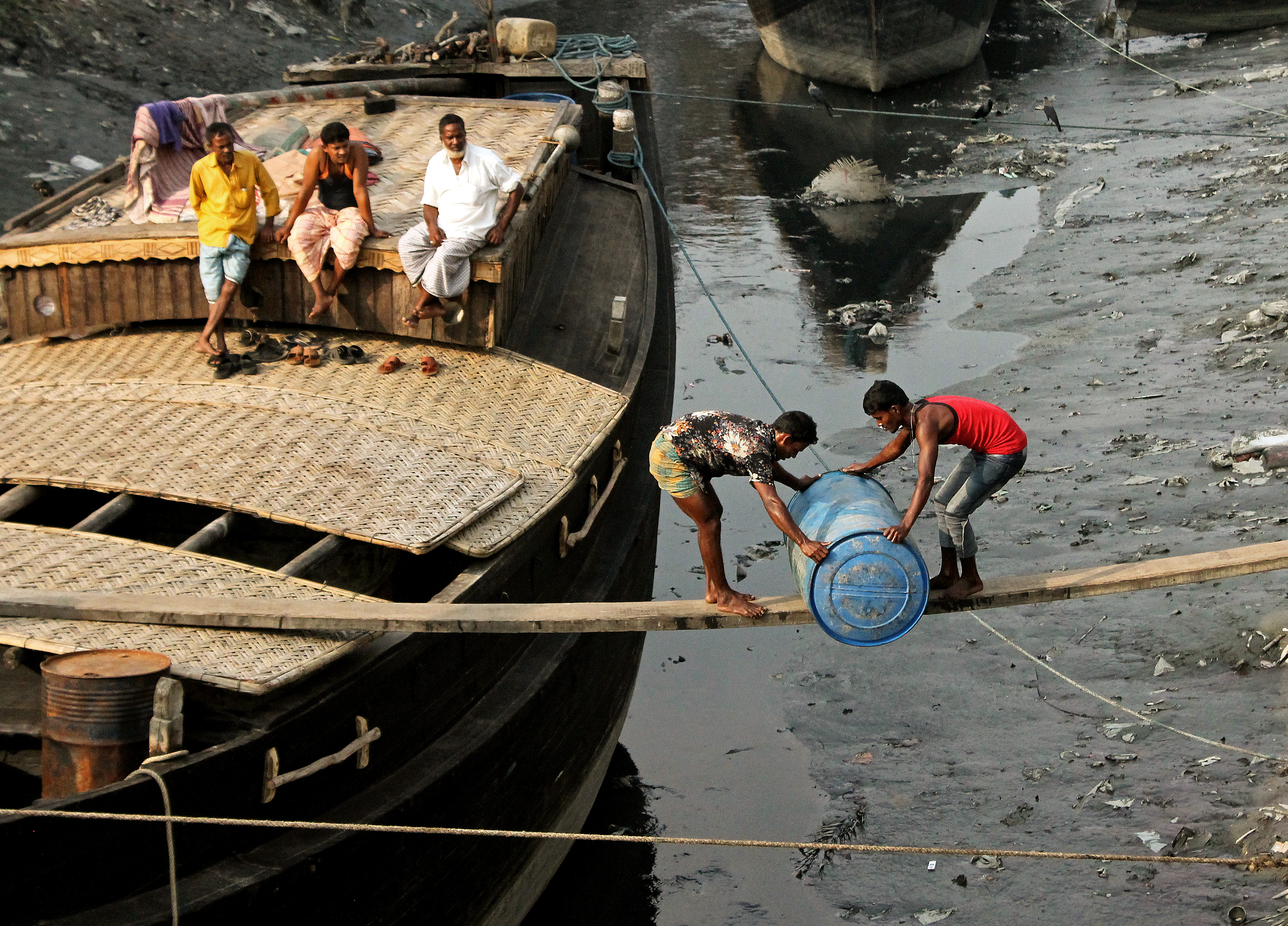
The Boatmen

IMG_5410


IMG_4647


IMG_5467


The Tailors

IMG_1544


The Fishermen

IMG_9364


IMG_5184


Bangladesh faces


IMG_1145


IMG_3065


IMG_3048


…and the man who transports their catch to market

IMG_4975


to the man who sells them at the market…


The Farmer

IMG_9142


The Produce Sellers

IMG_1771


IMG_1752


IMG_1725


The Butcher


The Ice Cream Man

IMG_1550


The Jeweller


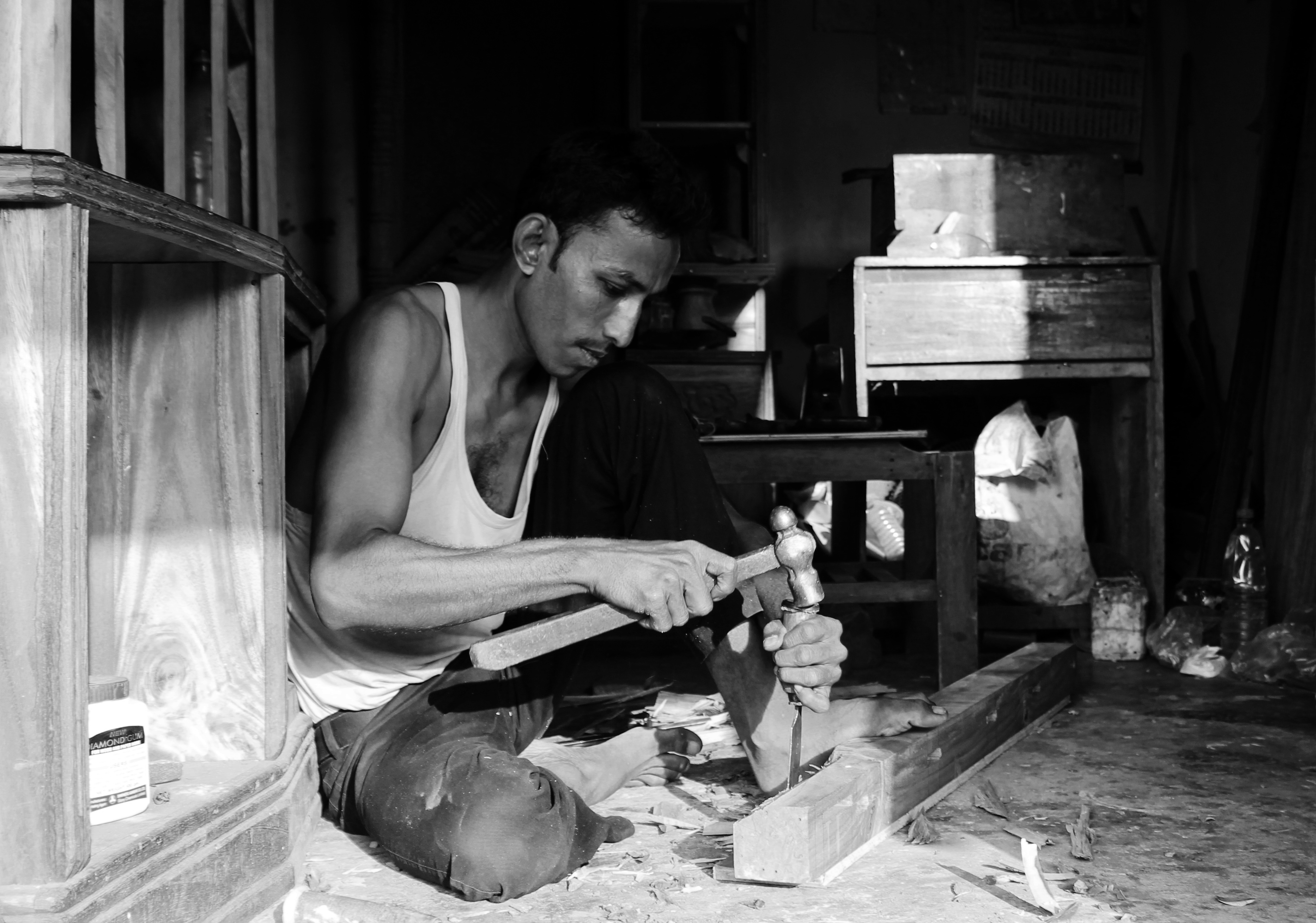
The Carpenter

IMG_1548


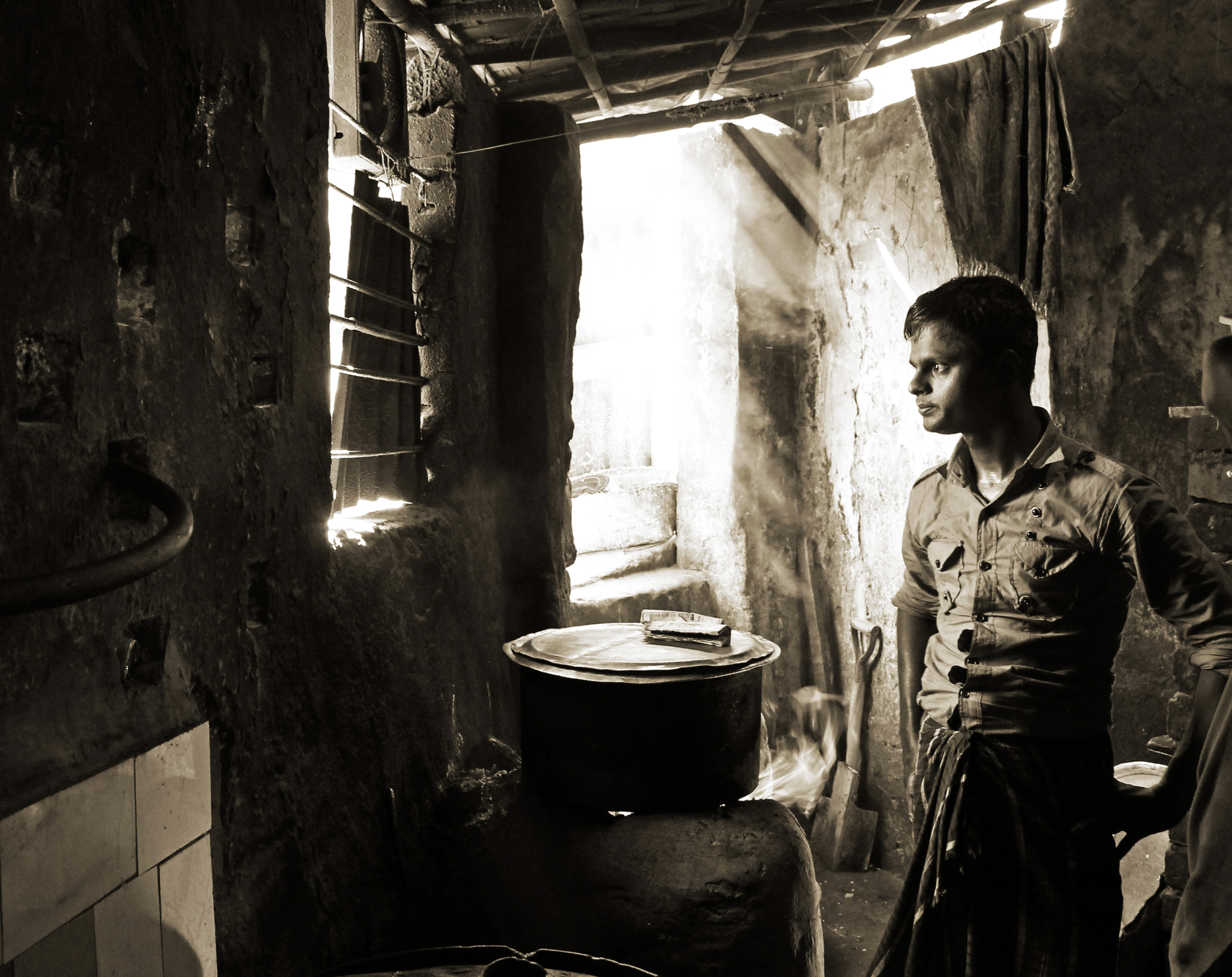
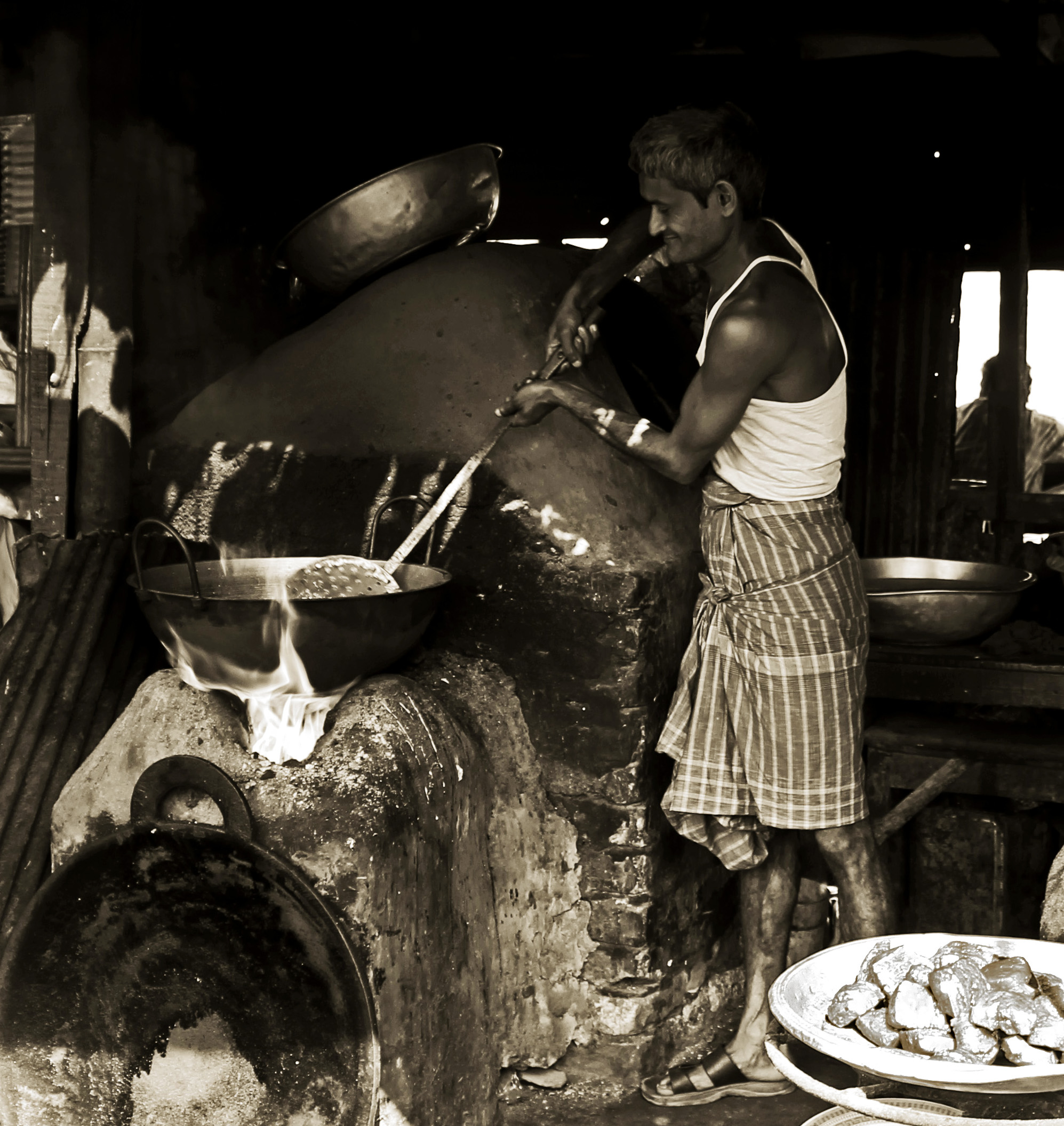
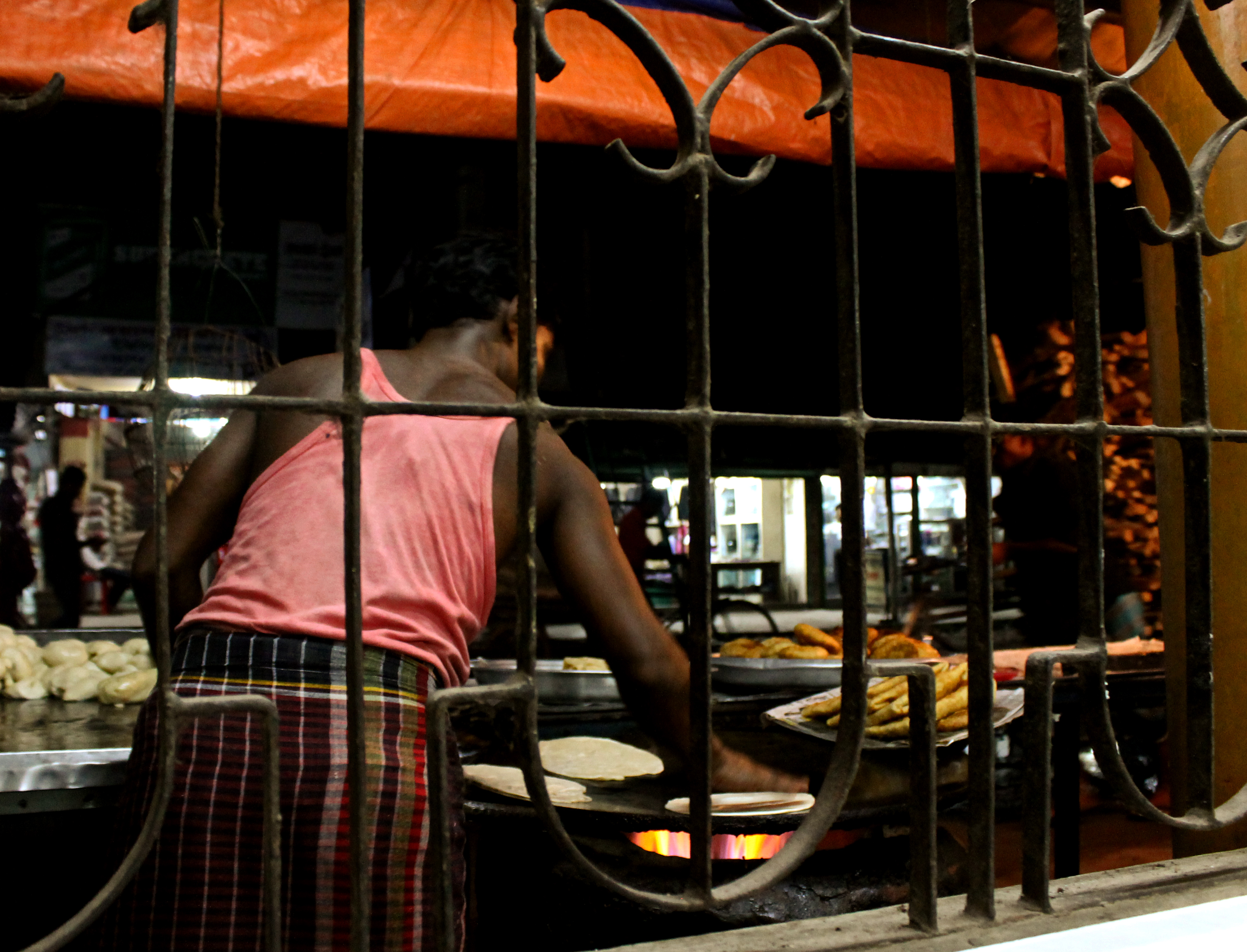
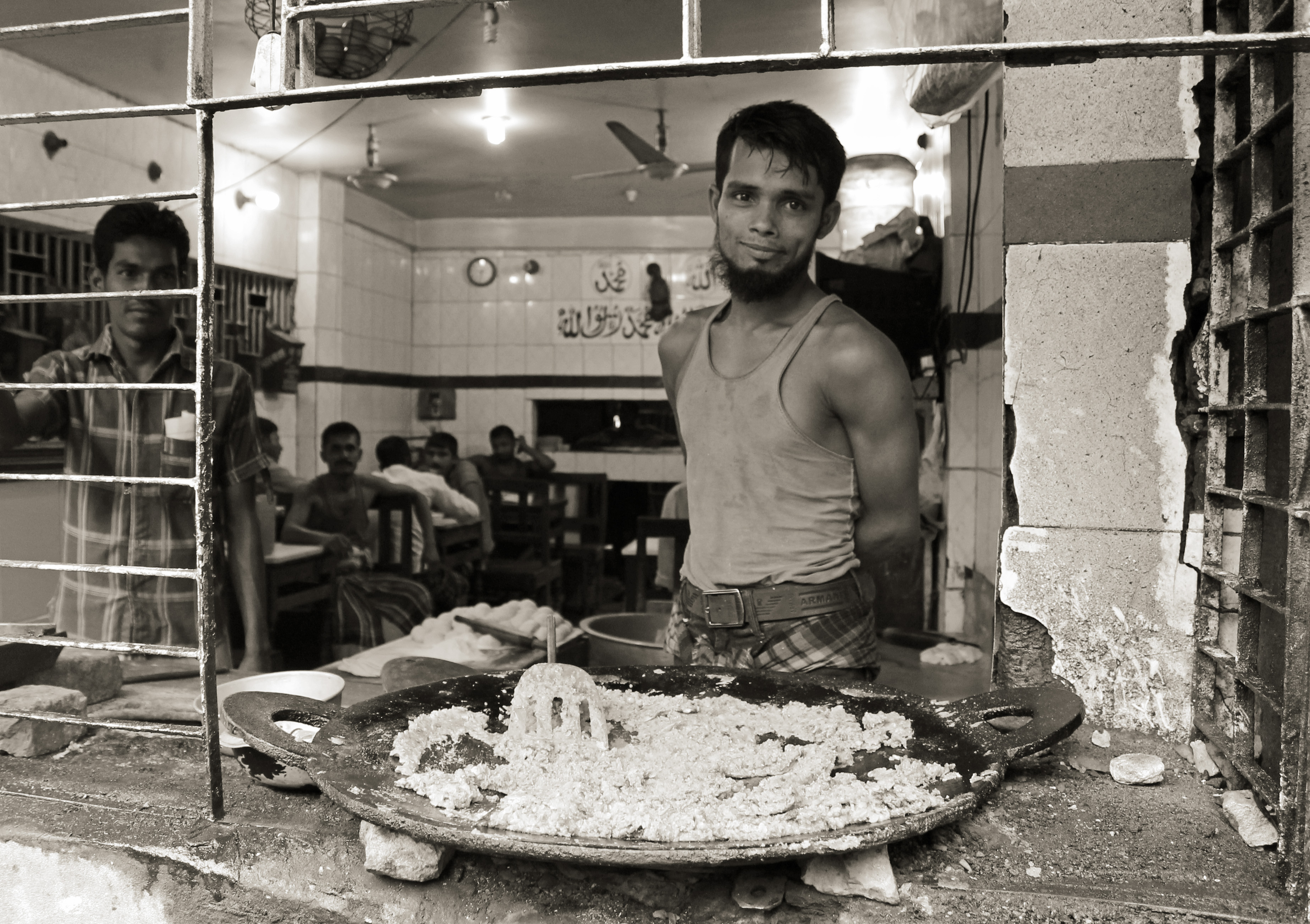
The Cooks

IMG_6113 copy


IMG_5613


IMG_1781


IMG_1638


Bangladesh faces


The Load Carriers and Goods Transporters

IMG_8724


IMG_8280


IMG_5942 copy


And finally, the metalsmith

IMG_5687


All images © John Stanlake


Bhaiya, Cha Khaben?

Tea Shops of Chittagong


It’s probably no secret that one of my favourite activities in Chittagong is drinking tea. You may be thinking well, he’s British, so it kind of figures. Along with queuing and in depth discussions about the weather, we Brits love nothing more than a hot brew. Drinking tea; It’s what we do. When we’re upset, confused, nervous, celebrating, commiserating, pontificating, procrastinating, gossiping, etc, etc….we put the kettle on, and we go straight for the teabags.

Well, here in Chittagong there seems to be a similar culture. One of the main differences being however, that tea drinking is a far more public event. Groups of men and women (but usually men) can be found far and wide across the city (and the country of course) sipping on hot, sweet tea, and I often end up becoming a member of one of these groups. In all honesty it’s not so much the tea that draws me in, but rather the experience that surrounds it.

I love the scene and the way life is played out over cups of tea. The comings and goings, the cross section of diverse characters, the energy, the humour, the mystery, and the undulating pace of each individual experience. The tea stalls/shops come in all sorts of shapes and sizes, and it’s incredible just how many exist here. I could go on and on trying to describe it in words, but recently I decided it would be far easier, and probably a much greater sensory experience to present Chittagong’s tea drinking through a series of images.

Thus, in the past two weeks I have wandered around the city visiting a vast array of Cha-er dokan (tea shops) and here are the photos I captured. It’s safe to say that in excess of twenty cups of tea were consumed in the process. I should also state that whilst in some photos the people do not look overly happy about the image being taken, I always make a point of checking with people (often 2-3 times) that they are ok for me to take the photo. From my experience it is very common for the people I’ve met to switch to their most serious expression when the photo is taken.


A common scene found across the city and country


‘Adda’ – informal conversations on a quiet day


A variety of snacks to accompany your tea


This shop is as wide and as deep as the photo suggests


IMG_0920

The roadside tea shop


IMG_0925

Bananas, bread and tea


IMG_0943


Beside the rail tracks, the tea shack – a community centre


Learning the trade early


One of the noisier tea shops – located by the side of a frequently congested main road


IMG_1014

TMT – a larger establishment with a reputation for fine tea


One of the many tea sellers who populate this city


IMG_1030

A bustling tea/food shop


The rickshawallah’s break


Discussing the day over early evening cha


The hub of a road or area


IMG_1052

A common snack here in Chittagong


Evening entertainment at the tea shop


No finer way to spend 10 minutes


The essentials


Watching the world go by


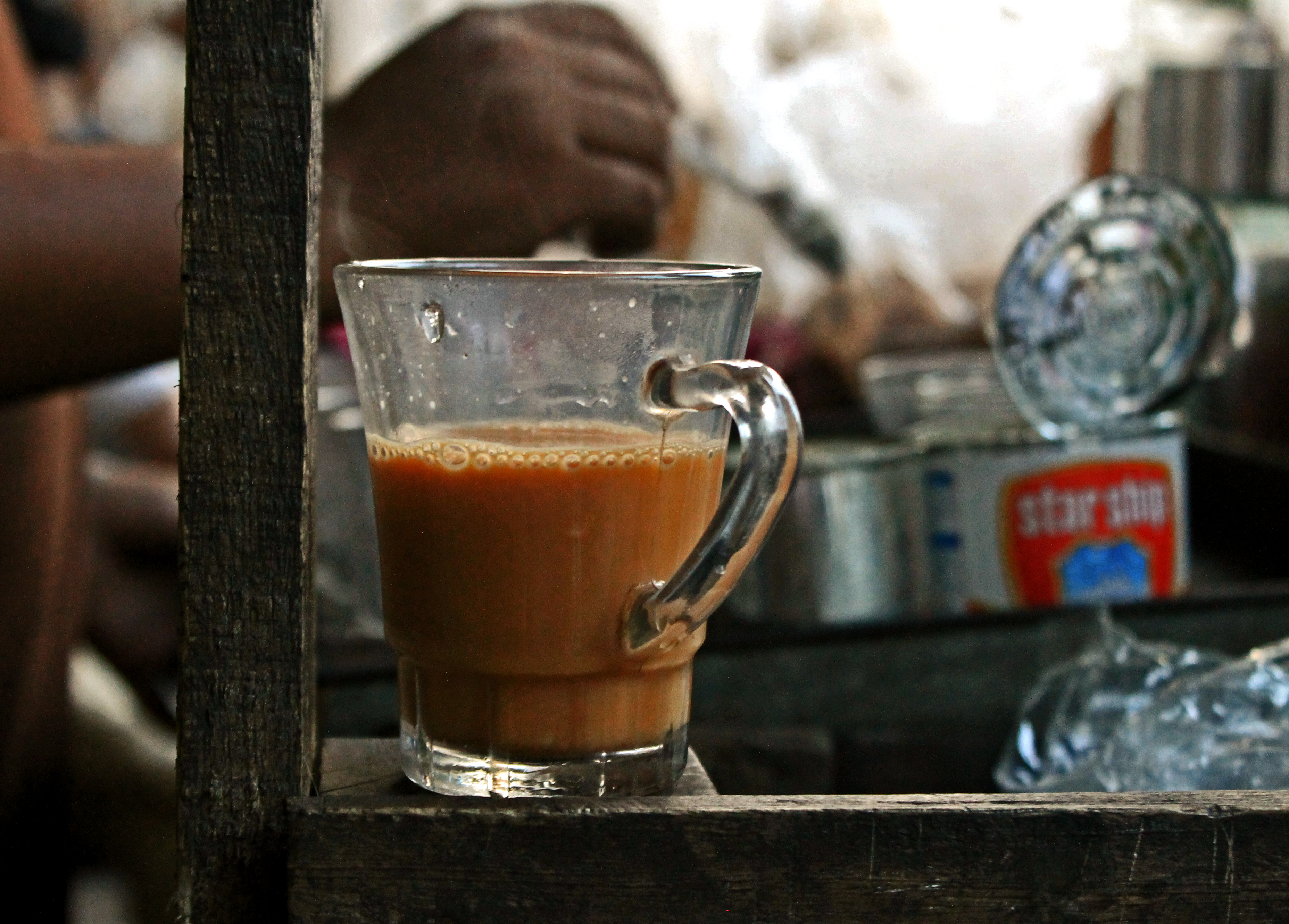
A small cup of tea and condensed milk greatness


Tea shop faces


IMG_1065

The mobile teawallah


And finally in an ode to tea drinking here is a song from one of my favourite bands, Kula Shaker, who have captured the magic of a nice cup of tea magically. Enjoy!

Drink Tea for the Love of God


All photos © John Stanlake

Learning To Learn Again

Some weeks ago I contributed a post to the Asian University for Women’s  Center for Teaching and Scholarships blog. It is a space for teachers and professors to reflect upon their experiences as educators. I thought I’d share this post on my personal blog also, as it seems like an appropriate time. The current school year has recently come to an end and I’m feeling proud of the students I taught this year, as they have now successfully graduated from the one year Access Academy course and will move on to the full undergraduate program in August.


One of the most rewarding aspects of this job is the influence you can have on the education of your students. It sounds obvious of course, but well-planned lessons, engaging subjects, and interactive instruction is the catalyst for an effective learning environment. There may be times when you reflect on a specific class you have taught, or a topic you have covered with your students, and wonder if they gained as much from it as you had hoped. However, overall your support, guidance, and enthusiasm have the ability to direct your students on the path to independent and inquisitive discovery both inside and outside of the classroom.


Personally though, I have become aware during the past five years of incredibly varied teaching roles that it’s not solely my students who (hopefully) have this opportunity. From preparing lessons, teaching classes, facilitating discussion, and, crucially, from listening to my own students, I too have learned so much, and in many ways it has significantly reignited my individual desire for learning.

Upon completion of my Masters Degree, and prior to embarking on my life as a teacher, I spent 18 months working in an office. The job was fine enough and helped to clear some mounting post-university debts whilst introducing me to the day to day responsibilities of paid employment. However, it led to a noticeable stagnation of my motivation to seek out new knowledge. This may very well have been a consequence of my own personal misguided path, but the nine to five routine left me demotivated in other aspects of my life, and whilst I didn’t recognise it at the time, I needed something to change.

In hindsight I did learn tangible lessons from my first ‘proper’ job. It clarified in my head that having progressed somewhat zombie-like straight from school to university, I now needed to explore beyond that particular bubble. At this point I didn’t really know quite where that would take me, but as I reflect on the places I’ve lived, worked, and visited since that fork in the road, I feel pretty satisfied with the choices I made.

It began with an important and life-changing decision to rectify the dissatisfaction of 18 months behind a computer screen, and it was at this juncture I travelled to Rwanda as a volunteer teacher in a rural secondary school. It was a challenging year, but also highly rewarding. One of the main reasons for this was my assignment to teach Entrepreneurship.


My initial reaction was to panic and focus entirely on the fact that I considered myself to be the least entrepreneurial person I knew, most probably due to my cautious and frugal nature; two qualities that no career entrepreneur would ever claim to possess. However, once I set about building a syllabus, seeking out resources, discussing ideas with my peers, and thinking logically about how I could best guide my expectant students, it became something of a new and exciting challenge.

Entrepreneurship requires a great deal of “out of the box” thinking – something many of my students were not accustomed to. Therefore, in order to teach the students before me, I had to learn, and I had to learn fast. I recall sleepless nights, confused faces, and undoubtedly one or two lesson plans that in hindsight may not have been the most effective. Yet, by the end of the year this experience had taken me back to the period prior to my office job. I was driven to learn once again.


At AUW this experience has been no different. Teaching ‘Interpreting Texts’ in the Access Academy has provided me with broad scope to develop a course that covers a range of topics and utilizes a variety of sources and authors. This past year we studied issues relating to identity and gender. We debated the merits of anthropological research and scrutinized the influence of modern media on our lives. We investigated how fear and stigma perpetuates the global HIV crisis, and we spent time reading about the intricacies of a divided Sudan. We read textbooks, journals, academic texts, editorials, blogs, and even found time to analyze the lyrics of Simon & Garfunkel, The Beatles, and The Kinks.

Each week I feel I learn just as much as my students, and of course lesson preparation and in class instruction account for the bulk of this. What should not be underestimated though, and is a factor that has become abundantly clear during my time at AUW thus far is the knowledge I gain from my students.


We’re from contrasting regions of the world and they have faced significantly different journeys to my own, so whenever we discuss a topic in class or they write a response, I am exposed to new thinking and new perspectives I may have otherwise failed to consider. The wonderful consequence of this is that unlike my previous non-teaching job, which at times left me feeling uninspired and lacking direction, I now have no option but to learn and grow as both a teacher and a person, and to strive to consider the world around me. It is thanks to this job and my inspiring students that I am able to experience these opportunities.


English Football – Observations from Bangladesh


Reflections on the state of English football


With the opening stages of the 2014 football world cup well underway, thoughts once again turn to pride and prestige as many of us across the globe hope to witness our team get their hands on one of sport’s most sought after trophies. The media in England has no doubt been awash with confusing contradictions of expectant hope, yet inevitable resignation to disappointment and failure.

Retired players fill the BBC and ITV studios spouting clichés and stating the obvious (and if you’re poor old Phil Neville, boring the socks off viewers!), whilst certain tabloid newspapers call on football fans to summon that ‘bulldog spirit’ and wave the St George’s cross with pride and vigour. Baddiel and Skinner fill the airwaves, and we find ourselves staying up until the early hours to see how the clash between Iran vs. Nigeria ends.

I write this with a certain pomposity but also hypocrisy, as deep down I love this four week period. There is something magically compelling about the football world cup, and if truth be told, I have found myself googling facts about the Bosnia manager, statistics about Honduras’ previous world cup appearances, and the national anthem of Switzerland.

On Saturday evening I set my alarm for 3.45am so that I could wake to watch England’s opening game with Italy, which kicked off at 4.00am here in Bangladesh. Earlier that day I pinned my flag of St George to the bars on my small balcony, which overlooks the narrow street below, in anticipation for the chance to erase the memories of being sat in a cramped bar in Rwanda and witnessing England capitulate against Germany in 2010.

However, in the days leading up to the start of the tournament one question consumed my thoughts. It wasn’t who I supposed Roy Hodgson would select for the right back position, or which player would belt out the national anthem with the most exuberance. No, I was a little confused by the implications of a rapidly transformed Bangladesh.

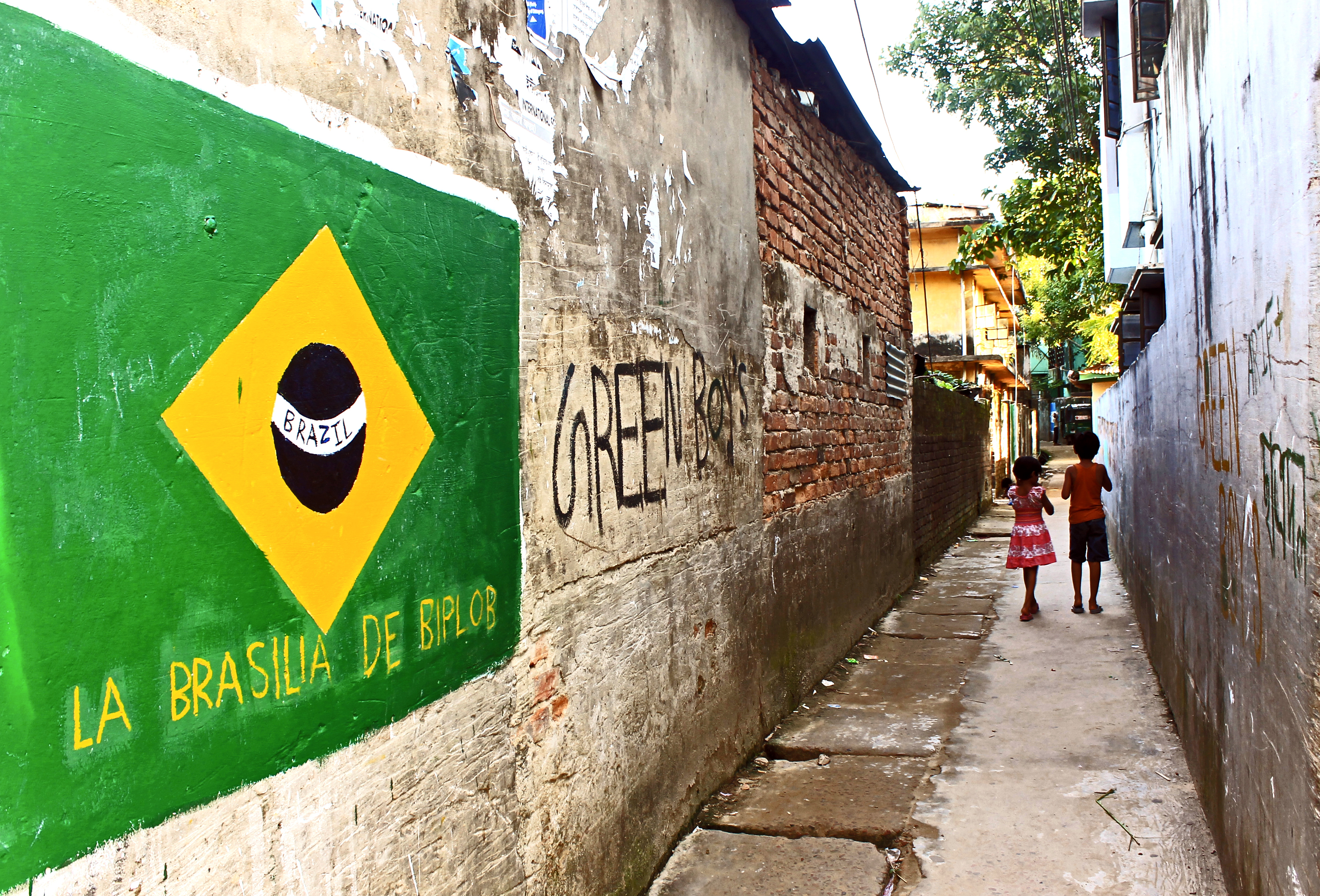
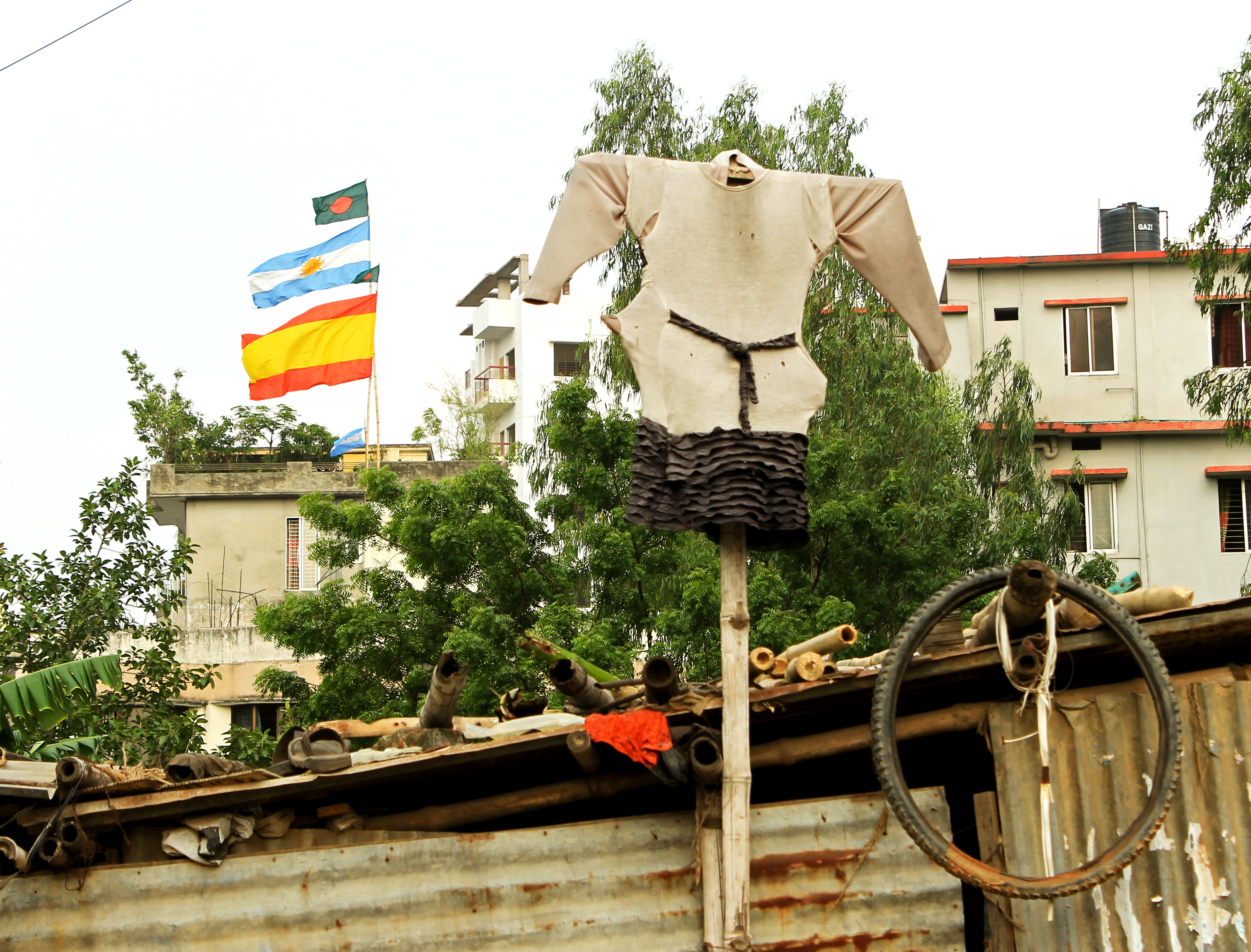
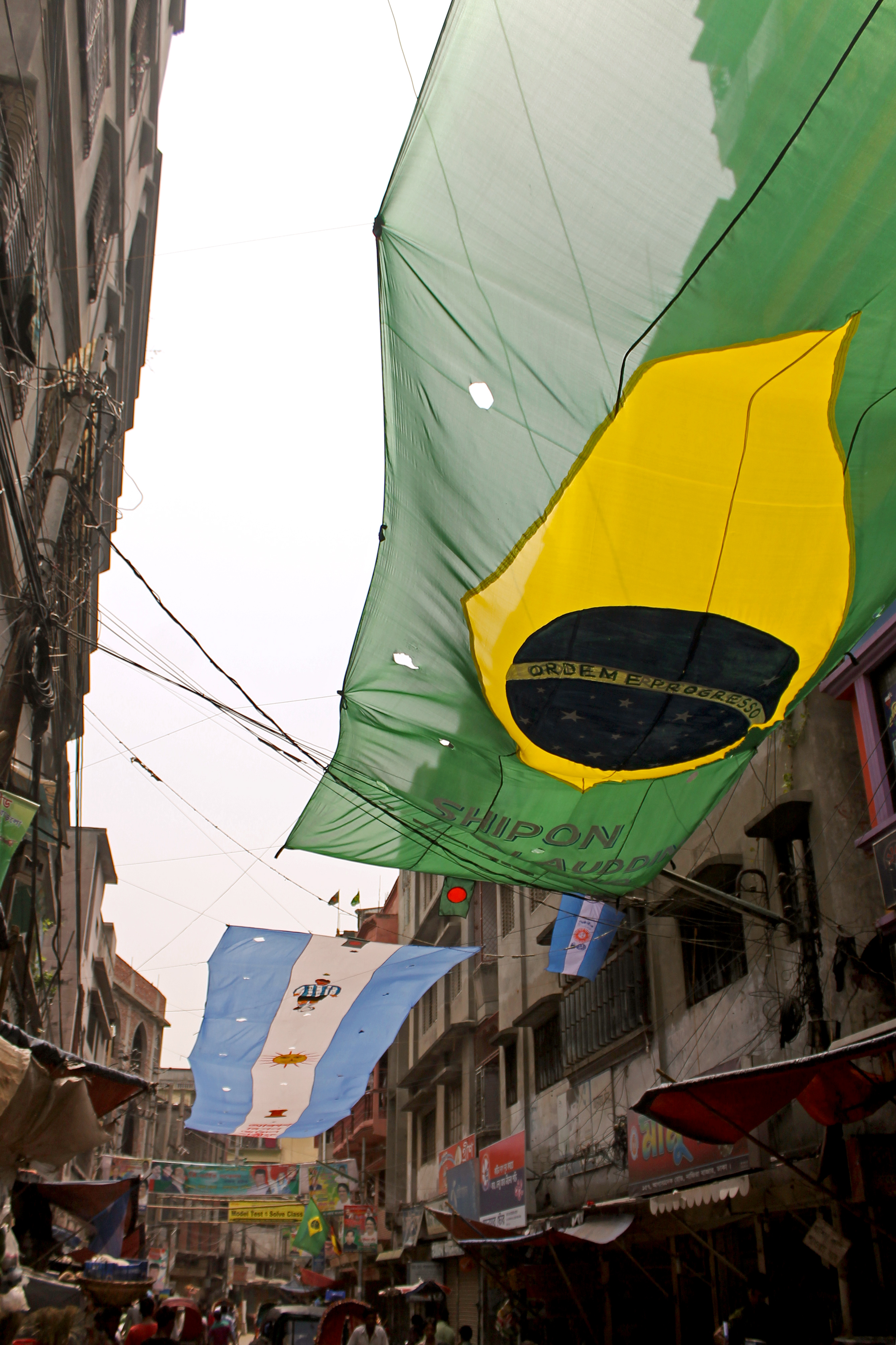
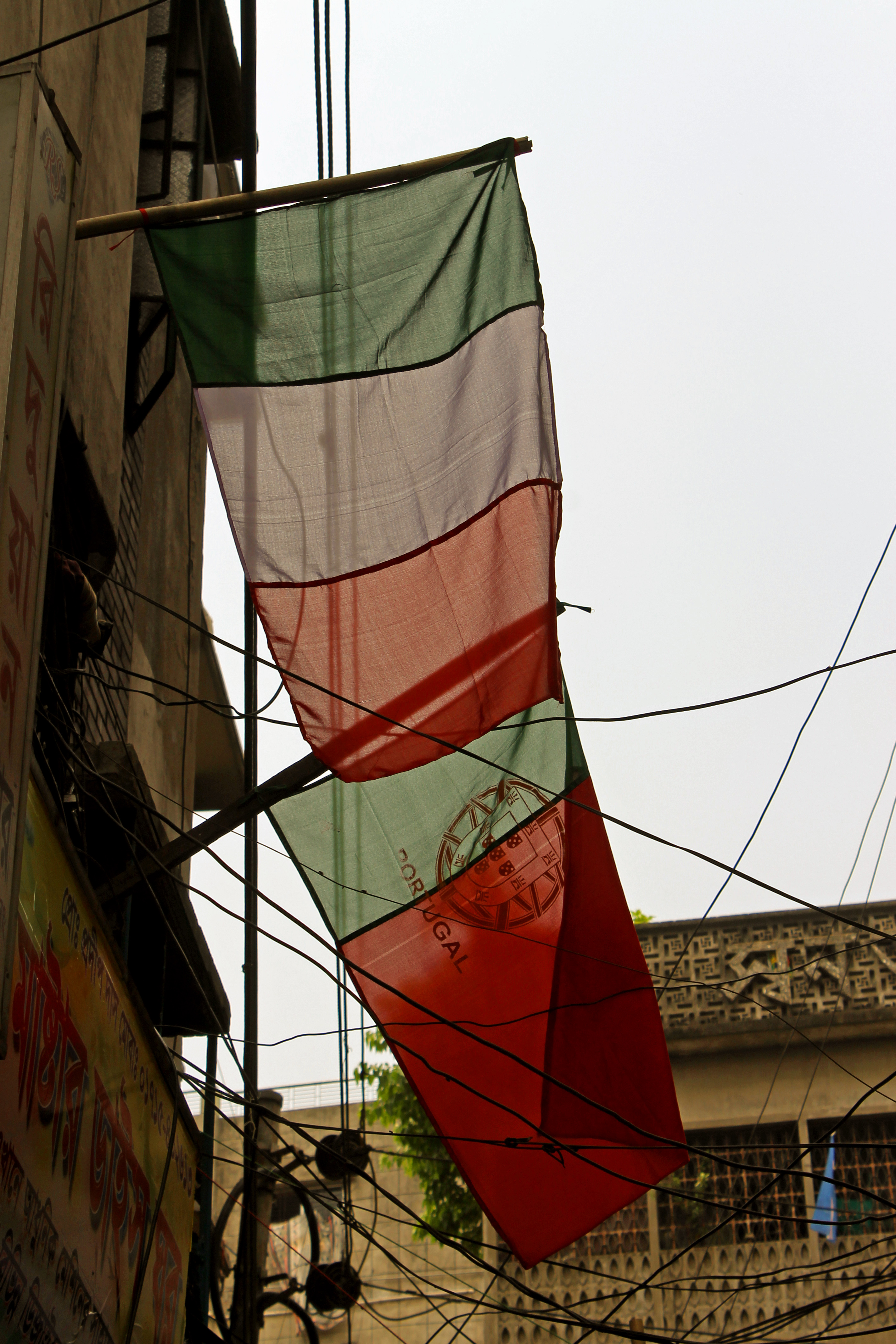
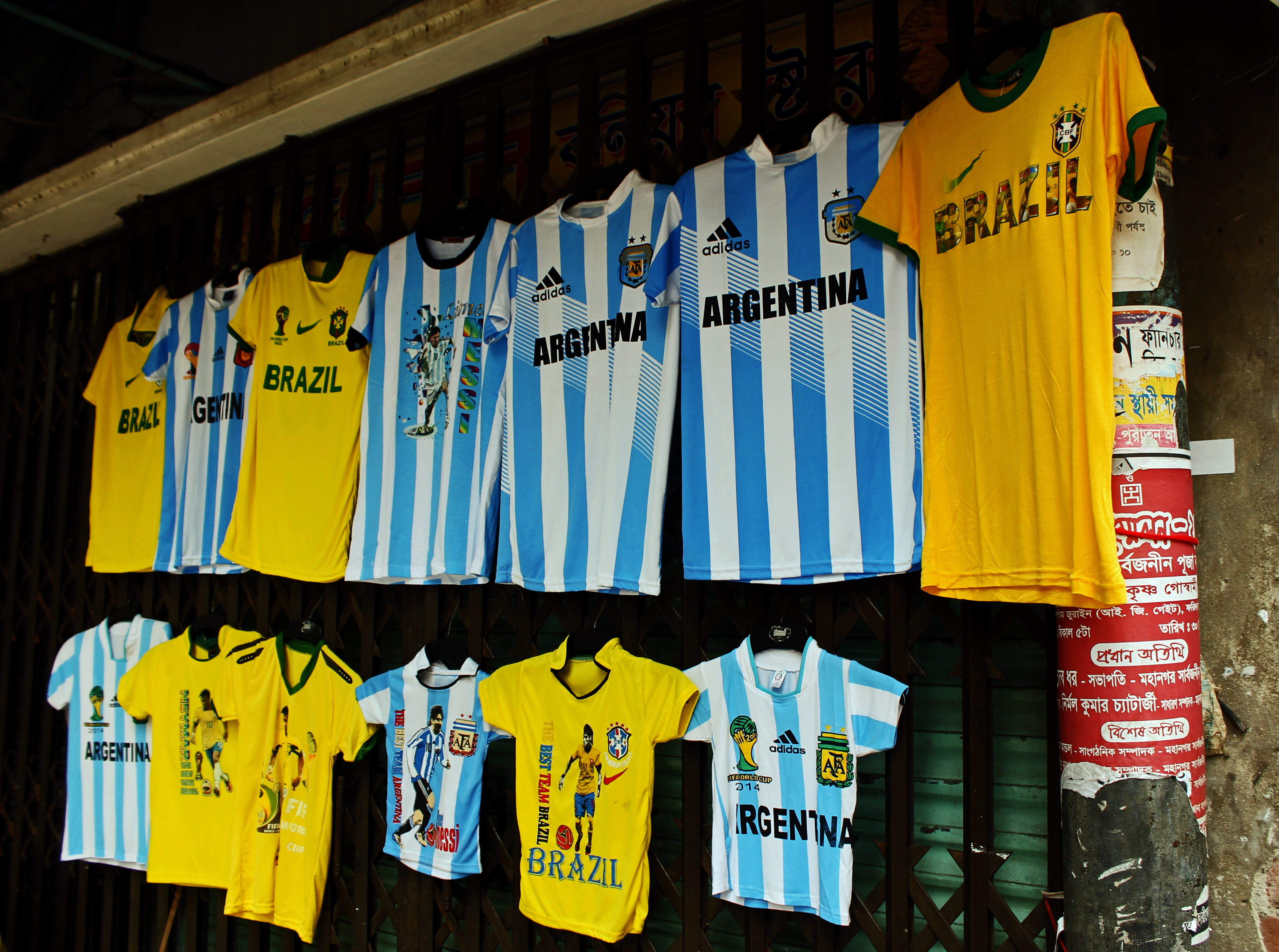
Over the course of a few days prior to the opening game, the streets became a festival of colours with flags hanging from windows, painted on walls and pinned to car bonnets, and also commonly attached to rickshaws. As I looked around and began to notice more and more flags, it dawned on me that my red and white cross of England was quite unique.


Chittagong and Dhaka are overwhelmed by the distinctive blue and white of Argentina and the trademark yellow and green of Brazil. German flags also feature prominently, whilst Spain, Italy, Portugal and France have their fair share of fans. Yet, England is strikingly underrepresented. It may sound arrogant and presumptuous, but I have been left a little puzzled by this.

Having witnessed many enthusiastic responses to England’s cricket team from Bangladeshis, I assumed football would be no different. In a country where the English Premier League is so revered, and the replica shirts of England’s domestic teams dominate the markets, I couldn’t help but wonder just why the England national team doesn’t command a similar level of support. After reflecting upon this, and also having sought the views of friends and students, I have concluded that it represents something of a worrying indication of the state of English football.


The reasons offered by my Bangladeshi students and friends when I posed this question made a lot of sense. Football is unquestionably popular here, yet the national team is currently ranked 35th in Asia and 167th in the FIFA world rankings. Therefore realistically it seems unlikely at this point that a first ever World Cup finals appearance for Bangladesh is imminent, and so to engage with the big stage events such as the World Cup, people choose an adopted country to support.

As one of my students put it, “By supporting a team and hoisting their flag, we just want to be part of the greatest show on earth.” It is on these occasions that people get the chance to connect with the sport on a whole new level. So why do Argentina and Brazil dominate people’s affections here?


Well, everyone likes a winner. It’s the reason the sight of a Manchester City shirt has become far more common in the past year or so here in Bangladesh. It also explains why I receive blank looks when I tell people I support Plymouth Argyle. Brazil have lifted the World Cup five times and Argentina are a consistent performer. Germany and Italy also both have a reputation for success when it matters, and the emergence of the Spanish flag is no coincidence given their consecutive triumphs at the 2010 World Cup and 2012 European Championships.

Naturally many people here don’t remember, or are unaware of Geoff Hurst’s hatrick at Wembley in 1966, or our countless penalty heartaches, and thus we (England) have built a reputation of being distinctly average.


The style of football is also important. The samba skills of South America are a major factor. There is passion and art, with crisp, short, sharp passing, mazy runs, cheeky dinks and thunderous shots on goal. This is what people want to see when they tune in to see the stars of the world stage. They don’t want to spend 90 minutes witnessing teams hoofing a football 80 yards, or scoring and then positioning all ten players behind the ball. People want to see pace and skill and this is why Bangladeshis have taken South American teams to their hearts.

The continent is home to two of football’s biggest legends – Messrs Pele and Maradona. Their fame is felt here in Bangladesh too, and as one friend explained in reference to the ‘Hand of God,’

“Some Bangladeshis have a crazy kind of infatuation with him. His cocaine induced antics plus his blatant disregard for the laws of the game and some serious skills too, won millions of hearts.”

Maradona’s legacy clearly lives on, but in addition Argentina and the world (including Bangladesh) now have a new legend to worship – Lionel Messi. Undoubtedly close to cementing himself into football folklore, Messi has given people here even more reason to back the Argentinians.


Market in Dhaka


England have fallen behind in the global popularity stakes. We just don’t have a genuine global star anymore; a player that excites fans across the globe and creates anticipation and expectation when the ball is at his feet. Argentina has Messi, Brazil has Neymar, Portugal has Ronaldo, Uruguay has Suarez, Italy has Pirlo, Spain has Iniesta, and the Dutch have Van Persie. We have Rooney. As much as we may want to believe otherwise, Rooney is not a global superstar. David Beckham is the last player to represent the England national team who captured the imagination of fans right across the globe, and even then I’m inclined to say it wasn’t solely due to his performances on the pitch.

“The English Premier League is the best in the world.”

These are the words that echo through the corridors of the FA Headquarters in London as executives pat themselves on the back whilst watching the global sponsorship deals roll in. TV broadcasting contracts have completely changed the face of English football, yet as I walked the streets of Chittagong and Dhaka this past week, it became apparent in my mind at least that this has had little effect on our national team.


The Premier League is, and consistently has been a veritable feast of footballing talent. Drogba, Henry, Bergkamp, Vieira, Van Nistelrooy, Suarez, Zola, Toure, Torres, Silva, Aguero, etc, etc. As spectators we have been thoroughly spoilt. Yet, where are the home grown players stamping their authority on the international scene? The Premier League is undoubtedly a phenomenal importer of global talent, but when it comes to exports we are a long way behind. In my mind this is reflected in our performances at international level, and thus, as a result we lack success, we lack entertainment, and we lack appeal.


Am I denying the English Premier League has revolutionised the game of football for the better in many ways? No. And has it pushed the limits and the levels of performance from players and teams to a new level? In many ways, Yes. However, somehow in England, where many of us follow our domestic and national teams avidly, we have been left behind. We need to find a way to catch up, and we need to catch up fast.

Do I want the England flag to be flown all across Bangladesh during the next cup? No, I don’t, for many reasons, and some of which are more obvious than others. That’s not the point of this blog post. I would just like our FA to recognise and acknowledge that whilst the Premier League is of course a mechanism for so much development, it is also imposing a stranglehold on the development of our young home grown talent that if not loosened will be felt for many years to come.

I’m posting this just hours before England’s crucial group clash with Uruguay, and therefore by the time you read it the national team will either be preparing for the next crucial encounter (against Costa Rica), or we will be lamenting another disappointing exit from a major tournament. I would really love the England team to shine in this world cup and to make me reconsider everything I’ve just written, and I would love to be able to support a team that entertains, inspires, and captures the imagination of football fans right across the world.

However, as Bangladesh has shown me, unless we change our game right from the grassroots and start focusing on more than simply how much money our top teams can make, we will continue to slip down the international ladder.

Enjoy the rest of the tournament!


All photos © John Stanlake

Brishti Hobe – A Day in Bangladesh


Despite the backpack I carry on my shoulders each day, which commonly provokes sniggers, I am not Bangladeshi. It’s obvious of course, but sometimes I receive very clear reminders. I experienced one such reminder this past Saturday, and having not written anything for a while on this blog I thought I’d share my story of one fine day (as a foreigner) in Bangladesh.


My proud backpack


It all started at 7.30am on a grey, but uncomfortably humid morning. The mission was to escape Chittagong armed only with a bottle of water, a camera, and a resolute willingness to explore. Thus, after a quick coffee and a piece of bread, a fairly random ‘plan’ was hatched. Essentially it entailed buying a bus ticket, boarding the vehicle, riding it for an unspecified amount of time, and ultimately jumping off when our gut feeling signalled it was time. A foolproof plan of that there’s no doubt…

On a basic level the plan worked. We bought bus tickets to Cox’s Bazar, a coastal town roughly four hours south of Chittagong. There was never any intention of a day by the sea though, and three hours into the journey we decided this would be a suitable time to abandon ship, which turned out to be easier said than done. Explaining to the driver and his assistant that we’d gone far enough at this point turned into a 5 minute to and fro. A vigorous debate ensued between us all, prolonged of course by the language barrier. When we finally convinced our hosts to stop and let us off, we left a bus full of confused and concerned faces all wondering just why these two strange foreigners were stood by the side of the road, marooned in the middle of nowhere, and 60 kilometres from the final destination stated on their tickets.


Who needs a complete bus?

Not our bus, but impressive nonetheless


It is true, we had no idea where we were, but as always here in Bangladesh it doesn’t take long for someone to offer a friendly smile and an inquisitive hello. On this day it took little under two minutes and we were soon summoned over to a group of men, sat down in plastic chairs and swiftly offered a cup of tea. For me no day out in Bangladesh is complete without an obligatory cup of tea surrounded by interesting new faces. So, given that this condition had been met within moments of us setting foot off the bus, I concluded that whatever happened from this point onwards, it would end well.

Our mission for the day was photography and we were exactly where we wanted to be – out of the city and surrounded by flat, green, rural Bangladesh. Our location was perfect, now all we needed was the photographs. Unfortunately this is where our plan faltered a little. The aim had been to spend the day wandering, perhaps aimlessly, but with the very definite purpose of capturing scenes of rice paddies, local people going about their daily lives, sunlight hitting the various ponds dotted across the landscape, and finally an epic sunset that would make the early start and the bus trip worth it. It didn’t quite pan out this way.


Within five minutes of bidding our tea hosts farewell, the skies darkened ominously, and it was not long before a man from the group of tea drinkers came up behind us with a concerned look on his face and exclaimed “brishti hobe!” – rain is coming! He was correct, and so very kindly invited us to shelter in his home until the shower passed. An hour later we were still there, but it didn’t matter, he and his family made us typically welcome and we had as much fun sat there getting to know his relatives as we would have had exploring the area.

Our host had two children. He also lived with his wife, mother, father and sister who brought us juice and biscuits and seemed concerned that we politely refused the offer of rice several times. His father sat in a separate room and with a warm but somewhat confused look on his face (probably in response to the mystery of how two foreigners had ended up stranded in his house and disrupting the usual equilibrium) invited us to sit. He stared at me intently and then proceeded to ask me a series of quick-fire questions in Bangla. Now, I can respond to several basic questions and even respond with questions of my own, but once the introductions are complete and the comments about how hot it is are over, I’m stumped. This didn’t deter our host though – the questions came thick and fast, much to the amusement of his wife who was peeling lentils outside in a corridor, and sniggering heartily. The more inquisitive he became, the more confused I sounded.


Our host's wife and daughter

Our host’s wife and daughter

Our host's neighbour

Our host’s neighbour


Outside the rain continued to pour down and our hopes of photography faded. No matter though; we were walked over to a neighbour’s house and once again the introductions began. A jovial man welcomed us and we got the sense he was perhaps a central figure in the community. Insisting we sit for a while and drink some famous Sylheti green tea, he proceeded to call his son….and then hand me the phone. I chatted to his son for a while, who was as hospitable as his father and invited me to stay in his home in Srimangal. It is unlikely that such an invitation would be extended to a stranger you had never met before in the UK, but here in Bangladesh it is commonplace.


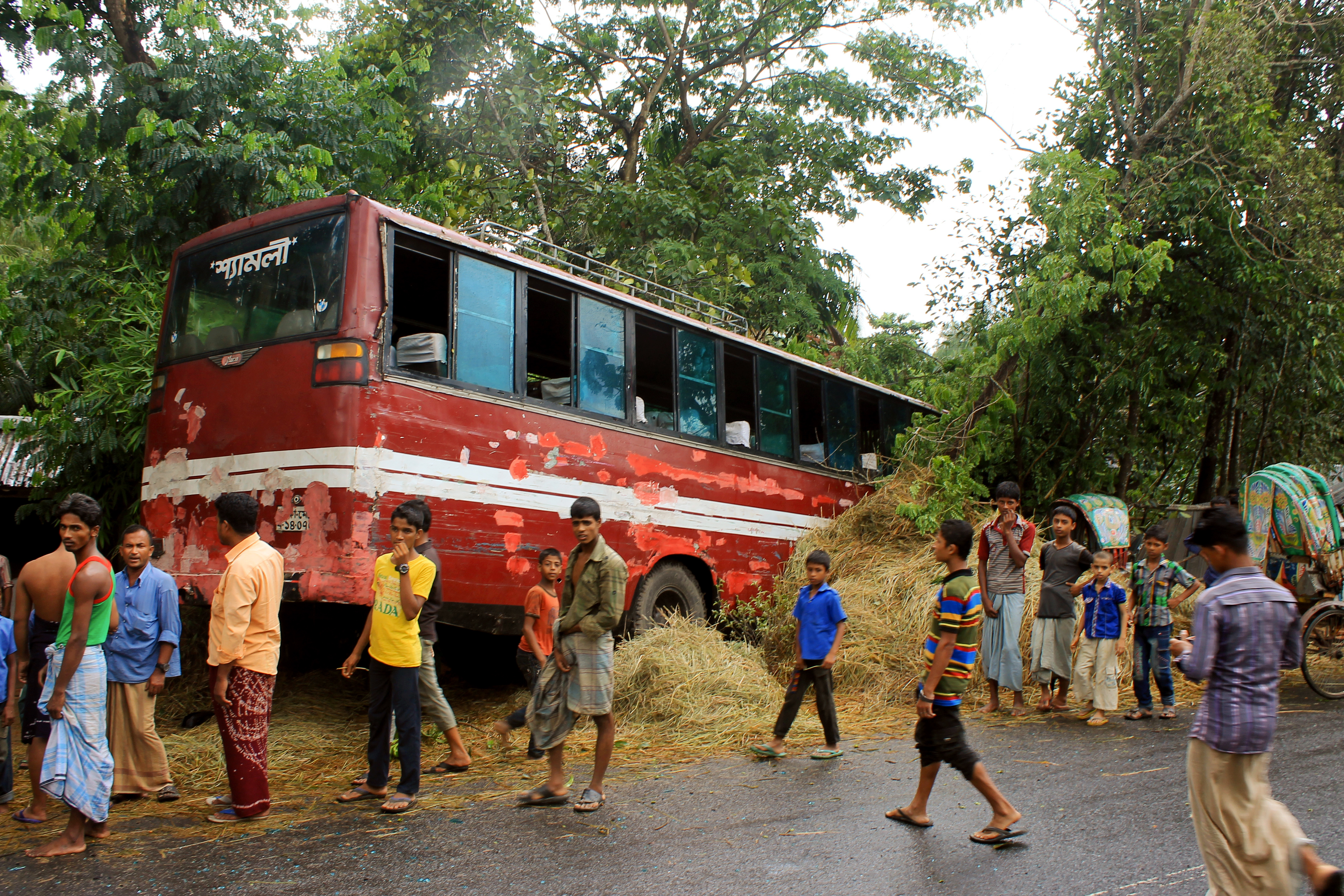
Finally the rain did ease, and as a glimpse of sunlight began to poke its way through the clouds we thanked our new friends who had provided shelter, tea and kind hospitality. At this point we headed up the road, once again completely aimlessly. We were lucky enough to capture some images of the surrounding countryside (and unfortunately a forlorn bus, which was the latest victim of Bangladesh’s unpredictable highways), but overall the main highlights of the day had been the people we met and the experiences we shared.

Another day in Bangladesh.


Unfortunately not an untypical scene


Here are some further images from the day

Sheltering from the rain


The view as we stepped off the bus


All images © John Stanlake


In the Full Blossomed Paddy Fields…


Sandwip


Pronounced ‘Shon-deep’ (or Shun-deef depending on who you talk to) the island of Sandwip sits at an estuary of the Meghna River on the Bay of Bengal. Open precariously to the elements, the residents of the island are no strangers to the carnage and chaos extreme weather can bring. On April 29, 1991 it is estimated that 40,000 people were killed by an unforgiving cyclone that tore through the island leaving thousands dead and even more homeless.


IMG_9147


Almost 23 years on from that day, the island was a perfect picture of calm and serenity when I visited last week to spend a couple of days with a colleague who was born and raised on Sandwip, and whose family still reside there. The memories of that fateful day in 1991 still haunt people though, and as my colleague introduced me to one family member the immediate response was to enquire somewhat confusedly as to why I had come, and was I not scared of the threat of a cyclone? The fear still grips residents of this community and as water levels rise, shores slowly creep towards homes, and extreme weather becomes even more unpredictable, it’s easy to understand why.


Sandwip


However, apart from one short, sharp thunder storm my visit was largely undramatic in terms of weather. The rumbles of thunder and the patter of raindrops on the tin roofs only added to the charm of this place. You see Sandwip proved to be an experience of some contrast to my regular, everyday experience of Bangladesh. In Chittagong (my home for the entire two year duration of my life here so far) the noise of trucks, buses, cars, and CNGs penetrates and pollutes the air almost everywhere you go. It’s a city of 6 million people and thus it is hard to find a place to escape that hustle. I appreciate Chittagong for so many reasons, but the noise can take its toll at times.


IMG_9167


When I returned from Sandwip I told a friend quite proudly and perhaps even a little smugly that I had seen only one lone car during my time on the island. His response was to point out that I had in fact been rather unfortunate as most visitors don’t see any!

Without wanting to sound patronising or to belittle Sandwip in any way, I would sum up my time there as taking a step back in time. I mean this in the most positive way. At night the stars filled the sky and were as bright as I’d ever seen them. In the day the local market bustled with traders and large numbers of cattle ready to be sold.

Agriculture drives the local economy it seems and manual labour appears to be the catalyst for this. There are countless tea shops, and each and every one seemed to be the centre of discussion and socialising amongst the islanders.


Sandwip


There are few roads on Sandwip. In more developed areas paved paths allow bicycles and rickshaws to pass easily, and if you go ‘off road’ you will find more basic, dusty paths that make it more complex for anything on wheels to pass. Bathing is also a distinctly communal affair for many.

I bathed in the pond close to the house where I was staying. This essentially entailed tying a lunghi around my waist and diving into the pond. It all went fine until I dropped the soap and it sank beneath the murky water, causing much amusement to the onlookers who had gathered to watch me bathe. Sandwip does not receive a vast number of foreign visitors, so my half naked presence in the pond drew a crowd!


Sandwip


Life is visibly tough though for many people here, and it was evident everywhere I visited on the island. Manual labour dominates as I mentioned, and this comes in a variety of forms. For example, as we left the island to return to the urban sprawl of Chittagong, we had to board a speedboat. At the time we and around ten other people wished to travel, the tide was out and thus the channel sat far out in the distance, and before us lay a mass of deep, dense, and unsympathetic wet sand. The solution was to herd us into a nearby wooden boat, and it soon became apparent that 10 men would drag us out to where the speedboat was waiting.

For the next 25 minutes they heaved and used every muscle in their bodies to get us to the water. When the boat became trapped assigned men would leap into action and strategically dig away the offending sand and we’d continue on our way. At some points they would chant in unison to motivate each other and it was apparent that teamwork was paramount. We arrived at the speedboat and 25 minutes later we were back on mainland Bangladesh. Well, not quite. The process was repeated and once again we were dragged across the sand. By the end I felt incredibly lucky to be able to teach.


Sandwip


My time in Sandwip was short, but I caught a glimpse of something I felt it was possible for me to connect with. Of course life on the island is very different to my previous personal life experiences, but there is something about rural Bangladesh which intrigues me. The people were so welcoming and despite my still very limited Bangla skills, I was able to converse and bond with a number of people. My colleague and his family were the perfect hosts and I am already planning on when I can return for a longer visit.

For my full album of photos from Sandwip follow the link below;

Sandwip photo gallery


Sandwip


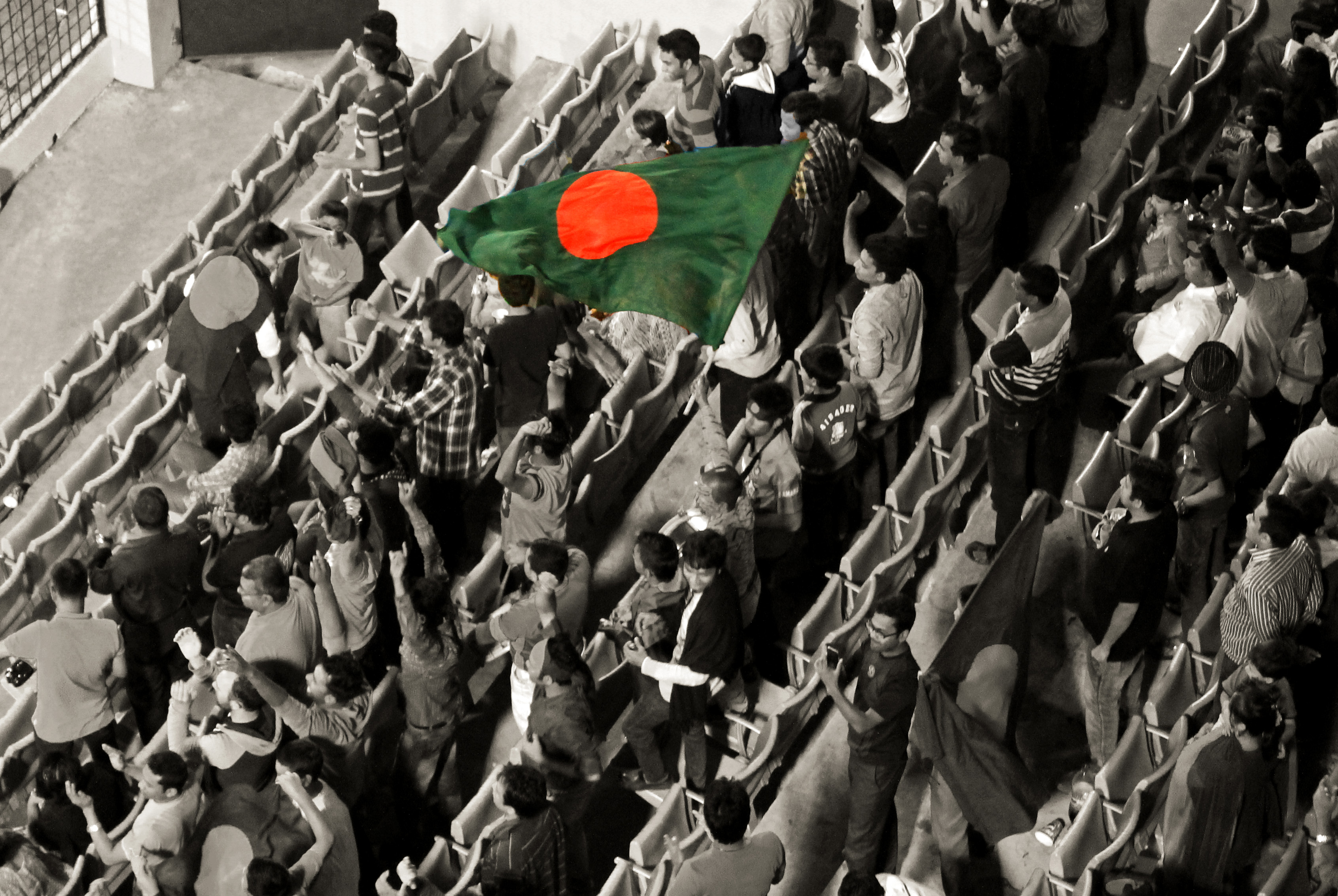
Finally, the title of this blog post is the English translation of a lyric from the national anthem of Bangladesh, Amar Sonar Bangla, by Rabrindranath Tagore. Today marks Bangladesh’s 43rd year of independence. Here is a wonderful rendition of the song,

Amar Sonar Bangla


All images © John Stanlake

Images of South East Asia


I’ve neglected this blog so far in 2014. A combination of work, misguided priorities, and the fact I’ve been slightly daunted by the task of describing a one month tour of South East Asia through words, which will almost certainly not do it justice.

So, for now I’ve decided that I’ll let images tell the story. I took many, but here are 15 of my favourites and a selection which I hope do the places most justice. I chose five photos from Myanmar, Cambodia and Vietnam.

For a more comprehensive album of photos from the trip please follow this link;

http://www.flickr.com/photos/106865437@N03/sets/72157641803829505/


Myanmar

Shwedagon Pagoda, Yangon

Yangon, Myanmar


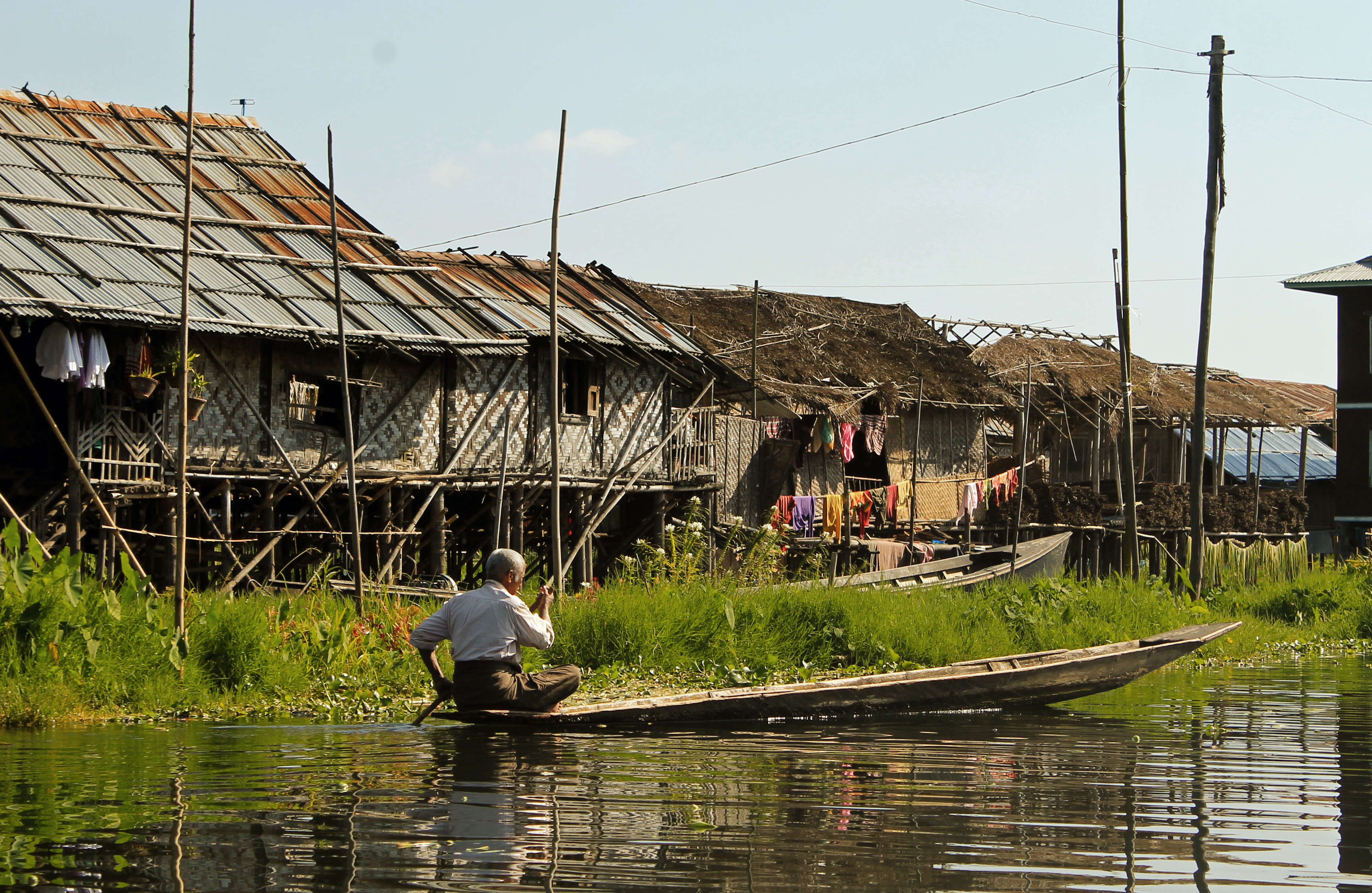
Floating village community, Inle Lake

Inle Lake, Myanmar


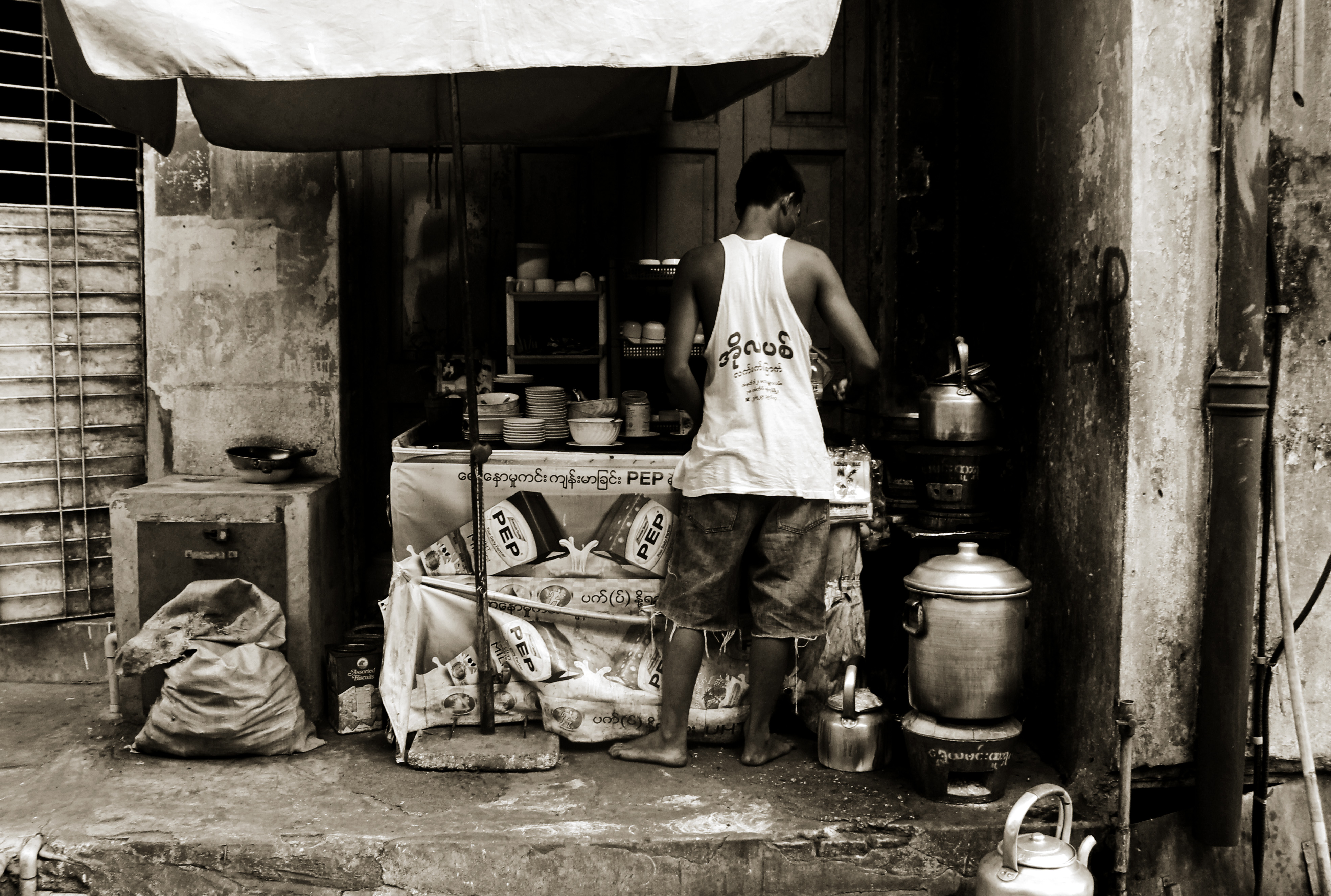
Roadside tea shop, Yangon

Yangon, Myanmar


Sunrise and hot air balloon rides over Bagan

Bagan, Myanmar


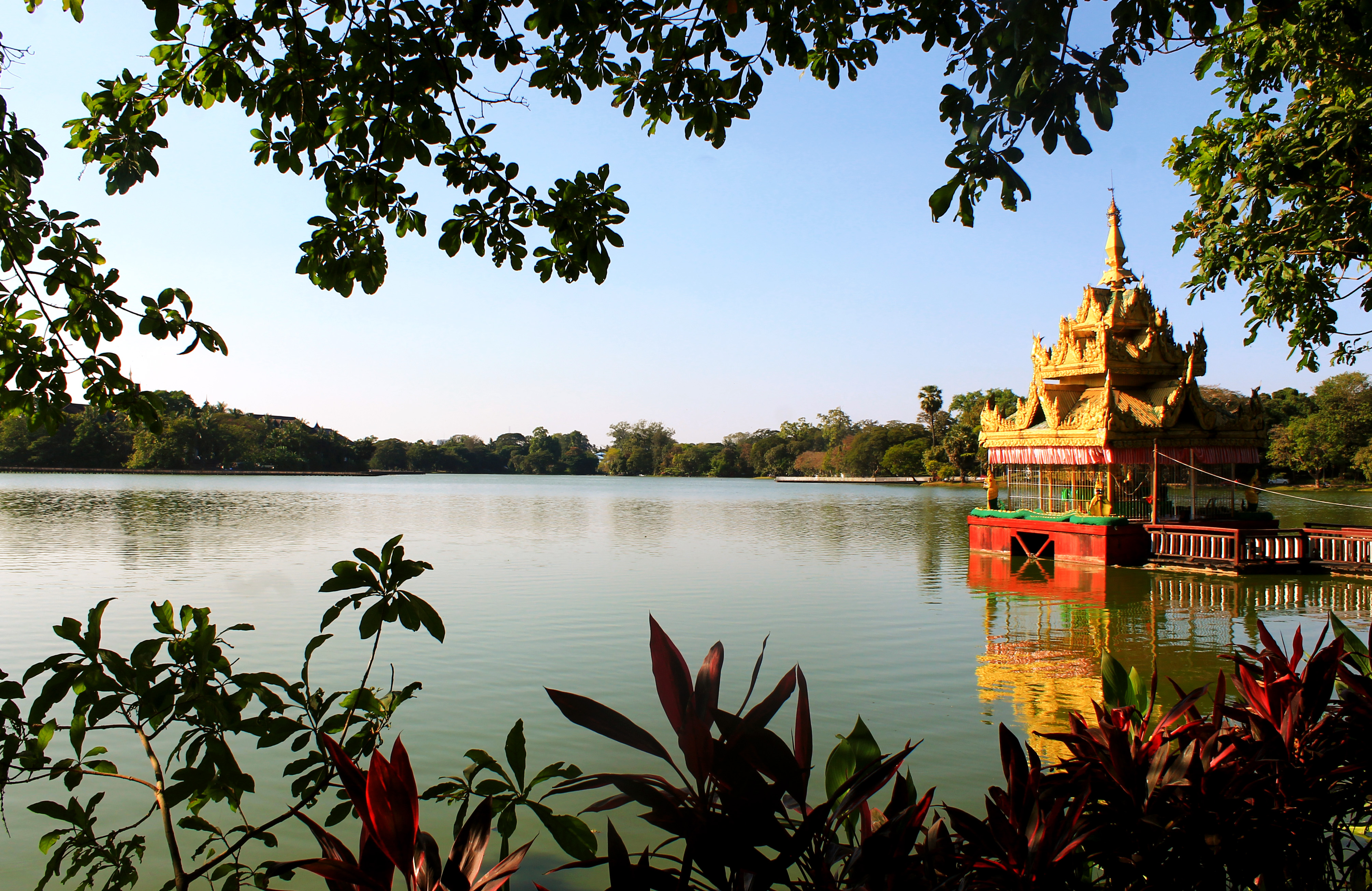
Kandawgyi Lake, Yangon

Yangon, Myanmar


Cambodia

A quiet village road, just outside of Siem Reap

Siem Reap, Cambodia


Sunrise over Angkor Wat, Siem Reap

Angkor Wat, Cambodia


One of the many faces of Angkor Wat, Siem Reap

Angkor Wat, Cambodia


Village home, Siem Reap

Siem Reap, Cambodia


Choeung Ek Genocide Memorial Site, Phnom Penh

(This is the main memorial to mark the genocide that took place in Cambodia during the late 1970s. It is also a burial site for thousands of Cambodians who were victims of Pol Pot’s brutal Khymer Rouge regime, executed here at just one of the many sites across the country, which became known as the ‘Killing Fields’.)

Phnom Penh, Cambodia


Vietnam

Ho Chi Minh City

Ho Chi Minh City, Vietnam


Da Lat hills, in the southern highlands.

Da Lat, Vietnam


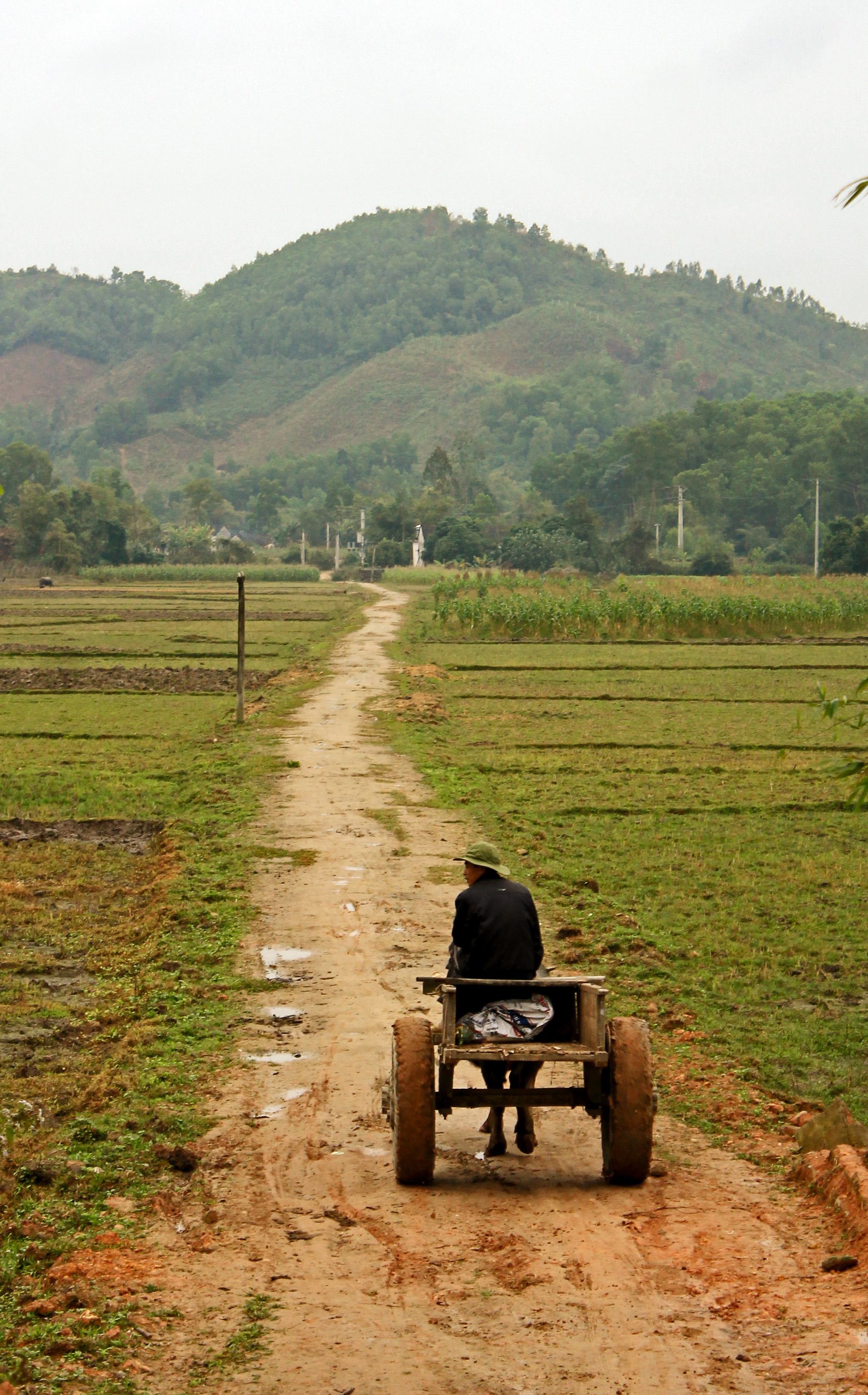
Village road outside Thai Nguyen, northern Vietnam

Thai Nguyen, Vietnam


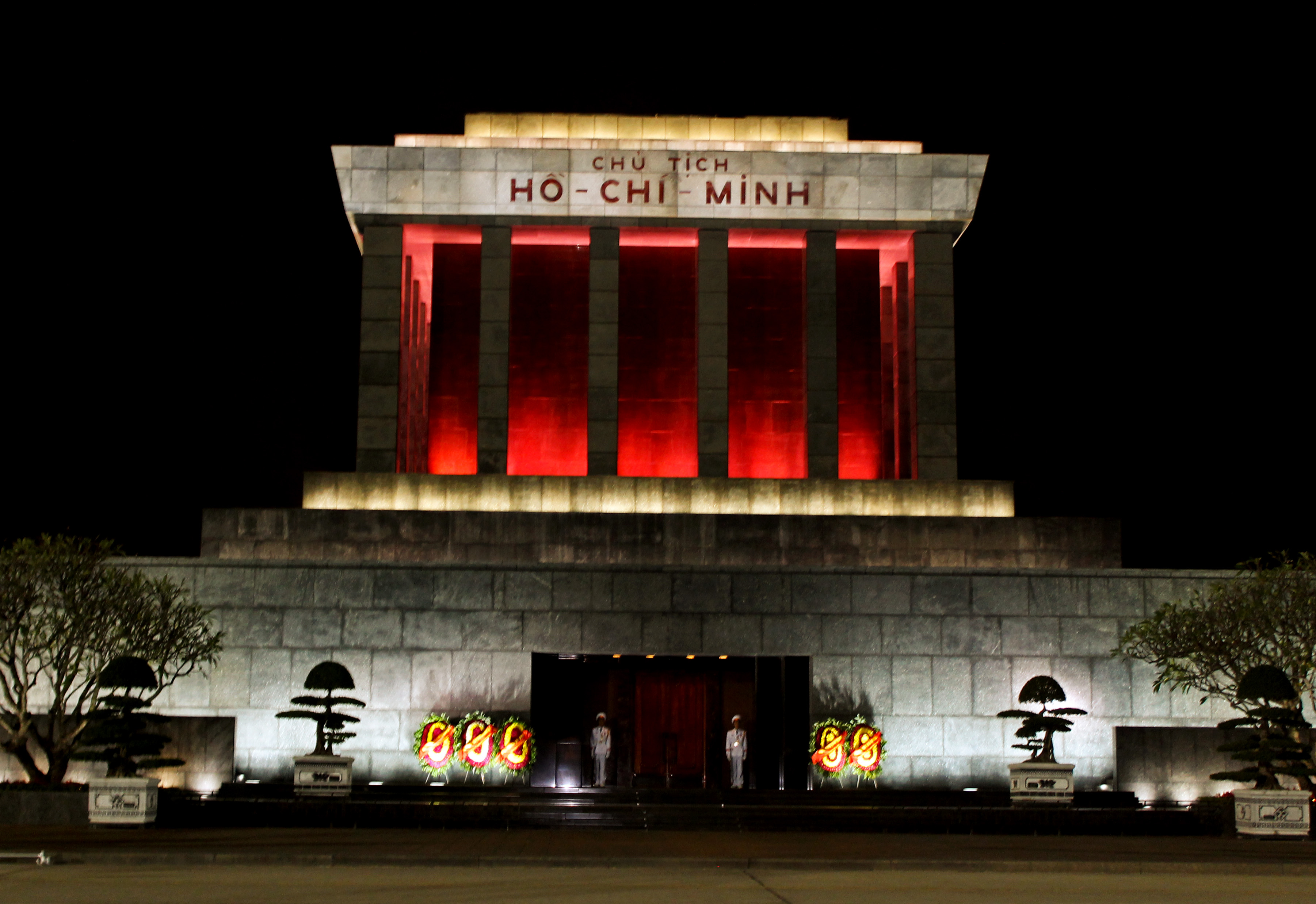
Ho Chi Minh mausoleum, Hanoi

Hanoi, Vietnam


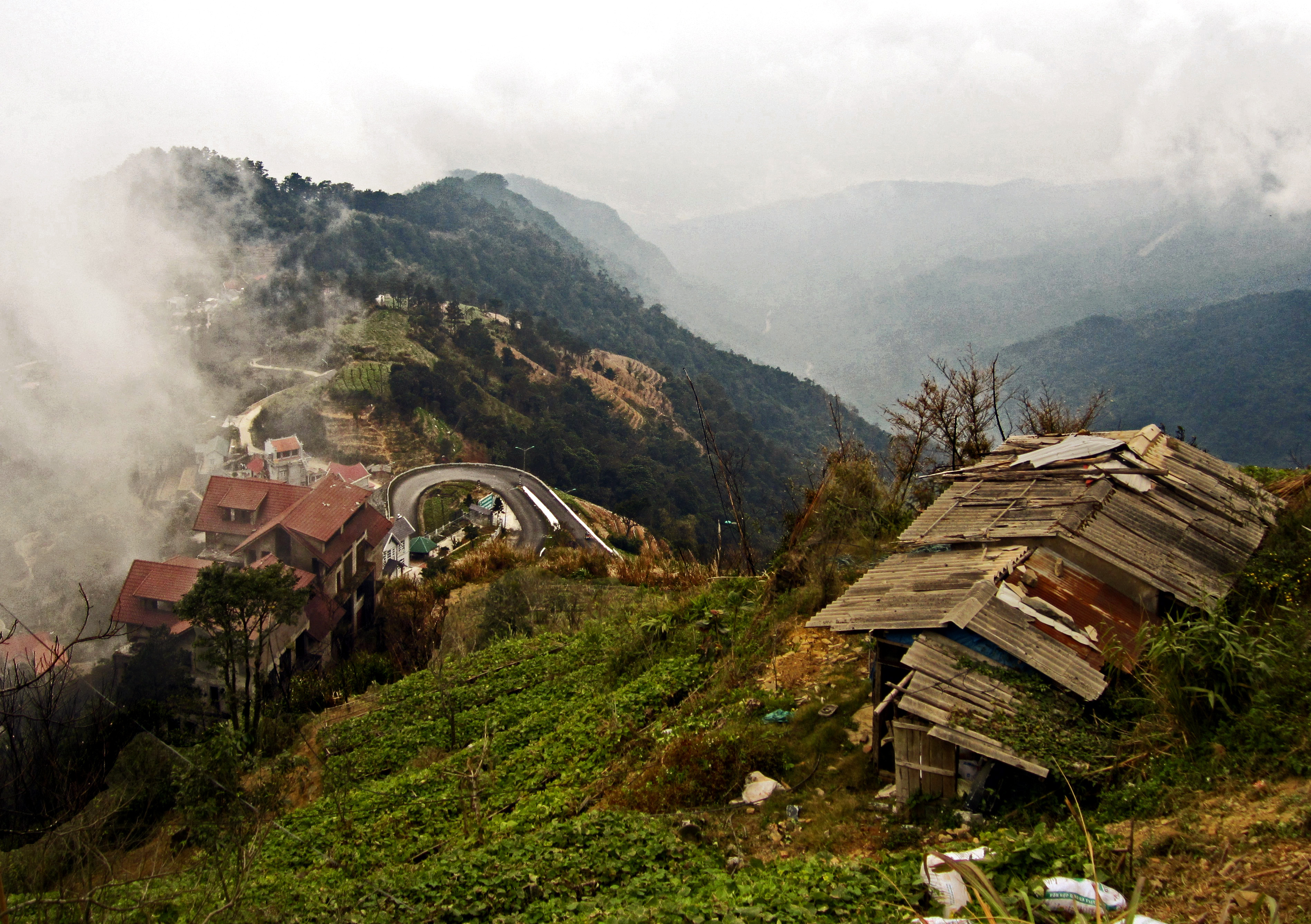
The northern hills of Tam Dao

Tam Dao, Vietnam


It was an incredibly diverse and eye-opening trip. Once again South Asia completely failed to disappoint, and armed with a camera I feel like I saw so much in such a short space of time.

Here is a larger set of photos from the trip;

http://www.flickr.com/photos/106865437@N03/sets/72157641803829505/


All photos © John Stanlake