You Set The Scenes

A new project


IMG_7570

So I’d like to take the opportunity to use this somewhat older (hmmm, let’s say more ‘mature’) platform of communication to tell you about a new project I’ve started working on.

I say I, but it is in fact ‘we’ – my good friend Rich and I. We know each other from our days in Prague when we both completed the same TEFL course (Teaching English as a Foreign Language) and have remained good friends ever since.

Rich still lives and works in the Czech Republic in a town called Podebrady, and he came up with the idea of creating a Vlog (video log) in which we both contribute regular videos offering a little glimpse into our individual experiences in the Czech Republic and Bangladesh respectively.

OLYMPUS DIGITAL CAMERA

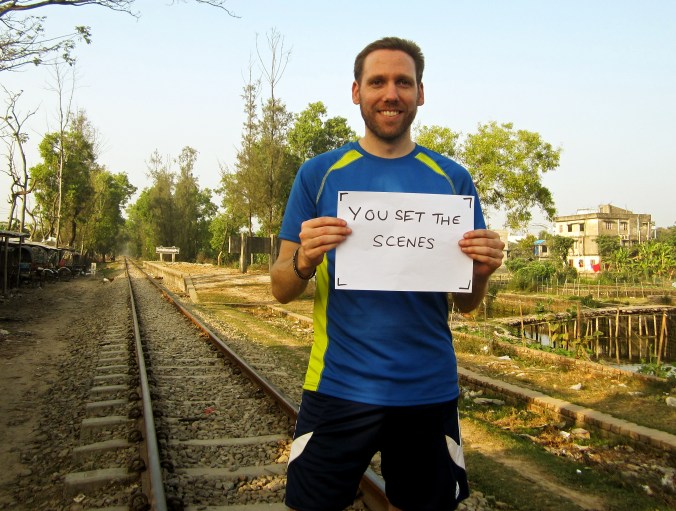
The slight twist is that in doing so, we will set each other various challenges. We will also seek input from our viewers (who will hopefully exist!) and ask for suggestions for challenges they would like to see us complete, hence the name of the vlog – You Set The Scenes. Also, crucially, whoever receives the most thumbs up on youtube for their video wins the challenge.

*The name of the vlog is also a little nod to one of my favourite songs by one of my favourite bands.*

The main aims of this new project are as follows:

  1. For Rich and I to keep in touch!
  2. To hopefully offer viewers a little glimpse into what our lives are like as expats.
  3. To offer a positive look into the culture and environment of both Bangladesh and the Czech Republic.
  4. To motivate Rich and I to explore our locations further and hopefully create a richer personal understanding of our surroundings.
  5. To do things we may not have previously considered, which will no doubt at some points make us appear awkward and uncomfortable…perhaps much to the amusement of our viewers (again, if we have any)!

So that’s it really. I’m sure it will be a challenge at times, but also worthwhile, rewarding and fun. We both love exploring and getting away from the ‘tourist track’ and hope that this new vlog will reflect that.

Check out the trailer…

Our first challenge was to learn and recite a tongue twister in the native language of our countries.  So I learned a tongue twister in Bangla, and Rich learned one in Czech. You can see how we got on below.

Rich’s Czech Tongue Twister

and

John’s Bangla Tongue Twister

Please like our facebook page and subscribe to our youtube channel. We are also on Twitter and you can follow us at @YouSetTheScenes.

We hope you enjoy our future videos, and please comment below with any suggestions you would like us to try!


Tashi Delek

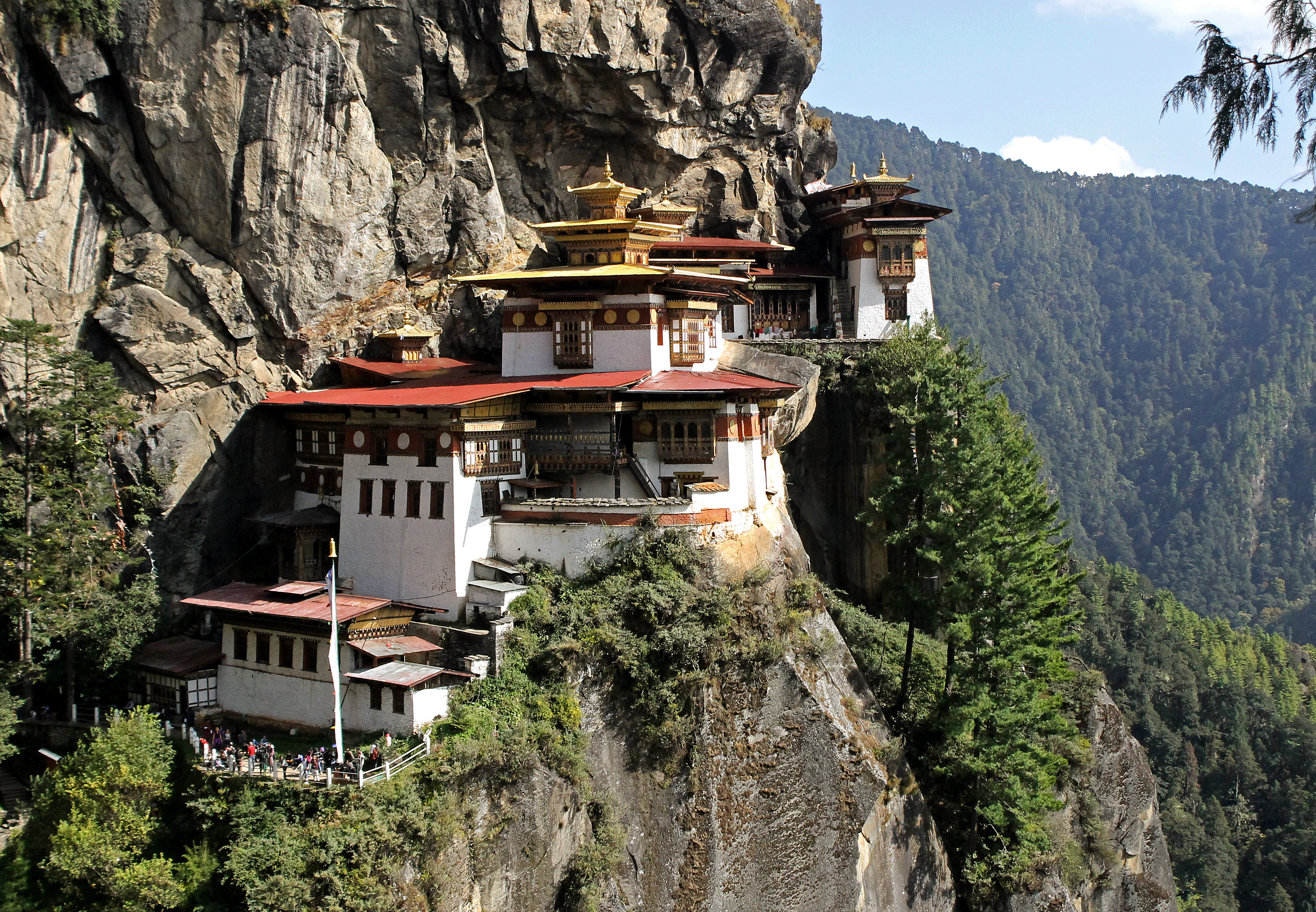
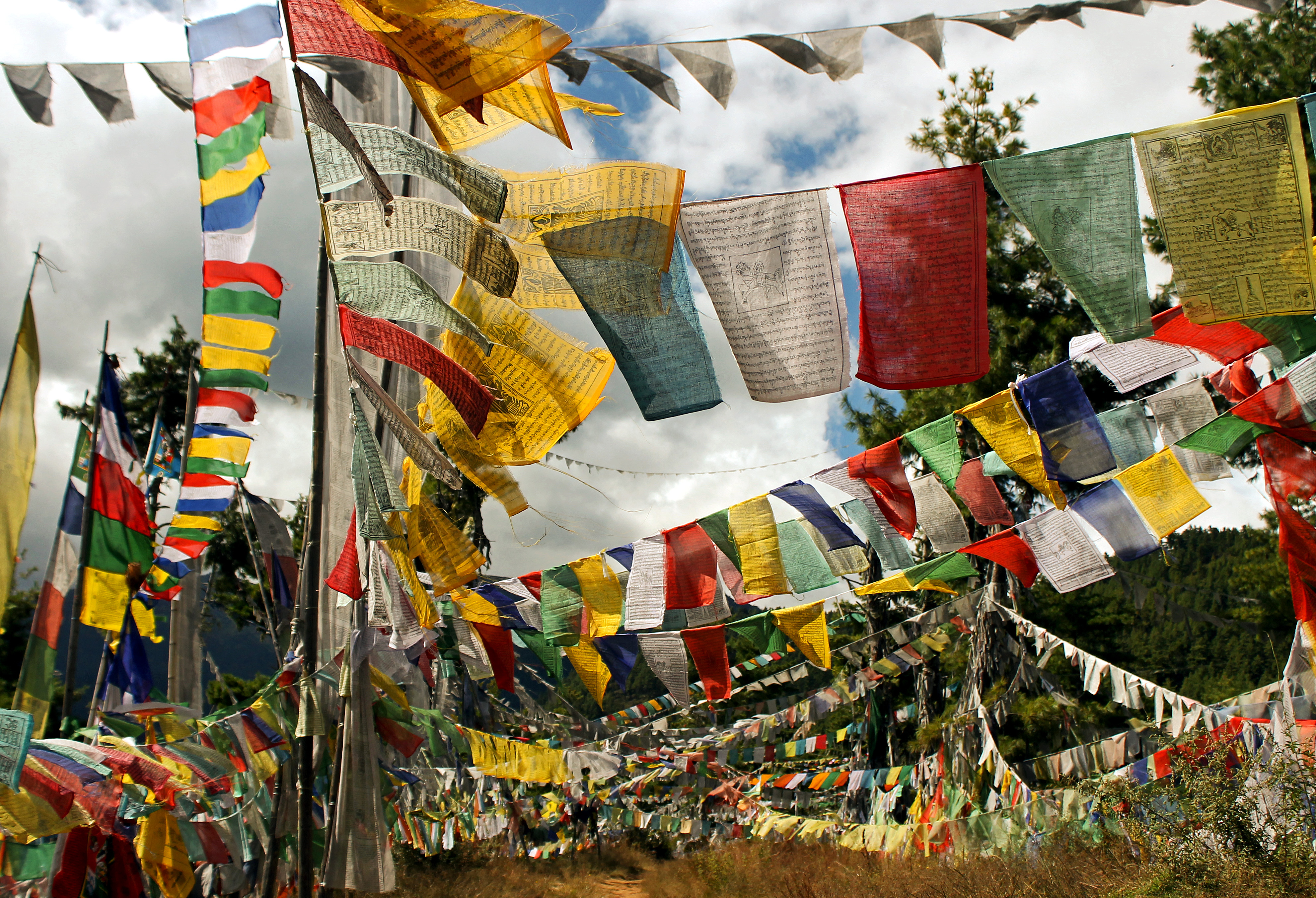
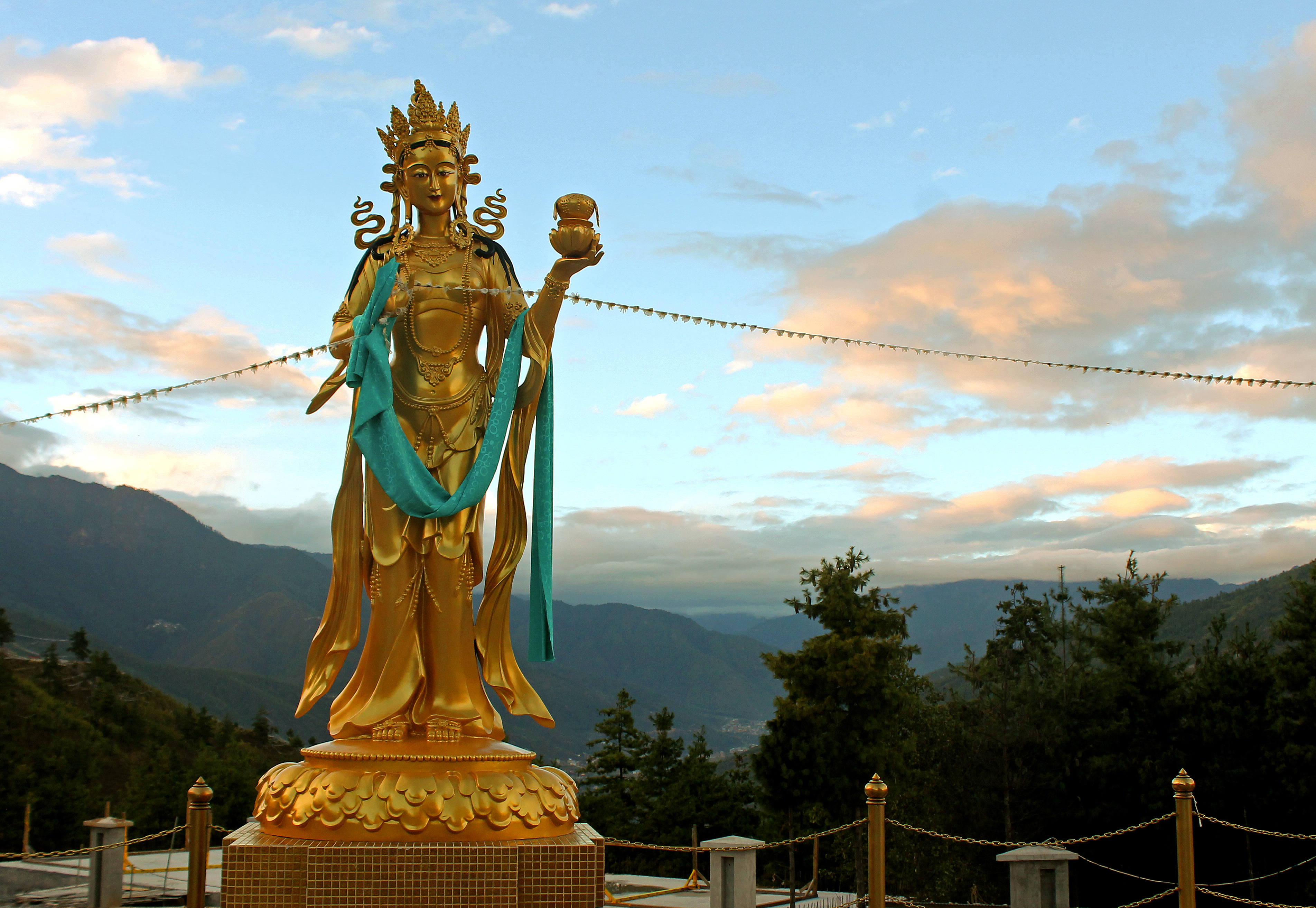
A week in the beautiful kingdom of Bhutan


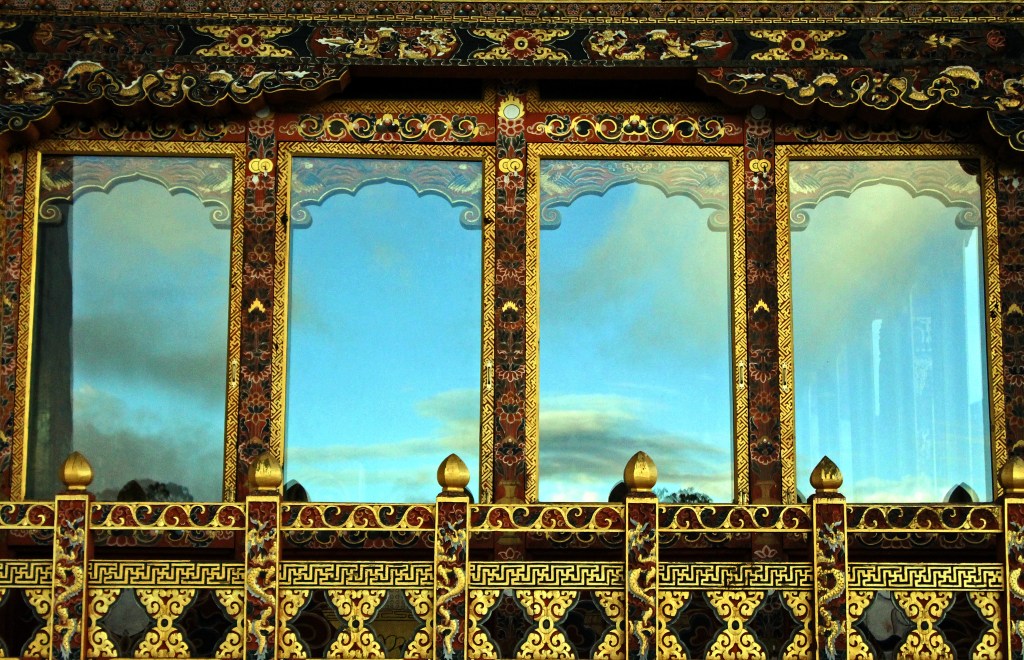
It’s shamefully embarrassing to admit this, but upon reflection I think I have reached the point where I’m travelling to countries that just a few years ago I knew little, or nothing about. My move to Bangladesh back in 2011 not only introduced me to this golden land, but given that my job is teaching students from 15 different countries, my eyes and ears have been exposed to each and every one of those countries in some way. I’m undoubtedly a lot richer for that.

A few weeks back I finally had the opportunity to visit one of those countries that had most intrigued me, and thanks to the assistance, amazing kindness and visa office doggedness of Dechen (a former student) I was on a plane to Paro and landing in Bhutan.

Bhutan is sandwiched in a somewhat intimidating position between India and China and is unique in its policy of measuring Gross National Happiness (GNH) rather than GDP. In effect, focus is placed more firmly upon the preservation of culture with a commitment to environmental conservation and sustainable development.

Thus, it’s not the easiest of places to enter as a tourist or to roam freely once you are there. However, don’t let the bureaucracy deter you because quite frankly, it is stunning and so very endearing in many ways.


In this account of my brief stay in Bhutan, I will try to explain just why, based of course on personal experience, this kingdom of just 800,000 people made such an impression.

Here is an album with a selection of photos – Bhutan


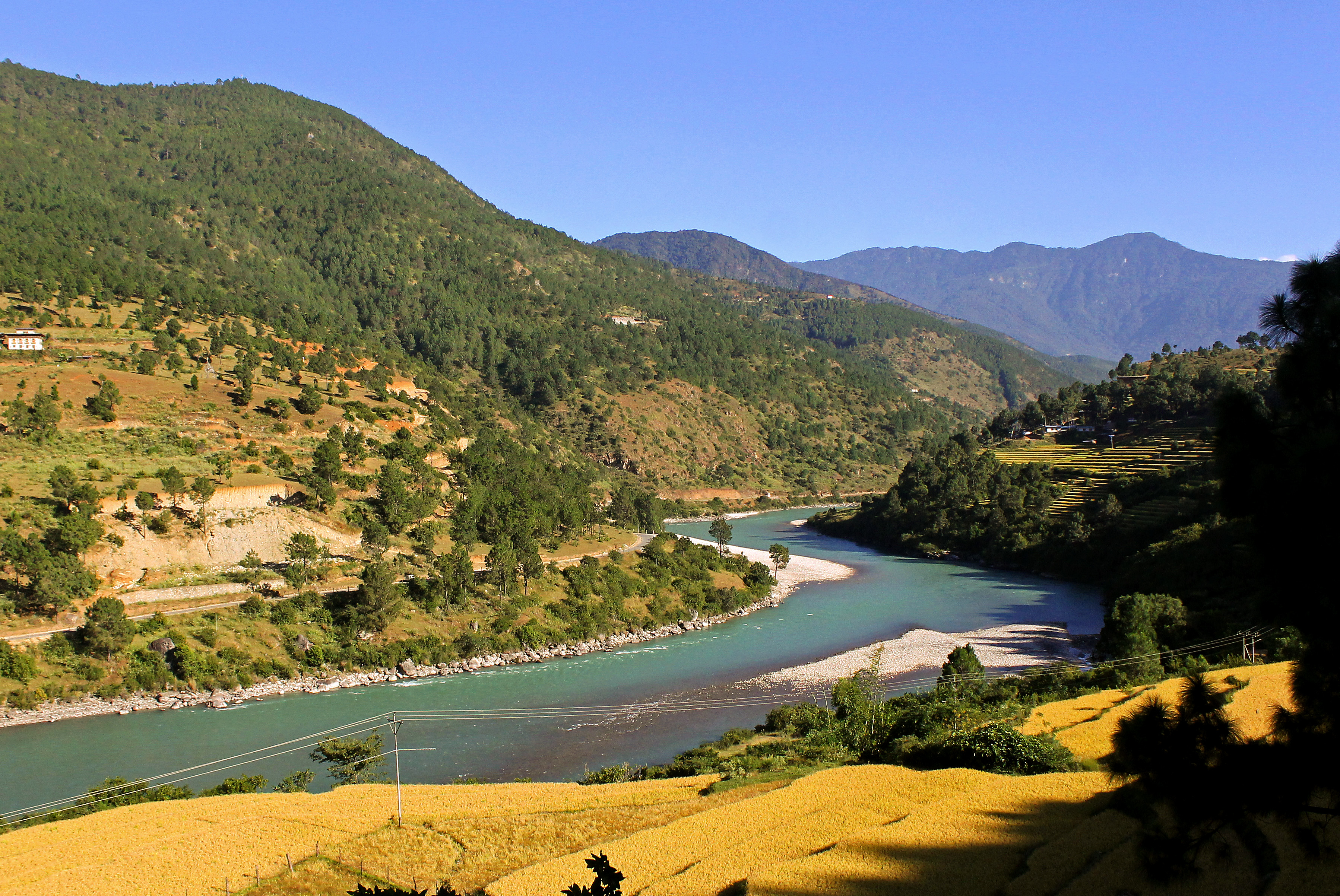
Natural beauty

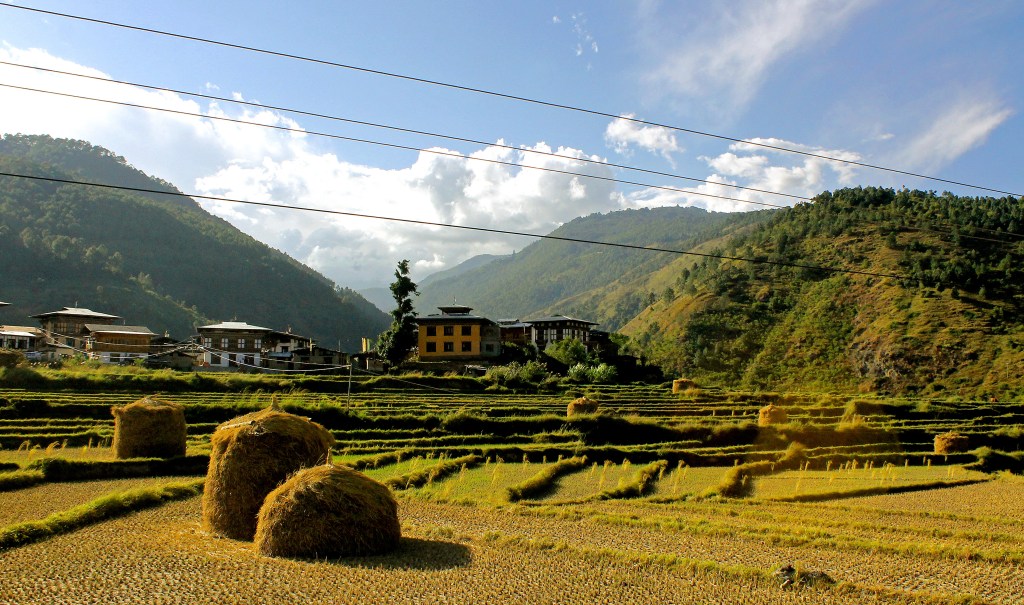
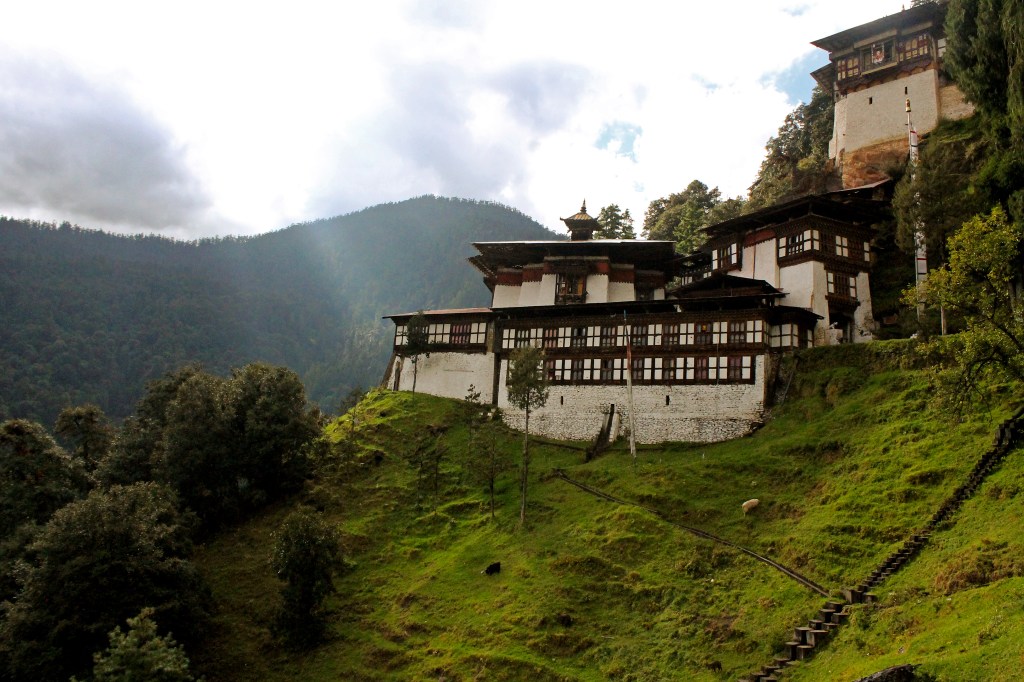
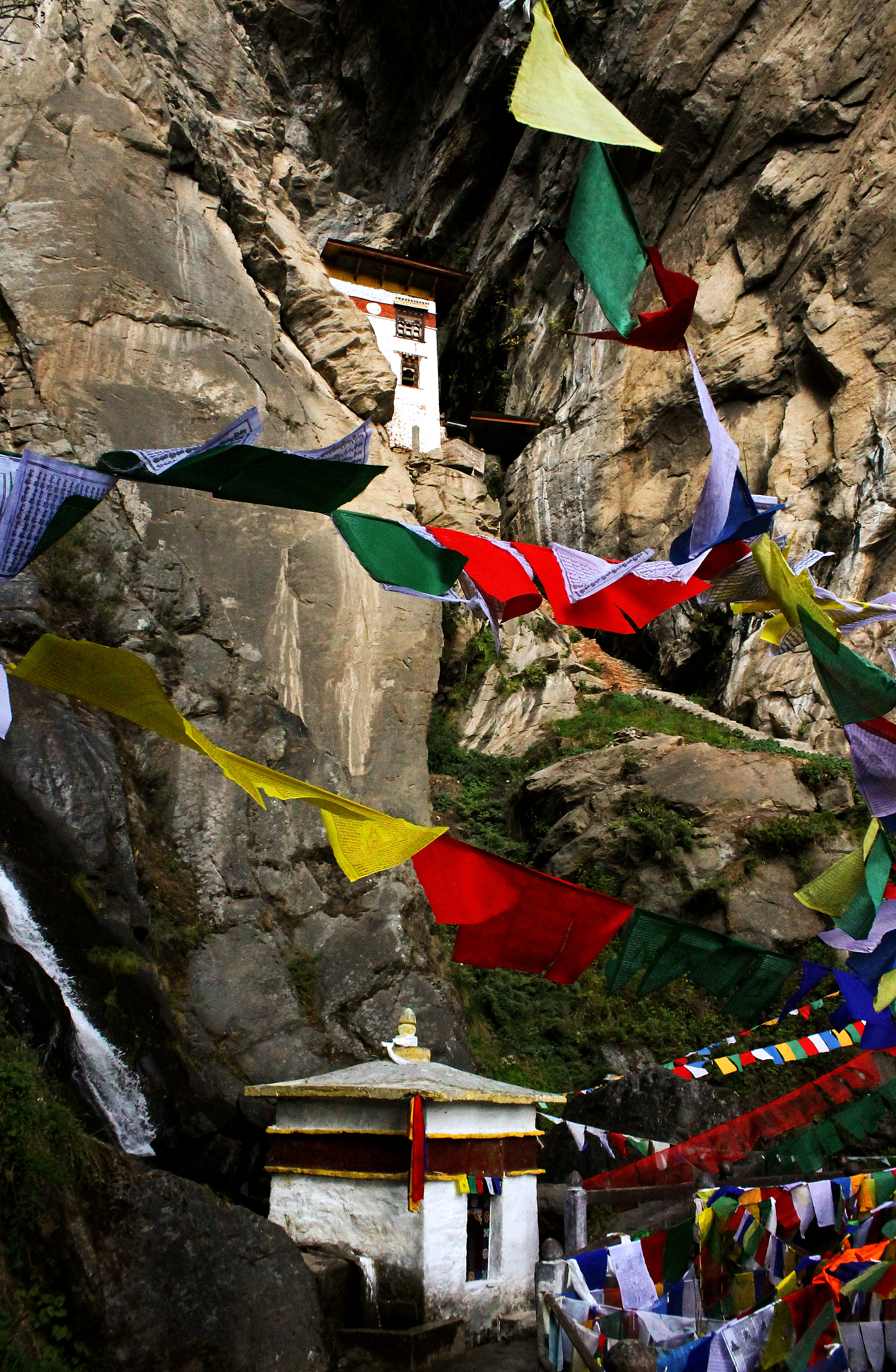
Eastern Himalayan mountains, deep and dramatic valleys, winding rivers, dense forests, fertile pastures, and wide open plains all contribute to the breathtaking scenery that surrounds you. As the plane lands in Paro, it weaves between mountainous peaks and according to this article, only eight pilots are currently certified to land aircrafts there!


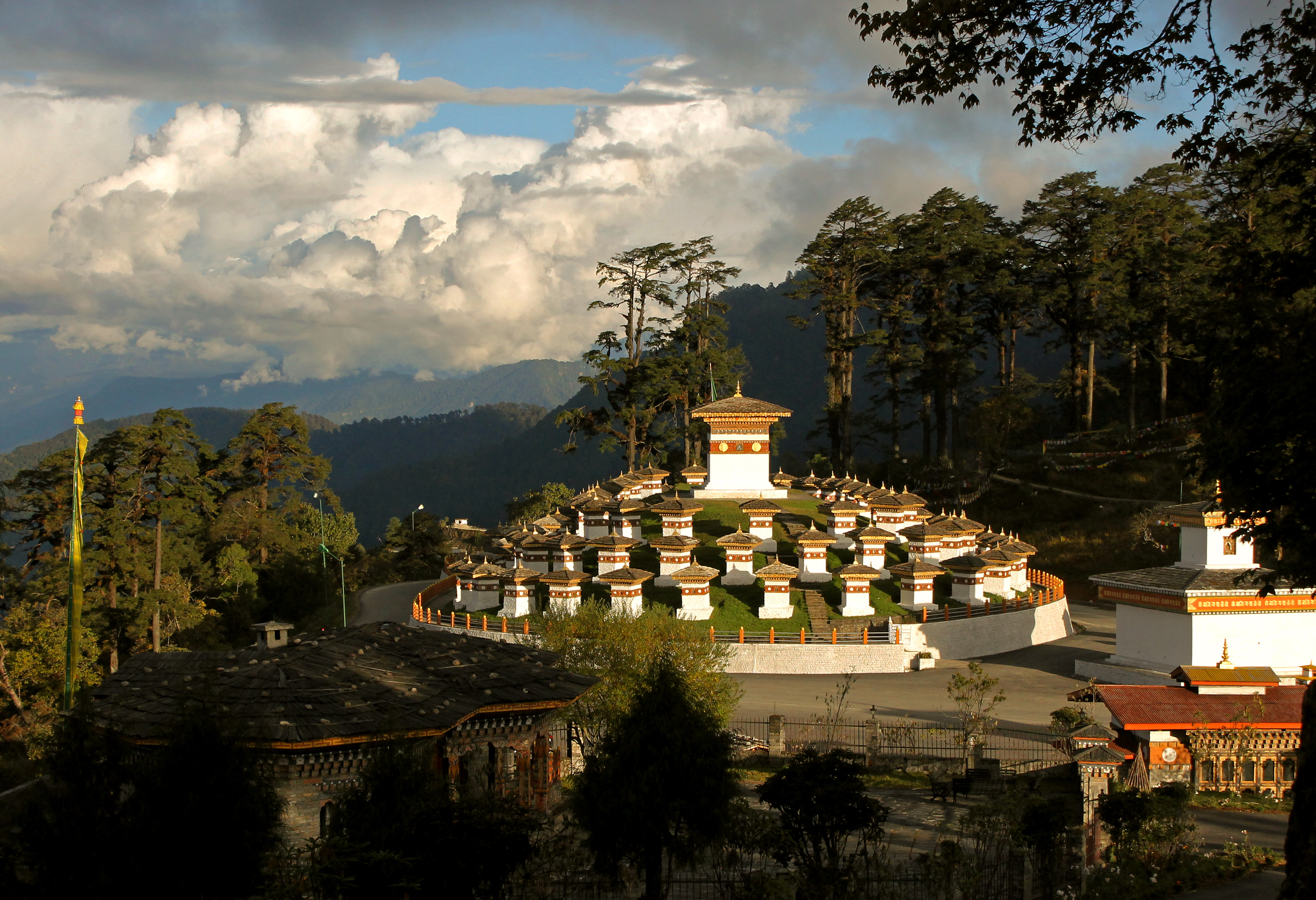
Preservation of culture

Bhutan is proud of its cultural heritage, and has taken strong measures to ensure not only its survival, but crucially its conservation and continued significance in everyday life. Television and internet is a surprisingly new feature of life in Bhutan having only been introduced (officially) in 1999.

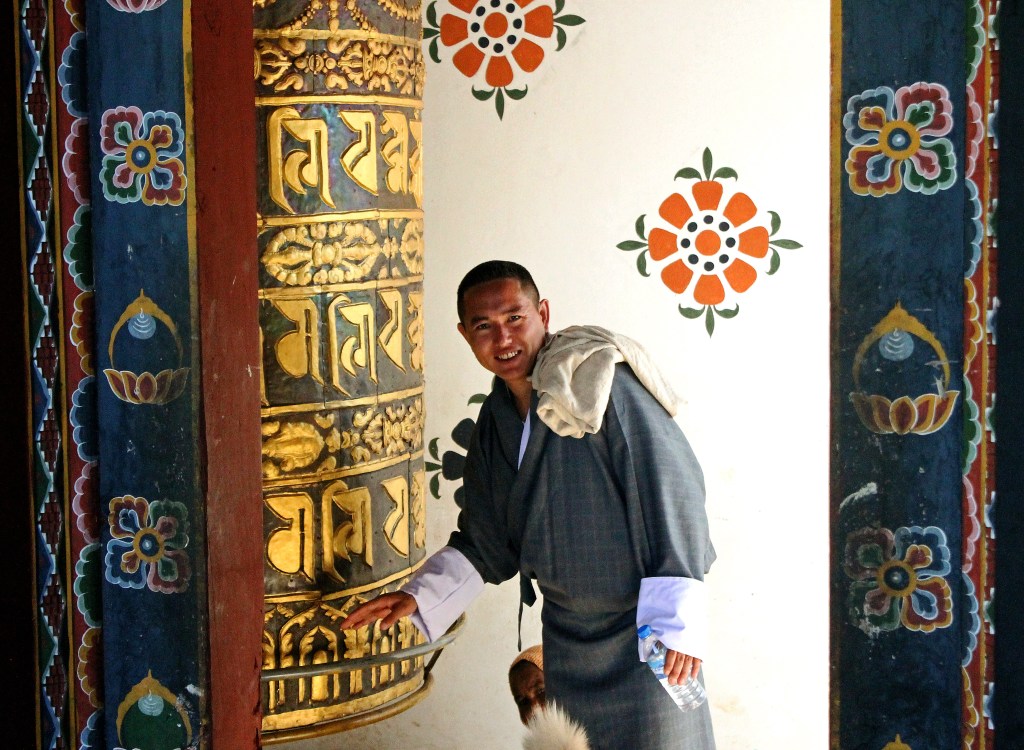
Tourism is limited and controlled, and national dress is a must at various locations including most workplaces. There is a gritty commitment to rejecting and actively fighting those external influences that can commonly be accused of eroding traditional culture in certain other countries that have welcomed tourism with open arms.


Road safety signs

On the beautiful winding and meandering main highway between Paro and Thimphu, which I imagine is one of Bhutan’s busiest, there are regular road safety signs that predominantly focus on reducing speed. They get their message across though in a quirky and sometimes cheeky fashion. I wasn’t able to capture any photos, but I did make a note of two in particular that stuck in my head…

“If you are married, divorce speed!”

And…

“Be gentle on my curves”

On a more serious note though, it does appear that road safety is a huge priority in Bhutan with regular police checkpoints and from what I saw a diligent appreciation of the laws in place.


Dogs

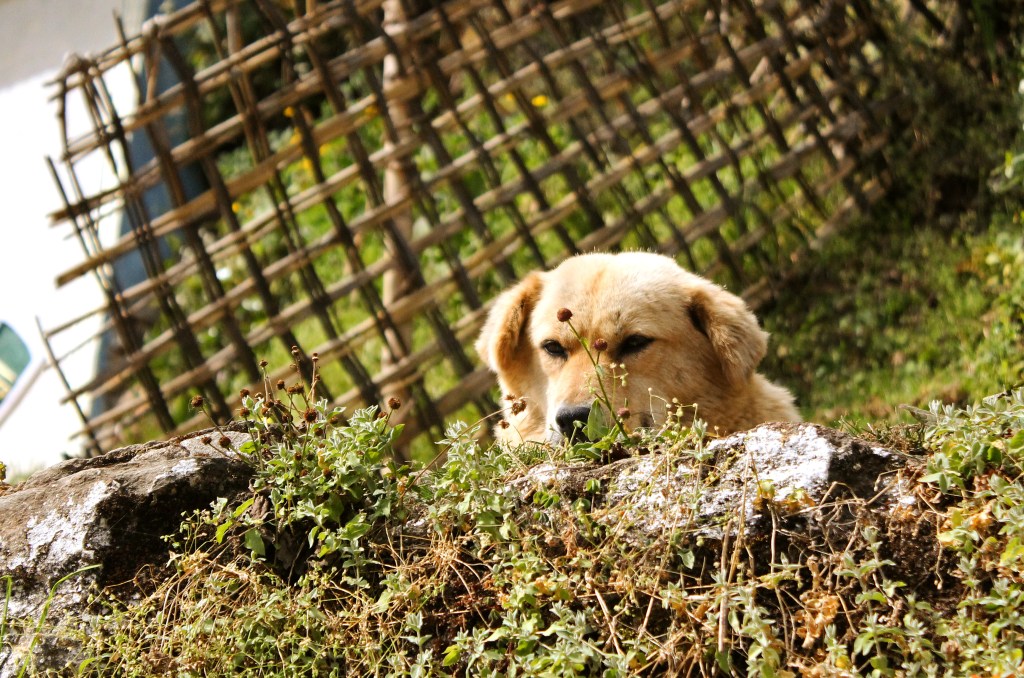
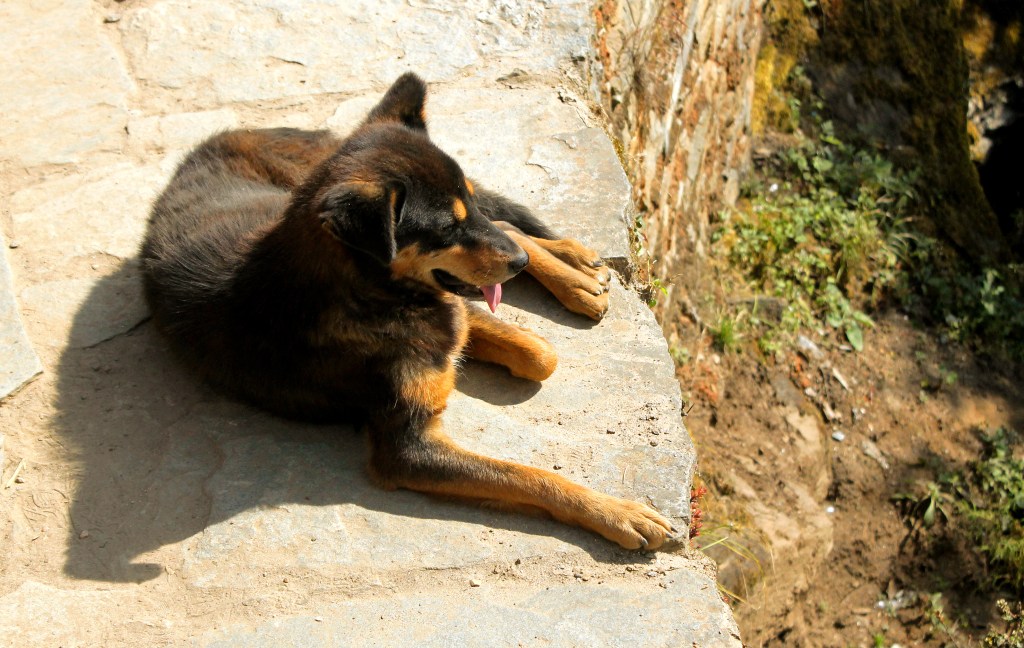
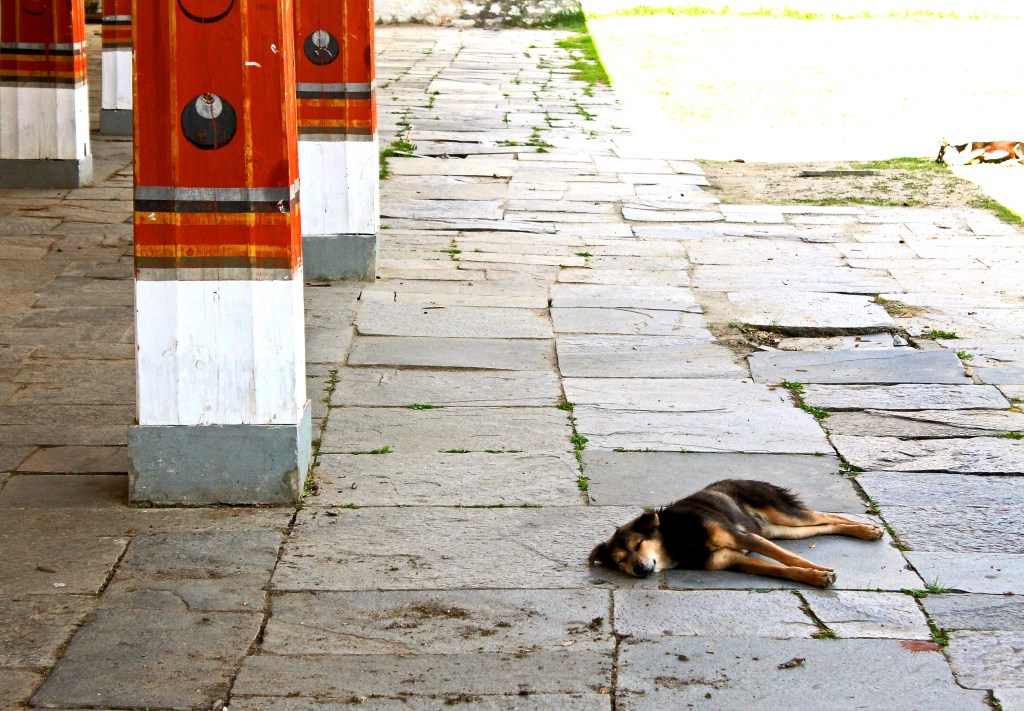
In Bhutan there are dogs….so many dogs. They are everywhere. On every street corner, under every bridge, asleep on every sidewalk and at night they serenade you until the early hours with huge canine choirs. They are also quite often big, furry things that generally add a level of happiness and warmth to an already happy and warm country.


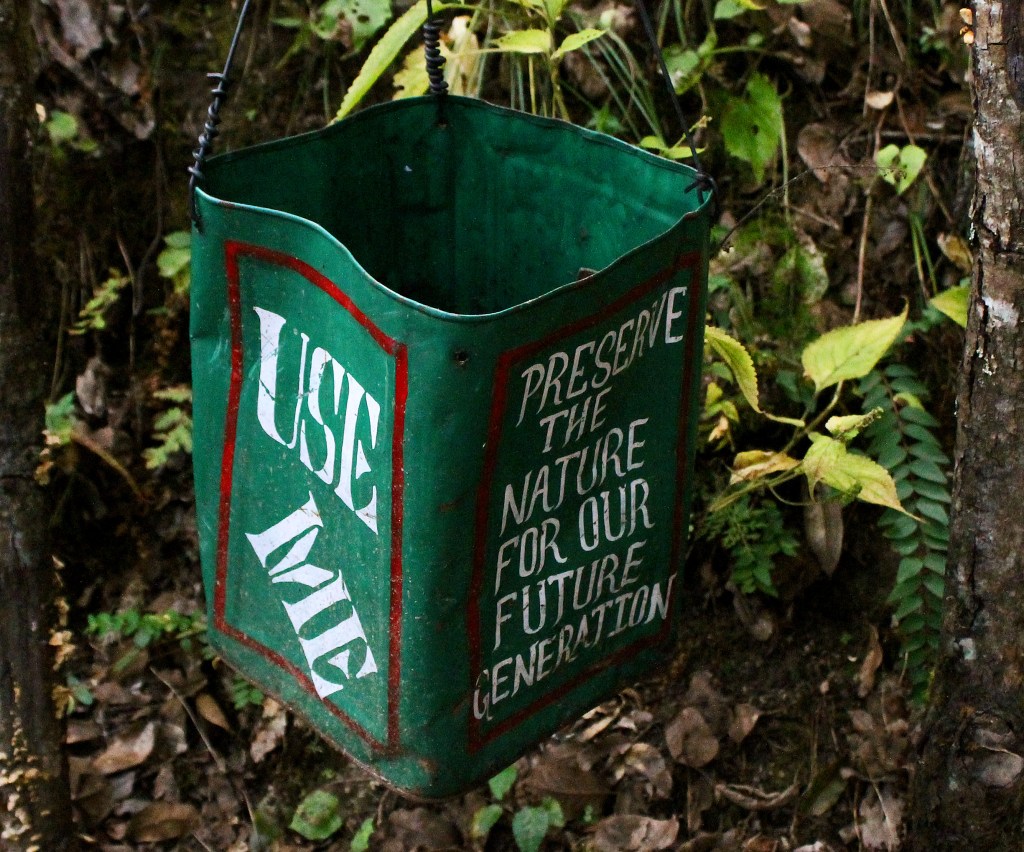
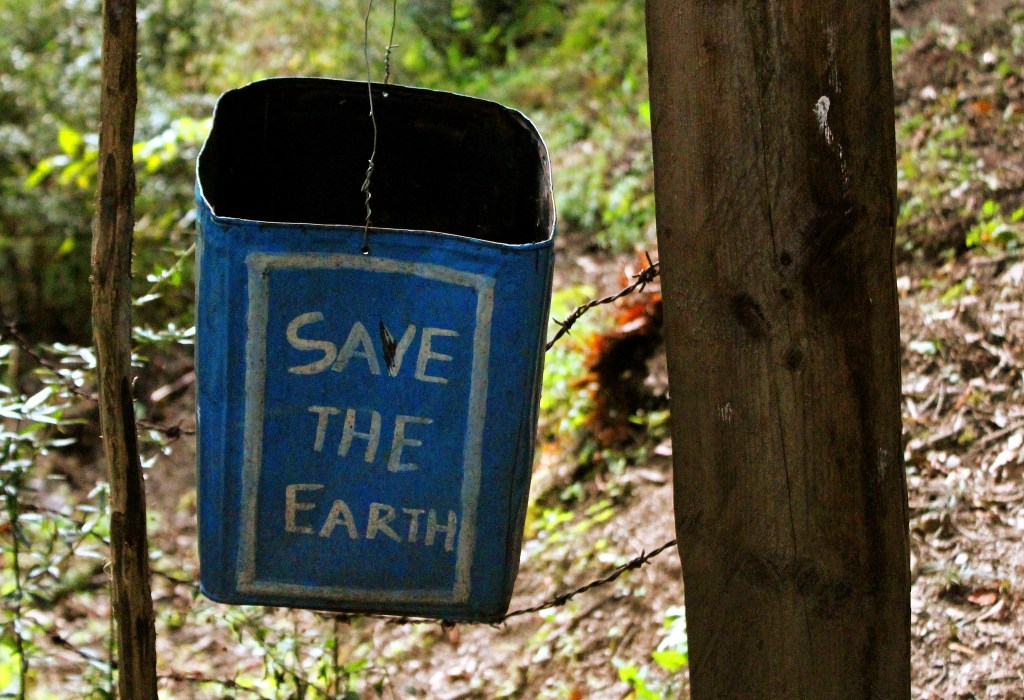
There are bins. People use them.

There seems to be a genuine commitment to, and pride in keeping the country clean. It may seem a little patronizing to point this out, but from travelling and from experiences back home in the UK, I feel that many places (and people) have abandoned their responsibility to this simple and basic condition. The bins are also covered in motivational and encouraging messages, just in case you feel the inclination not to utilize them.


Hospitality

This was not much of a surprise. Whenever I travel I encounter genuinely kind and hospitable people. Bhutan was no different, and I had not expected it to be. Before I’d even begun the visa application process, my Bhutanese students and their families had offered all kinds of help and support, and once I landed in Bhutan that help and support became even more ubiquitous.

From the man in the coffee shop who gave me a warm welcome each morning, to the friend of a friend who within thirty minutes of meeting me had paid for my dinner, it was a week full of unrelenting kindness. Special mentions must go to Dechen, Pema, Sonam, Yeshey, Kencho, and Namgay. These wonderful people made my stay in Bhutan even more perfect than it could have been.


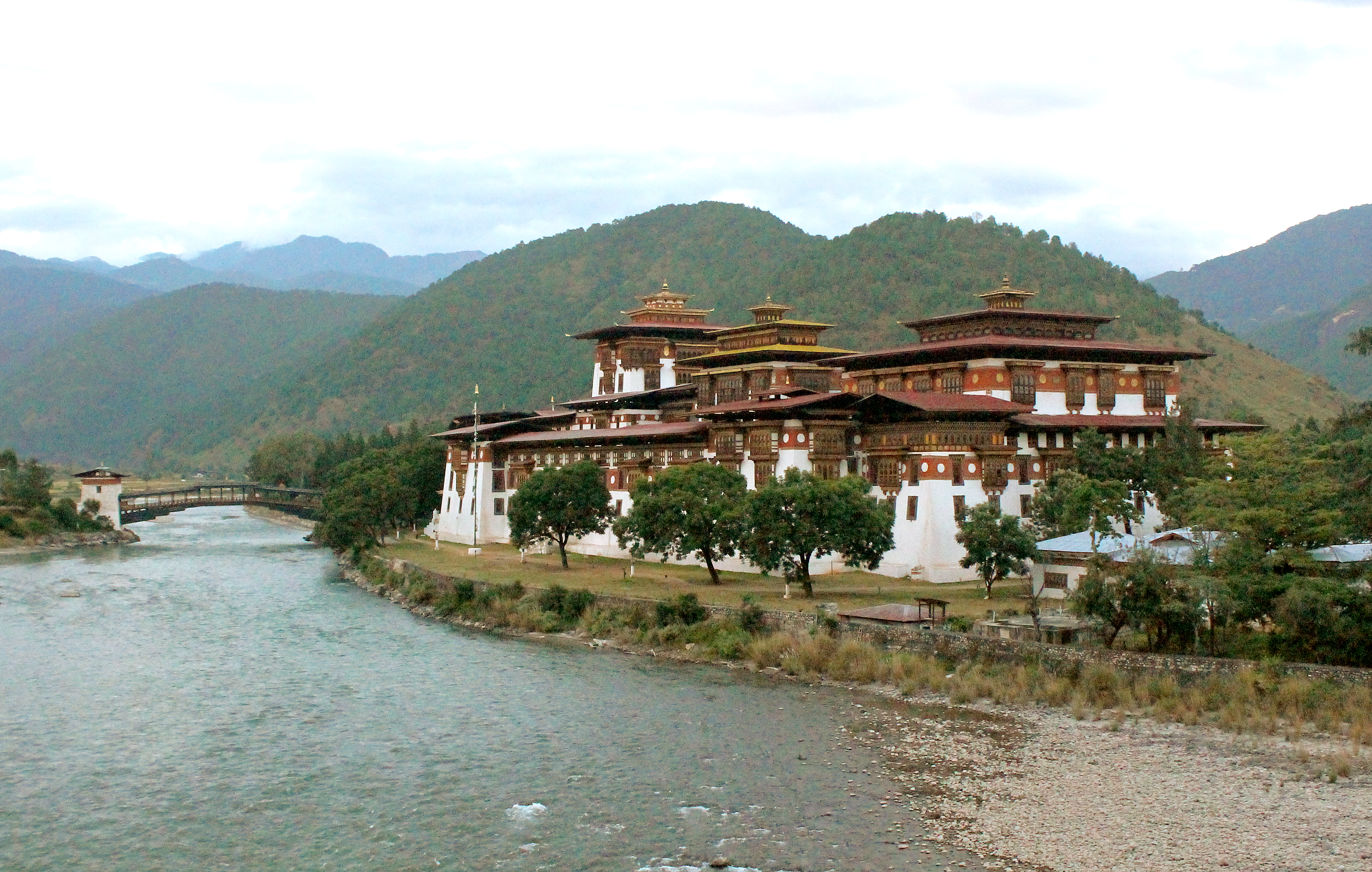
Beautiful Buildings

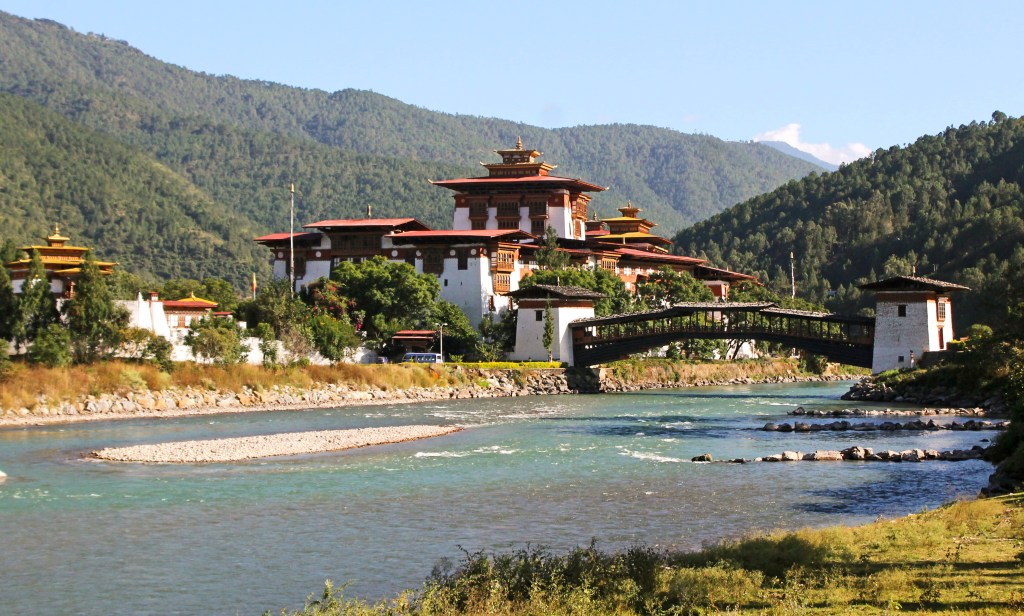
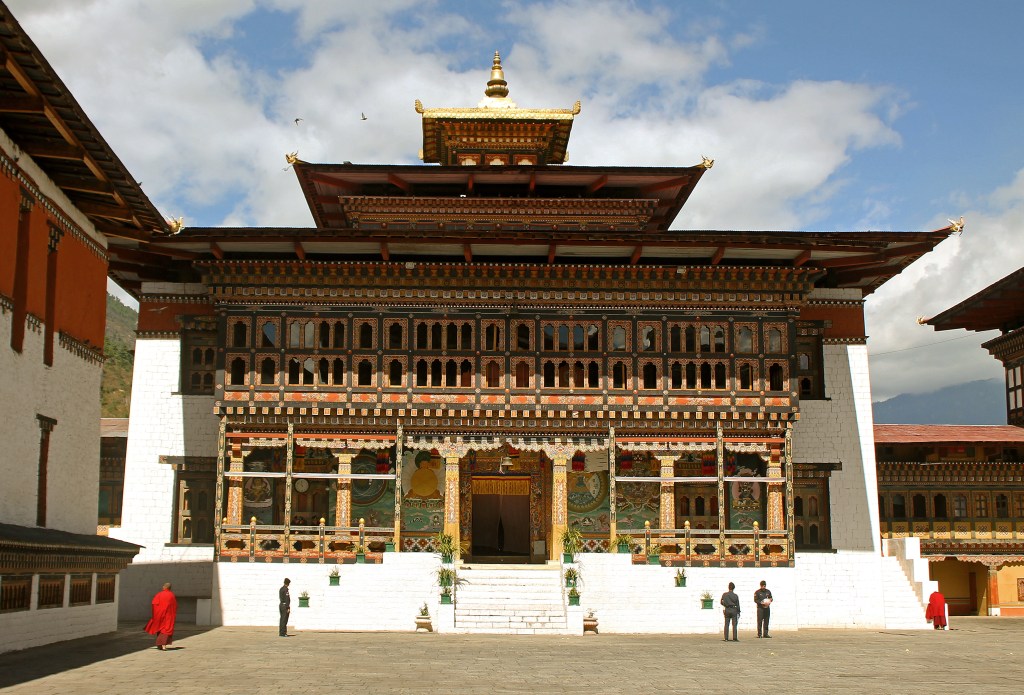
In Bhutan it seems there are beautiful old buildings everywhere. In Thimphu many of the newer buildings also display the traditional style, which goes a long way to once again preserving the history and cultural heritage.


So, those are just a few aspects of my trip to Bhutan that stood out and made we wish I’d had significantly more time to really explore further. As with many of the places I’ve visited, I plan to return one day. I’m not sure when that will be, but hopefully sooner rather than later.

Oh, and in case you’re wondering, Tashi Delek is difficult to translate directly, but it is often taken to mean “blessings and good luck” and is used in Bhutan, but also parts of Nepal and northern India.

Here is a gallery of some further photos from my trip…


46 Cups of Tea

A statistical and image-based reflection on a week in west Bangladesh


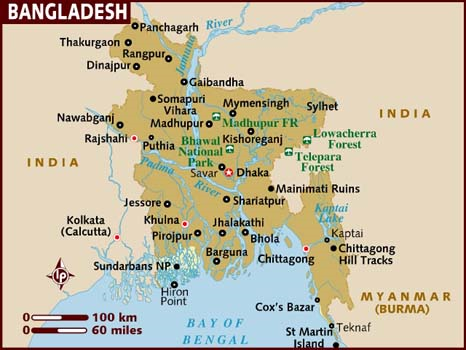
After nine straight weeks of teaching, the question was how to fill nine days of vacation. On this occasion I decided to remain in Bangladesh and take the opportunity to explore this country a little further, and having never ventured due west before, that is where I went. The division of Khulna to be precise, which borders India and comprises a number of districts, including Jessore and Khulna.


http://www.lonelyplanet.com/maps/asia/bangladesh/map_of_bangladesh.jpg

Travelling individually has always felt a little daunting to me, so the prospect of spending the duration of the break navigating an unfamiliar area of Bangladesh alone provoked mixed emotions. Nevertheless, I survived, and I’m here to report in.

I’ll spare the mundane play by play account of what happened and instead present an array of telling statistics. Prior to leaving Chittagong I decided I’d take a pad and pen with me on the trip and keep a tally of the inevitable and the unexpected in equal measure.


So, here it is, the story of my week in Jessore and Khulna in numbers, beginning with the most important and reflective of all…

Cups of tea consumed – 46

Cups of tea I paid for – 20

Cups of tea bought for me by ever hospitable locals – 26


Invites to homes – 10

Invites accepted – 4

Photos taken – 659 (see a select set here – Jessore & Khulna)


Modes of transport used during the trip – 6


Times my unmarried status evoked confused frowns – 37

Times it was suggested I marry in Bangladesh – 21

Business cards received – 4

Business cards distributed – 27

Occasions in which I was asked if I came from Japan – 3

Jibes received regarding England’s woeful Cricket World Cup campaign – 24

Times I was asked to reveal my salary – 12

15th century mosques visited – 6


Hindu temples visited – 7


Here is a list of events which occurred just once, but I deemed worthy enough to scribble down in my notepad…

  • Requested to convert to Islam for marriage purposes
  • Military border parades witnessed


  • Squeezed into a body-hugging Bangladesh cricket shirt and told, “It fits perfectly boss!”
  • Asked if Iranian
  • Told to cancel my hotel booking and sleep in the home of a man I had met just 30 minutes previously
  • After briefly chatting with a man I met earlier in the day, he then text to inform me he was knocking on my hotel room door and requested I open said door…
  • ‘Adventure Parks’ visited that made me want to scream “WHY??!!” at the person who recommended it and assured me it was “very beautiful…”


  • Told I was lying about my age as I couldn’t possibly be as young as I was claiming
  • Told a man he was the least friendliest person I had ever met in Bangladesh after he spent a good five minutes ridiculing my intelligence for not carrying my passport and stating that as the British were “Kings” I am practically a disgrace to the great nation of Britain

And finally, a list of occurrences that initially I had firm intentions of meticulously tracking. Yet, as the hours and days passed, I soon realized it would be impossible to keep an accurate record due to the sheer volume. So, in the end they became uncountable, but no less significant…

  • Asked the question, “Your country?”
  • Confused questions with suspicious facial expressions regarding my reason for being in Jessore/Khulna/Bangladesh
  • Enthusiastically praised for my comprehensive Bangla language proficiency


  • Robustly chastised for my low level of Bangla language proficiency
  • Pondered the meaning of life
  • Wondered if rural Bangladesh is the most beautiful place on earth


  • Wondered why my bus driver was trying to overtake three other buses up ahead
  • Wondered how that 93rd passenger was going to find a space to squeeze into on the already cramped bus, but soon realizing there was space for passengers 94, 95 and 96.

So that concludes a brief look at my week in the west. It was fascinating, eye-opening, and at times a little testing. However, it was completely worth it, and evidence once again of why I often question why more tourists don’t come and explore this golden land.


Selfishly I’m glad they don’t though, because there were times on the trip as I sat on the back of a wagon and we meandered our way down a silent, tree-lined country road in the early evening, just as the sun began to set, that I thought to myself, “I’m totally at peace right now.”


IMG_5346

Baro

“Does it bother you that I talk so much?”


Tucked inconspicuously away from the noise and chaos of one of Chittagong’s longest and busiest main roads you’ll find a small tea shop. Not particularly unique in appearance, it is sandwiched on either side by two further tea shops, and all three function identically, serving very similar items to a wide variety of people who happen to sit down that day.

It’s easy to miss the turning into the road these shops are situated on, and most people will pass straight by. My chance encounter came about in a characteristically haphazard manner. I was stranded at the back of a huge line of people all waiting to gain entry into the Indian High Commission.

As I stood there exchanging frustrated head nods and tuts with fellow embassy hopefuls, I pondered if it were more logical to continue standing in this line, or whether I should try my luck at camouflaging up and attempt a covert border crossing through the mangrove forests of the Sundarbans.


All was not lost though and help was at hand in the form of a cup of tea and a citizen from the very country I was trying hard to get a visa for. Sharmistha, my friend, colleague, and fellow tea enthusiast had learned of my queue predicament and very kindly arrived to offer moral support/language translation skills.

She also went off in search of tea and came back telling the tale of the shop this blog centres around. However, it is much less to do with the actual shop, but rather the person who serves the tea and runs the establishment. Her name is Asma, and she is just twelve years old (“baro” in Bangla).

After eventually entering the High Commission, both Sharmistha and I returned to Asma’s shop for another cup of tea, but also because we wanted to learn more about this tenacious 12 year old. She informed us the shop is her father’s, but as he works as a security guard in a neighboring hospital, Asma has been assigned the crucial duty of ensuring the tea business runs smoothly.

Thus, she sits from morning until evening each day serving tea, paan, bread, and cigarettes to customers, 99% of whom are most probably men. She is twelve remember.


Sharmistha and I have returned to chat with Asma several times now and also with her father and some of the regular patrons of the shop. It is clear they think very highly of Asma, and why wouldn’t they?! She is outgoing, friendly, efficient, and has one of the warmest and most engaging smiles I’ve ever seen.

Asma has inspired me to use this blog in future to highlight some of the characters I regularly meet here in Chittagong. Special thanks must go to Sharmistha, who is responsible for the majority of the translation that was required!

When we first met Asma two months ago, she was not attending school. Her father had promised to send her once he found a suitable arrangement for the tea shop around his work schedule. He had tried employing others to run it in his absence, but claimed he was unable to trust them. It therefore fell upon Asma to keep everything in order.

This was a wise choice. From observing Asma she is highly efficient and able to confidently deal with the pressures of a bustling tea stand. She is also very astute with money. On one occasion we came to pay for our tea and Asma’s father wouldn’t take our money. Typical Bangladesh hospitality once again. We protested and exclaimed that if Asma were here, she would certainly accept our money. He laughed and replied, “Yes, you’re right!”


We returned once again to see Asma yesterday and the great news is she is now attending school. Her classes begin at 6.00am and finish for the day at 11.00am. She returns home, eats lunch, completes her homework, and by 2.00pm she is at the tea stand where she’ll remain until around 8.00pm.

We enquired about school and she told us she enjoys it. Currently in class 4, she finds the lessons interesting, and also playing games, something she has previously had little time to do when whole days were spent at work.

Asma attends school with her friend from next door, and this works well as, “She is a good girl, who doesn’t fight with me and she helps her mother.” The school they attend is divided with classes for girls held in the mornings and the classes for boys held in the afternoon. Asma didn’t seem too concerned by this arrangement and wisely concluded that;

“If boys and girls are put together, there will be trouble!”


Originally from a village in Noakhali district to the north west of Chittagong, Asma’s father decided to move to the city in search of work. She admitted to missing village life and particularly her grandparents and the other children she used to play with. The green, the rice fields and the ponds are also aspects of village life she misses. However, her mother is here with her in Chittagong and this is incredibly important for Asma. She told us;

“I love talking with my mother. If I’m not sleeping when I’m at home, I’m talking to my mother. I love her very much.”

As I mentioned earlier, Asma receives respect and affection from the people who regularly visit the tea stand. Whilst we were there yesterday a local policeman stopped for tea and is clearly fond of her. He referred to Asma as “mamoni” an affectionate term used for younger people. Another younger man was asking Asma about school and encouraged her to go there and “make good friends.”


Some regulars seem to look at me and Sharmistha with puzzled eyes, perhaps wondering why we keep returning to the small tea stand and drinking up to three cups of tea at a time just so that we can learn more about the girl with the infectious smile. Asma asked Sharmistha yesterday, “Does it bother you that I talk so much?!”

No Asma, it really does not.

So that is Asma, a twelve year old girl balancing a life of school and work at such a young age. She does so with a smile and positivity that is truly inspiring. She is also extremely wise. As I left yesterday her advice for me was;

“Stay well, and eat your rice well.”


Heigh-Ho!


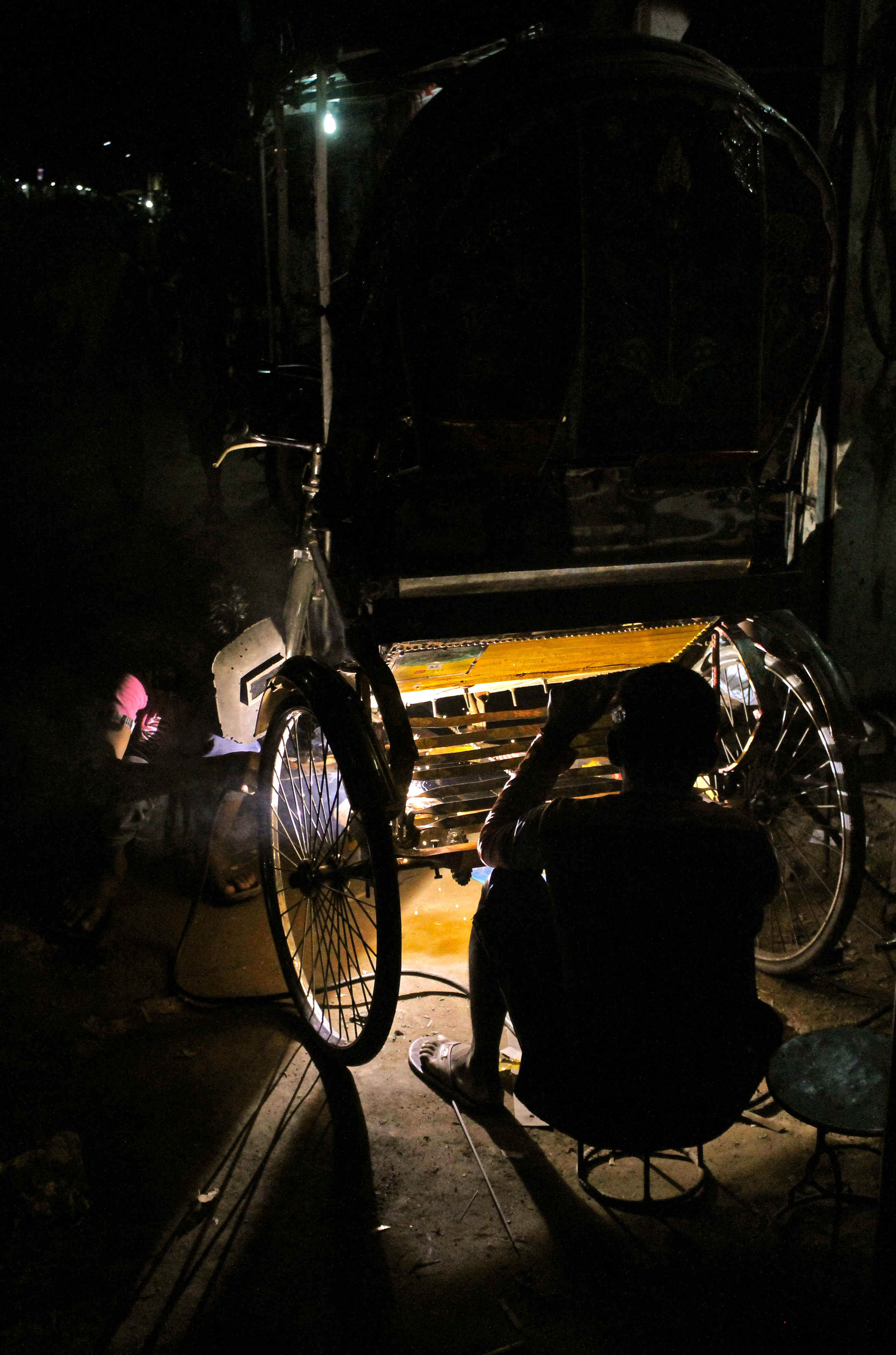
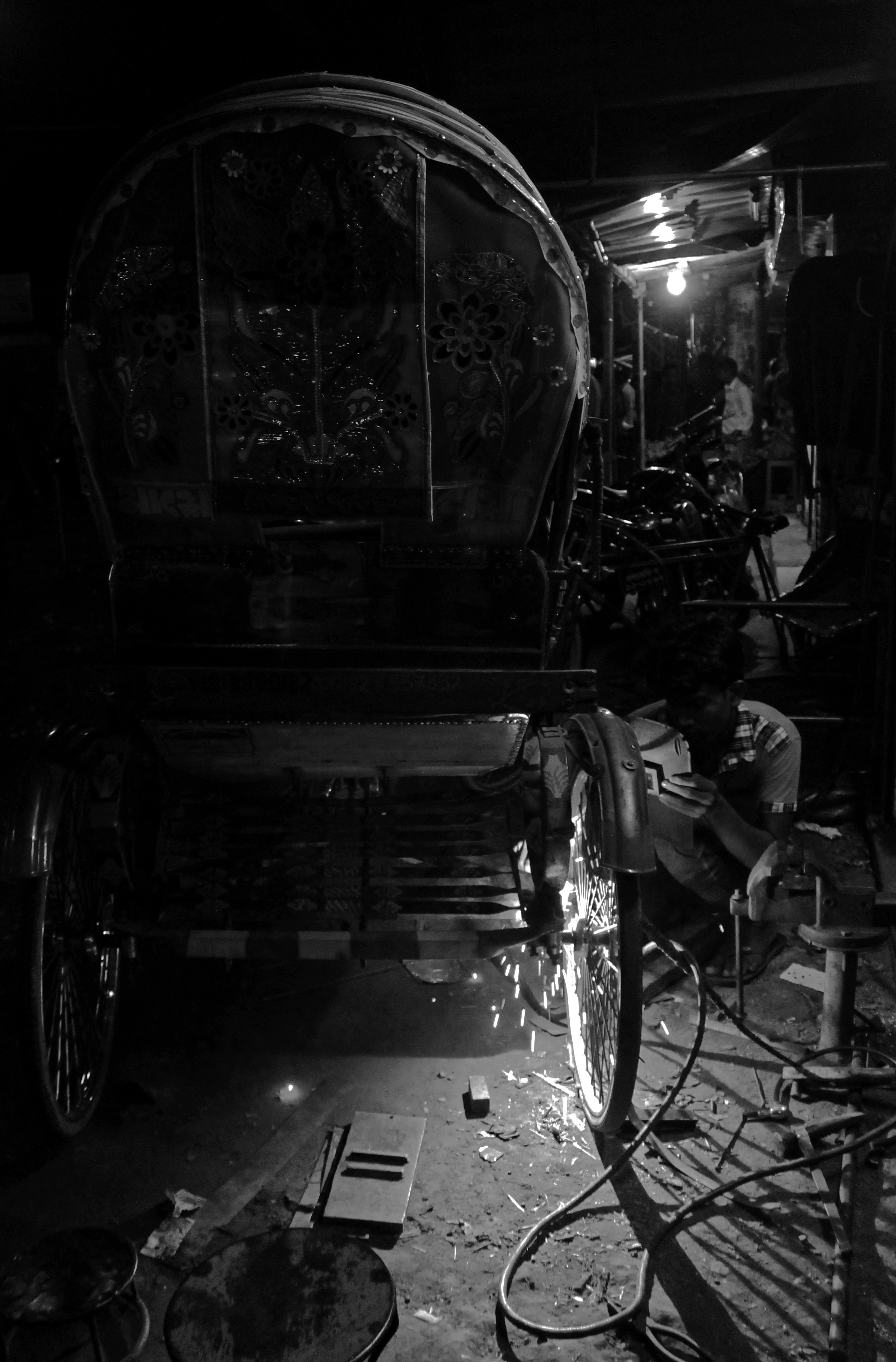
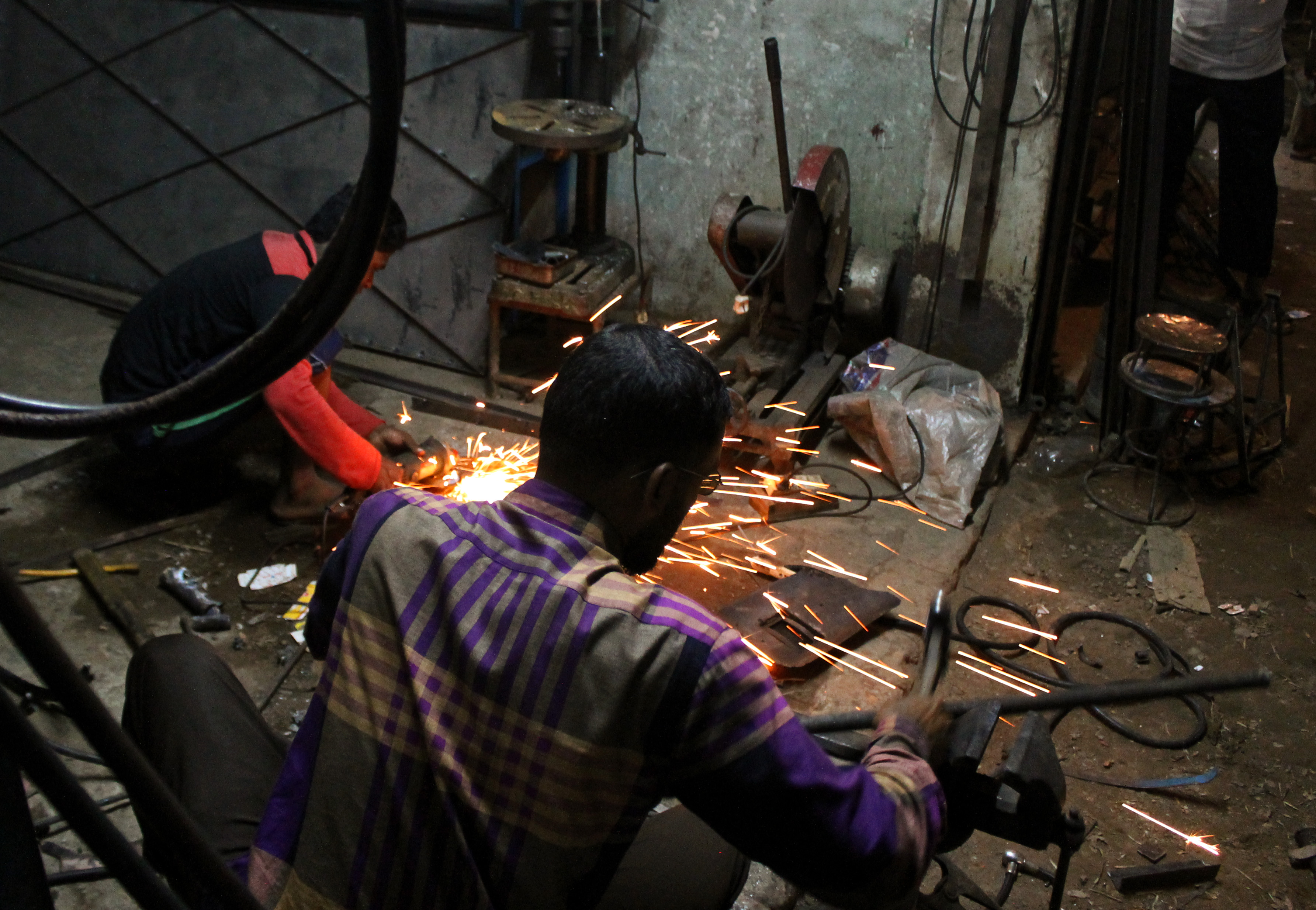
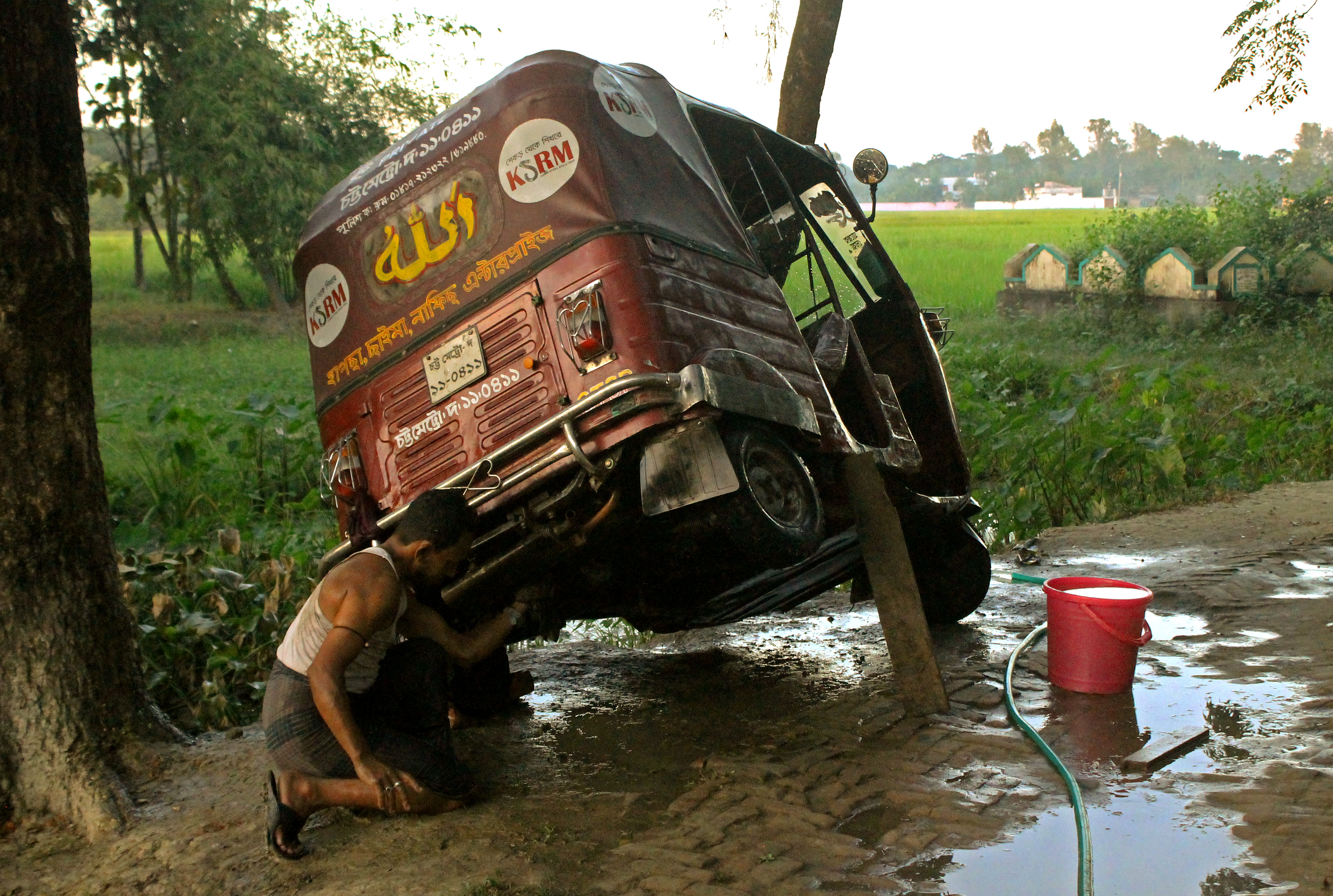
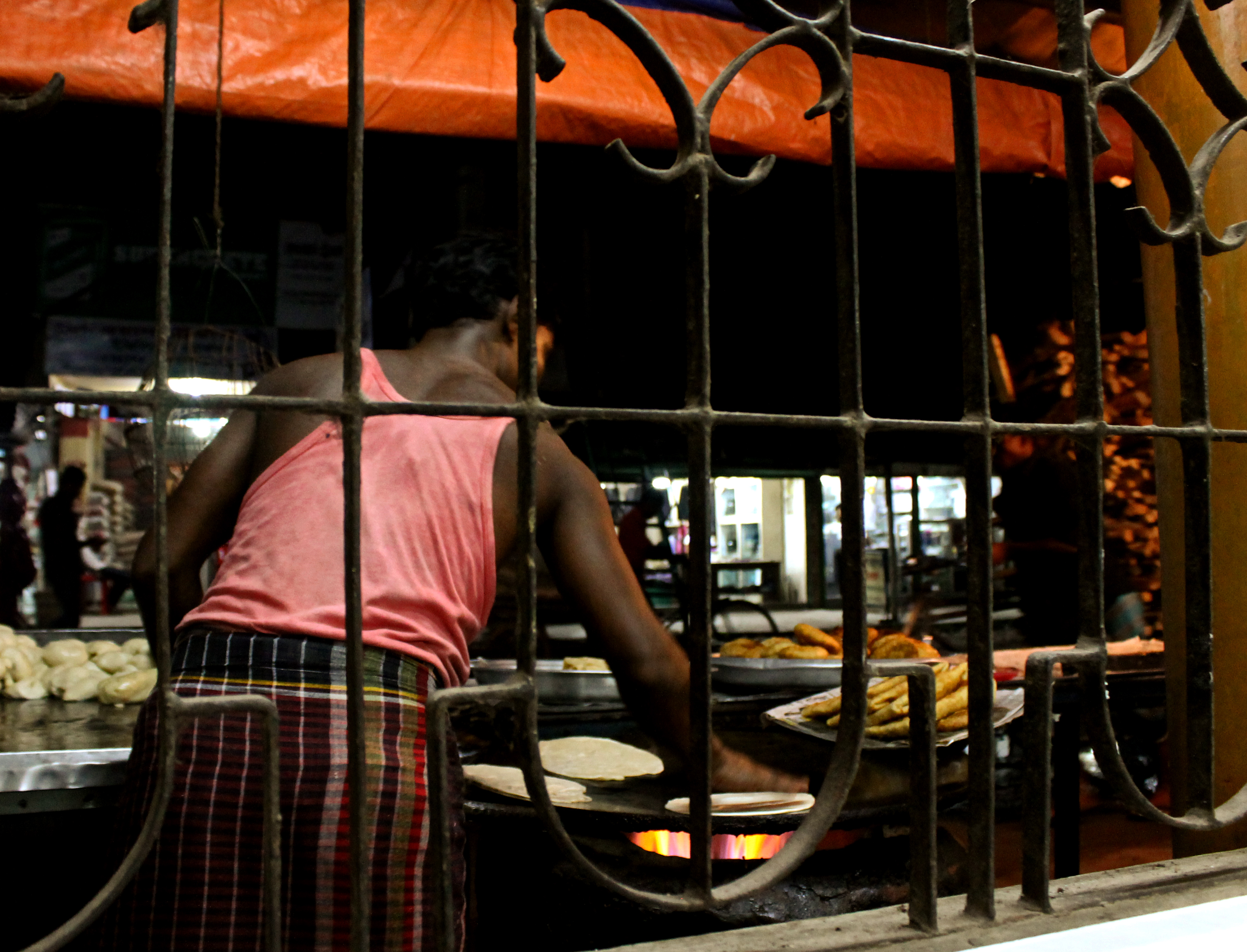
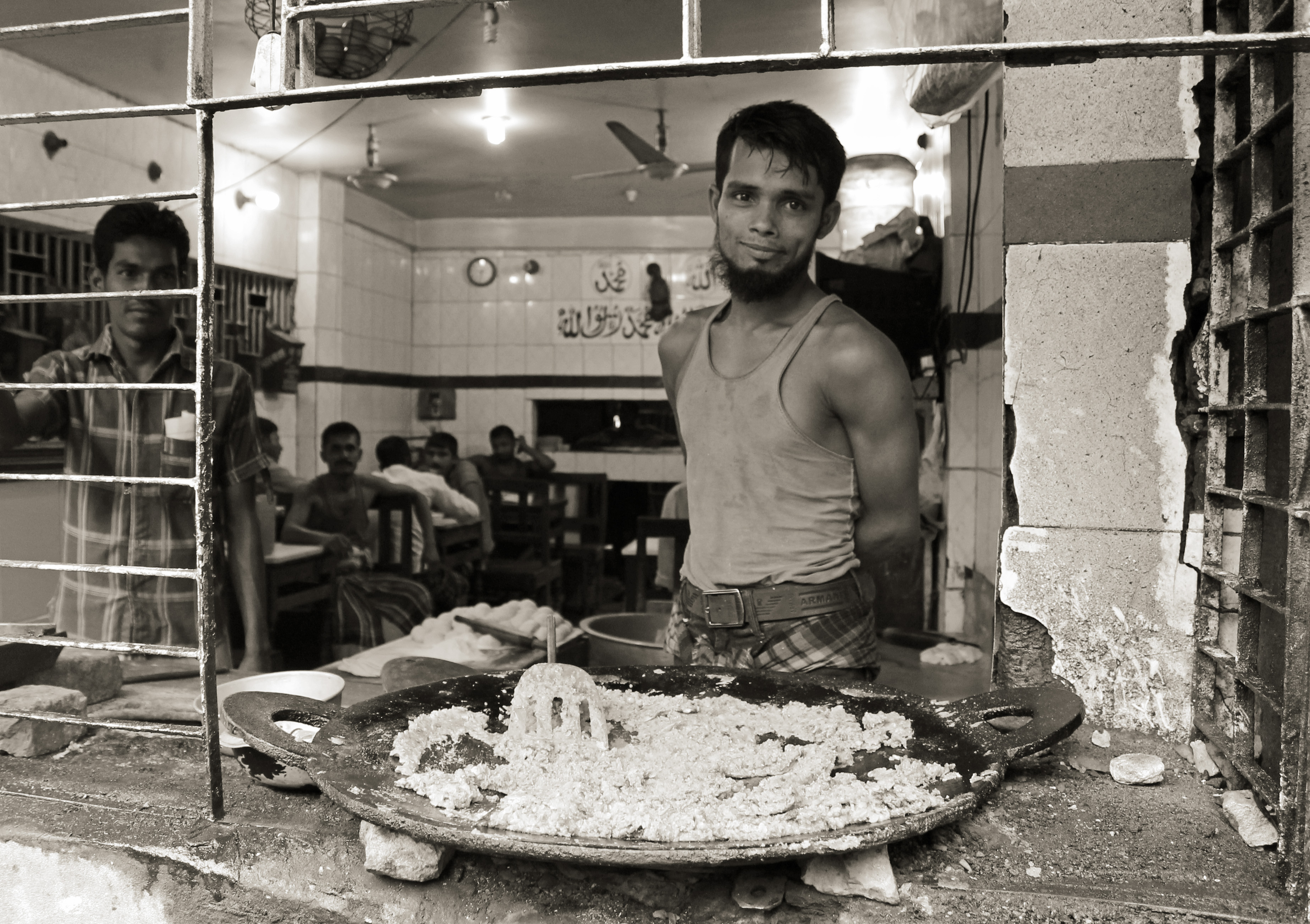
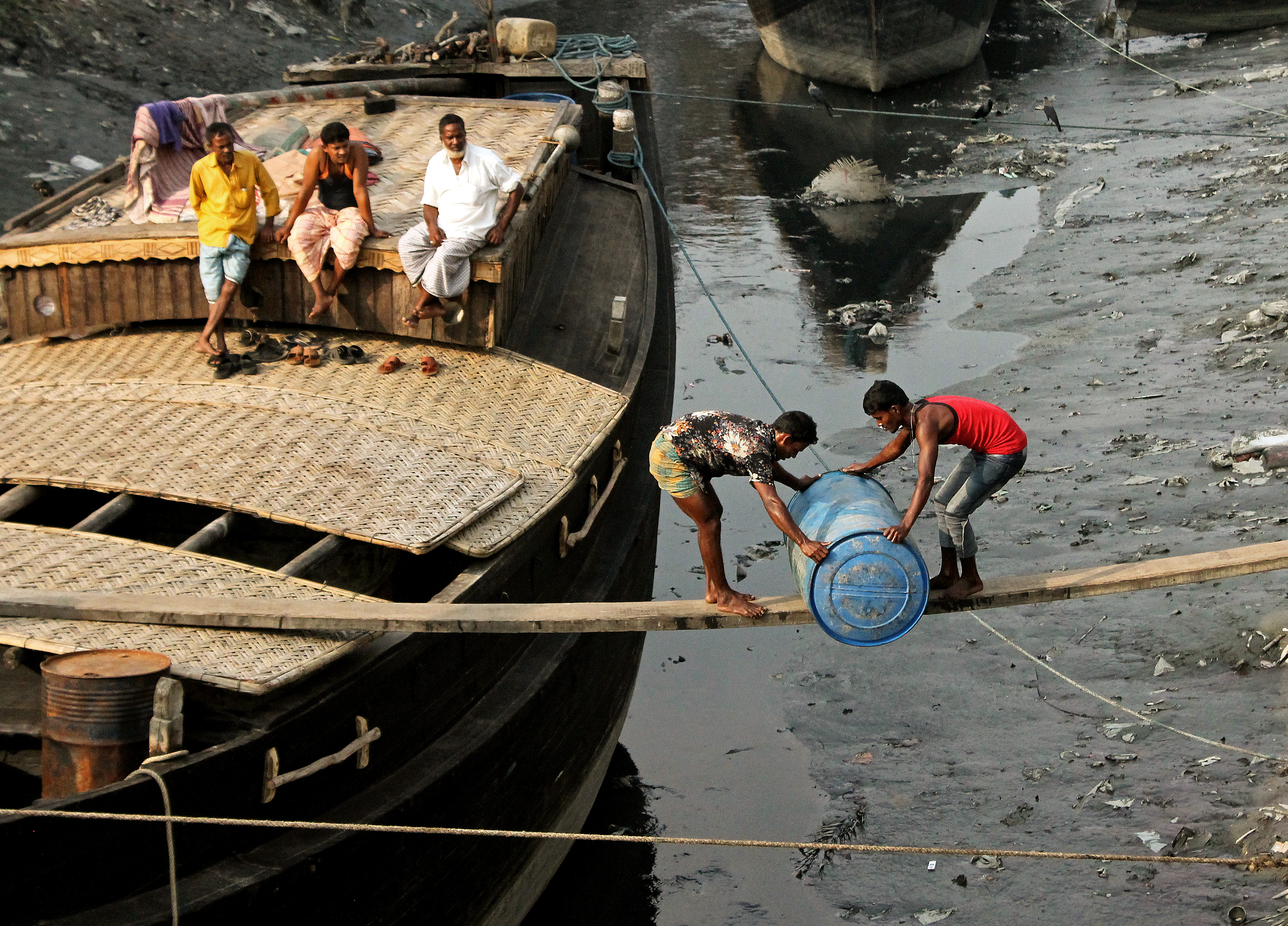
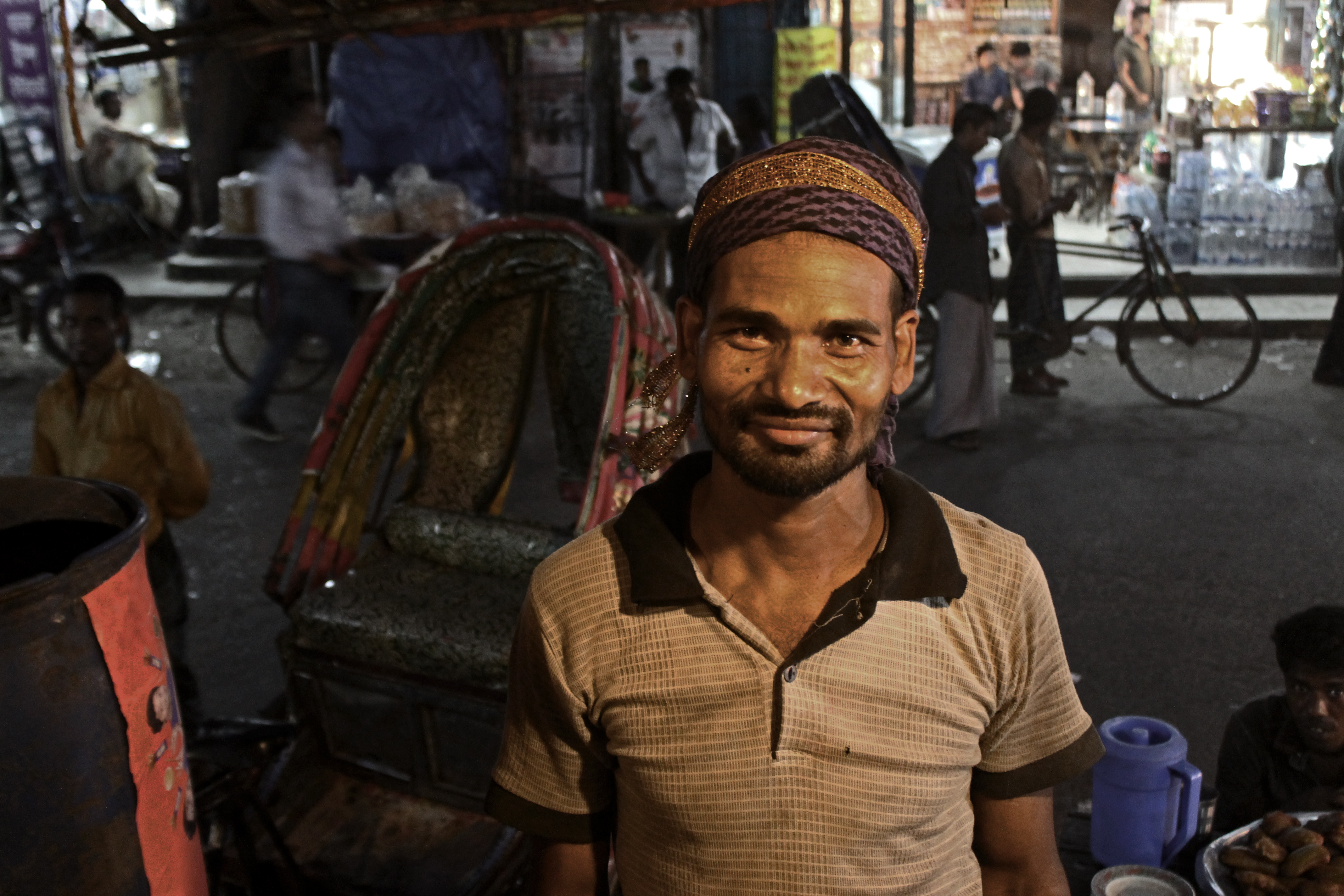
In my previous blog I presented the photographic evidence of copious tea shop visits and interactions with the owners and clientele. During those photo walks I also captured a few images of people at work.

I found that it was quite fascinating to sit and photograph people going about their daily work and trades. I wanted to post this blog simply to present the images that reflect daily life here as I see it through my lens.

This is what I enjoy most about engaging in one of my favourite hobbies here in Chittagong. Through photography I extract so much joy from being able to view and explore this fascinating city and country and to view sights that perhaps seem ordinary or even mundane to one set of eyes, yet to others tell a story.

So, here are the results. Some of the photos were taken some months/years ago, but all are from Bangladesh. Also you may notice that there are few women featured. This was obviously not a conscious decision of mine, but rather reflective of the trades I photographed, and crucially, my location.


The Welders

IMG_1690


IMG_1529


IMG_1815


IMG_1654a


IMG_1647


IMG_1618


IMG_1659


IMG_1702


IMG_1817


The CNG driver

IMG_6267


IMG_8381


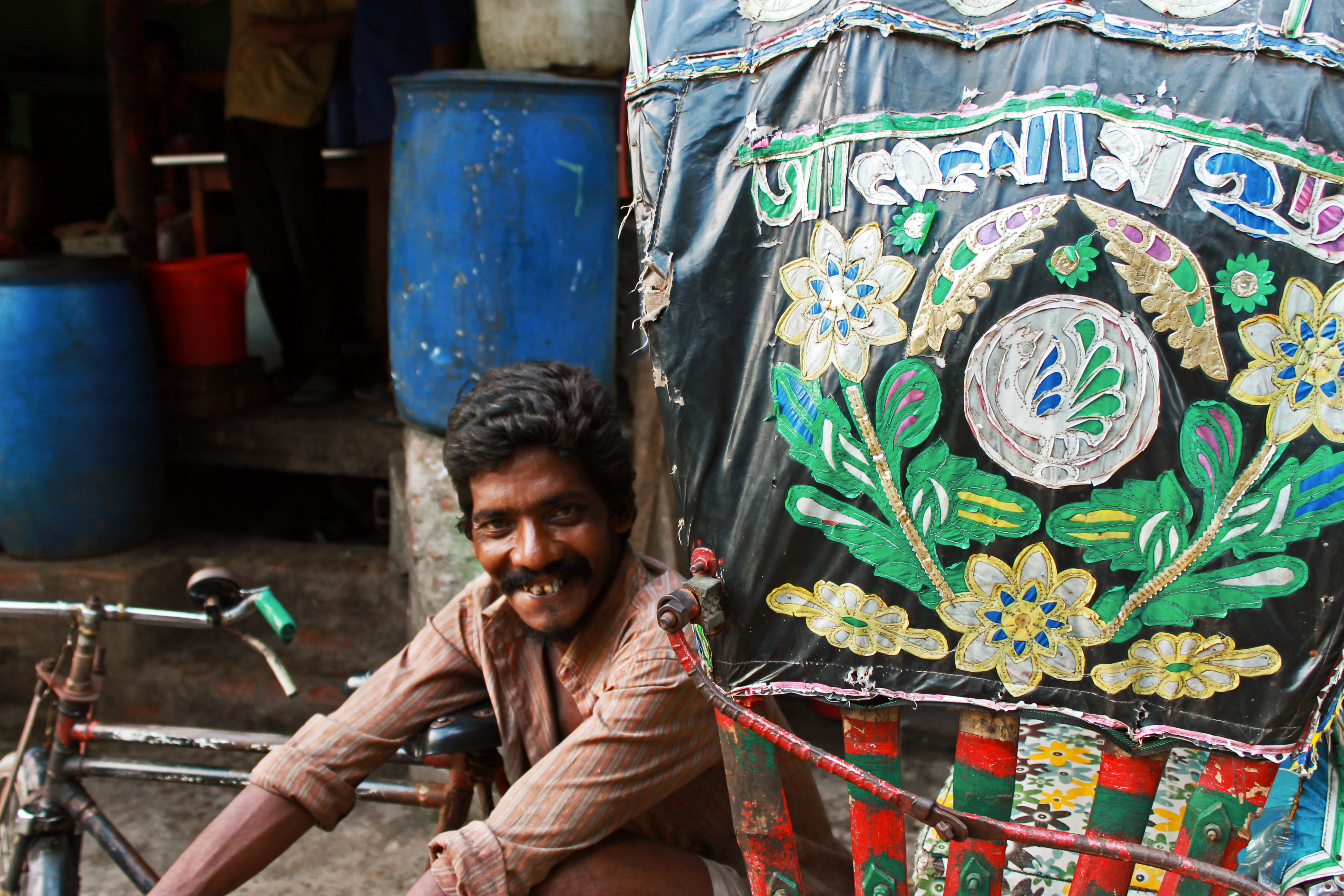
The Rickshawalah

IMG_1539


Rickshawalahs


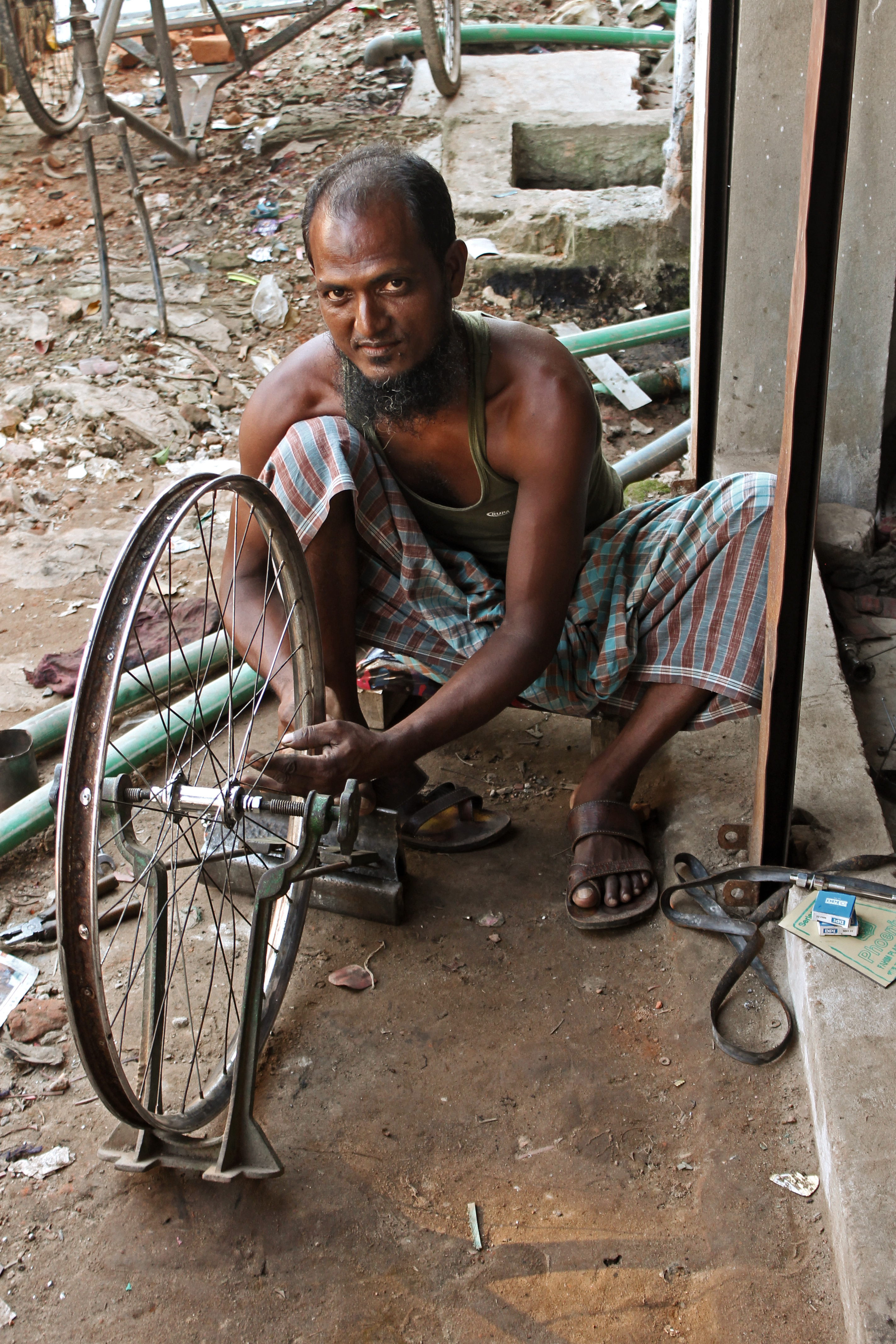
The man who fixes the rickshawalah’s wheels…

IMG_1543


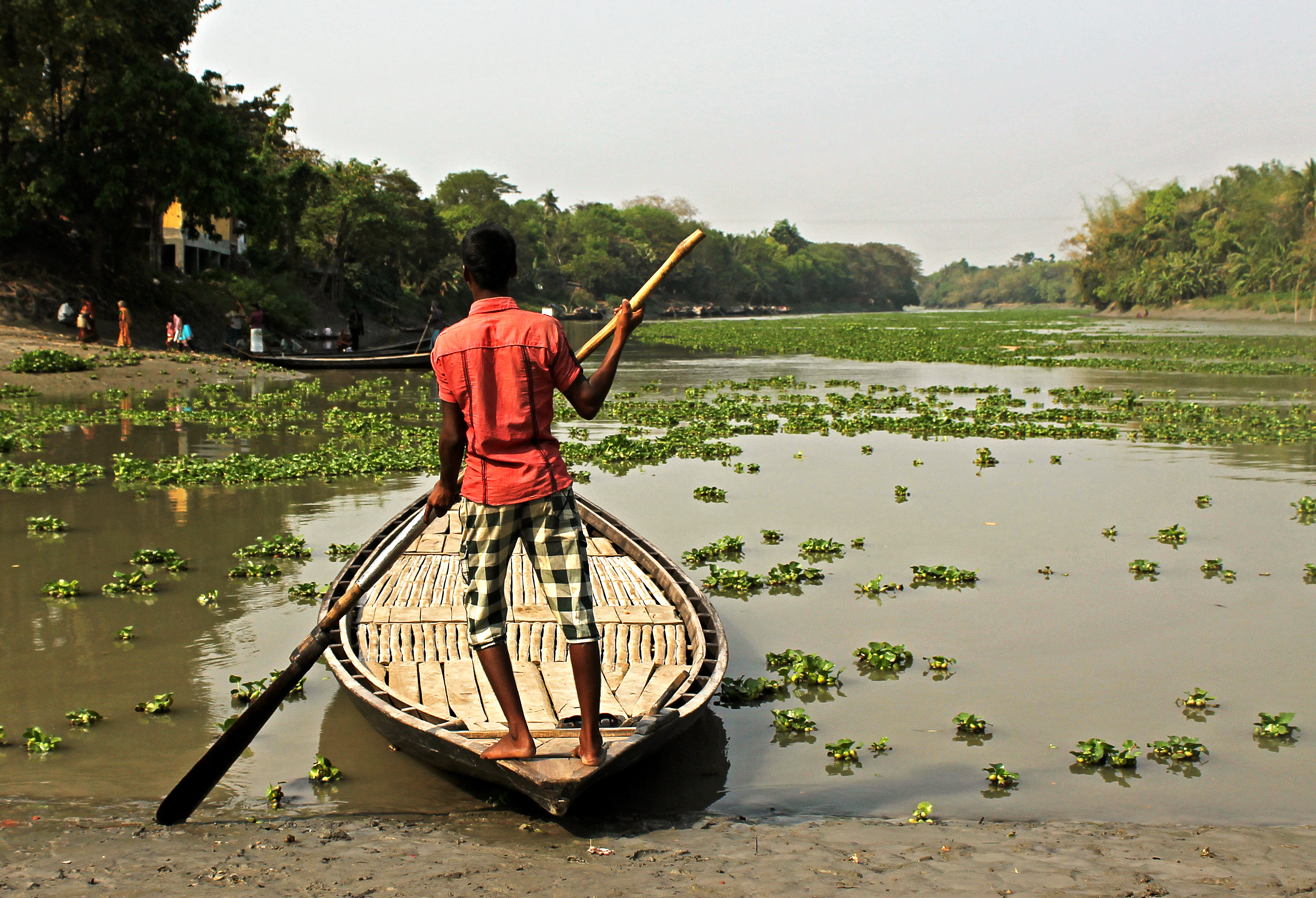
The Boatmen

IMG_5410


IMG_4647


IMG_5467


The Tailors

IMG_1544


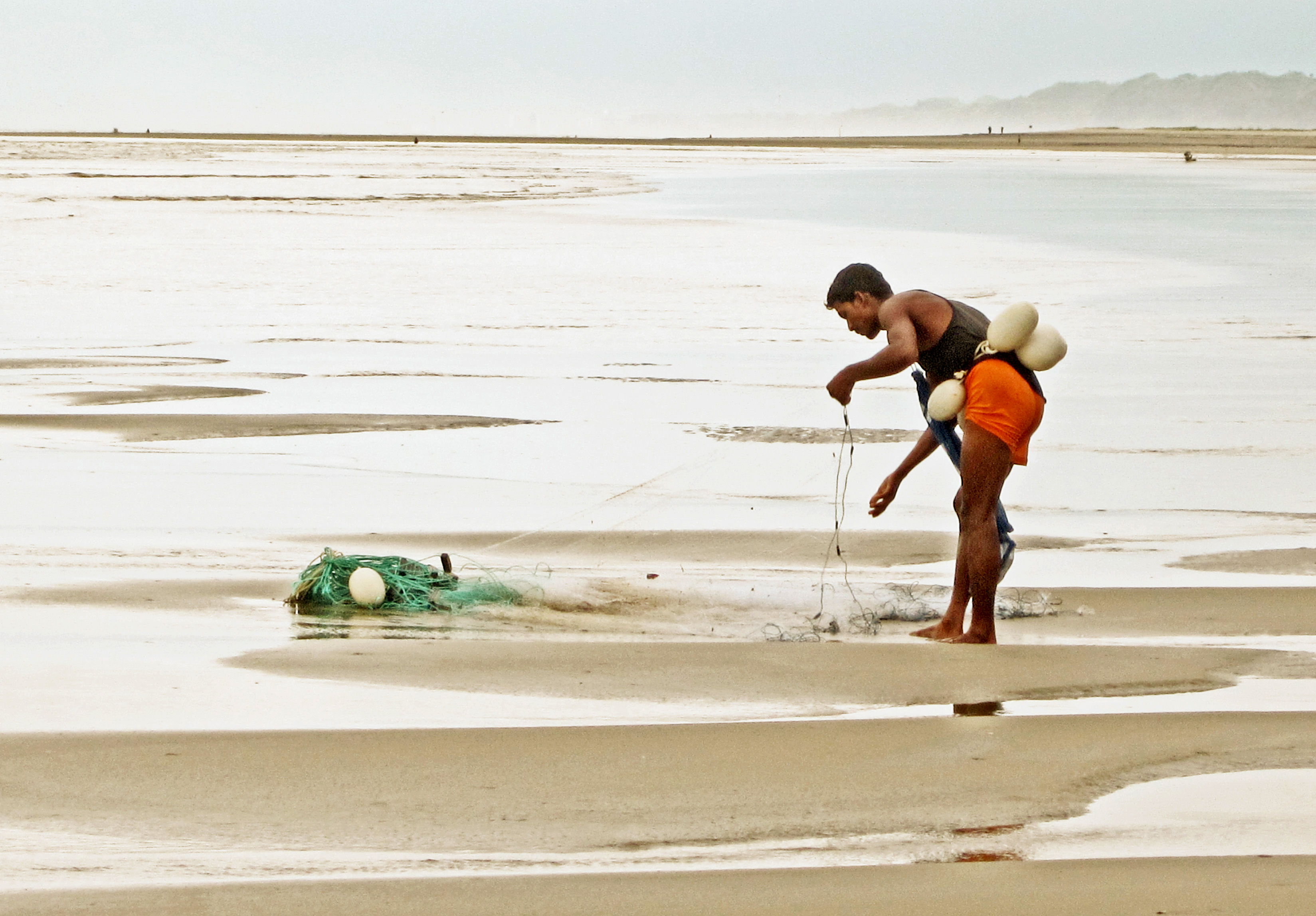
The Fishermen

IMG_9364


IMG_5184


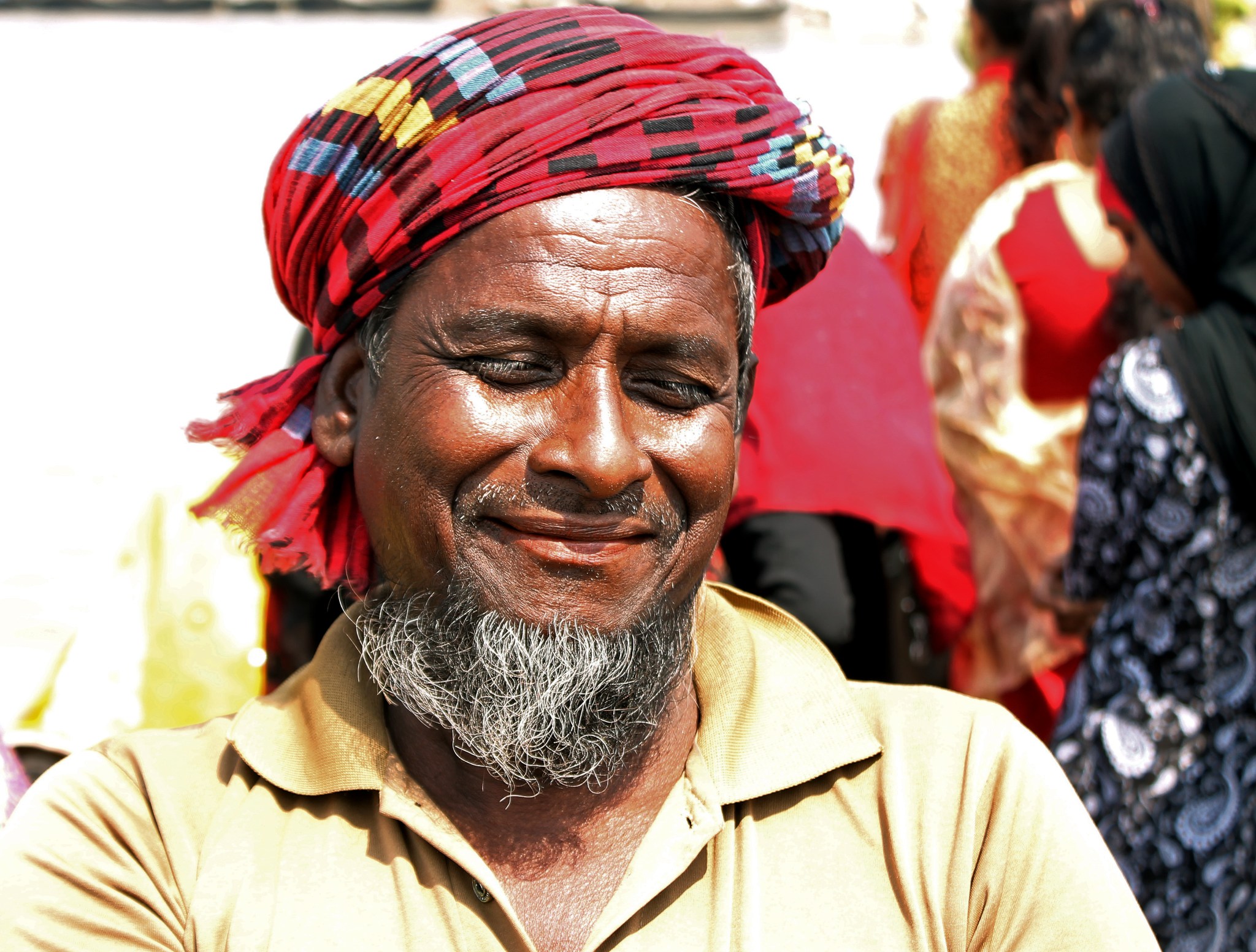
Bangladesh faces


IMG_1145


IMG_3065


IMG_3048


…and the man who transports their catch to market

IMG_4975


to the man who sells them at the market…


The Farmer

IMG_9142


The Produce Sellers

IMG_1771


IMG_1752


IMG_1725


The Butcher


The Ice Cream Man

IMG_1550


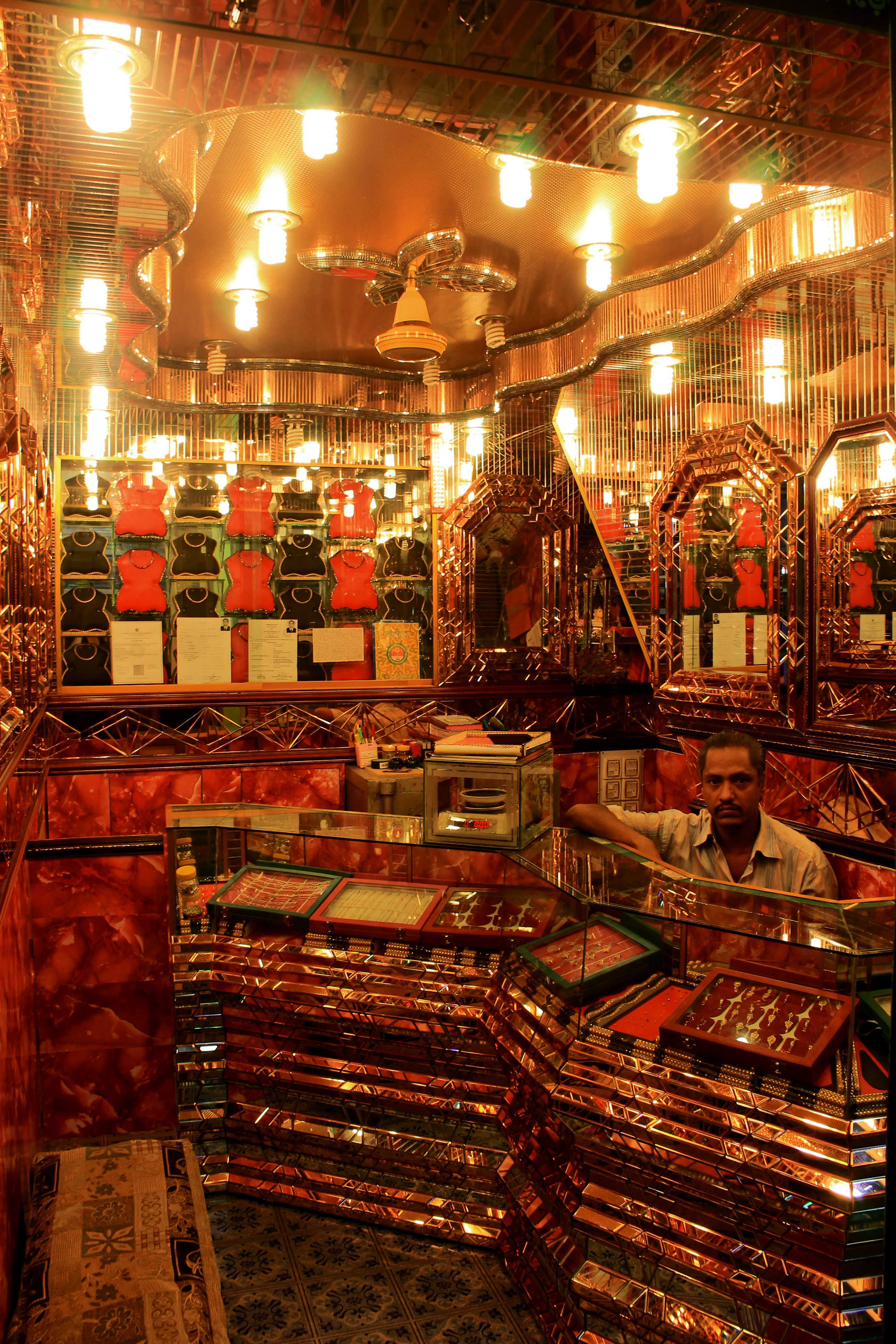
The Jeweller


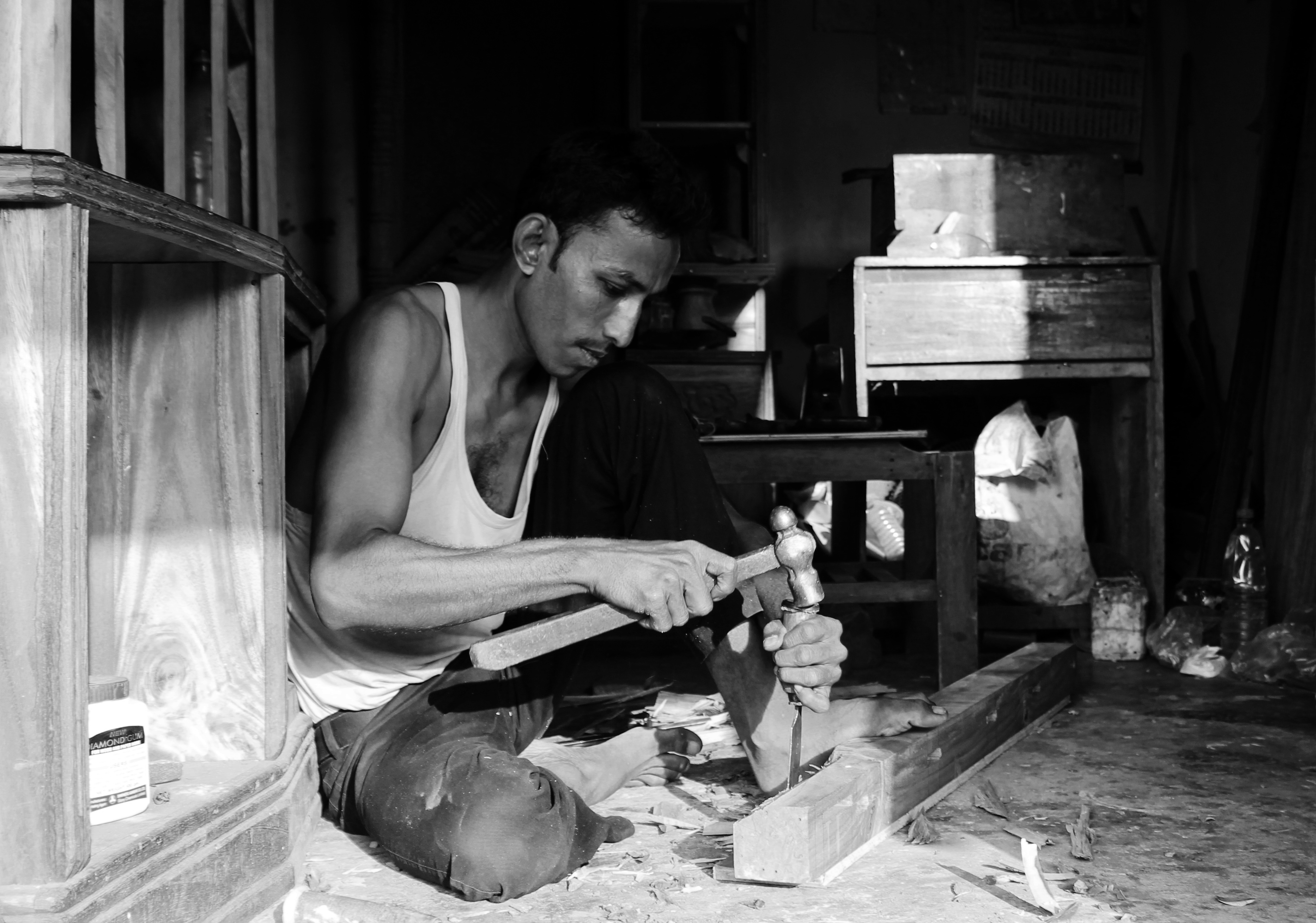
The Carpenter

IMG_1548


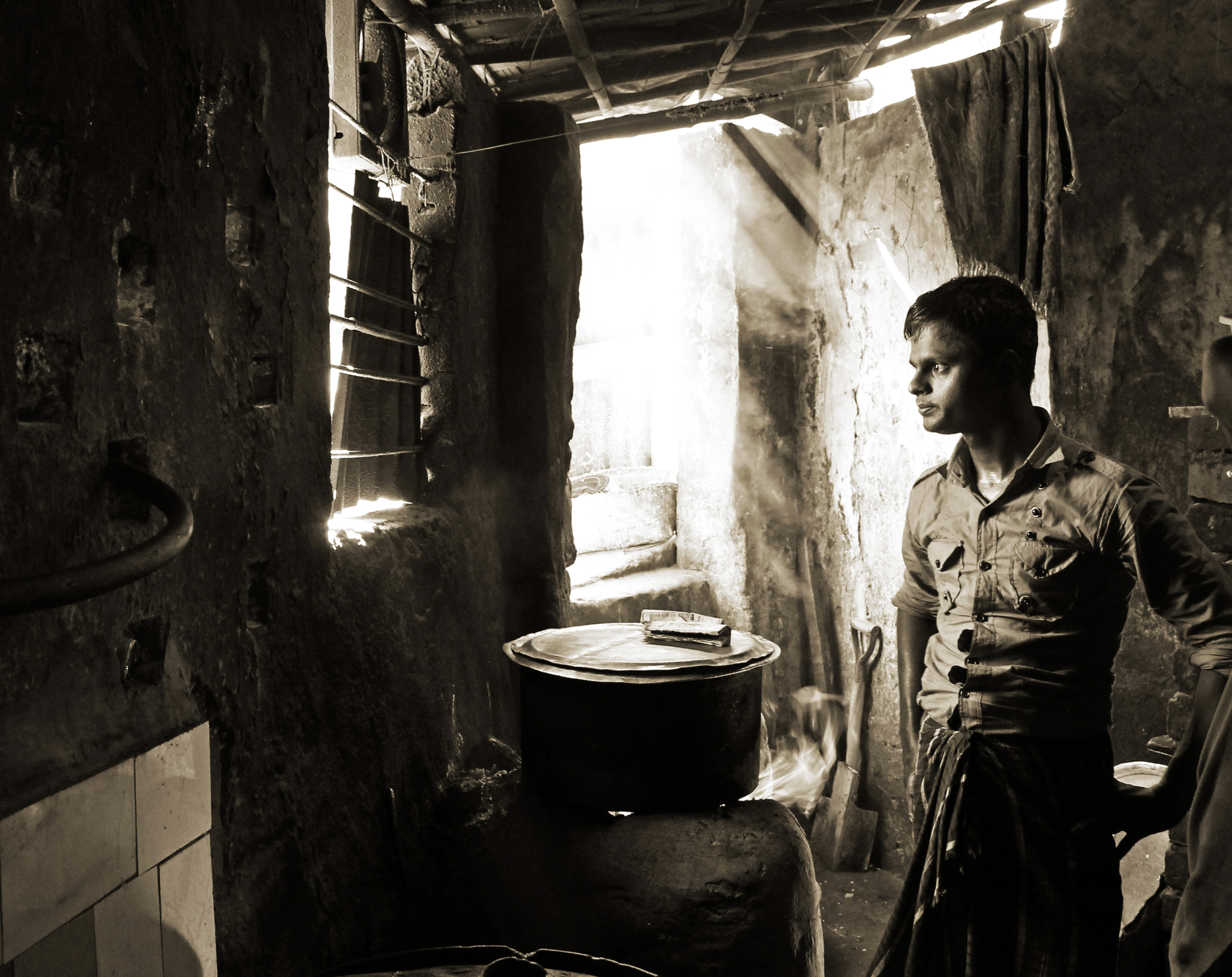
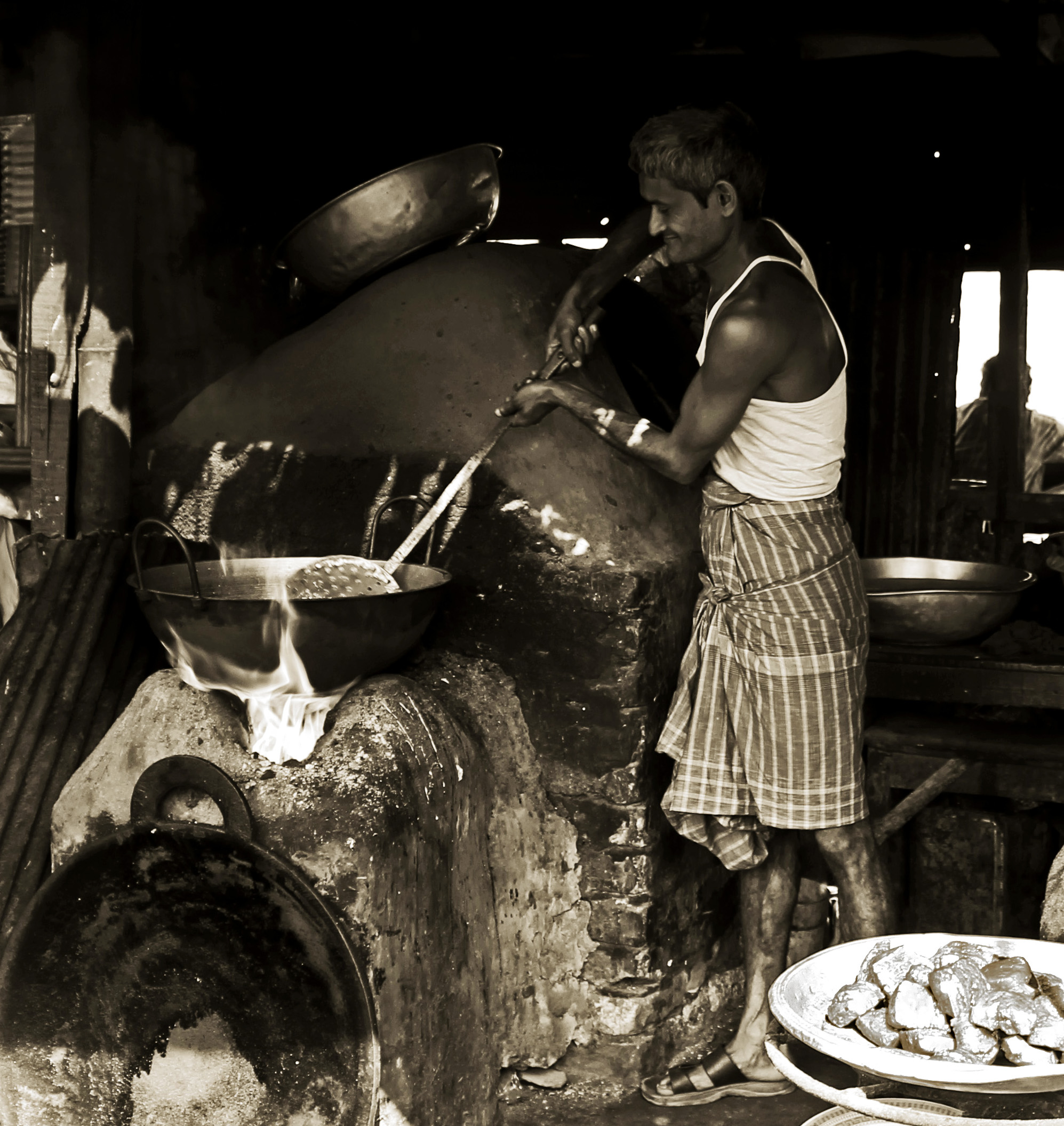
The Cooks

IMG_6113 copy


IMG_5613


IMG_1781


IMG_1638


Bangladesh faces


The Load Carriers and Goods Transporters

IMG_8724


IMG_8280


IMG_5942 copy


And finally, the metalsmith

IMG_5687


All images © John Stanlake


Bhaiya, Cha Khaben?

Tea Shops of Chittagong


It’s probably no secret that one of my favourite activities in Chittagong is drinking tea. You may be thinking well, he’s British, so it kind of figures. Along with queuing and in depth discussions about the weather, we Brits love nothing more than a hot brew. Drinking tea; It’s what we do. When we’re upset, confused, nervous, celebrating, commiserating, pontificating, procrastinating, gossiping, etc, etc….we put the kettle on, and we go straight for the teabags.

Well, here in Chittagong there seems to be a similar culture. One of the main differences being however, that tea drinking is a far more public event. Groups of men and women (but usually men) can be found far and wide across the city (and the country of course) sipping on hot, sweet tea, and I often end up becoming a member of one of these groups. In all honesty it’s not so much the tea that draws me in, but rather the experience that surrounds it.

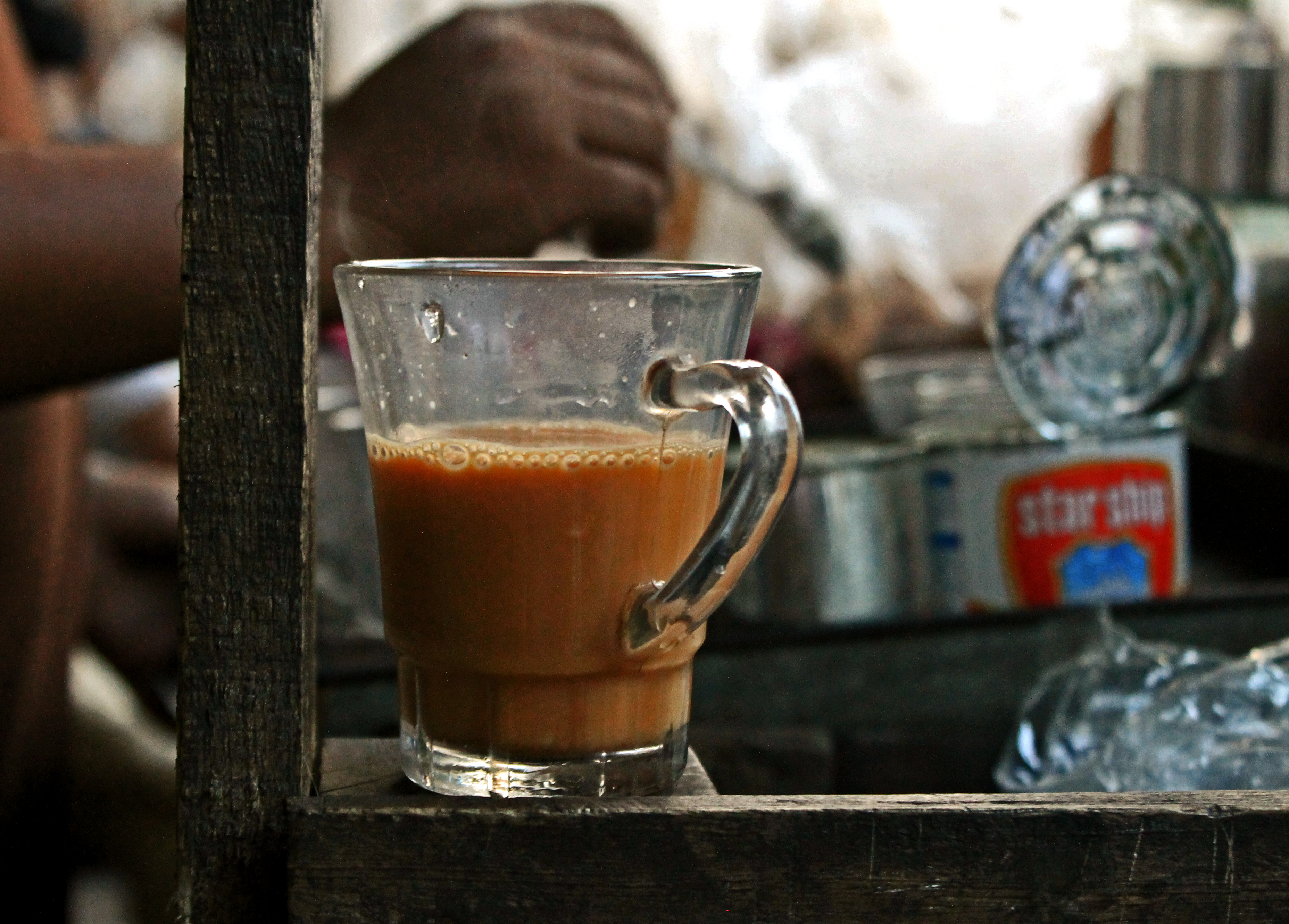
I love the scene and the way life is played out over cups of tea. The comings and goings, the cross section of diverse characters, the energy, the humour, the mystery, and the undulating pace of each individual experience. The tea stalls/shops come in all sorts of shapes and sizes, and it’s incredible just how many exist here. I could go on and on trying to describe it in words, but recently I decided it would be far easier, and probably a much greater sensory experience to present Chittagong’s tea drinking through a series of images.

Thus, in the past two weeks I have wandered around the city visiting a vast array of Cha-er dokan (tea shops) and here are the photos I captured. It’s safe to say that in excess of twenty cups of tea were consumed in the process. I should also state that whilst in some photos the people do not look overly happy about the image being taken, I always make a point of checking with people (often 2-3 times) that they are ok for me to take the photo. From my experience it is very common for the people I’ve met to switch to their most serious expression when the photo is taken.


A common scene found across the city and country


‘Adda’ – informal conversations on a quiet day


A variety of snacks to accompany your tea


This shop is as wide and as deep as the photo suggests


IMG_0920

The roadside tea shop


IMG_0925

Bananas, bread and tea


IMG_0943


Beside the rail tracks, the tea shack – a community centre


Learning the trade early


One of the noisier tea shops – located by the side of a frequently congested main road


IMG_1014

TMT – a larger establishment with a reputation for fine tea


One of the many tea sellers who populate this city


IMG_1030

A bustling tea/food shop


The rickshawallah’s break


Discussing the day over early evening cha


The hub of a road or area


IMG_1052

A common snack here in Chittagong


Evening entertainment at the tea shop


No finer way to spend 10 minutes


The essentials


Watching the world go by


A small cup of tea and condensed milk greatness


Tea shop faces


IMG_1065

The mobile teawallah


And finally in an ode to tea drinking here is a song from one of my favourite bands, Kula Shaker, who have captured the magic of a nice cup of tea magically. Enjoy!

Drink Tea for the Love of God


All photos © John Stanlake

Green Grass of Home


The summer just passed brought about a number of reunions with good friends, familiar faces, and people who have defined recent phases of my life.

It began with a slight diversion to my usual route home from Bangladesh to the UK. A night spent sprawled out on a metal bench in an eerily quiet terminal building at Dubai Airport preceded a feeling of deja vu – boarding a Rwandair flight through to Kigali. The airport in Dubai felt disorientating as I contemplated a journey that began in Chittagong and would end in Kigali.

As I read ‘Inzozi’ the Rwandair inflight magazine, some very familiar emotions hit me. Upon landing and disembarking the plane, I would once again set foot on the continent of Afica and more specifically Rwanda, the country that taught me so much in such a short space of time.

Four years previously I landed in Kigali, and I had little idea if I’m honest of quite what the following ten months had in store for me. I needn’t have worried. Things have a way of working out and overall 2010 was a year that will undoubtedly stick in my mind for many positive reasons.

Before returning home to the UK for a few weeks this summer I spent 10 days back in Rwanda. Many people have since asked me how it felt to return to the country and quite frankly the only response I’ve been able to provide is, “Great…it was great.”

Not particularly inspring, or informative I’m well aware, yet that’s exactly how it felt. It was emotional too of course as I met with former students who are continuing to carve their own successful paths in life.

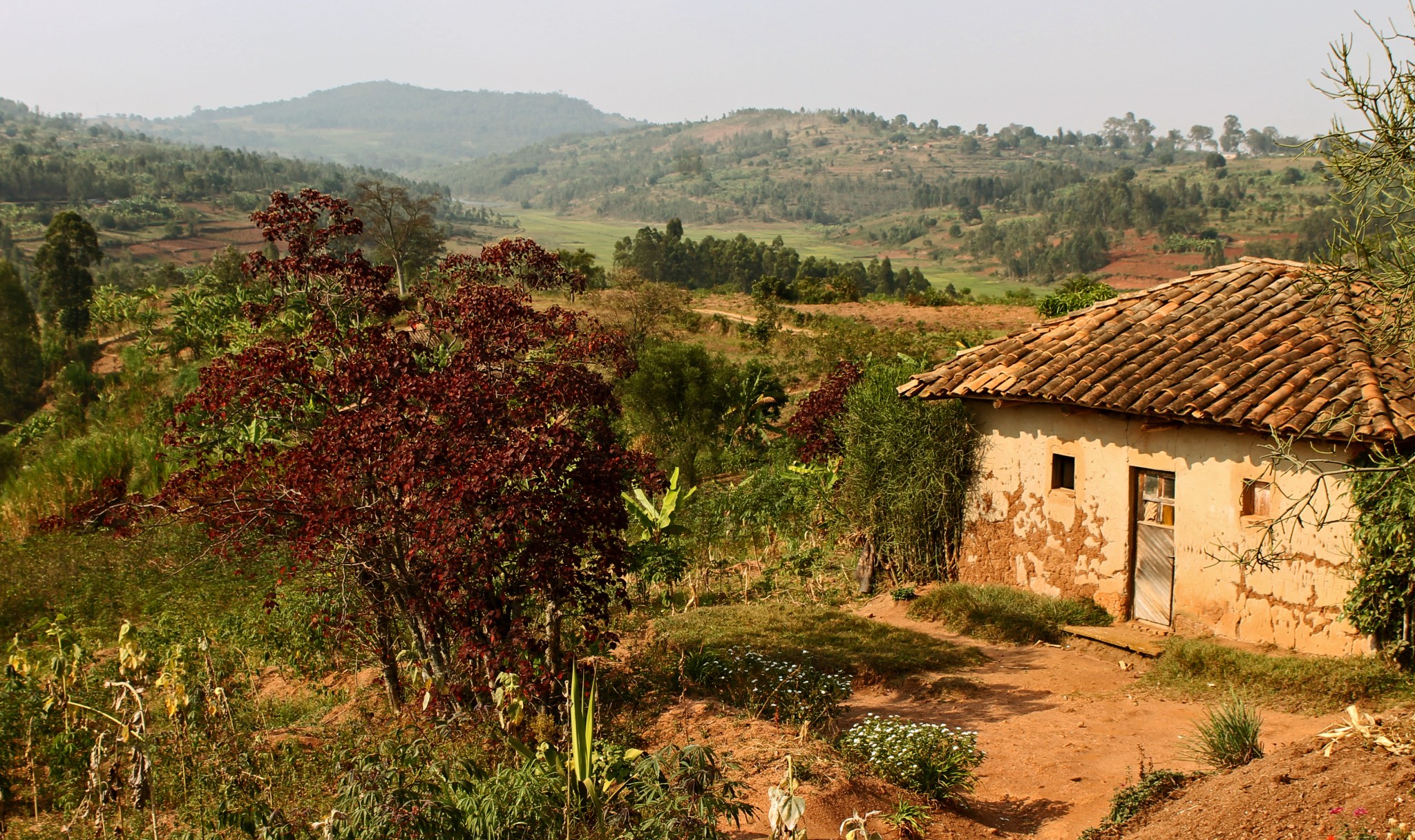
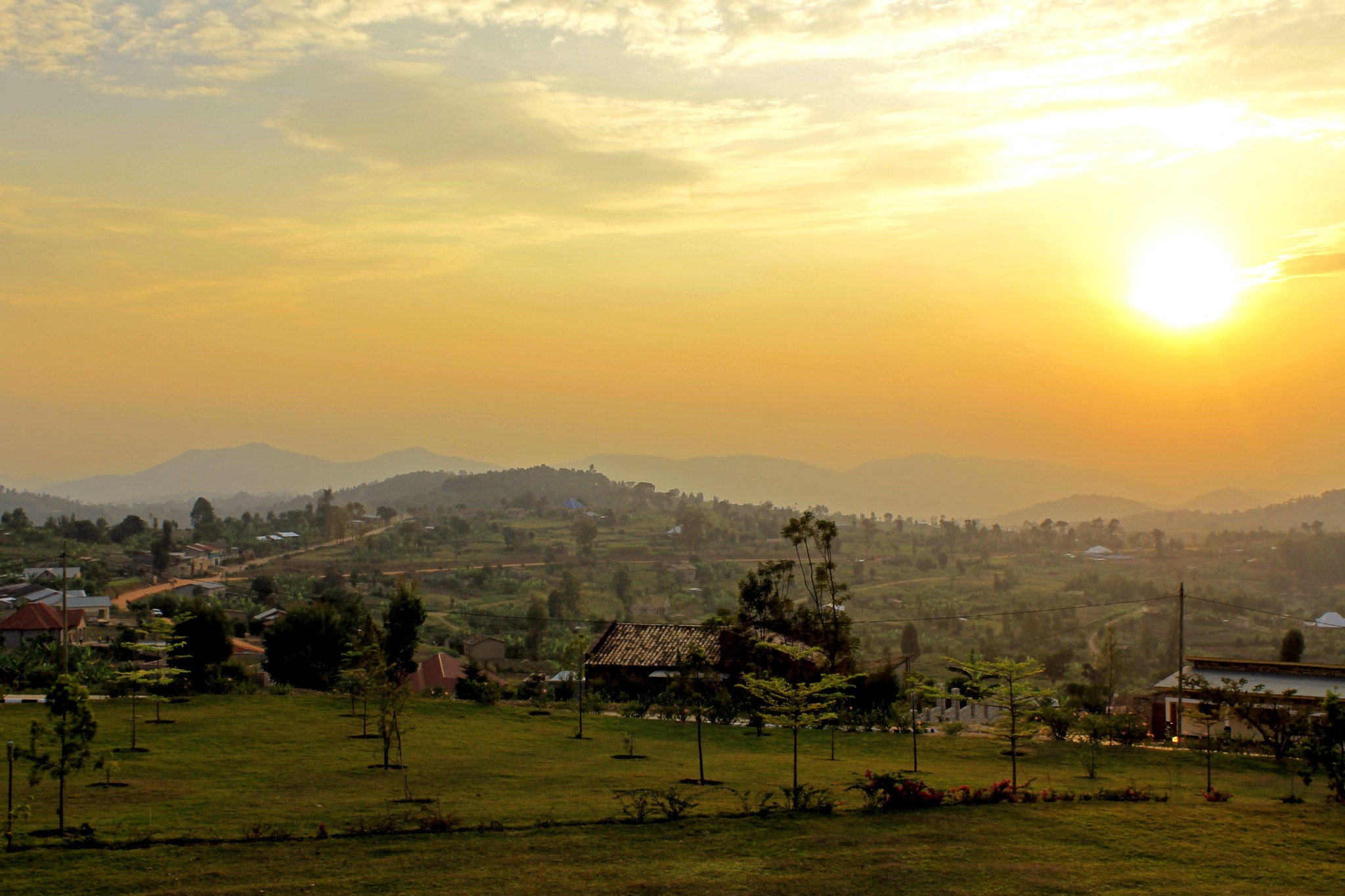
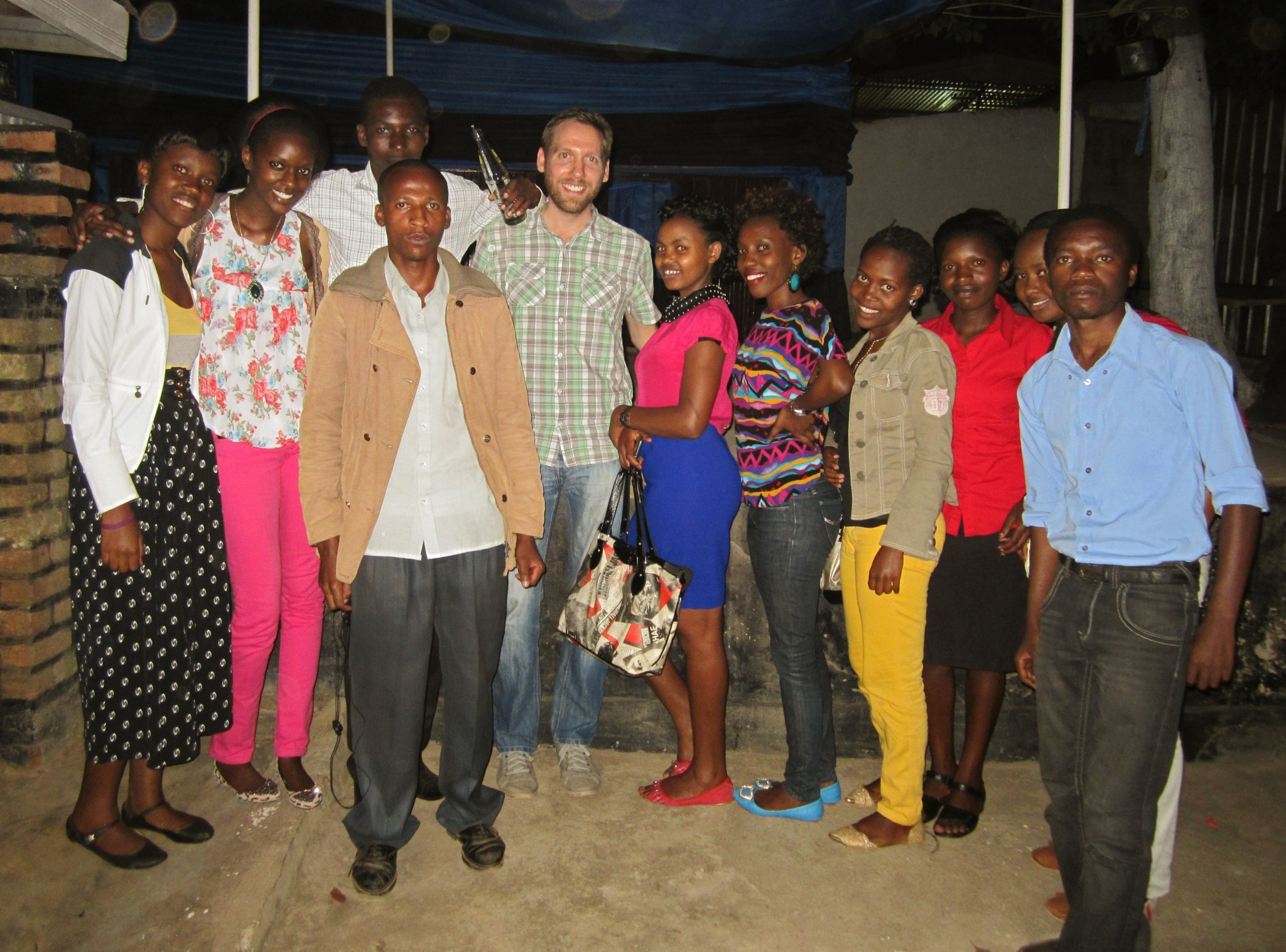
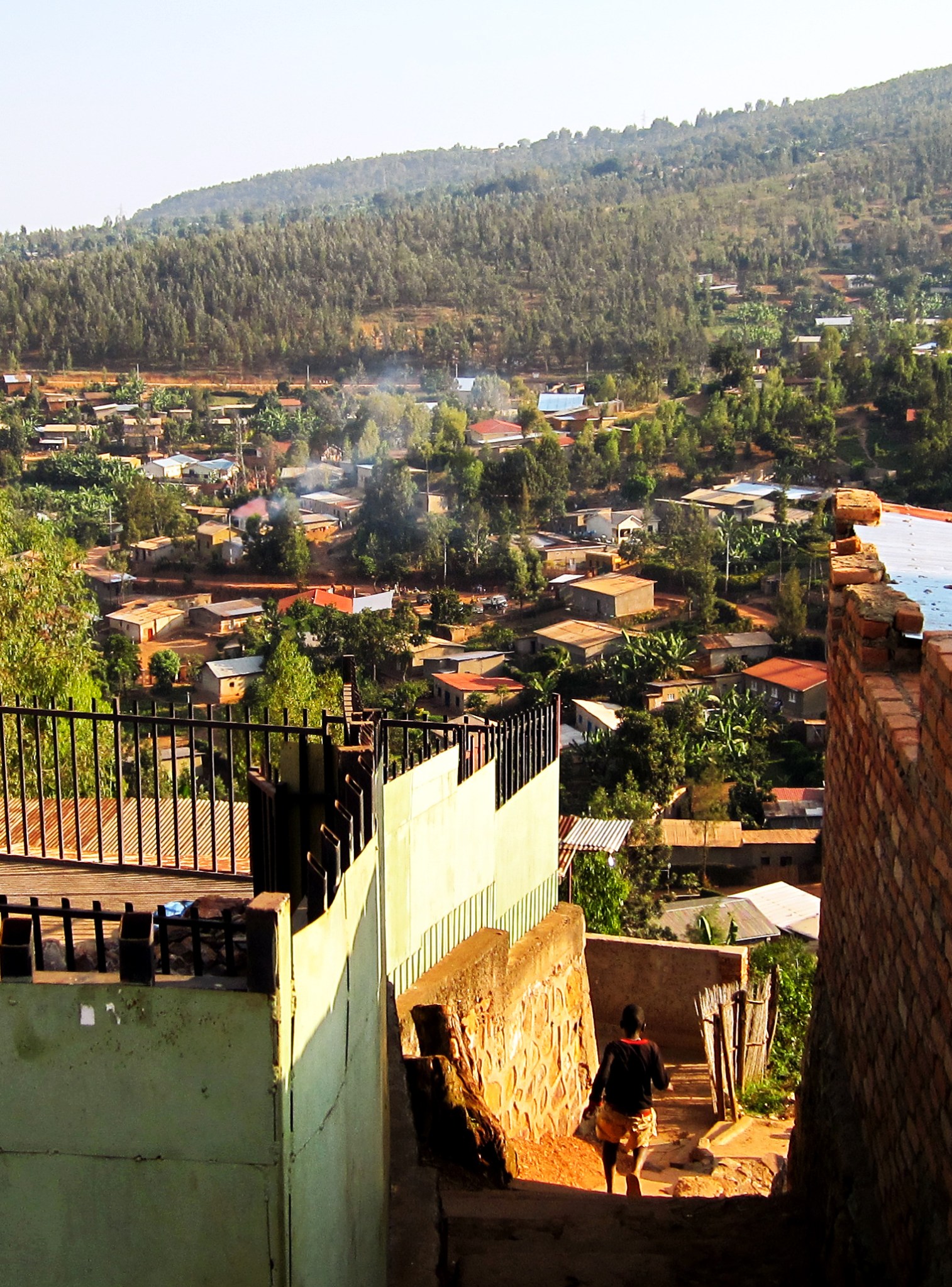
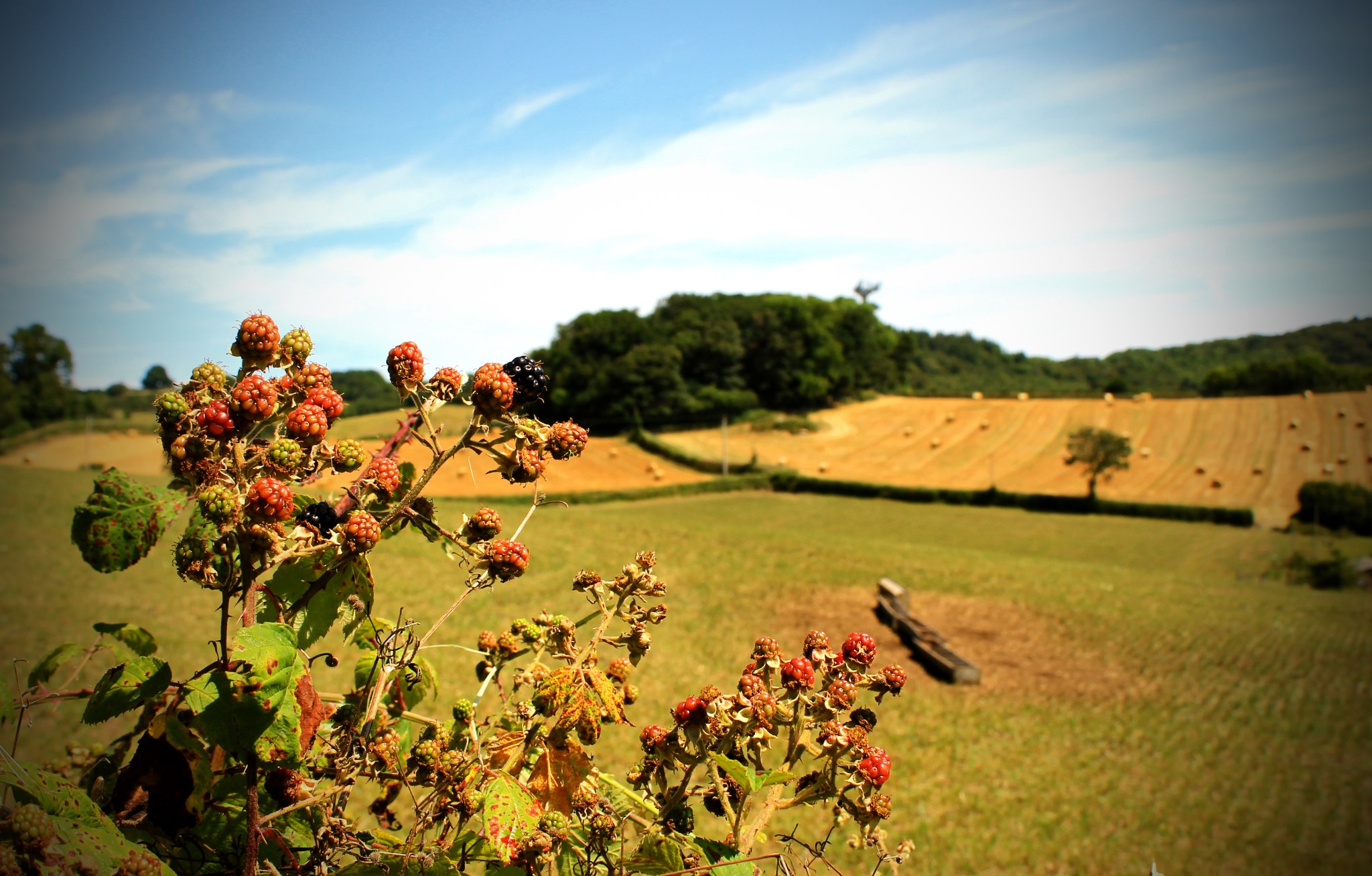
So, as in previous instances of being stuck for the right words, I will resort to images. Below is a selection of photos which sum up a summer of green hills, friendly faces, and of course…familiar homes both in Rwanda and the UK.


Rwanda


National Art Gallery, Nyanza


Huye, Rwanda

South Rwanda countryside


Sunset over Nyanza hills


Sunset over Nyanza hills


With former students


Kigali city outskirts


With former students


Devon

Dartmoor


Devon hills


Dartmoor


Dartmoor


Dartmoor road


Boats at Shaldon


Sunset over Torbay


The best walking partner


Woodland walk in Lustleigh


IMG_0668

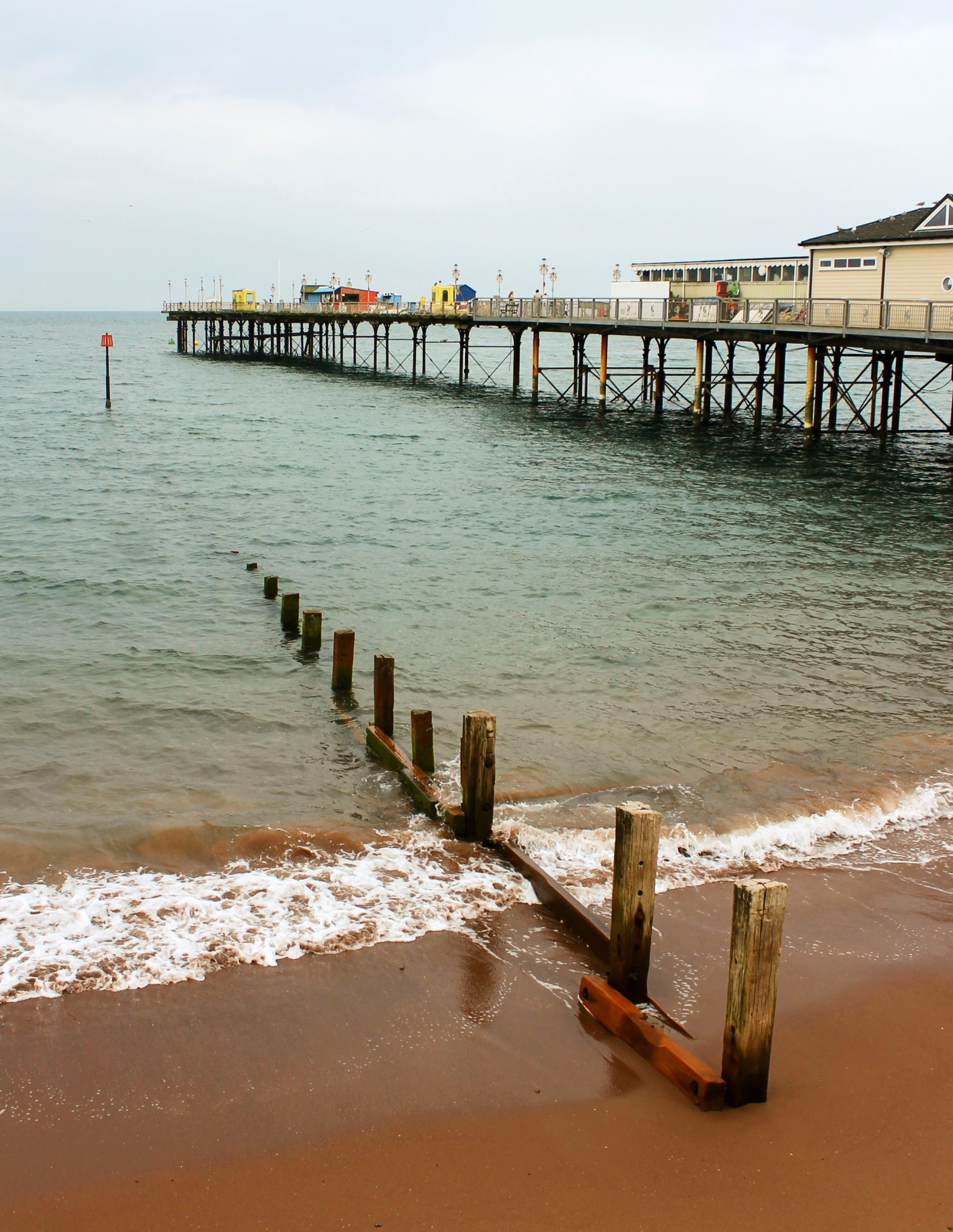
Teignmouth Pier


All photos © John Stanlake

One People, One Nation, One Destiny.


Sunday, May 5th 2013 was a notable date here in Guyana. It marked the anniversary of an event which played a huge part in shaping the face of the Guyana you find today. Exactly 175 years ago to the day, on May 5th 1838, the very first indentured Indian labourers arrived to work in the sugar plantations of the then British colony of Guyana. They weren’t ‘slaves’ as such, however their workers’ rights were neglected and conditions were often poor. They did however have the right to repatriation in India after five years. Some took up this offer, others decided to make Guyana their permanent home.

Over 200,000 workers in total made the journey from Asia to South America in the 19th century, and possibly the most telling statistic of all is descendants of those immigrant workers now account for 44% of the total population in 2013. The Indo-Guyanese are therefore officially the largest ethnic group in Guyana.

One aspect of this country that has intrigued me most during my time here has been the incredible diversity. For a nation modest in geographical area and with a total population comparable to the city of Leeds (UK), or Austin (Texas), Guyana is a melting pot for such a diverse range of cultures, peoples, languages, and traditions. In addition to the Indo-Guyanese; Afro-Guyanese account for 30% of the population, whilst mixed heritage Guyanese make up 16%.  The Amerindian (indigenous) community accounts for the remaining 10%, aside from small Brazilian/Portuguese and Chinese communities.

This diversity manifests itself in so many aspects of Guyanese society. As I touched upon in a previous blog post, language is certainly a strong reflection, with the presence of English, Creole, Portuguese, Spanish, Chinese, and nine Amerindian dialects. Cuisine is another. The popular ‘cookup’ is a Caribbean style dish made of rice, beans, meat, coconut and various vegetables all cooked together in one pot. Curry and roti dishes are readily available and popular, as are Chinese options, including the Guyanese style chow mein. Meat eaters get their fix at various Brazilian barbeques, and Amerindian cuisine is known for the spicy beef or pork stew, Pepperpot – customarily eaten during the Christmas period.

Music and dance is another diverse characteristic of Guyana. Traditional south Asian beats, tablas and sitars, and popular Bollywood songs frequently fill the air. Calypso, Soca, and Reggae are equally prevalent, and a reminder that despite being part of mainland South America, Guyana is very much influenced by its Caribbean connection. Brazilian and traditional South American music is also a common sound.

However, I feel I’ve been struck most by the religious diversity of this country, which is quite evident in Georgetown. Perhaps it’s because my eighteen months prior to Guyana were spent in the predominantly Islamic state of Bangladesh, where 90% of the population identify themselves as Muslim. My religious experiences were therefore defined by the distinct daily call to prayer, the abundance of traditional Islamic dress, and the Mosques of varying shapes and sizes. There is of course a sizeable Hindu community in Bangladesh as well as a modest number of Buddhists. Yet, overall society is defined by the teachings and values of the Qu’ran.


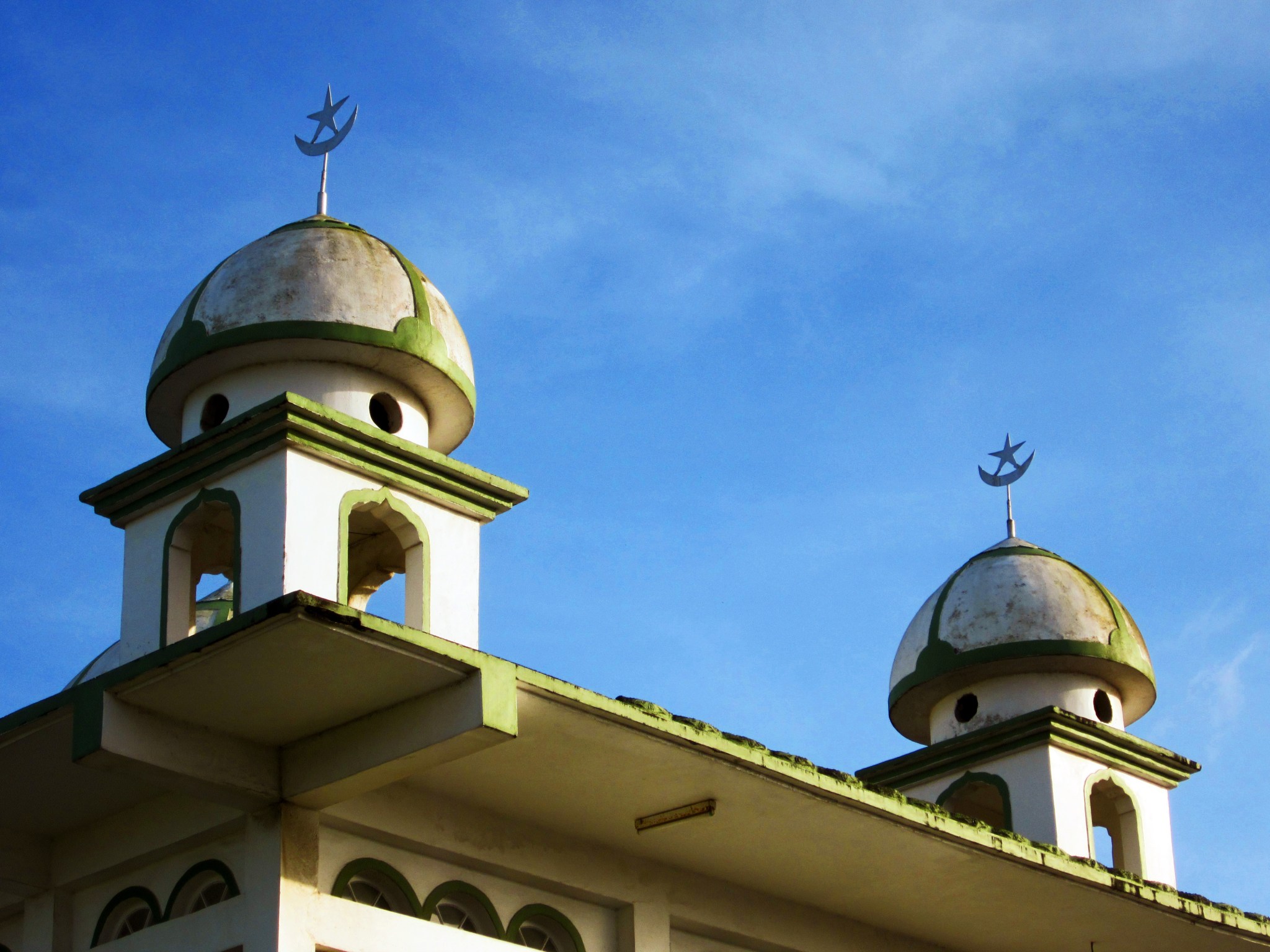
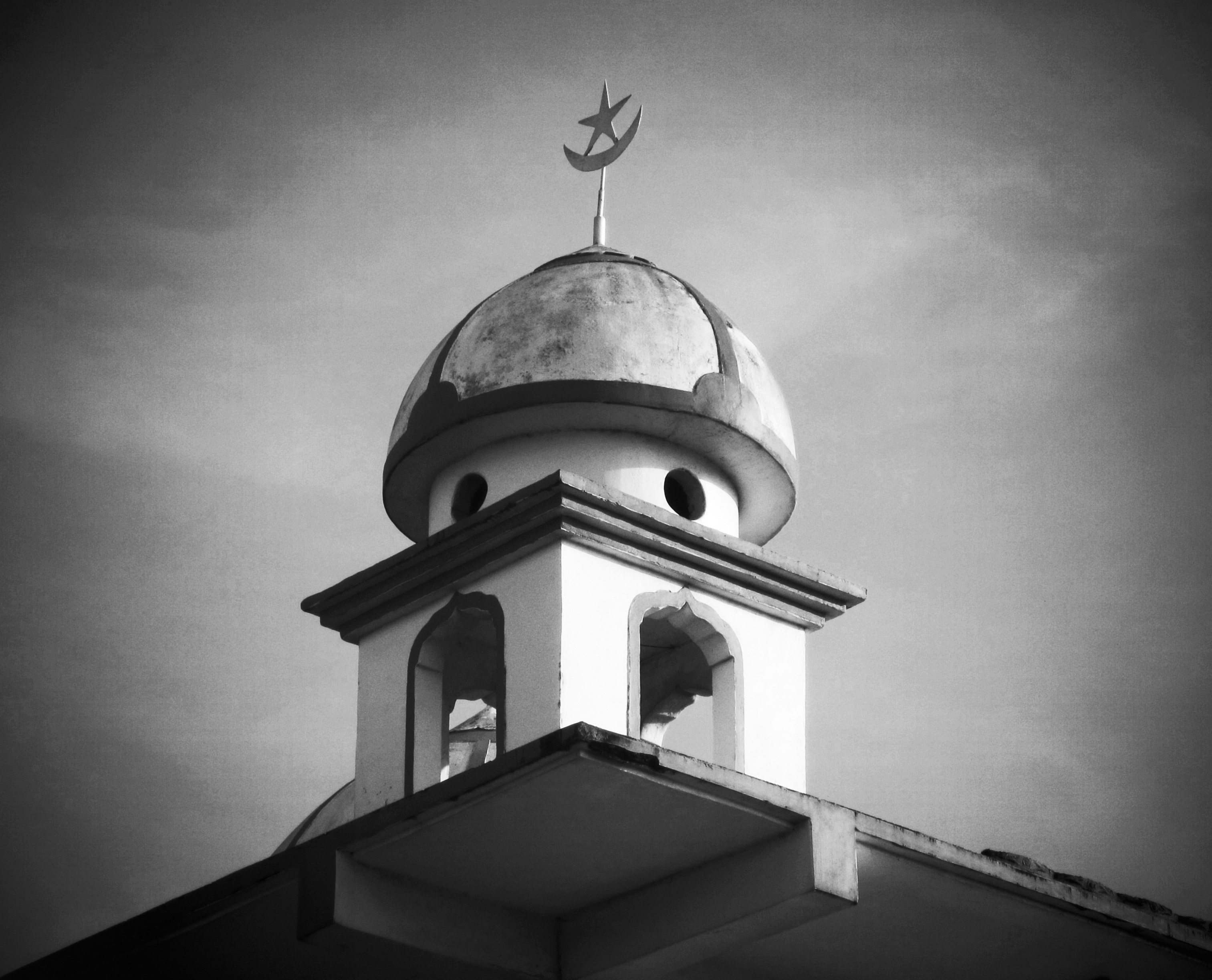
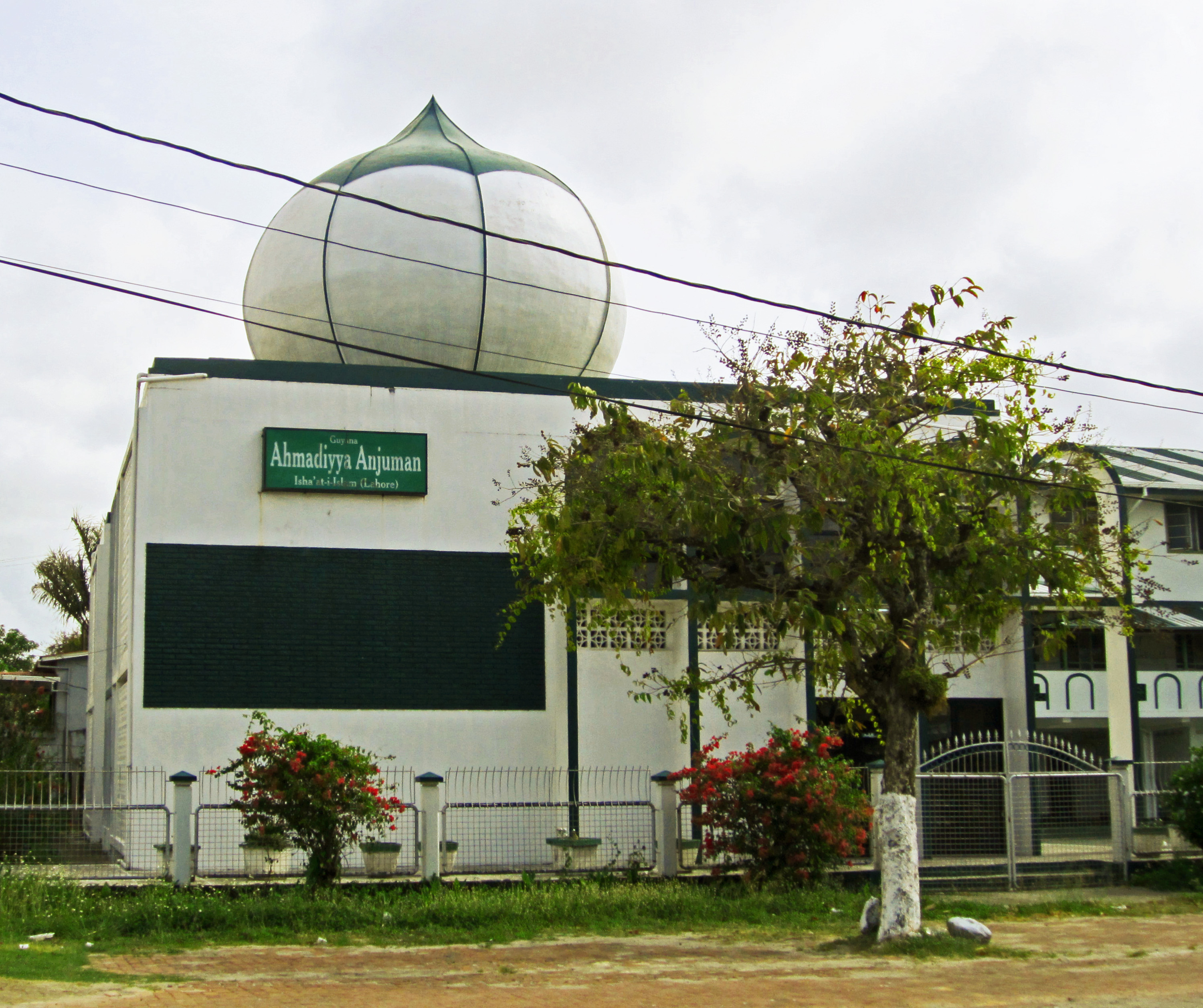
Prashad Nagar Masjid, Georgetown

Prashad Nagar Masjid, Georgetown


Christianity is the most widespread faith in Guyana, but given the history I touched upon earlier in this post, Hinduism is also very visible. Islam has a noticeable presence, despite being less represented in terms of actual followers.

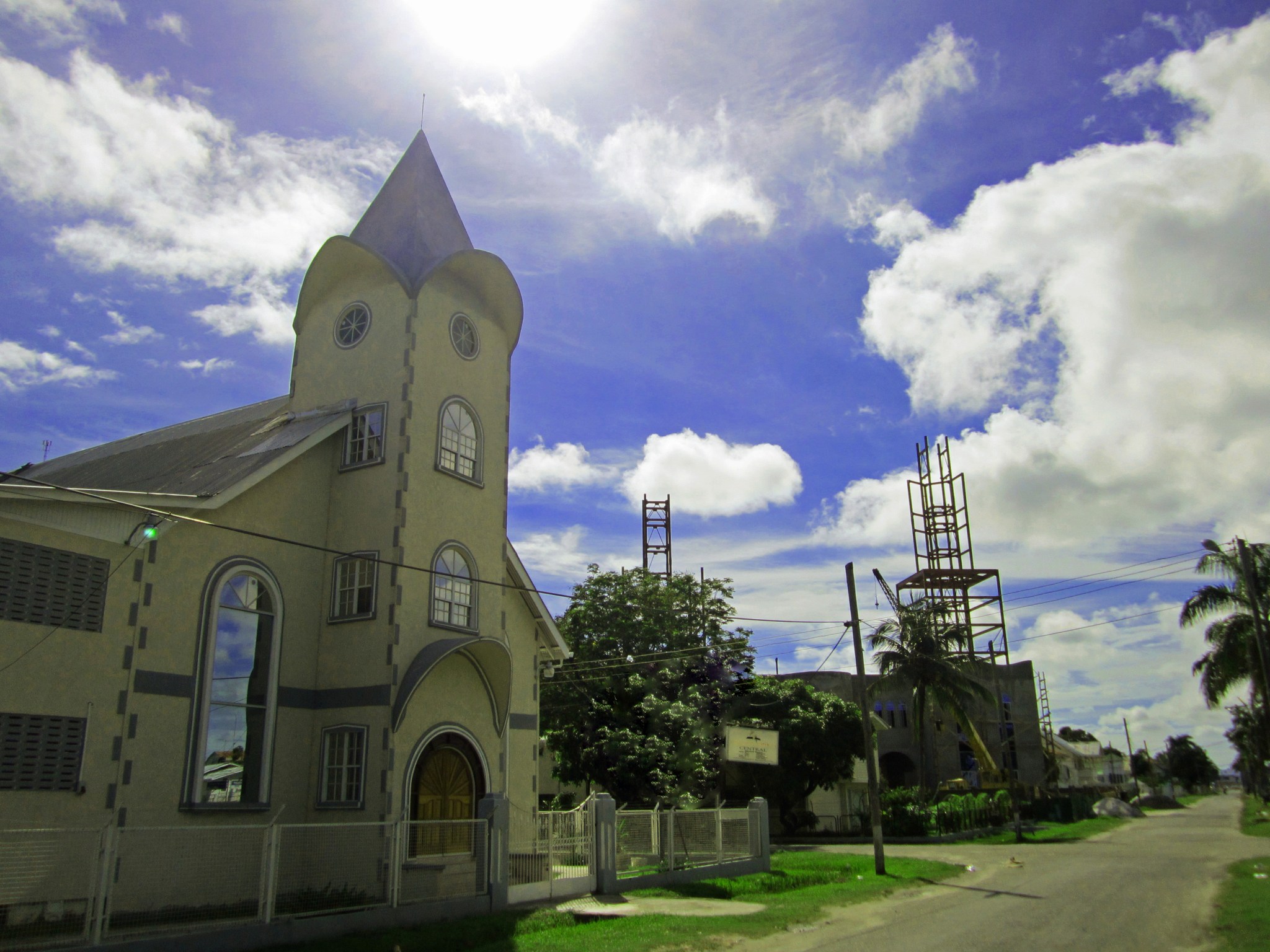
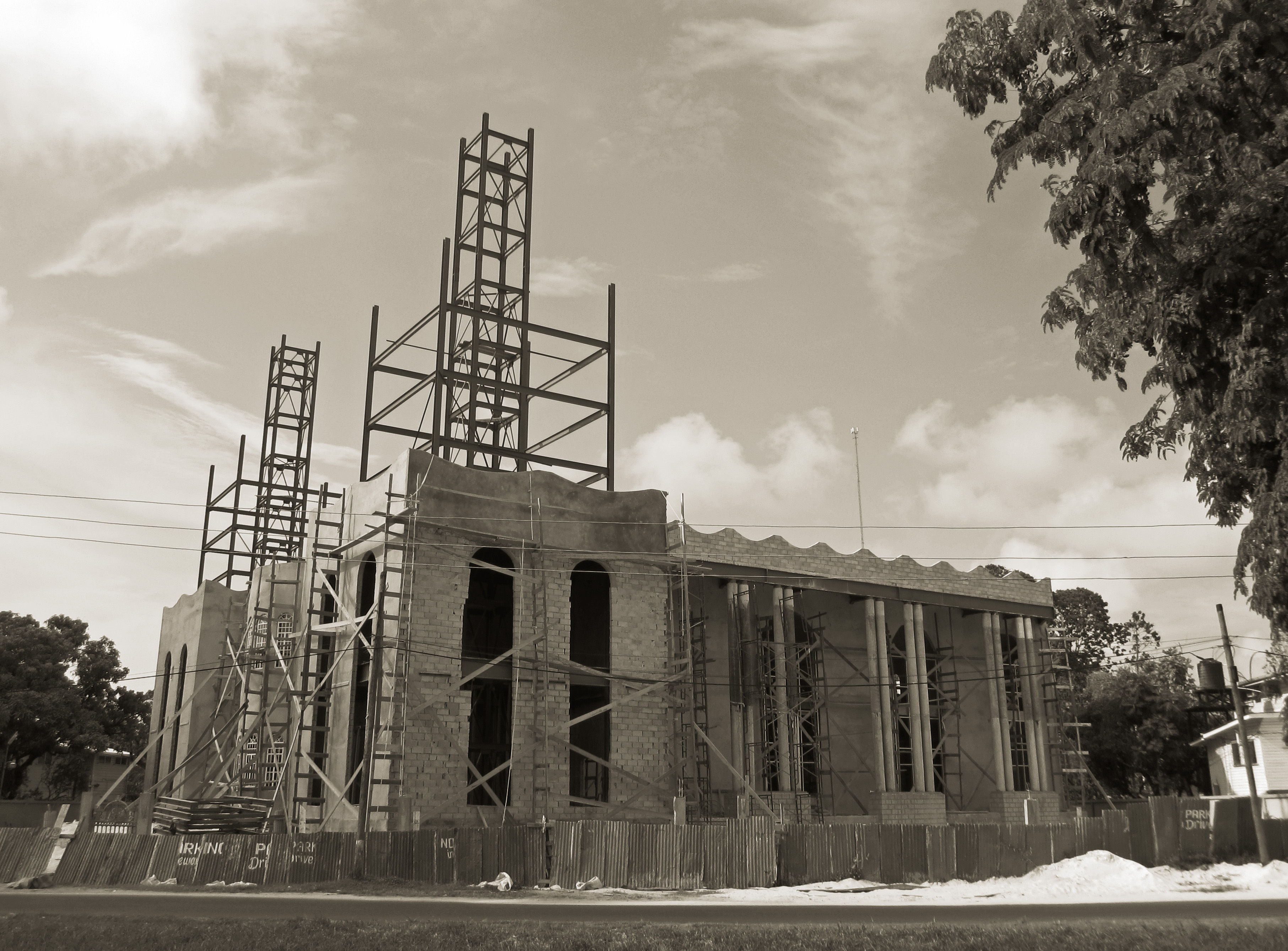
From my front porch if you look to your left you will see a large Seventh Day Adventist Church, and if you look to your right you will see the towering structure of Guyana’s newest and biggest Mosque (currently under construction).


IMG_4357a

In the foreground a church and behind this Guyana’s newest mosque.


I decided a few weeks back to take a series of photos that would demonstrate Georgetown’s religious diversity, and I’d like to present these in this blog post.

(The images are best viewed in full screen mode!)

Christianity

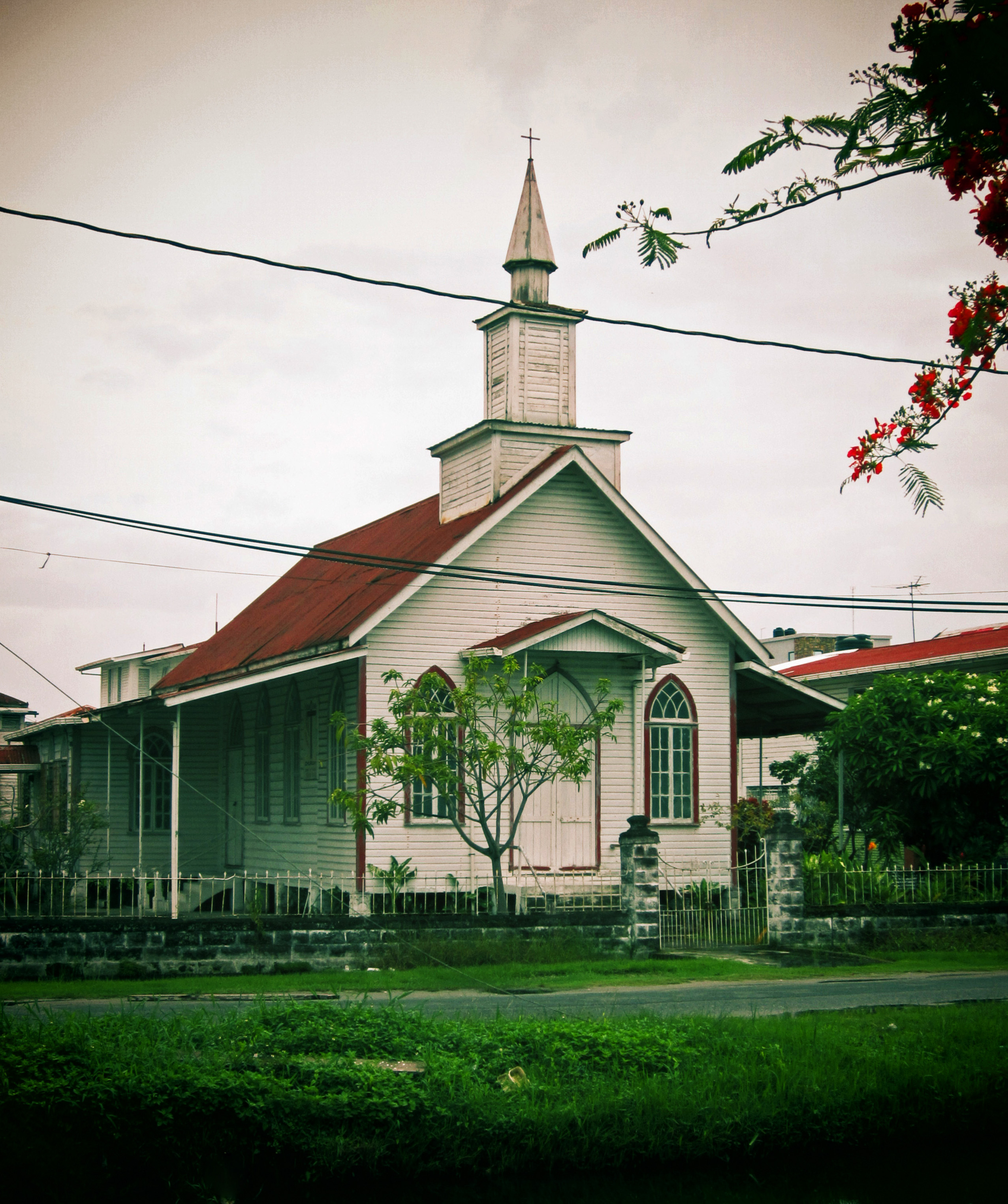
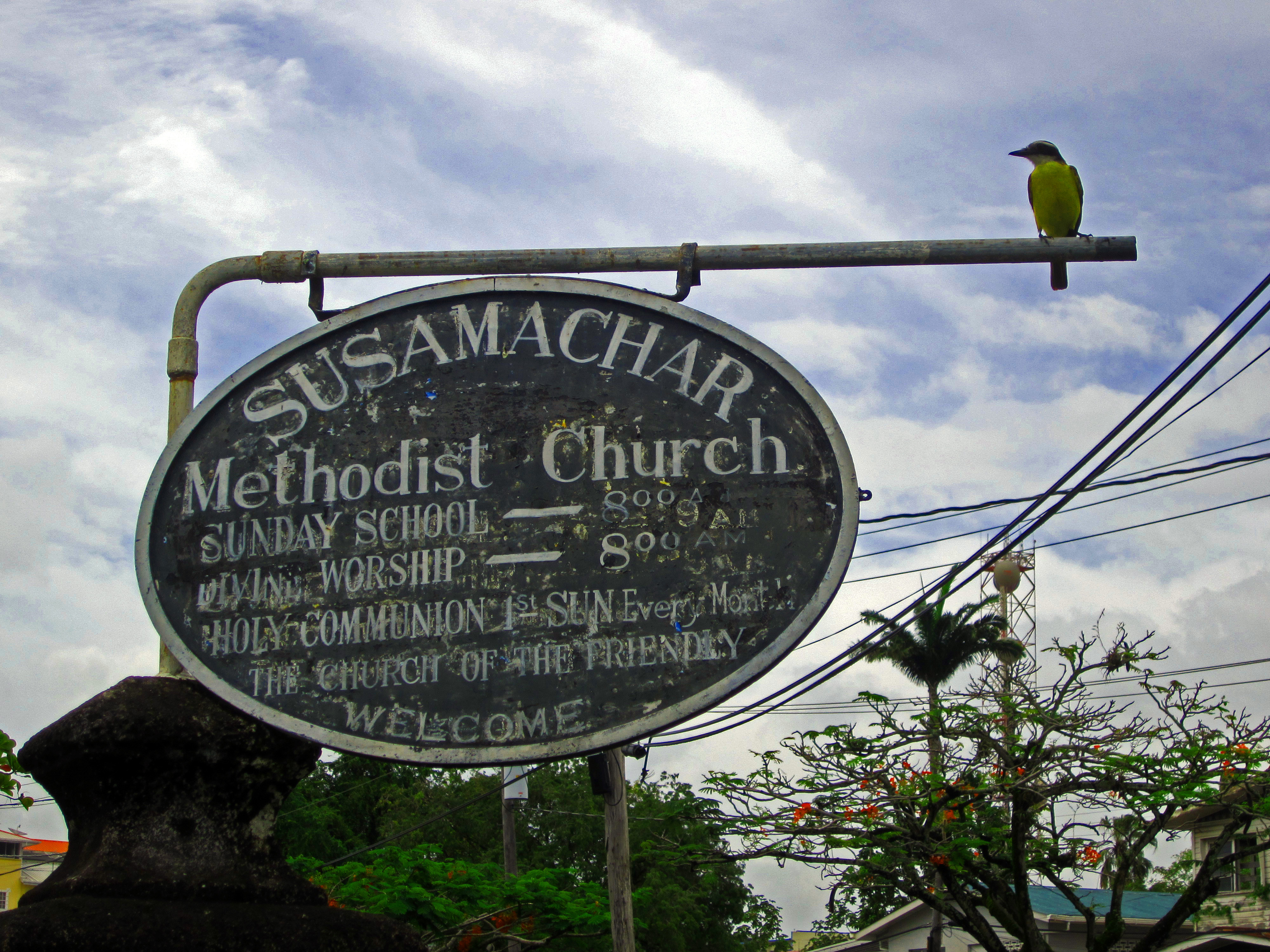
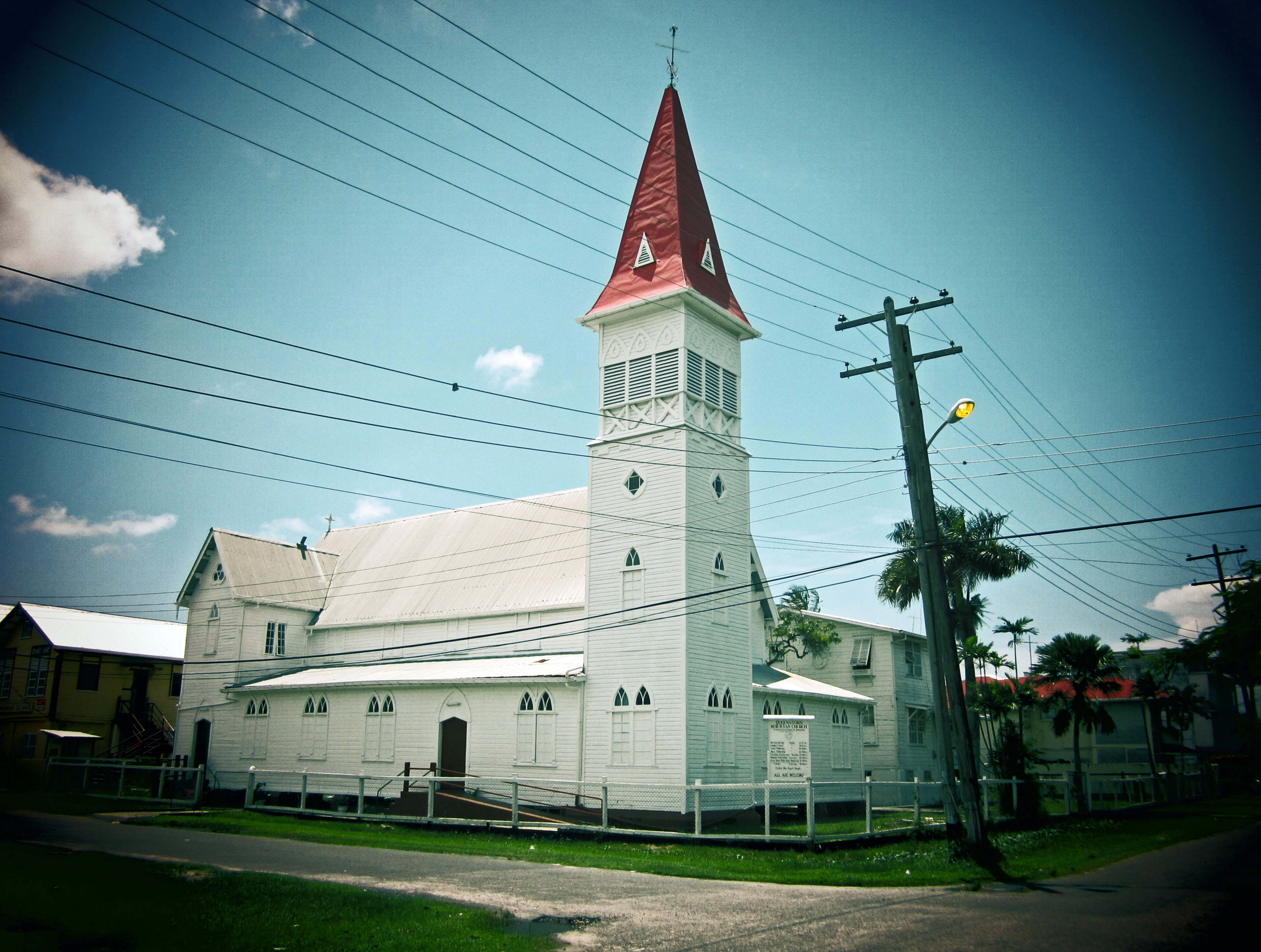
I’ll begin with the most followed faith in Guyana. It is estimated that 57% of the population are Christian, of which various denominations are present.  Below is a selection of images showing the churches of varying shapes and sizes across Georgetown, most of which were built during colonial administration and therefore possess a significant degree of historical and architectural charm.


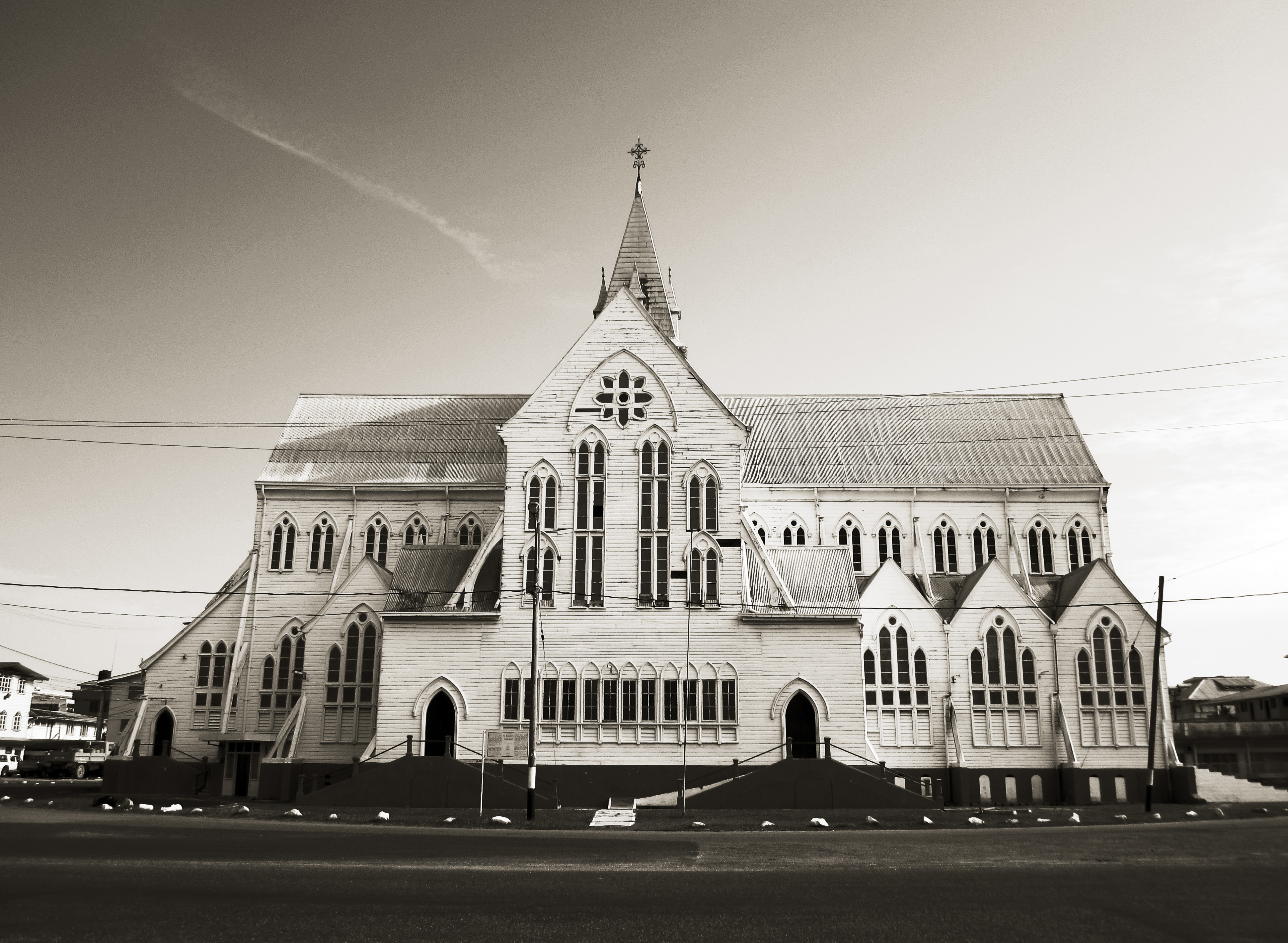
St George's Cathdral, Georgetown


Susamachar Methodist Church, Georgetown

Susamachar Methodist Church, Georgetown


Susamachar Methodist Church


St George's Cathedral, Georgetown

St George’s Anglican Cathedral, Georgetown


Christ Church


Smith Memorial Church, Georgetown

Smith Memorial Church – built in 1844


St Andrew's Kirk

St Andrew’s Kirk, Presbyterian Church – The oldest building in Guyana, built in 1818.


Brickdam Cathedral

Brickdam Cathedral (Cathedral of the Immaculate Conception) – built 1920s


Queenstown Moravian Church


Burn's Memorial Presbyterian Church, Georgetown

Burn’s Memorial Presbyterian Church, Georgetown


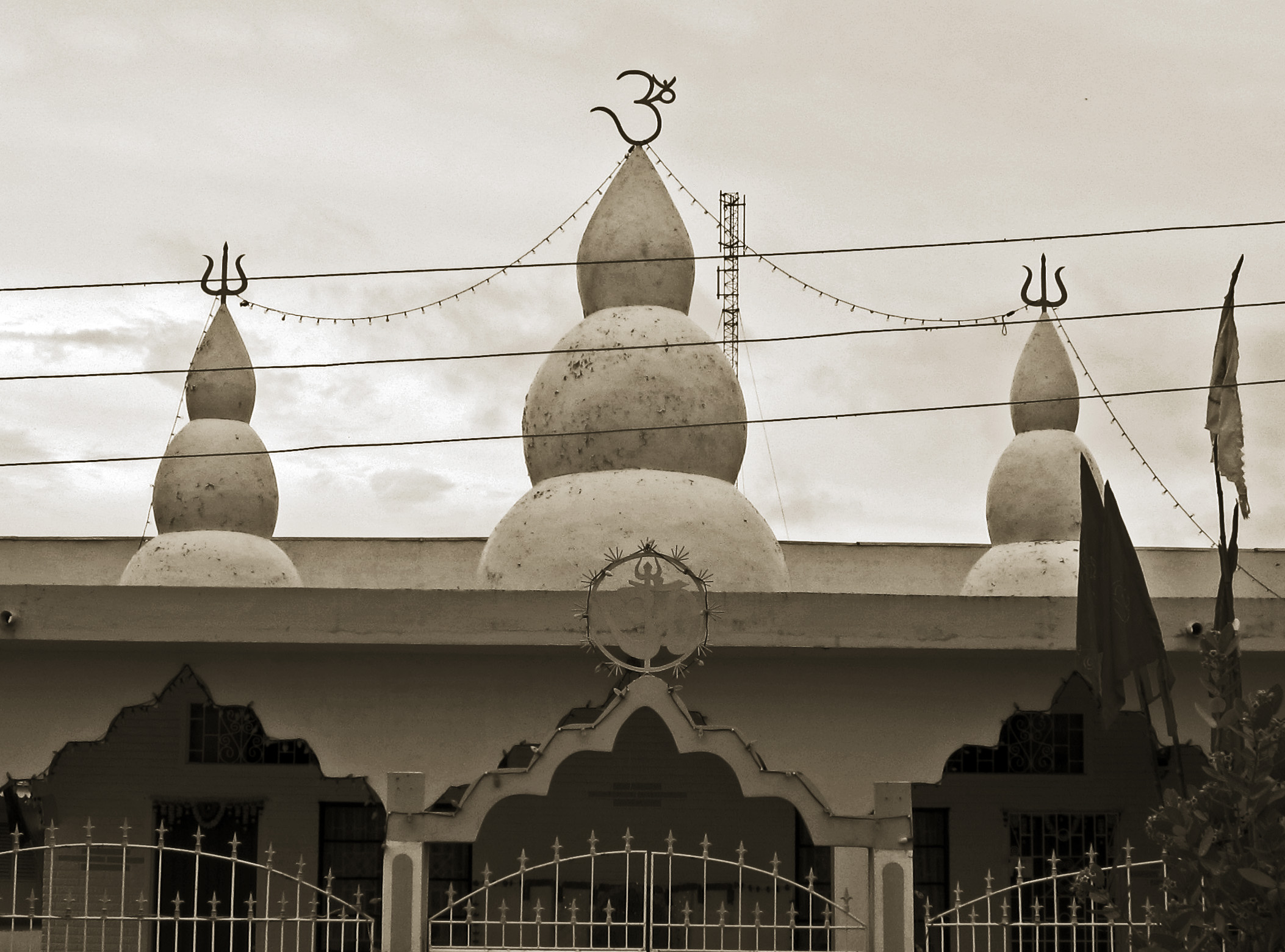
Hinduism

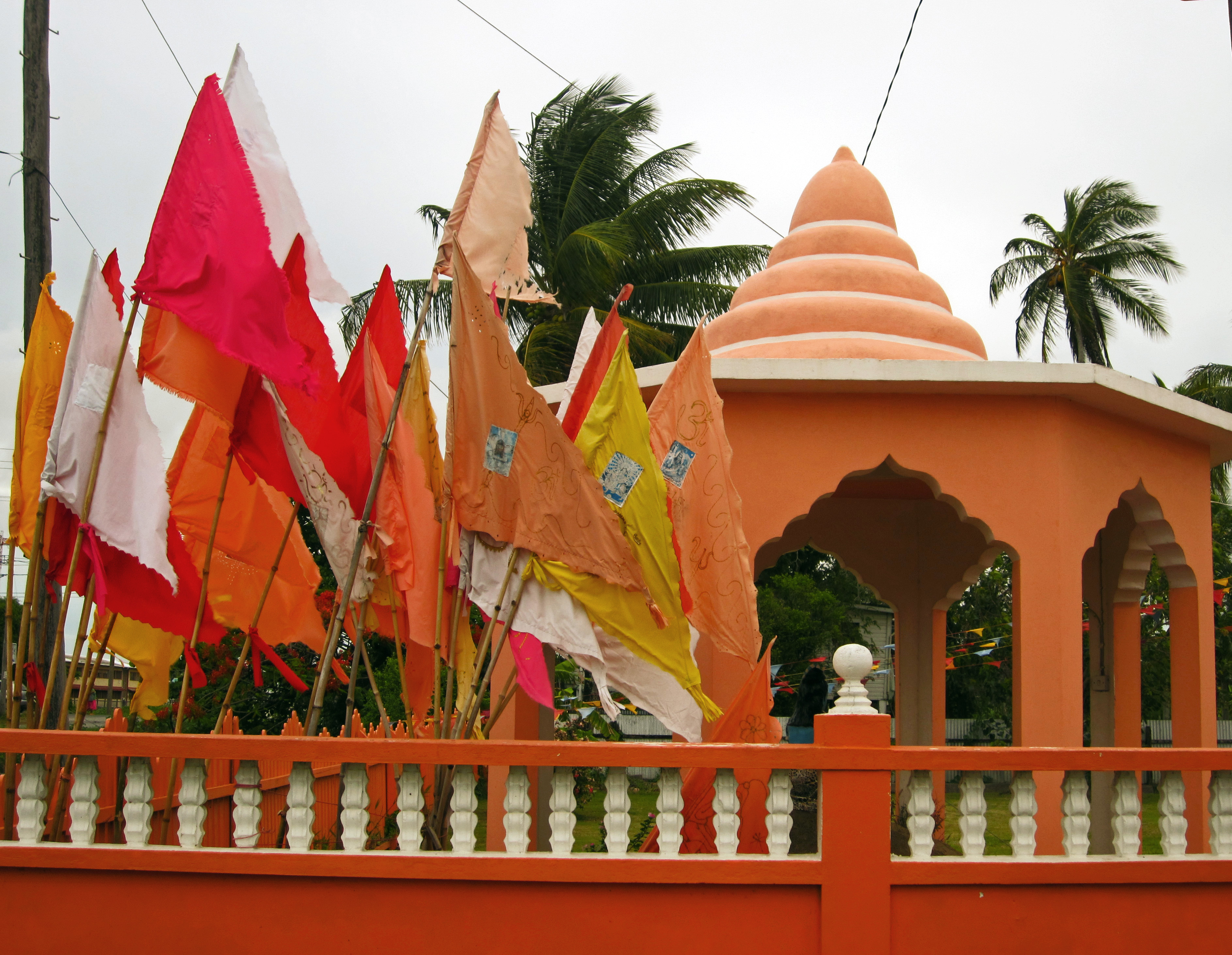
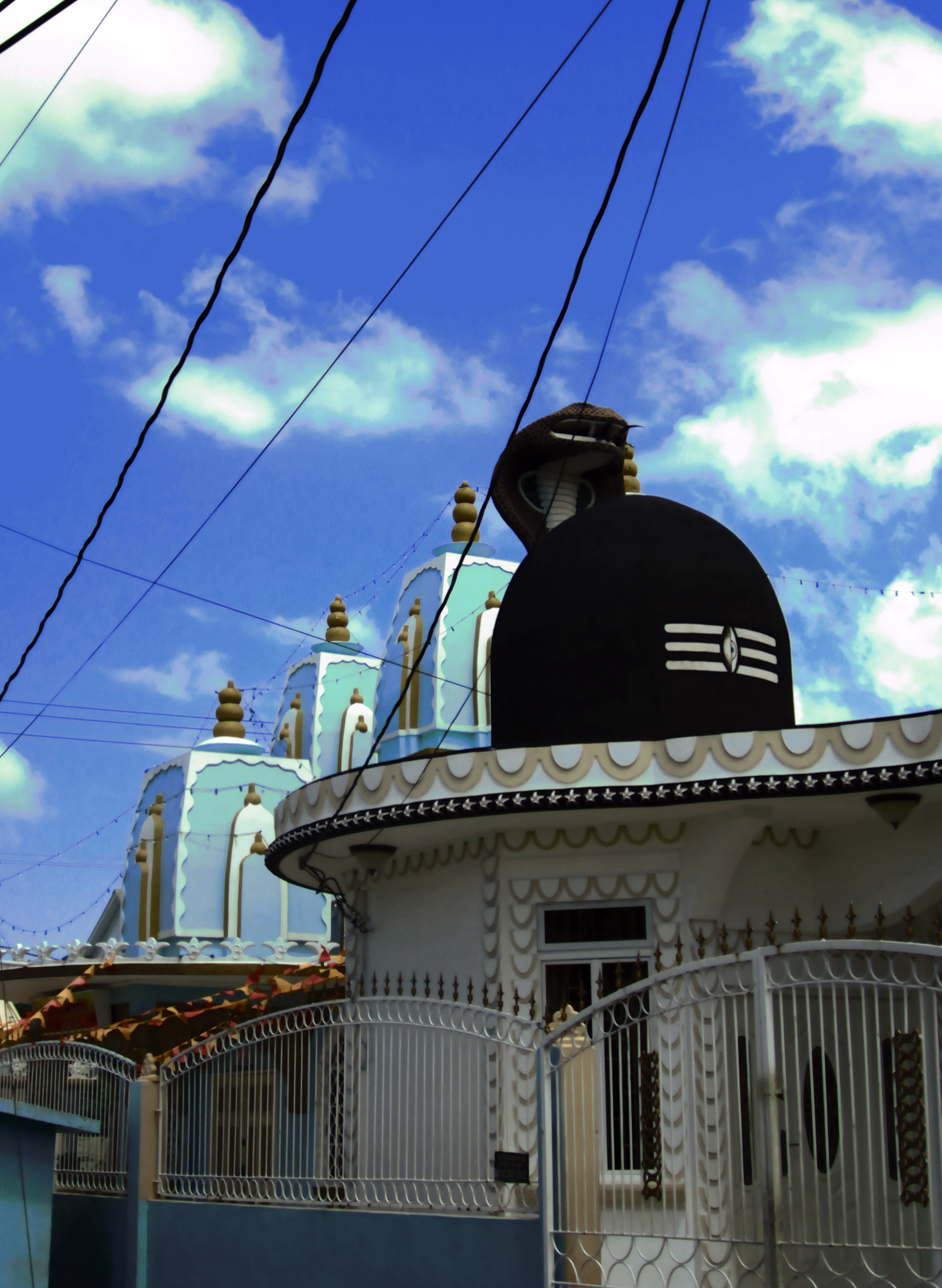
Hindus account for 28% of the population, with the presence of Hinduism a result of the vast numbers of Indian immigrants brought to Guyana in the colonial era. Below are photos taken at temples across Georgetown.


Cummings Lodge/Industry Mandir

Cummings Lodge/Industry Mandir, Georgetown


Central Vaidik Mandir

Central Vaidik Mandir, Georgetown


IMG_4291


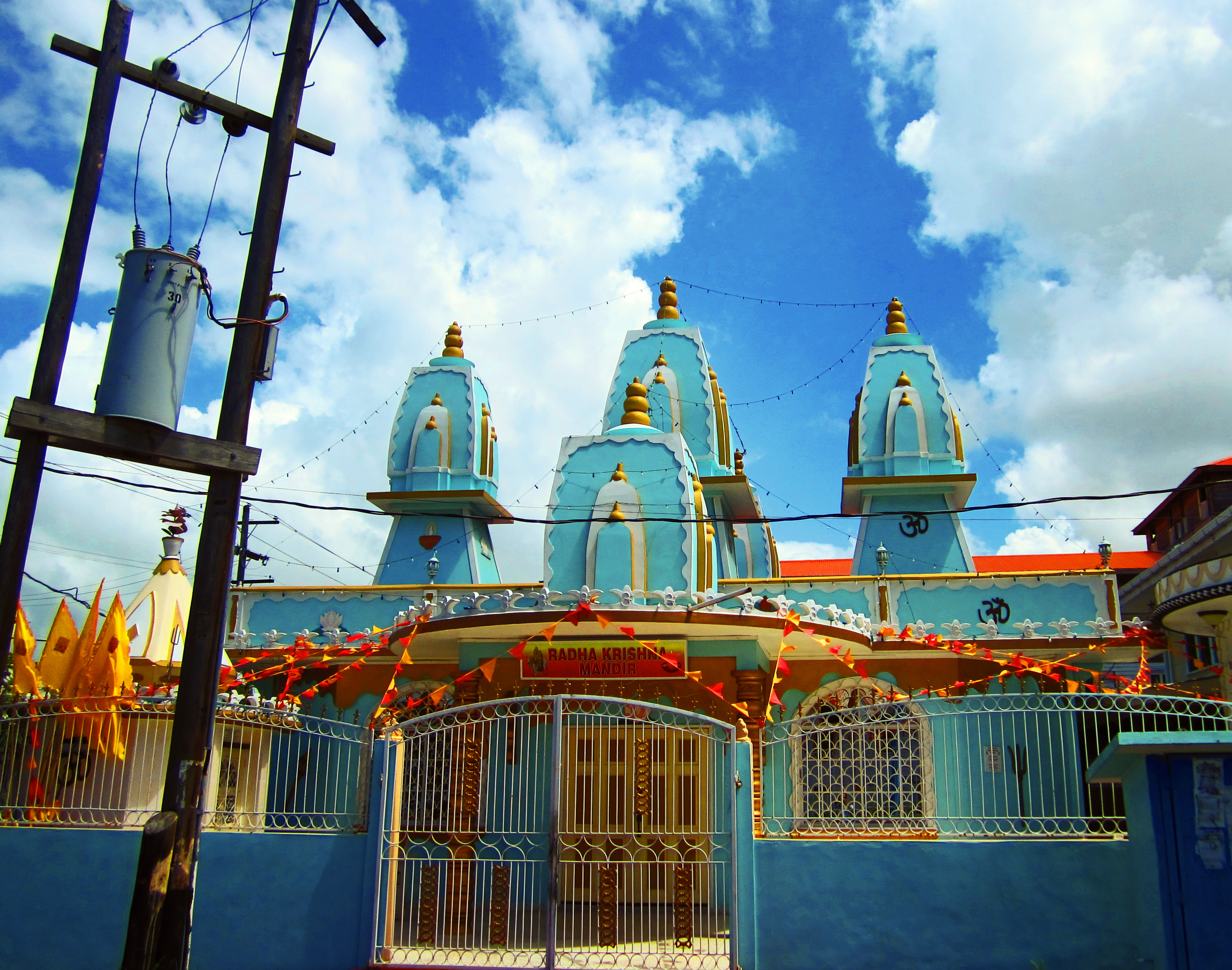
Radha Krishna Mandir

Radha Krishna Mandir, Georgetown


IMG_4216


IMG_4283


Guyana Sanatan Dharma Mahasabha Ashram

Guyana Sanatan Dharma Mahasabha Ashram, founded 1934.


Islam

The exact root of Islam in Guyana is debated. It’s quite possible that it first arrived with a number of the West African slaves. It’s also widely accepted of course that like Hinduism, the presence of Islam is a direct result of 19th century immigration from India.

The first three images below show the new Queenstown Jama Masjid. The original was built in 1895, but succumbed to old age in 2007 and was dismantled. Upon completion it will once again sit proudly as the biggest mosque in Guyana and will be a place of prayer for much of the city’s Muslim population. It sits literally right behind my house, and I have watched its growth with great interest. When I first arrived it was merely a shell, but 10 months on it’s nearing completion and will certainly be a grand structure when finished.

Below this are images taken at other mosques across Georgetown. I’m always more intrigued by the role of Islam in society here, and I think this stems from my time in Bangladesh.


Prashad Nagar Masjid, Georgetown

Prashad Nagar Masjid, Georgetown


Prashad Nagar Masjid, Georgetown

Prashad Nagar Masjid, Georgetown


Queenstown Jama Masjid

Queenstown Jama Masjid


Prashad Nagar Masjid, Georgetown

Prashad Nagar Masjid, Georgetown


Queenstown Jama Masjid

Queenstown Jama Masjid


Queenstown Jama Masjid

Queenstown Jama Masjid


Prashad Nagar Masjid, Georgetown

Prashad Nagar Masjid, Georgetown


LBI Masjid

LBI (La Bonne Intention) Masjid


So there you have it, a selection of places of worship, which are dotted across Georgetown, some of which bear a connection to a bygone era when the foundations of religious faith were being laid in Guyana. My impression has been that generally speaking this is a spiritual society, signified by the vast array of ‘houses of god’, which vary in shape and size.  Within one square mile of my house I believe there are at least ten different places I could visit to connect with god, if I were so inclined. I would therefore hazard a guess that there are at least fifty across the whole of Georgetown.

I could of course have delved much deeper into this subject area, but I was more interested in capturing and presenting the distinctive religious architecture that is displayed right across Georgetown. I am also pretty impressed by the manner in which religious respect seems to maintain a sound level here. Considering you have three significant world religions coexisting very openly side by side in such a concentrated area, maybe other places across the world could learn a few lessons on religious tolerance from Guyana.

Rasputin, Karl Marx, Ben Fogle – It’s a bad day for beards….


So I had planned to tackle a serious subject in this blog update, but due to events which transpired in a classroom at AUW this week I’ve decided there are far more pressing issues to be discussed. When I say issues, I do in fact actually mean just one single issue. My beard.

You may have seen it. It’s in photos, and it’s reached a length which now makes it fairly noticeable to all. I’ve been wrestling with this for a while. To shave or not to shave? This is the conundrum that currently keeps John Stanlake awake at night, and it’s a conundrum which reached the classroom this week as a fellow teacher put it to her students in a writing task. Their prompt was ‘Should Mr John keep his beard or not?’

It’s essentially the end of term here, so this is not a usual assignment. Anyway, the students were very forthcoming with their opinions. I’d like to share some (the best) with you….

I’ve separated this into two sections – pro-beard (Fogle lovers) and anti-beard (Fogle haters)….Let’s start with the anti-beard brigade;
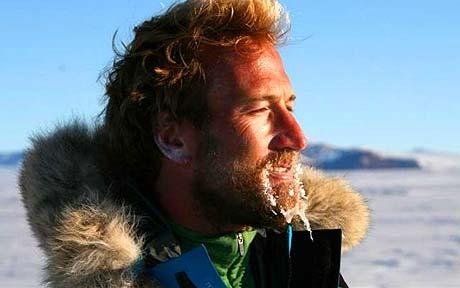
Fogle

Sir Ben of Fogleshire

(Please note: These are all direct quotes)


Fogle Haters

‘I think Mr Jhon shouldn’t keep his beard. When he keeps beard, he looks more older than his age. It is also hard for him to wash his face cleanly. Even though he washed his face because of beard some dirt may stay in his beard. Because of beard when he eats anything food may be stick to his beard. As like food, the environment dust also sticks to his beard and may make him unhealthy.’

An obvious beard hater. However, her concern for my health and wellbeing is commendable.

‘As his beard is not black in colour it does not look good to me. Rather it makes him look foolish. His beard is not compatible with his face.’

Honest and to the point – Clearly not a future politician.

‘His beard is yellow, so it is not like so much good than black beard looks’.

Valid point. In fairness though it’s hard to judge me here as you don’t see many blond-haired Bangladeshis.

This next student has several convincing arguments in defence of her anti-beard stance;

  1. ‘You will forget how to shave which might cause you problems later’.  It’s more concerning that she appears to think her teacher will forget how to perform such a simple task as shaving so quickly!
  2. ‘You might get lice on your beard due to AUW’s water.’  This is highly alarming. Is it possible to have lice-ridden facial hair?? If yes, that may clinch the decision to shave.
  3. ‘It makes your face filled with two colour which looks funny. Like, your whole face is white but your beard is part brown.’  I’d argue that it would look even funnier/weirder if I had a skin-coloured beard surely??
  4. ‘It will save you precious time because you don’t have to comb it frequently.’  There is that I guess. However, I’m  fond of my beard comb. It would be useless and redundant without a beard to comb.
  5. ‘It will save water if you don’t have to clean it frequently.’  I’d probably still wash my face though. Beard or no beard.

All points are valid and have been noted.

‘I first met him during history class. He looked good; wearing shirt and jeans (which suits his face without beard). A face with beard looks untidy and it somehow gives a gesture of laziness, since beard is raised by old people.’

Hmmm…In many ways she’s hit the nail on the head. The whole reason for the beard in the first place was due to a lack of motivation to shave over the summer holiday.

‘I think Mr John looks good when he keeps short beard. Neither totally shaved nor long like that a saint does. Since neatly shaved look in men makes him chocolaty, Mr John should try out professional look.’

Has anyone ever seen a Saint with a chocolaty beard?

This was one of my favourite responses. Simply entitled ‘Beard’ this student is fantastically honest….

‘Dear Sir – you looked better at the beginning of the semester. Do you know the reason behind it? Yes, of course, it’s because you hadn’t had bunch of beard then. I don’t mean to say that you look unattractive now, but there is nothing to praise. I agree being a man you would want some beard to look manly or something like that but I don’t understand the reason behind letting them grow more and more. Maybe you are planning to become a ‘Babaji*,’ but I think it’s not a good idea. I don’t even want to imagine you like that…disgusting! I wonder if after the winter break you will come with your long hair as well. OMG*!! You look good the way you used to be with small beard rather than that jungle in your face.’

*Babaji – I believe this is some kind of religious figure who sports long hair and a long beard, but I may be wrong.

* OMG = Oh My God

Another classic, this possibly surpasses the previous verdict. This student begins with some nice comments about me as a teacher, but then follows it directly with;

‘But every good thing has some error attached to it. In Mr John’s case, it’s his beard. I would strongly encourage him to shave it off as soon as possible. I have some valid reasons for it,

  • The beard he has is hiding his face and making it look unpolished.
  • When I see his face I think he carries a burden on his face. I feel very sorry for him when I see him carrying such a burden.
  • Last, but not least, his voice. Because of so much pressure on his face Mr John can’t talk clearly which makes a problem for us – his students. To let out his bold voice without any barricade he should get rid of his beard.

Finally, I really enjoyed taking part in this noble cause. I feel extremely fortunate that my efficiency is considered valuable in this serious global issue.’

Does a beard hinder speech? Is my beard hiding a burden? Should I be polishing my face? All good questions.

‘Your beard is like a forest and is the same as ancient man’

 This student offers some useful advice;

First of all he looks more young without beard whereas having beard shows him much older than he is. It is not only about personal appearance but also affects his students. Students like their teacher to look nice. When he comes to class with shaved beard, most probably everyone would tell him ‘You look nice Sir!’ and the positive sentence would have great affect on the class and make it nice. But when he comes to class without shaving students would not even listen to him! Also in today’s world the one with beard would seem more barbaric.’

 So I’m a boring barbarian that no one listens to. Good to know.

However – It’s not all doom and gloom. Most of the facial hair naysayers end with a remark of positivity, encouragement and most importantly, advice. For example;

‘Sorry Sir, if I did hurt you. I just gave you my opinion. It’s your beard, it’s your life, you are most welcome to experiment with it, but do be careful of your looks as well.’

Noted.

So, now for the less vociferous pro-beard brigade;


Fogle Lovers

‘I personally feel that your beard makes your personality more notable. Your face itself suggests to keep a beard.’

And that’s it. It’s hardly conclusive, but it’s a nugget of hope in an otherwise damning verdict of my facial hair policy.

I’d also just like to share one more quote from a student. We clearly have a future diplomat on our hands;

‘I believe that if Mr John keeps his beard or not is not important. The way people evaluate a person isn’t dependent completely on an appearance. Moreover, he doesn’t change his character if he shaves his beard. If shaving makes him change positively, he should do. But if it does not affect anyone and anything, don’t do it. Let him be himself. Finally, shaving is Mr John’s choice. Don’t ask us!’

Amen sister! These words will resonate with me as I walk off into the sunset whistling ‘Born Free’. Now, you may be thinking that in light of all this staunch beard negativity I’m going to head straight to the barbers. Well, you’d be wrong. I value the opinions of my students of course, however, a few weeks back I received all the positive endorsement needed to convince me to keep the beard for a good while yet. Ironically it was in fact at the barbers as I was having my hair cut at ‘Scissors over Comb’.

One of the barbers, who was cutting the hair of the man in the chair next to me, looked at me. He stared for a while and then rubbed his own beard (which was impressive in terms of both its volume and shape), pointed to mine, and then nodded his head in an obvious sign of approval. I’d doubted the beard up to this point, but this one man’s single nod of the head changed all that! For now, the beard stays.

Me