Despite the backpack I carry on my shoulders each day, which commonly provokes sniggers, I am not Bangladeshi. It’s obvious of course, but sometimes I receive very clear reminders. I experienced one such reminder this past Saturday, and having not written anything for a while on this blog I thought I’d share my story of one fine day (as a foreigner) in Bangladesh.

It all started at 7.30am on a grey, but uncomfortably humid morning. The mission was to escape Chittagong armed only with a bottle of water, a camera, and a resolute willingness to explore. Thus, after a quick coffee and a piece of bread, a fairly random ‘plan’ was hatched. Essentially it entailed buying a bus ticket, boarding the vehicle, riding it for an unspecified amount of time, and ultimately jumping off when our gut feeling signalled it was time. A foolproof plan of that there’s no doubt…
On a basic level the plan worked. We bought bus tickets to Cox’s Bazar, a coastal town roughly four hours south of Chittagong. There was never any intention of a day by the sea though, and three hours into the journey we decided this would be a suitable time to abandon ship, which turned out to be easier said than done. Explaining to the driver and his assistant that we’d gone far enough at this point turned into a 5 minute to and fro. A vigorous debate ensued between us all, prolonged of course by the language barrier. When we finally convinced our hosts to stop and let us off, we left a bus full of confused and concerned faces all wondering just why these two strange foreigners were stood by the side of the road, marooned in the middle of nowhere, and 60 kilometres from the final destination stated on their tickets.

Not our bus, but impressive nonetheless
It is true, we had no idea where we were, but as always here in Bangladesh it doesn’t take long for someone to offer a friendly smile and an inquisitive hello. On this day it took little under two minutes and we were soon summoned over to a group of men, sat down in plastic chairs and swiftly offered a cup of tea. For me no day out in Bangladesh is complete without an obligatory cup of tea surrounded by interesting new faces. So, given that this condition had been met within moments of us setting foot off the bus, I concluded that whatever happened from this point onwards, it would end well.
Our mission for the day was photography and we were exactly where we wanted to be – out of the city and surrounded by flat, green, rural Bangladesh. Our location was perfect, now all we needed was the photographs. Unfortunately this is where our plan faltered a little. The aim had been to spend the day wandering, perhaps aimlessly, but with the very definite purpose of capturing scenes of rice paddies, local people going about their daily lives, sunlight hitting the various ponds dotted across the landscape, and finally an epic sunset that would make the early start and the bus trip worth it. It didn’t quite pan out this way.

Within five minutes of bidding our tea hosts farewell, the skies darkened ominously, and it was not long before a man from the group of tea drinkers came up behind us with a concerned look on his face and exclaimed “brishti hobe!” – rain is coming! He was correct, and so very kindly invited us to shelter in his home until the shower passed. An hour later we were still there, but it didn’t matter, he and his family made us typically welcome and we had as much fun sat there getting to know his relatives as we would have had exploring the area.
Our host had two children. He also lived with his wife, mother, father and sister who brought us juice and biscuits and seemed concerned that we politely refused the offer of rice several times. His father sat in a separate room and with a warm but somewhat confused look on his face (probably in response to the mystery of how two foreigners had ended up stranded in his house and disrupting the usual equilibrium) invited us to sit. He stared at me intently and then proceeded to ask me a series of quick-fire questions in Bangla. Now, I can respond to several basic questions and even respond with questions of my own, but once the introductions are complete and the comments about how hot it is are over, I’m stumped. This didn’t deter our host though – the questions came thick and fast, much to the amusement of his wife who was peeling lentils outside in a corridor, and sniggering heartily. The more inquisitive he became, the more confused I sounded.
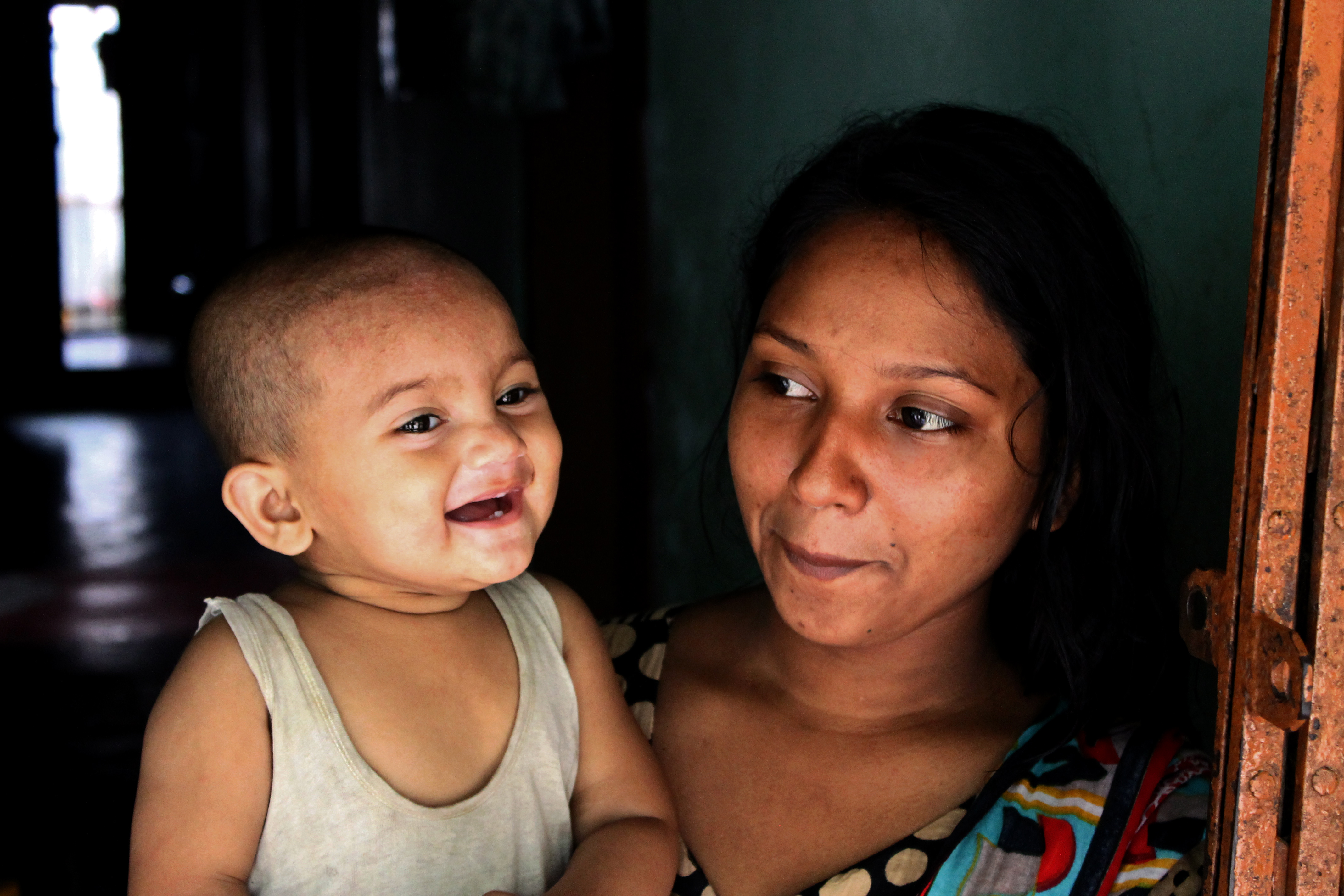
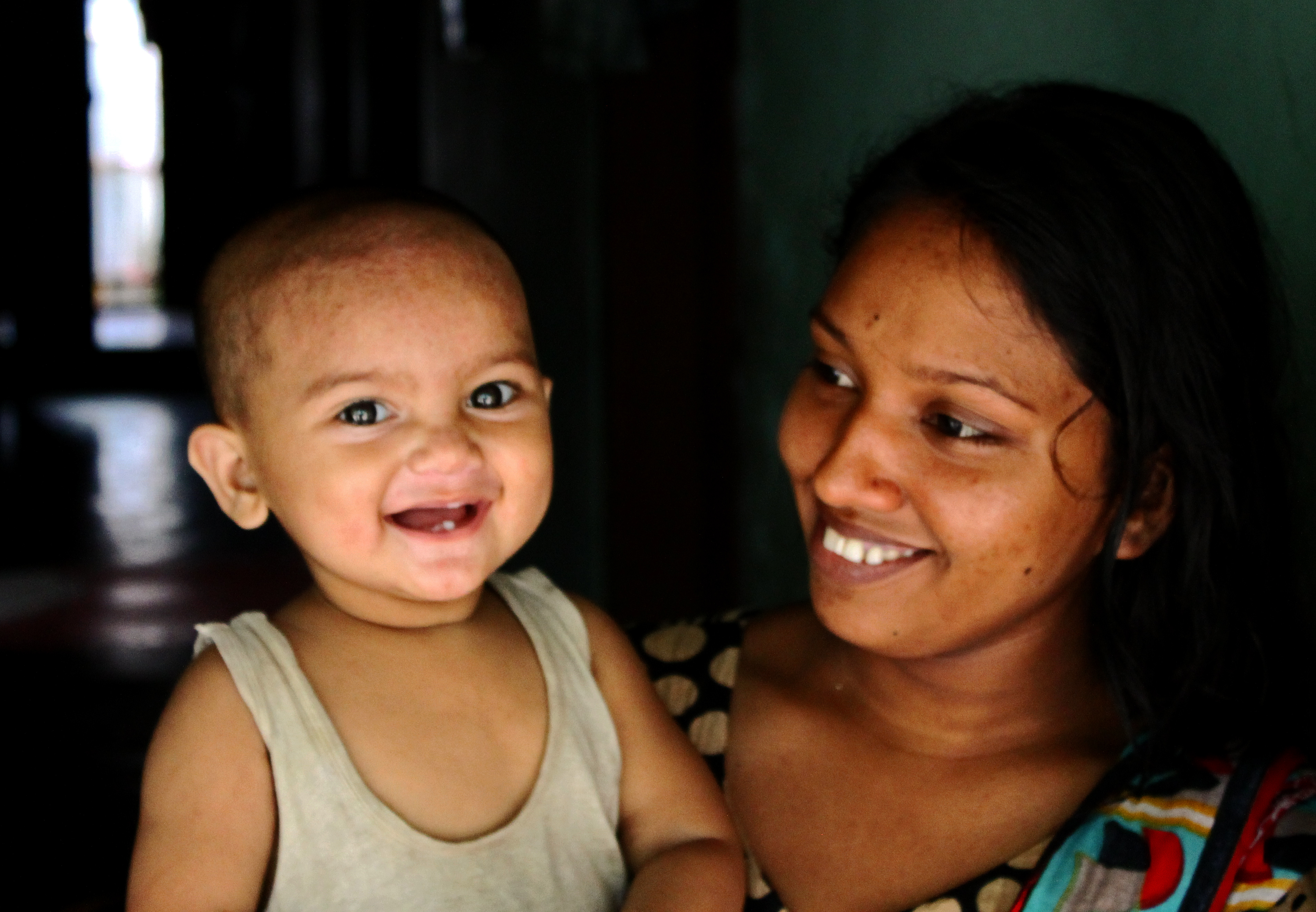
Our host’s wife and daughter

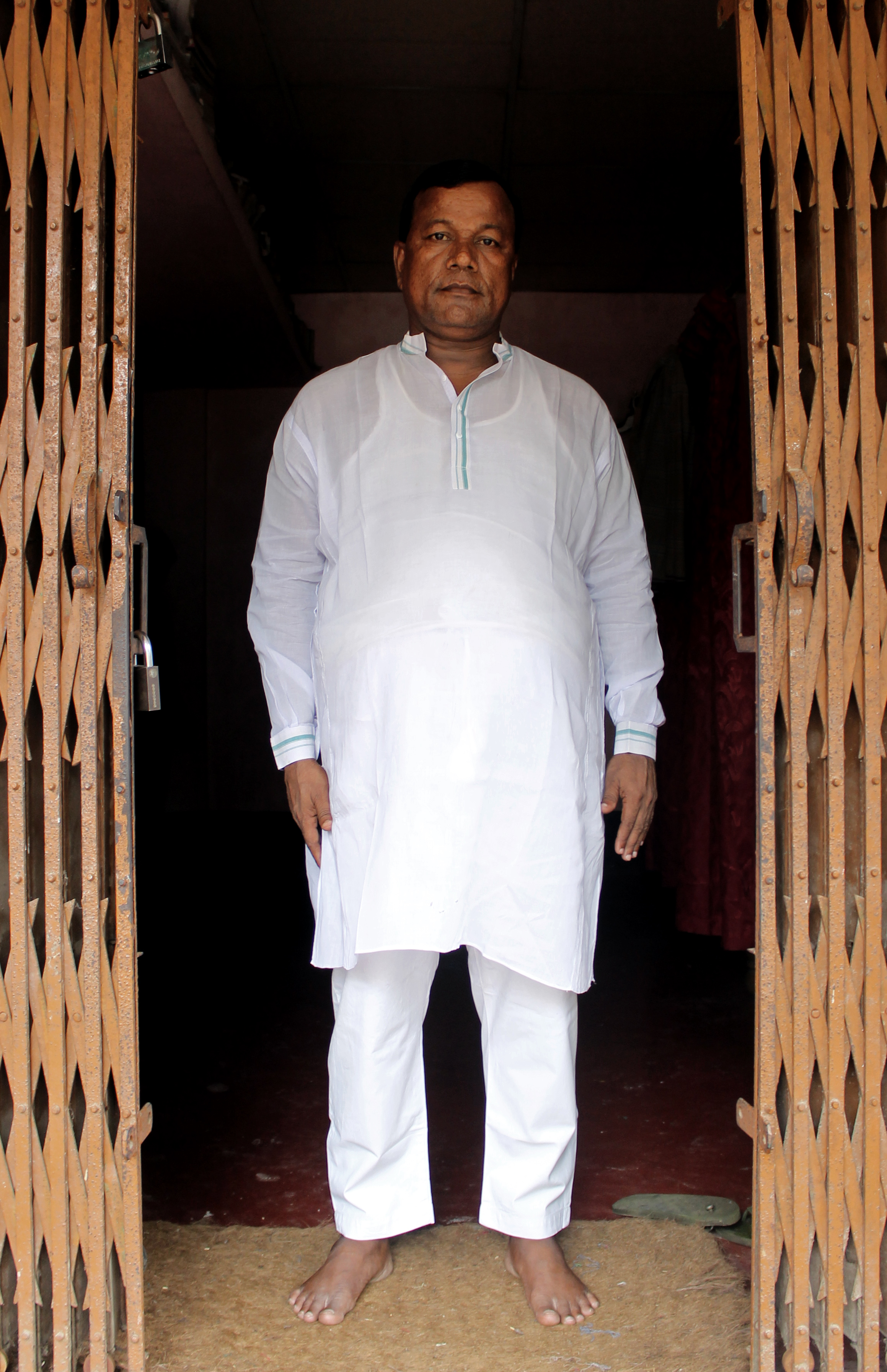
Our host’s neighbour
Outside the rain continued to pour down and our hopes of photography faded. No matter though; we were walked over to a neighbour’s house and once again the introductions began. A jovial man welcomed us and we got the sense he was perhaps a central figure in the community. Insisting we sit for a while and drink some famous Sylheti green tea, he proceeded to call his son….and then hand me the phone. I chatted to his son for a while, who was as hospitable as his father and invited me to stay in his home in Srimangal. It is unlikely that such an invitation would be extended to a stranger you had never met before in the UK, but here in Bangladesh it is commonplace.
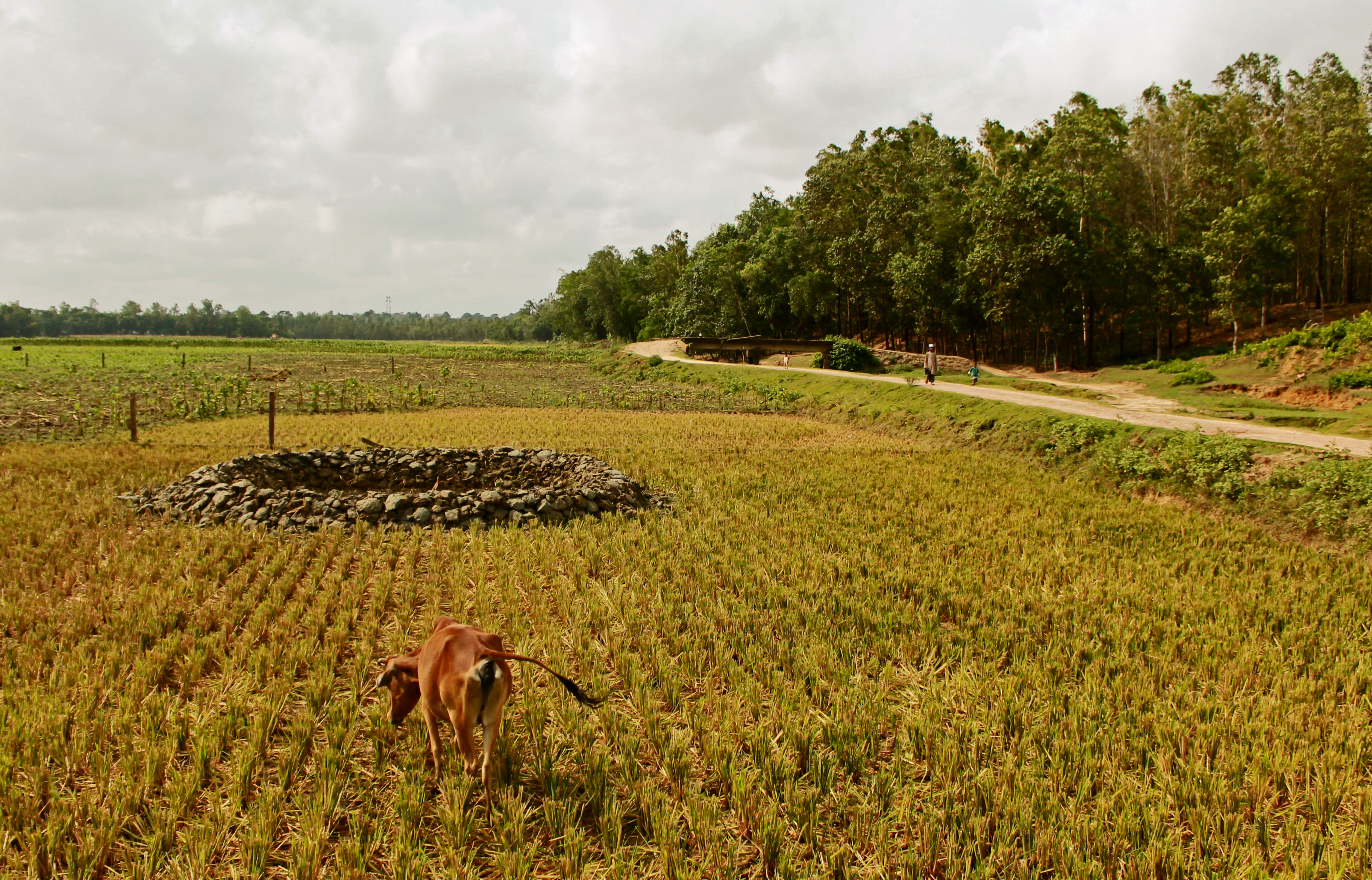
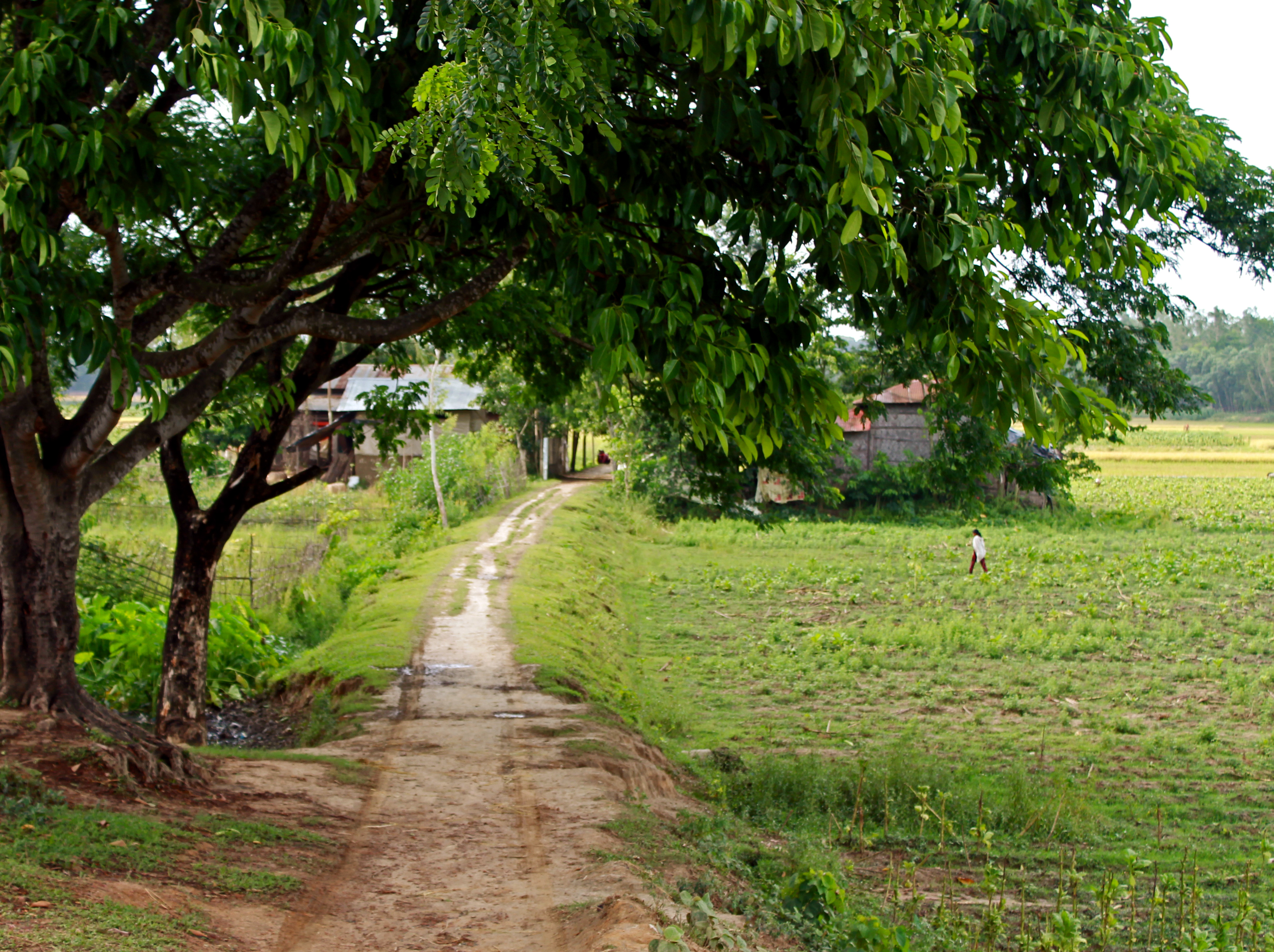
Finally the rain did ease, and as a glimpse of sunlight began to poke its way through the clouds we thanked our new friends who had provided shelter, tea and kind hospitality. At this point we headed up the road, once again completely aimlessly. We were lucky enough to capture some images of the surrounding countryside (and unfortunately a forlorn bus, which was the latest victim of Bangladesh’s unpredictable highways), but overall the main highlights of the day had been the people we met and the experiences we shared.
Another day in Bangladesh.
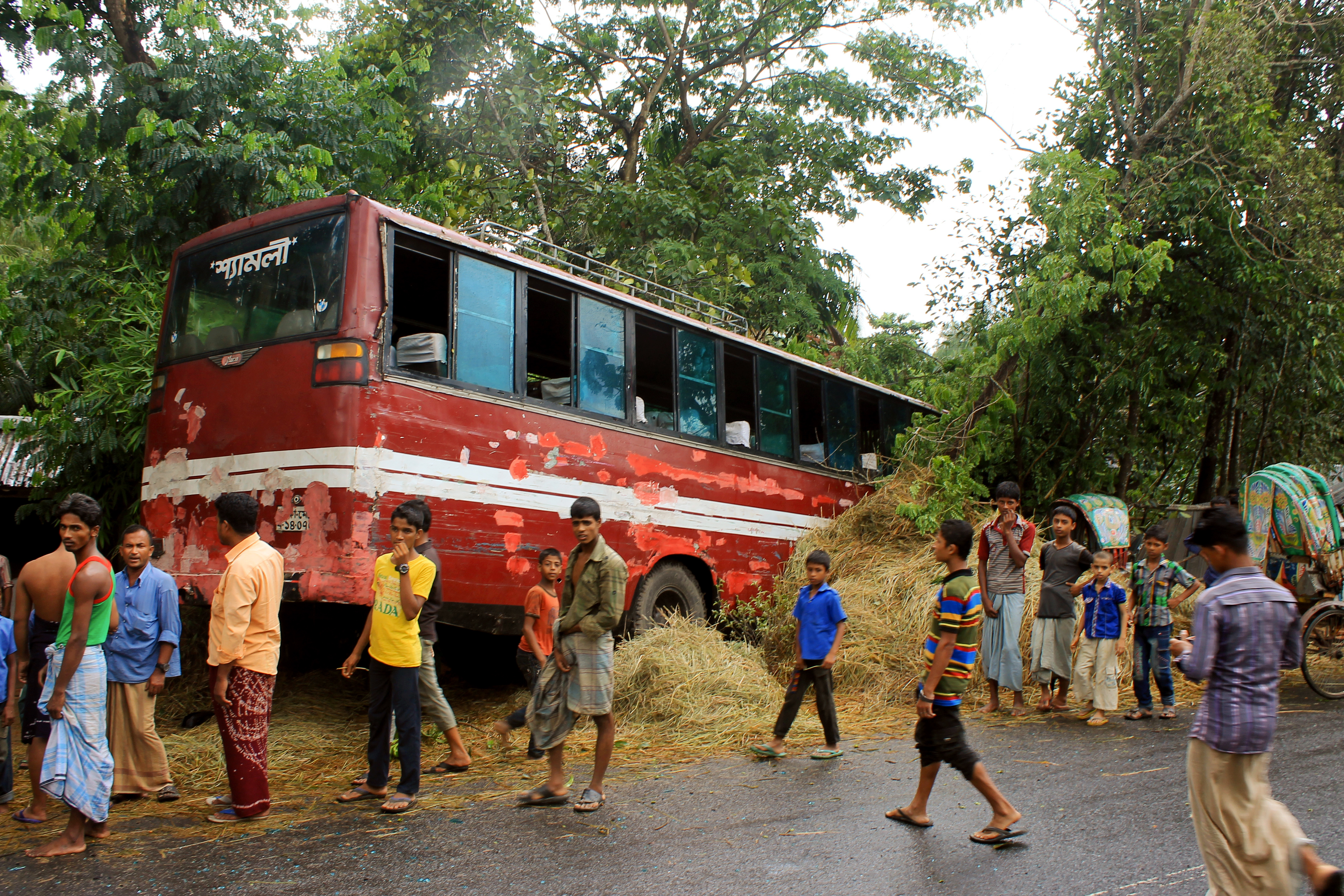
Unfortunately not an untypical scene
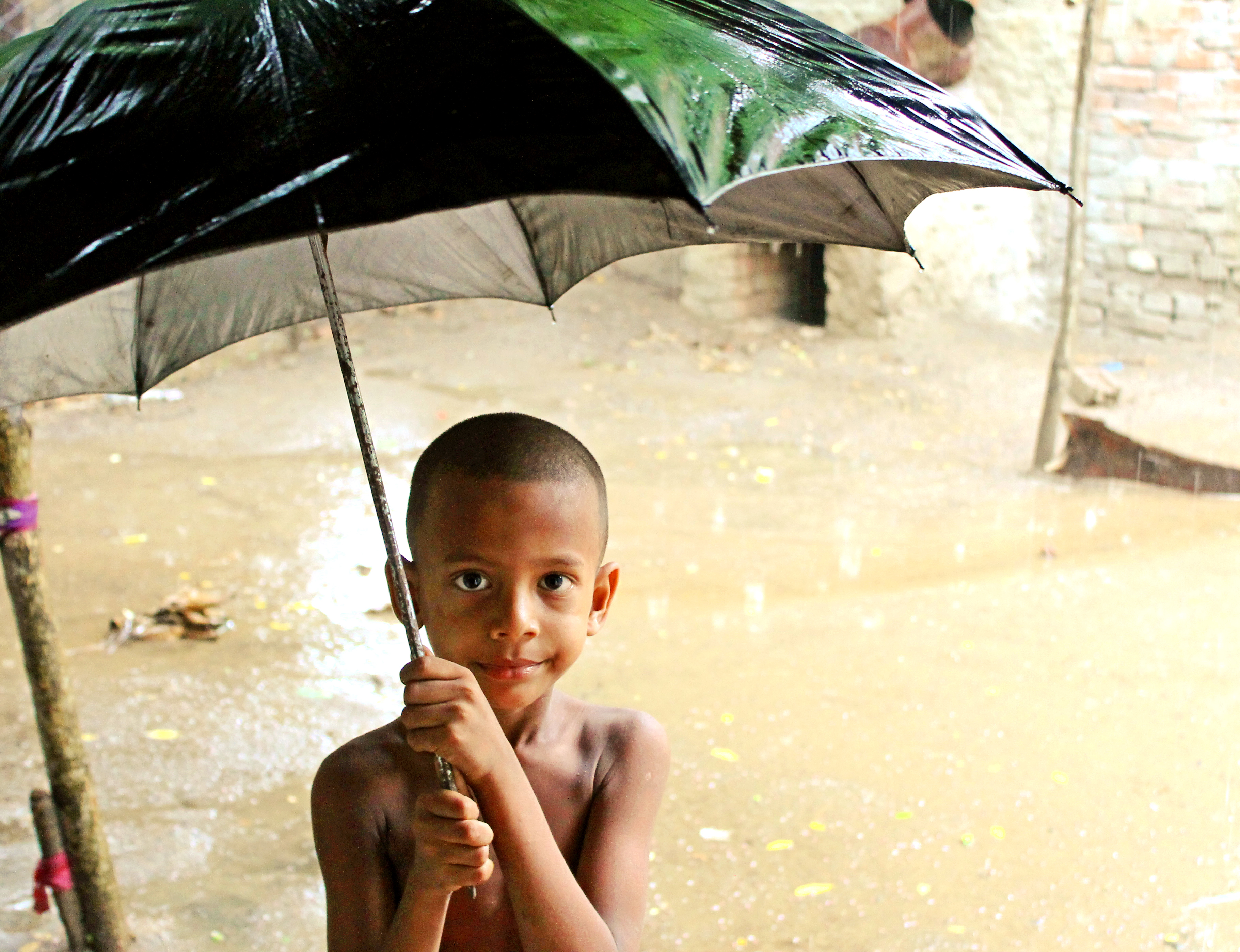
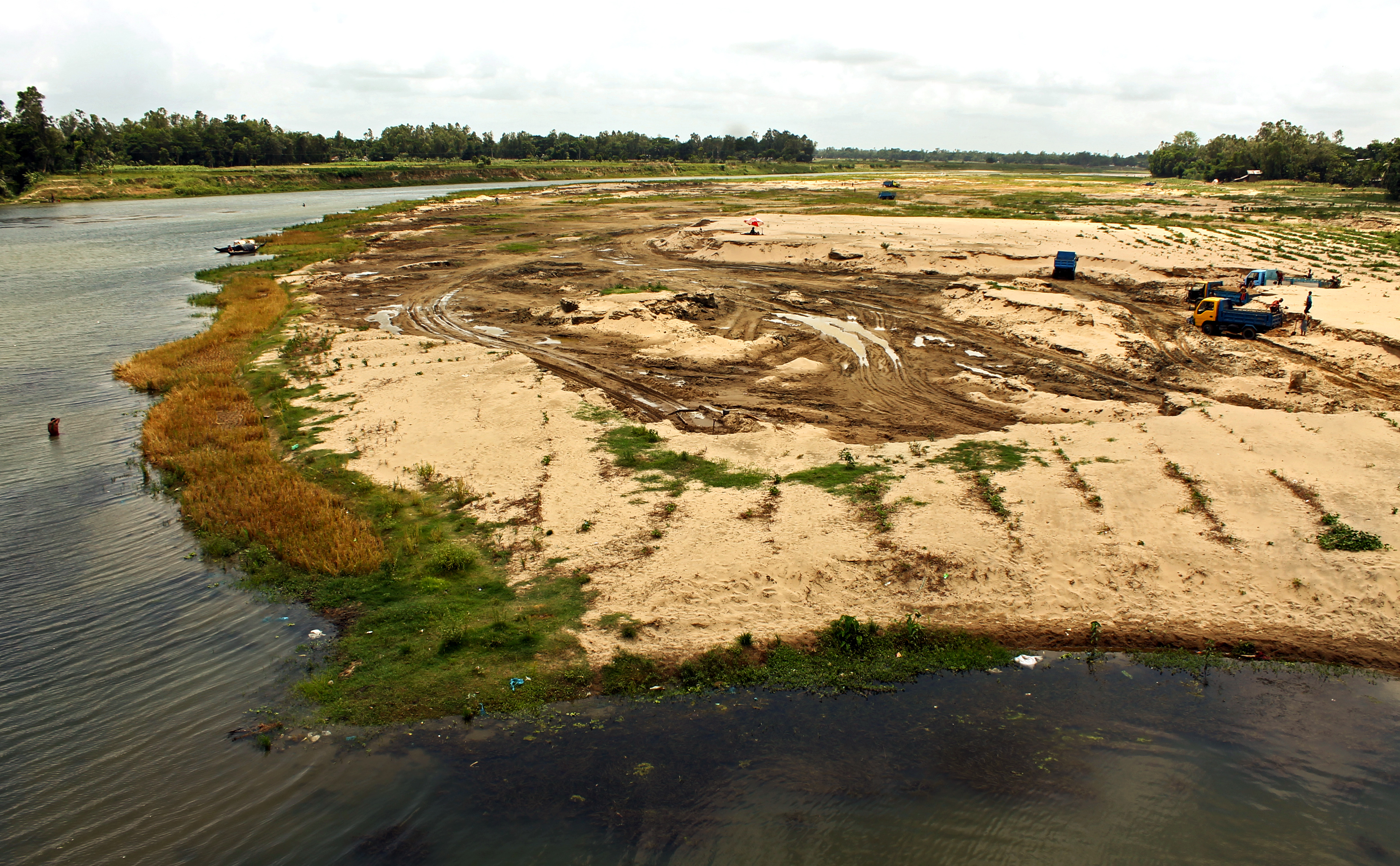
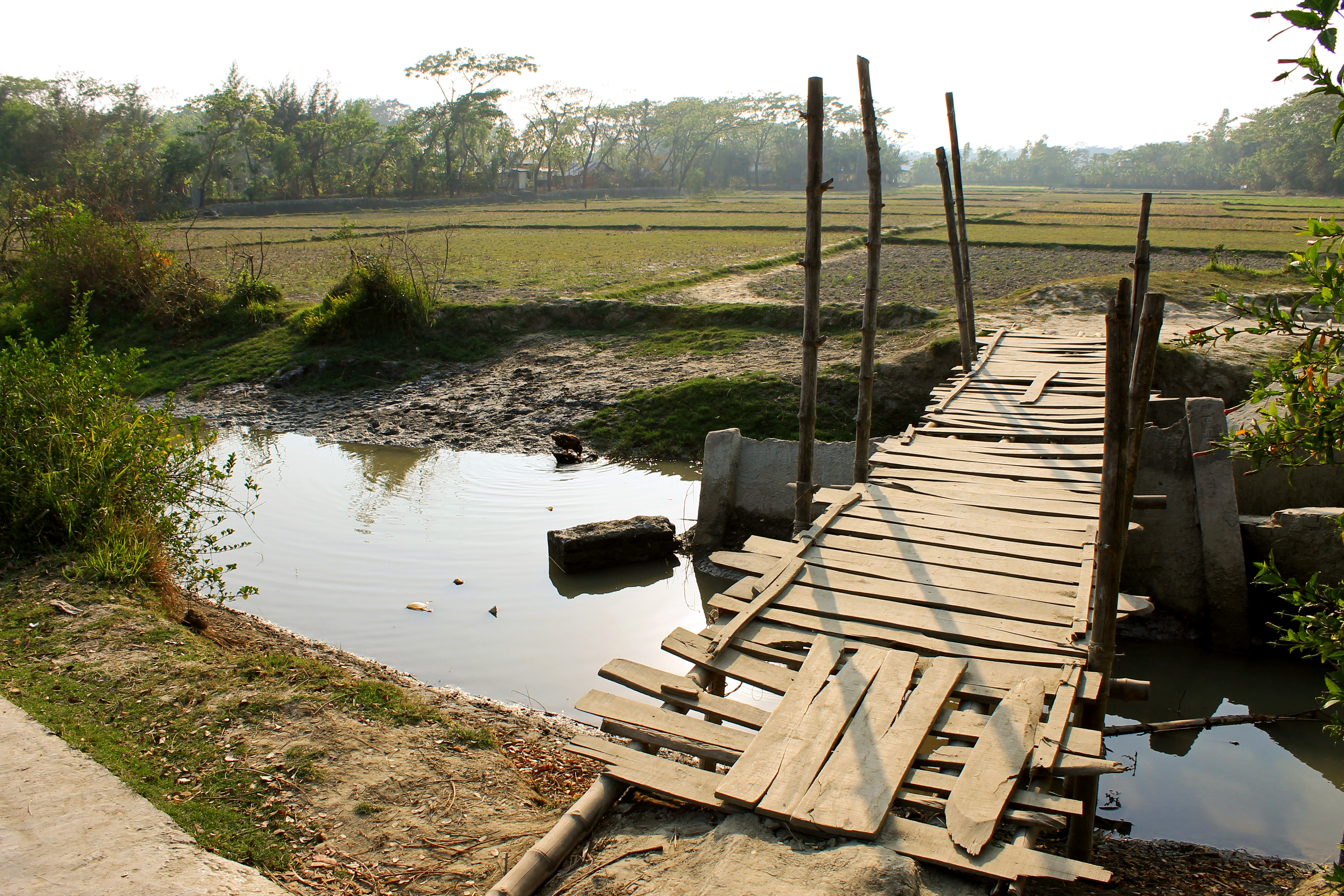
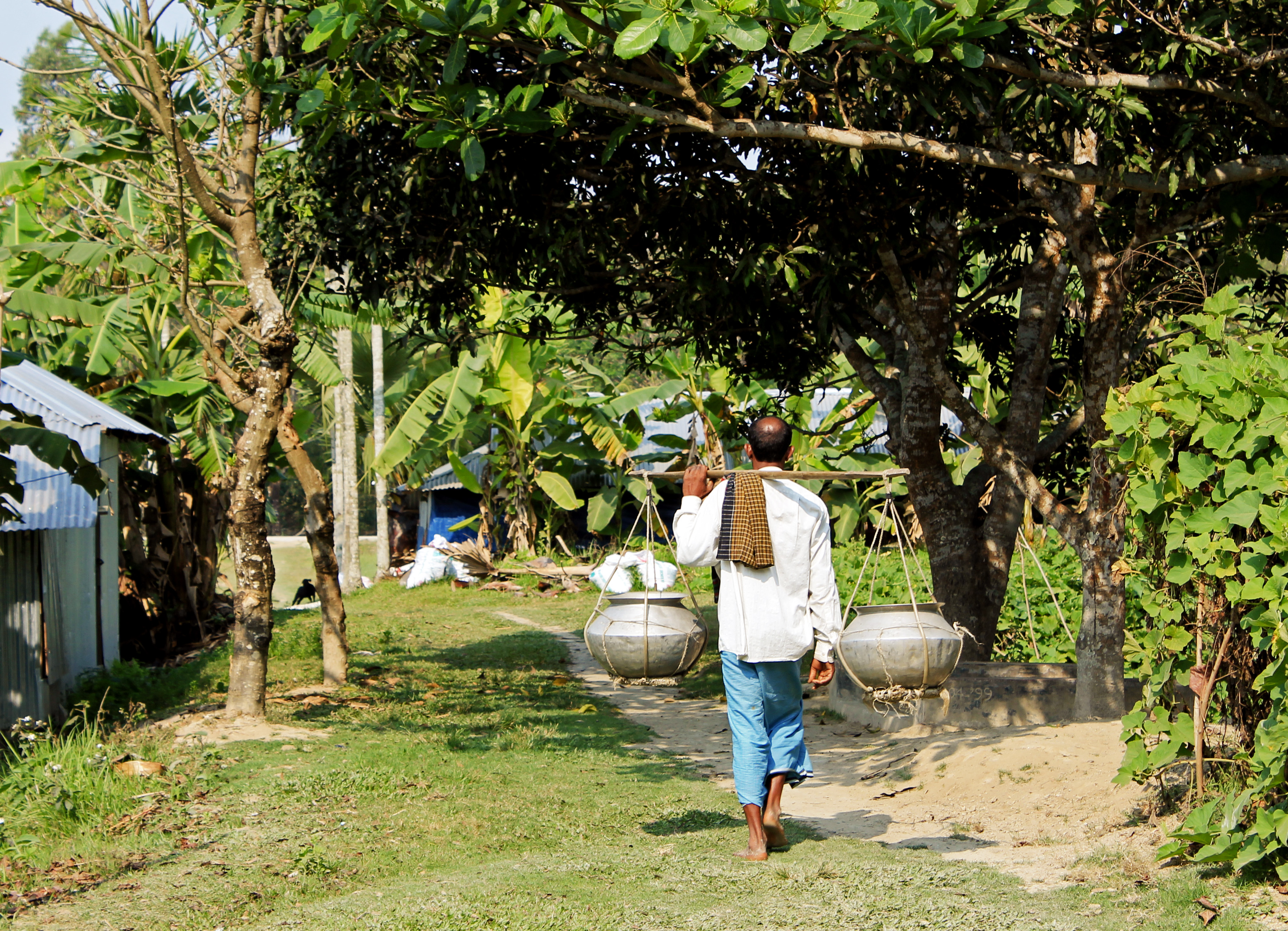
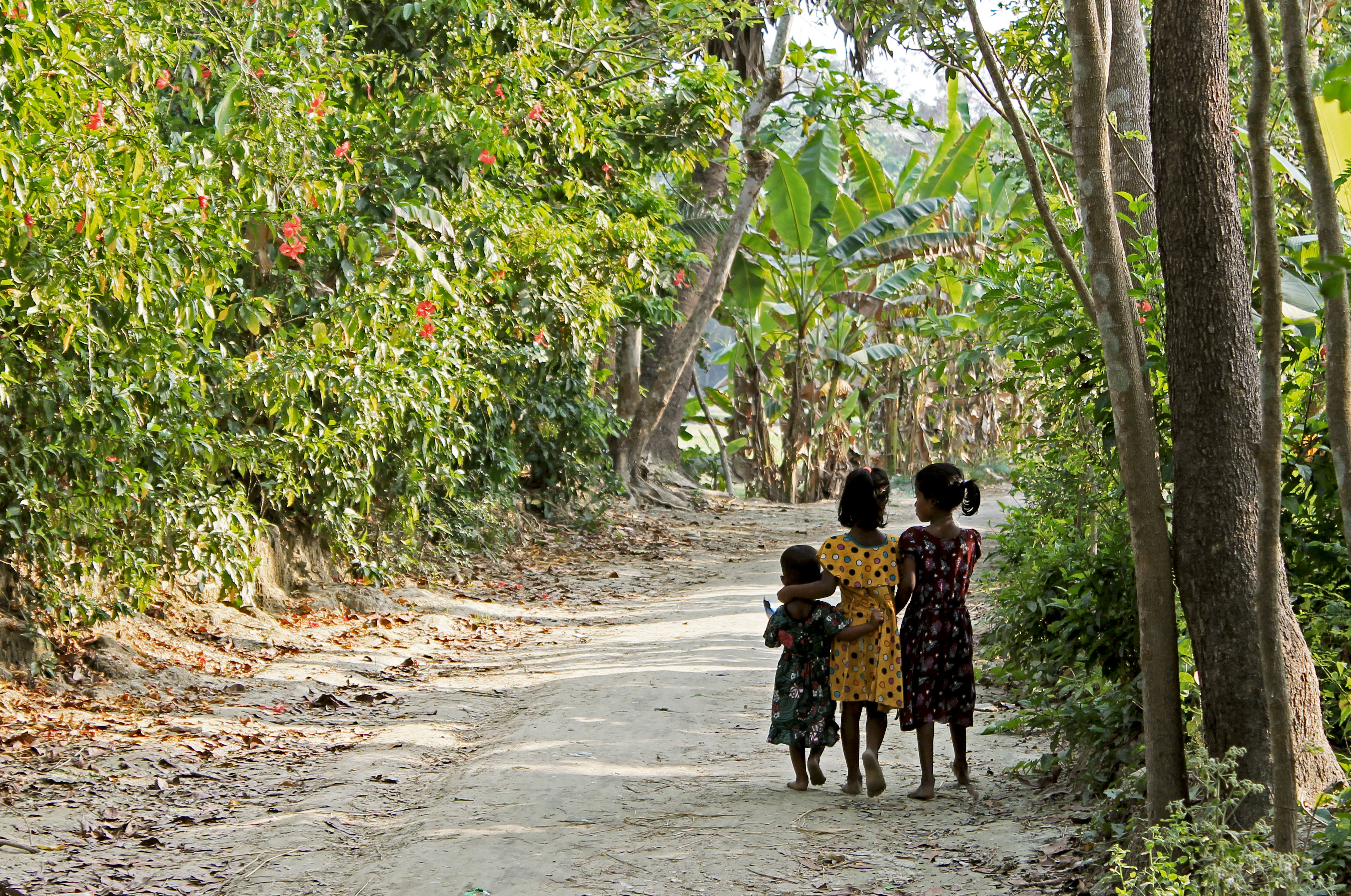
Here are some further images from the day
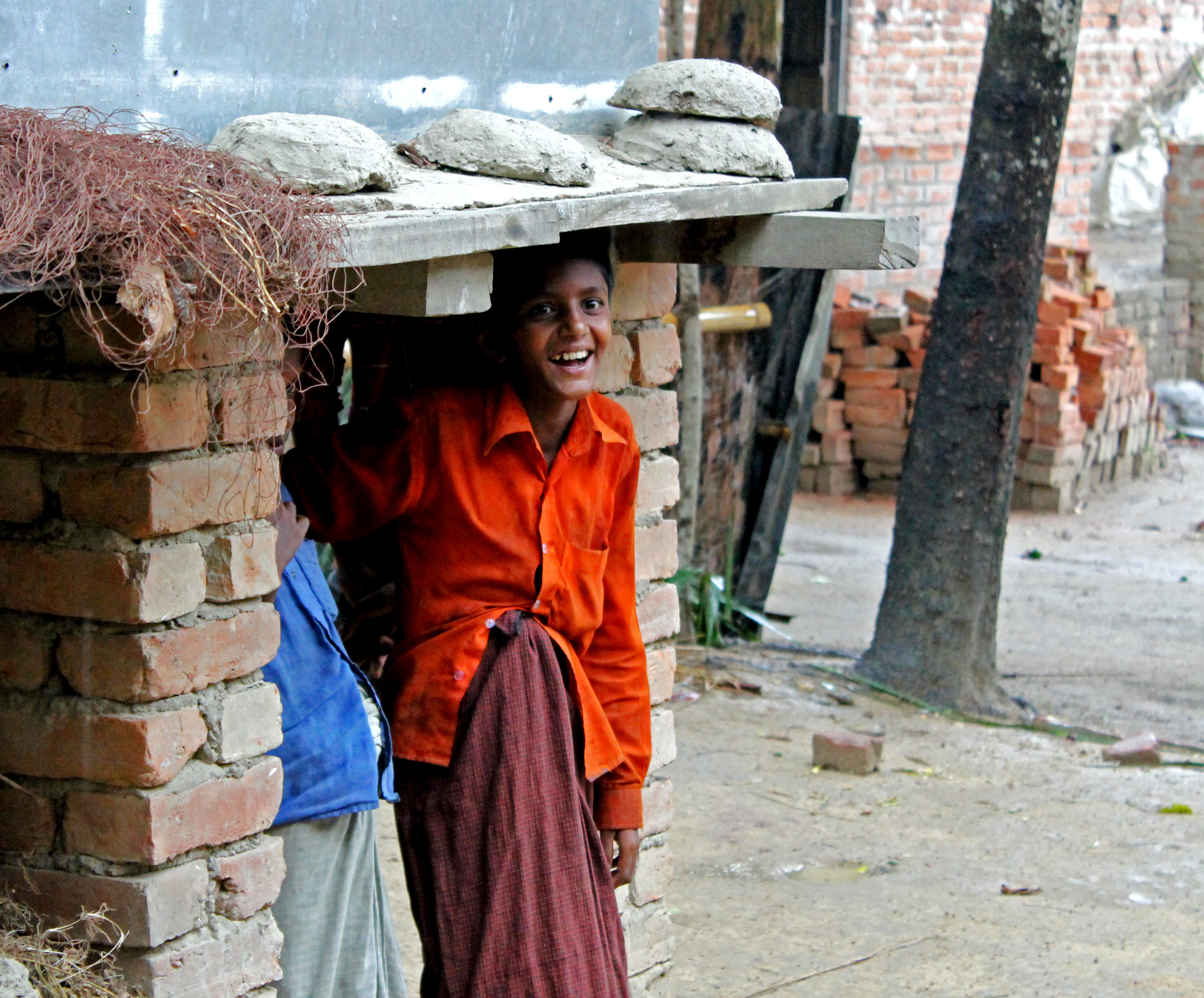



All images © John Stanlake




 UNDER ONE SUN