As I haven’t written a new blog for a while I thought I’d add a more succinct photo blog instead. I’m working on a written one at the moment, but it’s not quite ready yet. So, here are some notable images from Bangladesh taken during the past three weeks. I’ve been lucky enough to experience some of Bangladesh’s finest natural beauty during that time.
The first few were taken in the village of Koknandi, in Banshkhali district. I attended the Hindu ceremony of Charak Puja. I have no idea how to provide a clear explanation of what happened or why exactly it happened, so I’ll just describe what I saw and noted through my own eyes.
The reason I ended up in this village to experience the festival was due to the fact our Fulbright Fellow and artist in residence, Claudio Cambon, needed volunteers to accompany some of his photography students. In his recruitment email he provided this blurb:
“Charak Puja, Banshkali, south of Anowara. This is a village fair which culminates in a Hindu devotee getting hooks pierced into his back, hoisted by rope up into the air, and swung around a tall pole 7 times. They may also throw pigeons up at him, which he will try to catch and eat live. Yup, you heard me right the first time.”
So, just to repeat, the general purpose of the trip was to watch a man have hooks placed in his back in order to be swung around a large pole, whilst attempting to catch pigeons and eat them alive. Naturally I was instantly intrigued by the prospects of this day out.
I was also slightly alarmed, but not wanting to pass up this unique cultural experience I replied to his email within about 23 seconds. A few days later we arrived in Kokdandi, and after a timid, but warm welcome from the local people we were passed by these characters…
The excitement grew, yet anxiety levels also rose. The festival would take place in a few hours, and I was looking forward to events with a certain degree of trepidation. In the meantime though we were treated to some fine hospitality by our hosts and were free to wander about capturing images of the stunning natural beauty of rural Bangladesh and its people.
Eventually the moment came to swing the devotee around the pole. Raising the pole was not a straightforward task however, and it took the strength of around fifty men. Their job was made no easier by the thick mud that had engulfed the whole area after the recent reappearance of the trademark monsoon rains that hit Bangladesh each year. Once the pole was erected and secured in the sludge, the devotee reappeared to a rapturous reception. By this stage the crowd had swelled, and it seemed the whole village had come to witness the annual event.
The actual climax of the whole day happened very quickly. All of a sudden the devotee was airborne and there was quite a commotion as the crowd whooped, chanted, let out mild screams, and clapped sporadically. Carefully placed men launched pigeons high into the air, which added to the mystical spectacle before us. Fortunately our devotee was spinning too rapidly to have any chance of grasping any of the birds, so none were harmed.
It also became apparent afterwards that the man had not in fact been hooked during the process. We later found out that it’s an old tradition, and in recent years has been replaced by more conventional methods…in this village at least.
As I said before, I don’t possess the knowledge to explain why exactly any of this happened. However, it was a sight to behold and an authentically fascinating experience characterized by genuine warmth from our gracious hosts, who demonstrated a strong desire to ensure we were made to feel part of the experience. I took these final two photos in the aftermath of the spectacle, once some of the crowd had dispersed, and in my opinion this second image alone made the whole day worth it.
The next weekend was spent in Cox’s Bazar, a coastal town in the south of Bangladesh. It boasts the longest natural sea beach in the world and hopefully as the following photos will demonstrate, it’s a perfect location to catch a stunning South Asian sunset.
Finally, after a host of images away from the urban bustle of Chittagong, here’s a view over the city by night.
Saturday, 17th March was a tough day. Arguably one of the toughest I’ve experienced in Bangladesh. It wasn’t however a tough day in a physical sense. I didn’t spend the whole day doubled over toiling in the intense heat of the Bangladeshi sun in a rice paddy, or pushing my body to extreme limits on a construction site. I wasn’t peddling across Chittagong on a rickshaw from dawn until dusk, or risking my life on a beach meticulously deconstructing a huge ship. I was in fact sat at a table in an air-conditioned room on campus. Twice during the day I was brought tea and biscuits, and lunch was provided. So, in comparison to the days of most Bangladeshis, it wasn’t such a tough day at all.
However, despite all the comforts, my task for the next few hours would indeed be tough. Set down next to me was a list of eighteen names. Beside this was a list of guiding questions. Throughout the day I would be interviewing eighteen young Asian women, all harboring a dream to come and study at AUW. They’d already been on a fairly long journey (both mentally and physically) to get this far, and now they were here, at the interview stage. For some of these girls it may well have been their first experiences of a formal interview. To make matters even worse, it was probably a shock for some of them to find me sat in the interviewer’s chair.
Many of our students come from conservative backgrounds and therefore may have spent their lives protected from any unessential contact with male strangers. I may be wrong, but I generally feel that some of the students found the whole interview situation even more stressful due to my presence. However, that is all part of the test in some ways, as this will be a daily occurrence if they are accepted.
When I volunteered to assist the recruitment process and conduct student interviews I had imagined it being an incredibly eye-opening experience. This it was. However, it was also emotionally grueling. There are just twenty places available to Bangladeshi students in the 2012/13 intake. Thus, roughly 90% of students interviewed would be left bitterly disappointed. It’s also important to remember that where in the UK non-admittance to a favored university can be a huge setback, there is still often an array of equally suitable options at our disposal. For some of these students though this luxury doesn’t exist. Failure to gain a place at AUW can (for some) be a devastating blow.
There are clearly other options in Bangladesh, but this institution is unique. It’s also essential to keep in mind that some of these students will have defied parents’ wishes in even applying. Therefore I knew that any judgments I made throughout the day would have a lasting effect on the lives of these hopeful students who sat before me. Their potential place at AUW didn’t rest solely on the personal interview of course. To even get to the interview stage requires many other previous assessments, and the final decision also rests on a further exam. It is an important component though.
Being the interviewer was an enlightening experience. It emphasized the importance of first impressions, and I was both pleasantly surprised, but equally a little horrified by some of the candidates’ honesty. For example, my first question was consistently the most obvious, but telling. “Why do you want to come to AUW?” Most responses were notable for their similarity to the previous student’s reply.
However, two interviewees informed me straightaway that they’d applied for AUW after failing in an application for medical school. Imagine if a student turned up at an interview at Oxford and admitted they’d ended up at this point having been turned down by Cambridge! Anyway, I tried not to let this cloud my judgment, but it was certainly at the back of my mind. In some ways I found this honesty, although potentially naive, refreshing.
I met some fantastic students throughout the day. Many had sheer determination in their eyes, others a shy confidence that made it easy for me to visualize them sat in one of my classes at AUW. I sincerely wish there were places for all of them. At certain points a student would stutter or display a look of anguished frustration as she tried to gather her thoughts and construct them into the perfect answer.
English is not the first language of these students and so there were times I had to fight the urge to jump in and finish the answer for them. One student stood out particularly. She made me feel totally inadequate and completely in awe. The manner in which she composed herself and responded to each question was as if she interviewed every day. She didn’t panic, but paused and contemplated, and clearly wasn’t going to be rushed. Every answer she provided was maturely considered and to the point. It was if we were sharing a conversation over a coffee rather than confined in the earnest conformity of the interview room. It’s out of my hands now, but I hope she makes it.
Once the last student had left my room for the day, I felt a sense of relief as the pressure was over. I had enjoyed it, but I felt a great weight on my shoulders. Every time another nervous student shuffled into the room clutching her education certificates I was once again filled with a degree of anticipation, but also underlying apprehension. I wrote up my reports and handed them to our admissions team. Maybe come September some of these inspiring young women will be back on campus as fully-fledged members of the AUW community.
Here’s a photo of me with one of my current classes. Students who went through this experience a year ago, but are now already contemplating completing their year in the Access Academy and starting their undergraduate courses.
p.s. if you’re wondering about the title of this blog, it’s actually the interview question which provided some of the most telling and enlightening responses.
This is often how I greet Bangladeshis on first meetings. Beginning with my name and following with the words, “I like cricket.” A sweeping generalisation perhaps, as I suppose I expect to be met with an involved and enthusiastic response. You know, because all Bangladeshis love cricket, right? Well no, that would of course be a ridiculous statement, but luckily for me, many do, and as my Bangla is still a work in progress, making any early connections with a person can be a daunting and often tricky task. Therefore “amar cricket bhalo lage” is a good first step. There are certainly other phrases which have been well received by many of the Bangladeshis I’ve introduced myself to. For example “Ami shekok” (I’m a teacher) or “Amar desh England” (my country is England). However, announcing my love of cricket has always been the one that has triggered excited eyes and warm smiles. Here’s a thought;
“Life is an elaborate metaphor for Cricket.” – Marvin Cohen (writer)
Mr Cohen, you Sir are quite correct. In my mind there is no finer game than cricket. I’m biased of course as I’ve grown up playing and watching the sport. It brings out the finest qualities in all who play. You need patience to play cricket, and you need humility. Cricket teaches you to be a good loser. It requires great mental strength and intense levels of concentration. A game of cricket can be a long, drawn out affair, and as such you are taken on a journey, broken only by a pause for tea and scones. Which other sport offers this?!
I understand why many people are mystified by cricket. On first glance it appears to be a bunch of men, all dressed in white, stood around in a large field. Every so often they move. There are random cries, and hand clapping occurs even when it appears to be completely unwarranted. Two men wear white coats. They’re not doctors. They’re the umpires. You never argue with an umpire, even if they’ve just ruined your whole afternoon by raising their finger and giving you ’out’. Some wield a bat, others throw a ball. One man wears big gloves, the others don’t. It’s also perfectly legitimate to shout the terms ‘silly mid on’, ‘long off’, ‘googly’, ‘square leg’, and ‘Howzat!’ on a cricket pitch. However, the intricacies of the game are what make it so special. It takes years to learn the vast book of rules, and I’m not sure you ever really master them all. Occasionally you think you have and then something happens during a match (i.e. a stray badger interferes with play or a mistimed sneeze causes chaos) and you end up desperately searching for a solution.
In February 2009 I left the UK, and after a short plane ride found myself sipping beer, eating sausages with mustard, and embarking on the early stages of this teaching journey in the wonderful city of Prague. My cricket bat was left tucked away in my garage at home. I envisaged Prague enforcing a prolonged break from the game I love. I was wrong. A quick search on the internet soon quashed those fears, and before I knew it I was bowling in the nets with a group of other Prague expats, mostly from South Asia. One weekend we even drove across the Czech-German border and played a quick game in Dresden against another group of South Asian German expats. Although on this occasion the break didn’t consist of tea or scones. Someone ordered pizza.
In Rwanda, I once again envisaged forced cricket abstinence. In this former Belgian colony, cricket was never going to be a favourite pastime. However, a chance meeting with a Ugandan guy early on in my time there put me in touch with a small, but dedicated group of cricket lovers, which enabled me to get my regular fix. It even led to the bizarre scenario of coaching the President’s son on one occasion. He had a good eye; a future batsmen perhaps.
National University of Rwanda cricket team (and me)
However, before departing for Bangladesh I had very different expectations. With Prague and Rwanda I’d prepared myself for cricket solitude. Bangladesh would be different though. A nation with a strong history of cricket lovers gave me firm hope that my passion would be shared with others. I haven’t as yet been disappointed. The words “amar cricket bhalo lage” have generally been well received. In Kulshimart (my local supermarket) I’ve formed good relations with some of the guys who work there. Our discussions are never very deep due to my poor Bangla, but often we end up listing our favourite players, or vaguely discussing recent results.
For me though it goes beyond cricket. One thing I’ve noticed about Bangladesh is the rigid roles in society. For example, if your job is to serve, whether that be as a cleaner, or a rickshawallah, or a shop worker, that’s exactly what you do. You serve, you don’t (from my observations) engage with the person you’re serving in any meaningful manner. You serve them, you’re their servant. This is just my experience though, and I could very well be wrong. My point is that as we’ve chatted about cricket, my interactions with the Kulshimart guys have become far more relaxed, and it has broken down the almost fabricated hierarchical structure that made me (and perhaps them) a little uncomfortable before.
I was constantly baffled before coming to Bangladesh. So many people are passionate about the game of cricket here. With a population of over 160 million, I found it hard to understand why Bangladesh is not a much stronger cricketing nation. There’s no doubt the national team has made huge strides in recent years, yet in terms of world rankings Bangladesh sits near the bottom of the pile (of recognised cricket playing nations), arguably on a par with “the likes of” Zimbabwe. They can on their day compete with the best in the world (the 2011 World Cup victory over England being one example), however consistency remains a hindrance.
Since living here the reasons have begun to reveal themselves. One problem has become glaringly obvious to me…facilities….and the lack of. I rarely see anything which resembles a cricket pitch, and most of the games I witness are cramped in small, crowded, dustbowls. There’s a chronic lack of green space in Chittagong and Dhaka, and as such, cricket lovers are forced to practice their skills wherever they can. Regardless of facilities however, enthusiasm and dedication to the game is unquestionable. It has certainly made me feel extremely appreciative of the environment I was lucky enough to learn my cricketing skills in. I remember many balmy summer evenings in Cockington Country Park as I learned about the lbw rule, how to play the perfect forward defensive, and where to stand if someone tells me to “move down to fine leg!”
Cricket at Cockington Country Park, South Devon, UK
Nevertheless, the opportunities for cricket here are still plentiful if you look for them, and recently I’ve enjoyed some really positive experiences involving the game. Towards the end of the last academic year I took on the challenge of starting a cricket club here at AUW. It was generally well received and attendance was surprisingly good. At the beginning of this new academic year we were also lucky enough to recruit a proper cricket coach. Tapan, a local to Chittagong, has vast experience in both playing and coaching the game, so he’s a real asset…and a character! His motivation techniques are interesting to say the least. Resembling a sergeant major on occasions, his favourite tactic for getting students to work harder is by either a) barking orders at them, or b) pretending to throw a ball at them. They respond hurriedly to both! No, in all seriousness Tapan is a popular coach and the students enjoy his dry sense of humour. It’s also been a great opportunity for me to learn some of his methods in case I continue coaching in the future.
Tapan – teaching students how to bat
Some members of the Asian University for Women Cricket Club
Here’s another thought;
“Ladies playing cricket – absurd. Just like a man trying to knit.” – Len Hutton (former England cricketer)
Well Len, I hate to break it to you, but men knit now too you know. When I ask the AUW students who attend cricket club if they’ve played before, most of them have the same answer. “No, but we used to watch our brothers play a lot when we were younger.” So for many students this is the first opportunity they’ve had to actually play the game rather than simply watching their male friends and relatives enjoy the sport. The aim is to produce an AUW cricket team who will one day take on women’s’ teams across the country. They’re fast learners, so hopefully this won’t be a distant dream.
Live cricket is not uncommon here in Chittagong, but it’s often hard to track down. Events are generally not so well publicised. However, back in December my students made sure I knew about one upcoming match; a one day international between Bangladesh and Pakistan. A mouth-watering fixture because of the importance of the actual cricket of course, but also the history between the two nations. Anyway, it was ‘decided’ by one of my class groups that I would take them. This eventually led to the whole university being invited! Ultimately we ended up with a coach full of around 50 students and 15 faculty members.
Organising such a trip was a little stressful due to the logistics. However, the real fun started upon reaching the stadium. Live cricket in Bangladesh is generally a male pastime. You’ll see the odd woman, but overall it’s a stadium full of testosterone. You can imagine the surprise and intrigue then as we shuffled into the stadium; 50 young women – some waving Bangladeshi flags, others waving the green and white of Pakistan. We also then had some interested Sri Lankans who’d come along to see their national sport in action too. It made for an interesting afternoon as men crowded around our group, anxious to know where we were from and what we were doing there. In general it was a fun day out and great for the students. For me personally it wasn’t so relaxing. Having coordinated the outing, it was generally my responsibility to ensure all students who got off the coach made it back on to the coach unscathed at the end. It got a bit hairy at the end as crowds pushed and shoved to leave the stadium, but by 10.30pm all students were back on campus.
Proud Pakistani students
I was back at the stadium with a friend of mine last week. Jumon, a sports coach and avid cricket fan got us tickets for the Bangladeshi Premier League (BPL) fixture in Chittagong. It was another good day out as the BPL has attracted some big names. For any non-cricket fans this information won’t mean much, but players such as Chris Gayle (West Indies), Herschelle Gibbs (South Africa), Brad Hodge (Australia), Peter Trego (England), Scott Styris (New Zealand), Shahid Afridi (Pakistan), and Shivnarine Chanderpaul (West Indies) have landed in Bangladesh for this tournament. Many of these names are international stars, so it’s a coup for Bangladeshi cricket.
Watching live cricket here in Chittagong hasn’t been quite the same as back home. In the UK I’ll go and watch Somerset, my local county team play on occasions, and the fun is as much about a nice pint of cider or real ale and a bacon sandwich as it is the cricket. There’s something very English about live cricket back home. Crowds of people concealed under sunhats, their faces discoloured with a thick layer of sunscreen. They sit reading the newspaper, occasionally peering over their glasses to see a rasping cover drive by the batsman. There’s a polite ripple of applause and once adequate acknowledgment has been duly offered to the batsman, they return to their crossword. Lunch breaks are characterised by picnics and flasks of tea, and during the day bottles of wine ease spectators into a relaxed state of cricket merriment.
However, the crowds here in Bangladesh possess their very own charm, and the viewing experience is in complete contrast to back home (no alcohol for a start). The energy and zeal towards the whole experience is striking. The passion for cricket is remarkable, and it’s possible to argue that cricket goes beyond the role of just a game. I hope one day Bangladeshi cricket fans will have the opportunities and facilities they deserve. If they do, the rest of the cricketing world better watch out as Bangladesh will be a force to be reckoned with.
Cricket fans – Zahur Ahmed Chowdhury Stadium, Chittagong
I’ll finish with a cricket anecdote of mine. It’s also in fond memory of my Auntie Freda (well, Great Aunt) who sadly passed away very recently. Auntie Freda was a cricket fan too. She often enjoyed watching the test match on television. When my Dad (her nephew) was growing up she’d take him to watch cricket as he was mad about the sport. Anyway, a few years back my cricket club (Cockington Corinthians C.C.) went on a short tour, playing against teams in the Gloucestershire area of the UK. On the way back we arranged a game against Winsley Cricket Club (the village where my Auntie Freda and Uncle Frank lived). They were both very excited about coming to watch, especially as both my Dad and I would be playing.
It was a beautiful day and a really enjoyable game of cricket. However, eventually the moment came when I had to bat. I walked out onto the pitch; a nervous fourteen year old, with the added pressure of family members watching. I took guard and waited for the first ball to be bowled. I’d like to say that the bowler was a 6’5 giant, who could deliver the ball at 90mph: However, he wasn’t. He was smaller, skinnier, and younger than I. Nevertheless, he tossed the ball up, and I could see it spinning through the air. I stepped back and tried to get my bat on the ball, but inevitably missed. It hit my pads and the scream of “HOWZAT” went up. I looked up and in my head all I could think was “no, no, no.” The umpire stared for a moment, and then raised his finger. I was out. My game was over. I trudged back to the pavilion where my expectant family were waiting. Dejected and most probably fighting back a tear. There were a few remarks of “unlucky John,” or “don’t worry about it,” but Auntie Freda looked at me and exclaimed, “You’re not really a batsman are you John!” It was perfect timing!
Here’s one last thought to leave you with. From the UK’s very own Michael Parkinson. I think Parky sums it up nicely;
“At its best, cricket is the most wonderful entertainment in the world.” – Michael Parkinson (Talk show host)
The subject of this post is Retired Major Ezaz Afzal from the Bangladeshi Army (pictured below). Major Ezaz is currently the Director of Security at my university; his task being to keep all staff and students safe and secure both on and off campus as far as possible.
However, prior to this he also led a fascinating life in the military. In the early to mid 1990s, Major Ezaz witnessed two conflicts, both of which became infamous for incomprehensible crimes against humanity, and genocide. Before moving to Bangladesh, I spent a year teaching in Rwanda, and prior to that I wrote my Master’s thesis on the devastating genocide that ripped Rwanda apart.
Major Ezaz in his office today
With over 10,000 soldiers, Bangladesh is actually one of the top providers of troops to the UN. Bangladeshi soldiers have served, and continue to serve, as peacekeepers in a whole host of different countries and missions. I first came to hear of Major Ezaz’s experiences in the UN during a presentation he gave at the university about his time as a peacekeeper in Bosnia. He gave an intriguing and frank insight into his experiences there, but my ears pricked when he revealed to his audience that directly prior to the Balkans he’d seen active service in Rwanda.
I met many different people during my year in that same country, but I rarely, if ever, got the chance to speak to anyone directly about what it was like to be there in ’94. It just never seemed like an appropriate question to ask, unless it was brought up in conversation. So, I saw this as an opportunity.
UNAMIR (United Nations Assistance Mission for Rwanda) was extremely controversial. Slammed for its ineffectiveness to save the lives of hundreds of thousands of Rwandans, and infamous for its eventual withdrawal and abandonment at the height of the killing, I was anxious to hear the Major’s take on things and to get an idea of just what it was like to be there, witness to such unimaginable horror.
Major Ezaz in Rwanda, 1994
Major Ezaz is a very warm and affable guy. He welcomed me into his office and we exchanged some of the Kinyarwandan words we both remember. Perhaps as strange as this may seem, he clearly has a lot of fond memories of his time in Rwanda and reminisces with great passion and exuberance. His unit arrived in January 1994, and for the Major it was his first UN mission.
At this point genocide was certainly not a widely acknowledged possibility, and the UN’s assignment was generally expected to be both straightforward in execution and short in duration. There was however undoubtedly great tension and instances of sporadic violence, and as the country prepared for the upcoming presidential election in May of that year, the role of the peacekeepers was to help facilitate this, and to aid the continuing peace process.
Major Ezaz and his troops’ place of duty was at the parliament building in Kigali, where their task was to provide protection to the opposition party representatives from the RPF (Rwandan Patriotic Front). Their leader at the time was one Paul Kagame, Rwanda’s current President. The Major told me that during this period he and his fellow soldiers led a fairly ‘normal’ life (for a UN Peacekeeper). When on duty they would carry out routine security tasks, and once their work was done for the day they’d enjoy the local beers and nightlife, and this is how it went on for the first three months of his time in East Africa.
Major Ezaz in happier times with locals. This photo conjures a whole host of different questions in my mind as I look into the eyes of each person – young and old – wondering just how the genocide may have affected each and every one of them?
At this point he admitted to feeling very little danger and enjoying a good relationship with the Rwandan people he was working with. However, in the early evening of April 6th 1994 this all changed dramatically. Major Ezaz told me it had been a normal day like any other, and he’d just finished dinner when the news came through that President Habyarimana’s plane had been downed near the airport as it came into land, killing everyone on board, including the Rwandan president and the president of neighbouring Burundi.
Rwanda transitioned almost instantly from relative calm to frenzied chaos (albeit organised chaos), and it would remain this way for months to follow. The Major said it all came as a big surprise to him and many of his fellow UN soldiers. They had no idea that the subsequent events had been planned for several years. Within one hour they heard reports of the killings that had started all across the city, and the night sky was filled with the sound of gunfire and explosions. The Major’s location changed from the parliament building to the national stadium where many of the UN troops were based. His experience in Rwanda was about to change completely.
On the morning of April 7th he made his way to the parliament building, much like any other day in Rwanda. However, there was something different about the route taken on this day. It hadn’t changed at all, it was just the road was more congested than usual, not with vehicles, but with dead bodies. For the first time in our conversation Major Ezaz’s tone dropped, and he was now talking about an entirely different Rwanda to the one he’d spent the previous ten minutes referring to with such affection.
On reaching the Parliament he was told to turn straight back and return to his permanent base at the stadium. Even in this short time the piles of bodies had mounted. At this point I attempted to press my ‘interviewee’ into describing just how he felt upon being confronted with these sights. His response was not a surprise, yet I’m not sure what else you can say but, “I couldn’t believe what I was seeing.” Who would? I imagine even as a UN soldier you never really expect to witness such wanton destruction, violence, and inhumanity.
From this point, just hours after the death of the President, Rwanda became a country of violence and death. I was told about the drunken soldiers and militia looting and raping at will. Routine journeys that had once taken an hour now took five as you negotiated your way through the relentless roadblocks. Roadblocks manned by crazed characters working on a cocktail of alcohol, drugs and sheer adrenaline, all fueled by the hate radio that pumped out warnings of ‘cockroaches’ (Tutsis and Tutsi sympathizers) in your midst and the rewards you’d receive if you helped in the mission to exterminate them once and for all. It’s all incredibly chilling.
I asked the Major if he had been scared when approaching these roadblocks. A fairly stupid question I admit, but his response was telling nonetheless. A resounding “YES,” as he described the fact they were controlled by young boys, almost always armed, and always drunk or high with absolutely no discipline. There was little telling what they might do, like a grenade with no pin, the blue helmet of the UN was little deterrent, and there was a reason for this.
Major Ezaz pictured in the National Stadium (Amahoro Stadium), Kigali, 1994
It was fascinating, if not a little unreal to hear Major Ezaz talk about these situations personally. Situations I’d read about in books, but never recalled to me by someone witness to such mayhem. I asked him to describe the most intimidating encounter he faced during his service in Rwanda. He mentioned several, but the one which stood out most personally was a standoff involving himself, some of his men, a small group of Belgian soldiers, and a deep crowd of Interahamwe (Hutu militia).
The activities which preceded the encounter were symbolic. Earlier in the day ten Belgian peacekeepers had been ambushed, shot, and hacked into pieces by the militia. Their blue UN helmets tossed around like prize trophies. The UN mission didn’t have a mandate to stop the killing of Rwandans. They could only fire if fired upon, and the genocide perpetrators knew this.
However, the brutal murder of the ten Belgian soldiers was a clear message from the Hutu power movement directly to the UN and the outside world – leave, you can’t stop this, we’re in control now. With ten of their own soldiers now dead, killed in such a brutal fashion, the UN was faced with the dilemma of respond with increased force, or leave. Tragically for hundreds of thousands of Rwandans, the UN chose option two. It wasn’t long after that the world peacekeeping force gave in to the militias and decided the risk was too great and the Rwandan people not worth saving.
Major Ezaz told me that some hours after the ten Belgians were killed, another group of twenty-five soldiers of the same nationality found themselves in a precarious and life-threatening situation as they became stranded between their base and a frenzied mob. Vastly outnumbered and most certainly in great danger, the soldiers needed instant and decisive assistance.
I was told by the Major that this was both his proudest yet most heart stopping moment in Rwanda. His men somehow managed to hold off the mob and direct the Belgians to the safety of their base, using very little force, but a significant amount of courage and composure, and only after considerable tension and provocation by the crazed young militiamen. The unpredictability of the Hutu militias and their increasing ambition and fearless confidence played a very definite role in the UN’s reluctance to stay and commit soldiers who would potentially end up meeting the same fate as the ten Belgians.
During our conversation Major Ezaz reminisced about another tragic situation which left him with two distinct emotions; one of sheer horror, and the other enormous pride. It occurred at his base in the national stadium. Shortly after the start of the killing he described how Tutsis began to arrive in great numbers in search of shelter and protection from the barbaric killing mobs that had overrun the city. Many Tutsis were now essentially refugees in their own birthplace. The UN was at least able to provide a very basic safe haven to those ‘lucky’ enough to make it there.
However, it was unable to prevent shells fired from outside the stadium walls causing devastation wherever they fell. Unfortunately the Major saw this with his own eyes one day as a shell exploded amongst a group of people in the refugee area of the stadium. Fourteen people were killed in this one strike alone, and according to Major Ezaz these types of attacks were not uncommon. He described how he and his troops rushed to the scene to find complete devastation.
Nevertheless, amidst the horror eight lives were saved by the work of the Bangladeshi army medics. Speaking in obvious earnest, he expressed the pride he felt for his men in this situation. He spoke of the genuine fear of contracting HIV as there was often little time to think before diving into catastrophes and responding decisively and proactively to scenarios similar to that above.
Below is another photo which fills me with intense sadness and intrigue. It shows Major Ezaz and a UN colleague distributing food to Tutsi refugees sheltering in the stadium. I can’t help wondering what happened to these people after the UN withdrew. This image is stuck in time with an answer I’ll never discover.
I won’t lie. I was hoping to hear deep, personal stories from my interviewee. I wanted to hear him describe how he felt and what he saw when he closed his eyes on those rare occasions he was able to catch some sleep between the shells and the mass influx of desperate refugees. In reality however, this was purely a selfish desire on my part. As I mentioned before, I’m intrigued to get a sense of just what it was like to be in Rwanda in ’94. A Rwanda in absolute stark contrast to the one I fell in love with sixteen years after the Major’s experience.
However, it’s none of my business, and as such I didn’t press too hard, even though I desperately wanted him to describe the emotions he felt each day as more and more people arrived at the stadium, their eyes filled with fear, their final, despairing hopes resting in the hands of the UN – the international ‘peace keeping force’ whose very role is to protect innocent people from the irrational brutality of genocide.
The problem was the UN didn’t want to admit to it being genocide. Admitting the action of genocide would’ve meant acknowledging a very real duty of responsibility to end it. Thus, on the 25th April, 1994, 18 days after the killing began (and 82 days before it was eventually stopped by the RPF) Major Ezaz and his battalion left on a plane to Nairobi, Kenya. As shells fell around the airport, and machetes continued to be wielded in hate down below, Major Ezaz said goodbye to a UN mission that had begun with a quiet confidence and ended in tatters, and a country that had provided glimpses of joy and warmth, but overwhelming images of abject suffering and cruelty. He has never been back.
When I asked the Major the obvious question of how he felt at this point, as he watched the green hills drift into the distance below, he provided a suitably obvious, but simple answer….sad. However, he told me very honestly that remaining in Rwanda would’ve evoked an even greater torment in his heart as it would’ve meant standing by and bearing witness to yet more murder, rape and mindless cruelty, with no mandate to stop it.
This confession and acknowledgement of both the futility and ineffectiveness of the UN mission to prevent the genocide, even at this stage, was both telling and soul-destroying. I asked where he feels the blame lies, and he pointed to the UN as a whole and also, a little surprisingly for me, General Romeo Dallaire.
Dallaire was the Canadian Force Commander of UNAMIR and therefore in charge of the entire UN mission in Rwanda. Major Ezaz met Dallaire on a number of occasions and told me how he just couldn’t understand, even to this day why his Force Commander, as the highest ranked UN military representative in Rwanda at that time, didn’t take the risk by disobeying his superiors back in the US and engage in a more forceful approach to ending the killing.
It’s an agonizing question that has haunted Romeo Dallaire ever since 1994, and if you feel inclined to read more about this I would point you to Dallaire’s personal account of his experiences during the genocide, entitled ‘Shake Hands with the Devil.’ It’s a fascinating read, which provides thorough explanation and analysis into just why his hands were so frustratingly tied by UN hierarchy, based thousands of miles away from Rwanda, who appeared to have had little knowledge or interest in the suffering of the Rwandan people.
After reading this book I came away feeling nothing but deep, sympathetic admiration for Dallaire, and therefore a little disappointed to hear my interviewee’s critical personal judgement of the same man. However, Major Ezaz has the experience of being there in ‘94, witness to it all, whereas I was merely a ten year old boy, obsessed with football and unable to point to Africa on a map, let alone Rwanda.
In May 1994, two months after his arrival back in Bangladesh, Major Ezaz was deployed to Bosnia, forced to witness yet another war, and yet another example of man’s inhumanity towards man. Genocide was once again on the agenda, and in a depressing parallel to Rwanda, the UN’s mandate fell well short of actually protecting civilians. Following this, in 1999, he found himself back on the continent of Africa, again with the UN, on a mission to aid Liberia’s recovery from their own brutal civil war. I braced myself for another candid testimony from the frontline.
However, our time was up, and so I’ll have to make a future visit to the Major’s office and enjoy a cup of tea with him as he regales me once again with further tales of a very different life to that of an AUW Deputy Director of Security.
Major Ezaz pictured in Bosnia, 1995
I’d like to express my sincere thanks to Major Ezaz for taking the time to speak to me about his experiences, and for also allowing me to include some of his own personal photographs.
So I had planned to tackle a serious subject in this blog update, but due to events which transpired in a classroom at AUW this week I’ve decided there are far more pressing issues to be discussed. When I say issues, I do in fact actually mean just one single issue. My beard.
You may have seen it. It’s in photos, and it’s reached a length which now makes it fairly noticeable to all. I’ve been wrestling with this for a while. To shave or not to shave? This is the conundrum that currently keeps John Stanlake awake at night, and it’s a conundrum which reached the classroom this week as a fellow teacher put it to her students in a writing task. Their prompt was ‘Should Mr John keep his beard or not?’
It’s essentially the end of term here, so this is not a usual assignment. Anyway, the students were very forthcoming with their opinions. I’d like to share some (the best) with you….
I’ve separated this into two sections – pro-beard (Fogle lovers) and anti-beard (Fogle haters)….Let’s start with the anti-beard brigade;
Sir Ben of Fogleshire
(Please note: These are all direct quotes)
Fogle Haters
‘I think Mr Jhon shouldn’t keep his beard. When he keeps beard, he looks more older than his age. It is also hard for him to wash his face cleanly. Even though he washed his face because of beard some dirt may stay in his beard. Because of beard when he eats anything food may be stick to his beard. As like food, the environment dust also sticks to his beard and may make him unhealthy.’
An obvious beard hater. However, her concern for my health and wellbeing is commendable.
‘As his beard is not black in colour it does not look good to me. Rather it makes him look foolish. His beard is not compatible with his face.’
Honest and to the point – Clearly not a future politician.
‘His beard is yellow, so it is not like so much good than black beard looks’.
Valid point. In fairness though it’s hard to judge me here as you don’t see many blond-haired Bangladeshis.
This next student has several convincing arguments in defence of her anti-beard stance;
‘You will forget how to shave which might cause you problems later’.It’s more concerning that she appears to think her teacher will forget how to perform such a simple task as shaving so quickly!
‘You might get lice on your beard due to AUW’s water.’ This is highly alarming. Is it possible to have lice-ridden facial hair?? If yes, that may clinch the decision to shave.
‘It makes your face filled with two colour which looks funny. Like, your whole face is white but your beard is part brown.’I’d argue that it would look even funnier/weirder if I had a skin-coloured beard surely??
‘It will save you precious time because you don’t have to comb it frequently.’There is that I guess. However, I’m fond of my beard comb. It would be useless and redundant without a beard to comb.
‘It will save water if you don’t have to clean it frequently.’I’d probably still wash my face though. Beard or no beard.
All points are valid and have been noted.
‘I first met him during history class. He looked good; wearing shirt and jeans (which suits his face without beard). A face with beard looks untidy and it somehow gives a gesture of laziness, since beard is raised by old people.’
Hmmm…In many ways she’s hit the nail on the head. The whole reason for the beard in the first place was due to a lack of motivation to shave over the summer holiday.
‘I think Mr John looks good when he keeps short beard. Neither totally shaved nor long like that a saint does. Since neatly shaved look in men makes him chocolaty, Mr John should try out professional look.’
Has anyone ever seen a Saint with a chocolaty beard?
This was one of my favourite responses. Simply entitled ‘Beard’ this student is fantastically honest….
‘Dear Sir – you looked better at the beginning of the semester. Do you know the reason behind it? Yes, of course, it’s because you hadn’t had bunch of beard then. I don’t mean to say that you look unattractive now, but there is nothing to praise. I agree being a man you would want some beard to look manly or something like that but I don’t understand the reason behind letting them grow more and more. Maybe you are planning to become a ‘Babaji*,’ but I think it’s not a good idea. I don’t even want to imagine you like that…disgusting! I wonder if after the winter break you will come with your long hair as well. OMG*!! You look good the way you used to be with small beard rather than that jungle in your face.’
*Babaji – I believe this is some kind of religious figure who sports long hair and a long beard, but I may be wrong.
* OMG = Oh My God
Another classic, this possibly surpasses the previous verdict. This student begins with some nice comments about me as a teacher, but then follows it directly with;
‘But every good thing has some error attached to it. In Mr John’s case, it’s his beard. I would strongly encourage him to shave it off as soon as possible. I have some valid reasons for it,
The beard he has is hiding his face and making it look unpolished.
When I see his face I think he carries a burden on his face. I feel very sorry for him when I see him carrying such a burden.
Last, but not least, his voice. Because of so much pressure on his face Mr John can’t talk clearly which makes a problem for us – his students. To let out his bold voice without any barricade he should get rid of his beard.
Finally, I really enjoyed taking part in this noble cause. I feel extremely fortunate that my efficiency is considered valuable in this serious global issue.’
Does a beard hinder speech? Is my beard hiding a burden? Should I be polishing my face? All good questions.
‘Your beard is like a forest and is the same as ancient man’
This student offers some useful advice;
First of all he looks more young without beard whereas having beard shows him much older than he is. It is not only about personal appearance but also affects his students. Students like their teacher to look nice. When he comes to class with shaved beard, most probably everyone would tell him ‘You look nice Sir!’ and the positive sentence would have great affect on the class and make it nice. But when he comes to class without shaving students would not even listen to him! Also in today’s world the one with beard would seem more barbaric.’
So I’m a boring barbarian that no one listens to. Good to know.
However – It’s not all doom and gloom. Most of the facial hair naysayers end with a remark of positivity, encouragement and most importantly, advice. For example;
‘Sorry Sir, if I did hurt you. I just gave you my opinion. It’s your beard, it’s your life, you are most welcome to experiment with it, but do be careful of your looks as well.’
Noted.
So, now for the less vociferous pro-beard brigade;
Fogle Lovers
‘I personally feel that your beard makes your personality more notable. Your face itself suggests to keep a beard.’
And that’s it. It’s hardly conclusive, but it’s a nugget of hope in an otherwise damning verdict of my facial hair policy.
I’d also just like to share one more quote from a student. We clearly have a future diplomat on our hands;
‘I believe that if Mr John keeps his beard or not is not important. The way people evaluate a person isn’t dependent completely on an appearance. Moreover, he doesn’t change his character if he shaves his beard. If shaving makes him change positively, he should do. But if it does not affect anyone and anything, don’t do it. Let him be himself. Finally, shaving is Mr John’s choice. Don’t ask us!’
Amen sister! These words will resonate with me as I walk off into the sunset whistling ‘Born Free’. Now, you may be thinking that in light of all this staunch beard negativity I’m going to head straight to the barbers. Well, you’d be wrong. I value the opinions of my students of course, however, a few weeks back I received all the positive endorsement needed to convince me to keep the beard for a good while yet. Ironically it was in fact at the barbers as I was having my hair cut at ‘Scissors over Comb’.
One of the barbers, who was cutting the hair of the man in the chair next to me, looked at me. He stared for a while and then rubbed his own beard (which was impressive in terms of both its volume and shape), pointed to mine, and then nodded his head in an obvious sign of approval. I’d doubted the beard up to this point, but this one man’s single nod of the head changed all that! For now, the beard stays.
I’d like to begin this update with a confession/apology of sorts. I haven’t been a good blogger recently, as you may have noticed. A mass, debilitating cocktail of laziness, disorganization, procrastination, over-contemplation, minor hibernation, misplaced inclination, and a severe lack of either determination or concentration, has led to a notably sparse and eerily quiet acknowledgement of life in the world’s most densely populated nation. I promise I’ll try to make a more concerted effort in future to check in.
If I can attempt to put forward a lacklustre defence of my blog neglect, my mind has been clouded due to a current period of substantial reflection. It dawned on me that it’s just over a year to the day (December 1st 2010) that I disembarked from a taxi and dragged a whole year of my life (contained in two bags) into the main terminal of Kigali International Airport (Rwanda).
It was the early evening, and the taxi ride had been prearranged with a driver I’d met earlier in the week. For some reason his sister was sat in the back of the cab with me. I didn’t ask why, but instead impressed them both with my ‘knowledge’ of Kinyarwanda. Of course, when I say knowledge, I do in fact mean I recited all the words I knew in no particular order or with any great meaning.
We enjoyed a leisurely drive through the city as the sun set over the hills, which had become oh so familiar by this point. I was now taking them for granted, something I’d later come to regret. Anyway, after I’d said murabeho (a Kinyarwanda word used to express farewell to a person you’re unlikely to see again for an unspecified amount of time, which therefore presents a depressing feeling of finality) to my driver and his sister, I entered the airport, passport in hand, and vivid memories of an incredible year divided between my mind and the memory card in my camera.
It was then with an intense degree of reluctance and a heavy heart that I checked in for my flight back to London and onwards. A year had passed since my arrival in Rwanda, and it’s now a little mind-boggling to think that a further whole year has passed since my subsequent departure. Last year my birthday was celebrated in the maze that is Stone Town, Zanzibar. This year it was spent in Kathmandu, Nepal. I’m an incredibly fortunate person.
I’m filled with contrasting emotions when I reflect upon this. On the one hand of course I’m grateful for the direction my journey has taken post-Rwanda. I currently teach an amazing group of students who make teaching a real pleasure. I’ve also had the opportunity once again to experience life in a completely different part of this crazy world.
The dramatic learning curve continues and as such I get to meet an array of weird and wonderful characters en route. However, I often find myself daydreaming about life in Save (my village in Rwanda). Thoughts drifting back to those epic Braveheart-style battles with ants (the ants representing the role of the Scots of course as they justifiably battled for their freedom to live unrepressed in my yard), the daily bread conversation with the lady in my regular shop. ‘Ufite umugati?’ I’d begin. ‘Yego’ was always her response. Then we’d laugh, exchange bread for amafaranga (money), smile at each other and there ended another bread transaction. We both knew the same process would occur the very next day, but we were fine with that.
I think about the banter with the bus guys, the sheer joy and relaxation of sitting in my yard after school with a book and a cup of tea. Then of course there was the exhilaration of collecting rainwater and utilizing it as economically as possible. The sense of achievement in visiting a market and conducting a conversation in Kinyarwanda and coming away with everything I’d planned to get, and the moment I’d clamber onto an already overcrowded bus to intense stares, which were transformed quickly into warm grins as I sheepishly wished my fellow passengers a good morning in their own language.
It sounds trivial, but these were the things that mattered. They were events which meant I was really ‘living’ in Rwanda, and I miss them. I’m actually a little worried about how much I miss them. Fortunately, in recent weeks I was twice given the opportunity to really discuss the experience of Rwanda in great detail once again, and I’ll write more about this next time.
Below are two images which demonstrate just what I miss about ‘The Land of A Thousand Hills.’ The second is the scenery close to my house, and on the first is two of the classrooms at my school.
So, this blog update was basically an opportunity for me to, a) apologise for not blogging, and b) to reminisce about the not too distant (but distant nonetheless) past…which I used to blog extensively about! In the coming weeks I’ll write about just how the students at AUW are embarking upon a cricketing journey with the assistance of an ‘international’ coach (not me) and also how one member of staff at my university gave me an incredible insight into the Rwandan genocide. He was there.
One final point – my African and South Asian experiences were connected on a recent trip to Nepal in early November. I was able to meet up with a fellow volunteer from last year, Mitesh, who’s currently doing some great voluntary work in Delhi. We caught up in Kathmandu and shared tales, some old and some new. It was strangely therapeutic and went a long way to alleviating some of those Rwanda yearnings that sit quietly, but prominently in the back of my mind. Below is a photo of Mitesh and I in Kathmandu, and the other shows my attempt at the ‘Ben Fogle’ look. Until next time.
The hairy lime stared at me. It had a strange mouse-like tail protruding from the bottom end of it and thus I wasn’t entirely sure whether I should reach out and touch it or just continue staring aghast. It wasn’t a lime, or a mouse for that matter, and given that it was surrounded by other vegetables it seemed reasonable to assume that it was also a member of that family.
I felt a bit bewildered at this point. In front of me stood a wall of weird and wonderful new vegetables, yet so far all I’d dropped into my basket was a packet of biscuits, a small bottle of mango juice, some bread rolls, a roll of toilet paper and a little pot of ‘extra strong’ insect powder that promised to kill cockroaches when applied to areas in which, ‘insects are most likely to run through’ (so…everywhere).
I was filled with a sense of dread and intrigue at the sight of all these potential ingredients. They were right there before me, willing me to transform them into a delicious dish, yet simultaneously mocking me as they could tell I lacked the culinary skills to utilise them. Other people seemed to know what to do. They’d all grasped one of the small, clears bags provided for such an event and were promptly rummaging through the treasure trove of organic delights. ‘Why can’t I be like them?’ I pondered in a self-pitying fashion.
This was my first experience in Kulshi Mart, the local supermarket (which I have mentioned previously). Fortunately this tale of food ignorance woe refers back to my initial days in Chittagong, way back in March. In the subsequent months the fear of vegetables has subsided somewhat, and having once eyed them with a significant degree of suspicion and anxiety, I now realise they’re here to help me, to enhance my life, and to furnish my palate with a vast array of flavours and textures.
It’s fair to say that I’d led a sheltered existence in terms of vegetable discovery up until this point. At university our relationship had broken down completely. In the Czech Republic vegetables seemed to consist of potatoes, potatoes, onions and potatoes. Rwanda did at least rekindle some fond memories of a vegetable bygone era, but the absence of a fridge made them less desirable.
Yet now, here in Bangladesh, I have an opportunity to change this, to boldly confront the ignorance of the past and to enter a new, enlightening period, which will see my plate decorated with the shapes and shades of a new dawn of dining experiences. Well, not quite, but I can safely say that I would have no problem whatsoever committing to full vegetarianism here in south Asia.
Imagine it. You’ve just woken up. You’re bleary-eyed, a little dazed and almost certainly a little confused. You’re wearing a strange nightgown (this is crucial). Unsure about your whereabouts you step tentatively outside onto your balcony, rub your eyes, and stare out to see what this bright new dawn has to offer.
Progressively the street below begins to breathe into life. It kicks off with roses – sweet, red roses, and then milk, pales of fresh milk. Ripe strawberries follow and a trusty knife grinder offers to see to those blunt blades. His deep, baritone voice in stark contrast to the high-pitched gentle harmonies of his female counterparts.
At this juncture, anyone with a keen eye for musicals and some Charles Dickens will have guessed that the scenario I describe is a scene from the musical version of ‘Oliver’. For those of you who have absolutely no idea what I’m referring to and who may well be concerned about my fragile sanity, watch the video below, which will hopefully shed some light on my typically inane ramblings.
I’d also like to reveal that I hold only a modicum of embarrassment/shame for being particularly fond of this particular scene. It’s a classic in so many ways. You are permitted to judge me forthwith. Just click on the link directly below. Apologies for the French subtitles.
So you’re probably wondering how this relates in any way, shape or form to Bangladesh. Well, a similar scenario is played out below my tiny ‘balcony’ on a regular basis here in Chittagong. I’d be lying if I said Kulshi Road Number One (my new street – I moved by the way) bore any real physical resemblance to the Royal Crescent in Bath (where this version of ‘Oliver’ was filmed).
The sparkling, white-walled, 19th century high terraces that curve around the central, luscious green parkland are a far cry from the narrow, pot-holed avenue, which lies beneath my small, barred balcony, enclosed within the claustrophobic buildings that tower above. It would also be risky to presume that the characters who fill my street with the cries on certain mornings do so with the same joy-filled gusto and gaiety displayed by the Victorian skipping minstrels in the video. Even if you wanted to prance down the street carrying a ladder, or saunter along singing a merry tune, you’d probably be hit by a CNG driver or drowned out by the car horns and the barking stray dogs.
However, despite all of this, in many ways the principles are the same. You have something to sell, so you go and find the people to sell it to, because they may not come to you. Thus, in the true spirit of Oliver Twist, you go to the people and you shout as loud as you possibly can (repetitively) so they know you’re there. You’re right outside, underneath their balcony. Sometimes you even make eye contact with them as they shower (this happens…believe me). The other similarity is the energy and the vibrancy of the two streets. My new street is small and cramped, but it oozes character and is a cauldron of intense sights and sounds. Sometimes it’s hard to escape them.
It’s just a more traditional trading experience. A method of sales which perhaps died out sometime ago in the UK, but one which may have thrived back in the day. I like the concept. It’s more personal, far more interactive and generally just more natural. I have little evidence to suggest this sales strategy works as I’ve never actually witnessed anyone responding to the street traders’ calls. However, there must be a reason they’re present most weekends, their booming voices calling on people, willing them out onto the street.
So that’s a short and generally uncoordinated personal reflection on two different shopping experiences in Bangladesh. As for the hairy lime with the mouse tale I mentioned at the beginning, I subsequently discovered this vegetable to be ‘Kakrol’ (also known as Teasle Gourd). It’s an odd vegetable and is much like marmite in that it seems to severely divide opinion. I love it. Others hate it. It has a distinctive crunch as you bite into the seeds and the texture is certainly not to everyone’s liking. However, cooked in turmeric and red chilli powder with some fried onion and garlic, this vegetable is fast becoming a favourite of mine. As I said before, vegetarianism is an easy, delicious, and ultimately very satisfying way of life here in Bangladesh.
p.s a few rough translations for you;
Lal shak = Red spinach
Kapur = Cloths
Kola = Banana
Pepe phul = Papaya fruit
These are just some of the items that are displayed in baskets or on the back of wooden wagons down in the street below on a regular basis.
‘Choose a job you love, and you will never have to work a day in your life.’
(Confucius – Chinese Philosopher, BC 551 – BC 479)
Sometimes as I’m lying in bed at night I can hear a familiar and distinct sound from outside. Even above the whirring of the fan it’s audible and fairly constant. The clunking noise of hammer hitting nail. The perpetual thud thud thud of tools and machinery, and the chatter with occasional laughter from the workers who operate them. And yes, I did say I can hear all of this as I lie in bed, because you see, construction workers in Bangladesh let no time go to waste. Every minute of every day is precious, and as long as there’s still work to be done they’ll persist with the task, even if this does mean working in darkness under a single light bulb.
Chittagong is a rapidly developing city. According to some sources it’s actually listed in the top ten fastest developing cities in the world and thus if you’re a construction worker it would appear there’s plenty of work available. In Kulshi alone the predominant sight is one of concrete structures stretching high into the blue skies above and an army of men ensuring the building work is completed in as little time possible. It’s a risky business though and from what I’ve witnessed so far it seems that it’s an occupation that is unsympathetic in regards to both health and safety and workers’ rights.
Most of the new buildings are nine or ten storeys high, so this is not the occupation for anyone who suffers from vertigo. The workers live on site, literally. They eat, sleep and wash in the shells of the half-built structures, leaving only it seems for daily prayers. Quite often as we pound the backstreets of Kulshi at 6am on our morning run we’re met by the sight of construction workers brushing their teeth on the road outside their current project. They never seem to get used to the sight of us though, stopping mid brush to stare at the strange running spectacle before them. Bangladeshi construction workers must have some of the cleanest teeth in the world though as there are times we pass them on lap two of the run and they’re still vigorously brushing away.
There have often been times when I’ve stood on my balcony staring out across the rooftops of Kulshi and my eyes have been drawn to these workers as I stare in admiration. One day it dawned on me that they’re occupation is quite frankly, less than safe, perilous potentially. They stand, sit or perch on the very top of the structures they’re working on with no form of protection or back up if they were to slip.
They hang from the building on a simple rope ladder, again with no thought or appreciation it would seem for their own safety (see photos below). It got me thinking about dangerous occupations and the fact that in developing countries jobs which we’d perhaps consider as being routine and generally unproblematic, can in fact prove to be life-threatening.
Tigers and lightning. What are the chances of either of these two perils taking your life? In the UK I think it’s fair to say the chances are incredibly slim. You’d have to be terribly unlucky to end up the victim of either, and if you did it would probably end up making the news press accompanied by various instructions on how people could avoid meeting the same fate.
However, in Bangladesh the chances happen to be far greater. My attention was grabbed by two news articles quite recently. The first informed readers that on one fateful day back in May, forty people lost their lives in Bangladesh due to lightning. Forty people in a single day. Such a grim statistic would be unimaginable in most other countries, yet in Bangladesh it barely raises an eyebrow. The monsoon season brings unyielding rains and violent tropical storms, and if you happen to be a person whose occupation involves working under the clouds during all of this extreme weather it leaves you particularly vulnerable as these forty sorry souls discovered one May day.
Most of the victims were farmers (harvesting rice in the vast paddy fields) or fishermen. Does anyone recall this shocking news being reported on the BBC or Sky News, or any other international broadcasting network? No. Me neither. However, if it had been Kerry Katona, Jordan or Jedward struck down by a lightning bolt they’d have been crying in the streets all across the UK. However, that’s another point altogether.
The second article which leapt out at me as I browsed the internet was one about tigers…and their predatory instincts in the Sundarbans forests of South West Bangladesh. For many fishermen in the region the simple occupation of honey collecting can present fatal consequences. I won’t go into the details in this blog as the article below explains it all. However, to summarise, the period of April to June in the Sundarbans forests is officially honey-gathering season.
During these months the local fishermen will attempt to earn much needed money for their families and in doing so they have to fend off snakes, crocodiles and tigers. Tragically around eighty of them each year lose their lives. Once again, just imagine if Peaches Geldof or Callum Best were gobbled up by a tiger on ‘I’m a D-List Celebrity, Get me Out of Here’. Ant and Dec would have us weeping in our armchairs for weeks. As I said, have a read of this article to get the full extent of what honey collecting in the Sundarbans actually means for some people.
A further occupation which is arguably just as unpleasant and unnerving as the others is one which provides a wage to thousands and thousands of Bangladeshi men. Many of them are based in my home city of Chittagong and they work as ship breakers. In the sand on the outskirts of the city several large vessels can be found beached and ready to be dismantled, piece by piece and all will eventually end in the furnace, melted down to be transformed into steel rods which are then sold. Chittagong is a graveyard for ships. One hundred end their seafaring lives here each year in thirty shipyards which line a ten mile stretch of beach.
For the men who work in these yards life is gruelling, intense and most crucially, life-threatening. I read an article which described the shipyards as ‘hell on earth’ as the workers are engulfed in an unrelenting concoction of the most severe heat, smoke and fumes you will find as they dismantle the now stranded vessels. Technology is scarce. The bare hand is the main tool of the workers with an occasional blowtorch thrown in for good measure. As such it’s estimated that fifty lose their lives in the shipyards each year and many more are injured as a result of accidents. A lack of training and rights mean that this is a perpetual tragedy that doesn’t look set to relent any time soon.
For a more detailed look into this follow this link:
So there you have it, a very brief look at some issues which shocked me when I read about them. We often moan back home about the far-reaching and often excessive health and safety measures that appear to blight our progress, freedom and fun at work. Yet, I guess we should appreciate that although being sometimes a dull hindrance, many of the measures are there for our protection. For the majority of us there’s a solid expectation that when we head off to work each day we’ll also return home at the end of it. Some people can’t enjoy this expectation and unfortunately this is a widespread truth right across the developing world. I’ll leave you with this simple but telling fact. The ship breakers I mentioned earlier work for as little as a dollar per day.
Kulshi. This is where I live. Split in two by a noisy and manic main road, the neighbourhood can certainly be described as affluent in comparison to other parts of Chittagong. A disconcerting mix of the haves and have nots mingle in Kulshi. The haves are the property owners and the property dwellers. The have nots are the workers and laborers who serve them. They’re also the folk who live in the ramshackle homes that lie in the shadow of the apartment blocks which dominate the city’s skyline.
The divide is apparent, but just in case you weren’t aware of it there are various signs to reinforce it. In the photo gallery at the bottom of this update are two quite perfect examples from Praasad, my apartment block. The first is a sign displayed at the entrance, and the second is a notice which adorns the wall of our lift. Not exactly subtle as you will see, and both make me uncomfortable.
However, I live here, and I live in a comfortable flat provided by the university, and you know, I like Kulshi. Thus, I’m in no position to preach and can probably be awarded the title of King Hypocrite. It’s a far cry from my living conditions last year as I’ve mentioned previously. When the power cuts out a generator ensures we only face a minute or two in darkness. I have a small balcony which looks out over the quiet backstreets of Kulshi. If you stare out at the horizon it’s difficult to see past the multi-storey structures which dominate your view. Understandably in such a densely populated nation sometimes the only option is to build upwards.
Occasionally I open the sliding doors in the morning to find a cockroach stranded on its back. Sometimes I enter my bathroom in the morning to find a cockroach has come up through the drain. There are cockroaches in Kulshi. We have guards on the gate who decide who enters and who doesn’t. They can at times be a little too overzealous in their screening of visitors, as our Bangladeshi co-worker found out one day. He was left outside the gate for forty minutes until one of us vouched for him. Their only real reason for not letting him in, as far as I can tell, was that he’s Bangladeshi, and the assumption being he neither lives in the flats nor has any other reason to be there. Haven’t you read the sign? Foreigners only.
Across the road is Kulshi Mart, a relatively sizeable supermarket. As you approach the steps to the entrance you hear cries of ‘Boss!’ and this indicates you’ve alerted the attention of one of the young boys who beg outside. A security guard opens the door for you, and you enter the world of the ‘haves’ in Kulshi as the cool breeze of the air conditioning hits you.
The store attracts a range of people from upper middle class Bangladeshis to Korean expats who’ve adopted Chittagong as their business home. Occasionally we see a group of Russians who live somewhere in the neighborhood, and it’s often easy to spot the Sri Lankans as they’re more liberal in dress, frequently shopping in shorts. That’s one way in fact of identifying the social status of Kulshi Mart. You can tell it has a more international feel as some patrons are comfortable to shop in shorts. Bangladeshis would rarely do this as far as I can tell from my time here so far. It’s also possible to pay by card at Kulshi Mart.
Each morning a van arrives to collect the small troop of teachers who work at the university. The same van drops us back home at the end of the day. Technically you could live your whole life in a virtual cocoon, moving only between the air-conditioned flats of Praasad and the air-conditioned offices and classrooms at the university. So far I’ve managed to resist this temptation.
One way has been to join two of my fellow teachers, Alyssa (also my flatmate) and Christa, on their daily runs. Commencing at 5.45am, on a good day it entails three, possibly four laps of the Kulshi back roads. On a not so good day only two laps are successfully completed. Even at this time of day the air is muggy and heavy, and the sweat pours from your body. The recent monsoon rains have made it a little more comfortable in the past few days though.
The morning runs have provided ample opportunity to explore the neighborhood further and to get a little feel for life here. We take the same route and as such we see the same people each day. The security guards are the first we greet as they open the gate for us. On some occasions we’re forced to wake them from their slumber. They never seem to go home, catching forty winks whenever they can, usually slumped over a wooden table. Once through the gate we’re out onto the main road and a quick turn right past a local Police headquarters takes us onto the much quieter backstreets.
We pass a regular stream of early morning walkers who range in age, sex and size. There’s a large group of men who engage in stretching exercises in a modest children’s ‘playground’ before starting their morning stroll. I believe they’re Bangladeshi. One member of the group has taken to saluting me each time I pass them. There’s a lone man who we may just have inspired to run also. He was previously a walker, but more often than not these days he can be seen jogging. There are Sri Lankan (again in shorts) and Korean walkers, and smaller groups of Bangladeshi men who always seem to be engaged in fairly boisterous discussions. I guess these morning walks give them a chance to put the world to rights.
However, it’s not exclusively men who tread the pot-holed back roads of Kulshi. There are small groups of women, quite often clad in hijabs and burkas, who walk together in troops of two or three. They tend to look upon us with varying degrees of bewilderment, intrigue, joy, confusion, suspicion, and slight disapproval (because of the shorts). However, I feel their overall emotion towards us is one of general acceptance and perhaps admiration for our running persistence. They often smile at Alyssa and Christa. Like the men, they too appear to use their morning strolls around the neighborhood as a chance to let off some steam, and perhaps it’s a perfect opportunity to engage in some healthy husband-bashing.
Most mornings feel like groundhog day as we pass the same faces and complete the same route three or four times over. Yet there are occasions when Kulshi throws up a little unexpected moment of randomness, and you wonder what’s coming next. I’ll briefly tell you about two such incidents encountered in recent weeks, which both involve animals.
The first isn’t particularly spectacular, but on the evidence of my first few months here it appears that Bangladesh has just one generic breed of dog, fondly referred to (possibly only by expats) as a ‘Deshi’ dog. That’s not to say there aren’t a lot of them, it’s just they all look the same. So imagine our surprise one day as a figure emerged from one of the large gates clutching around eight dog leads, and attached to each was a beautiful looking ‘Bideshi’ dog. In other words a dog which doesn’t resemble your standard Bangladeshi breed. There were a couple of golden retrievers, a small dachshund, a collie and a further unidentified breed. It was a welcome change. The guy in charge of them (I guess a hired dog walker) didn’t seem as thrilled by the dogs as we were, and when we came round for our second lap he’d tied them to a gate and was nowhere in sight. They were all sat up like bookends with their tongues out and inquisitive looks on their faces. I love dogs.
In an even more bizarre animal encounter, we recently stumbled across an incredibly unexpected sight. Whilst running past another gate I glanced quickly into the yard behind and caught a glimpse of something that made me stop in my tracks. My initial thought was that I’d pushed myself a little too hard with the running that day and was experiencing some kind of dehydration hallucination. I wasn’t.
Stood there, in the middle of the yard, was a rather grand looking stag. This was in itself enough to shock and puzzle me, but upon closer inspection in the far left of the yard there stood two further stags, two does and a pair of fawns. As I said, quite bizarre. How do deer end up living in a yard in Kulshi, Chittagong Bangladesh?! The yard is attached to a large block of flats but it’s difficult to know who these rather grand animals belong to. Anyway, as proof, below is photo evidence.
So there you have it. This is my general overview of Kulshi, a contrasting neighborhood of nationalities and outlooks on life and a place where revealing your knees is frowned upon and crossing the road is treacherous. In the back streets you’ll find deer and dogs, and in Kulshi Mart you’ll be treated to classic music from the 90s and staff who follow you everywhere, persuading you to buy a new brand of biscuits.. The area is awash with apartment blocks and at times you could be mistaken for thinking you’re engulfed in one huge construction site. However, there’s a noticeable warmth that pervades Kulshi, and when all’s said and done for now it’s my home, and this is fine by me.
Traffic here is intense. It’s like nothing I’ve ever experienced before, and I guess the facts speak for themselves. In Bangladesh as a whole, approximately 12,000 people die each year due to road accidents. That’s 32 fatalities daily and these are of course the ones which are reported and recorded. The actual figures are in all probability even more depressing, and it’s not unfathomable to assume they’re much greater than the ‘official’ records state. I’d like to say that I’m surprised by these revelations, but the truth is I’m not. If anything, all I can muster is a resigned feeling of acceptance and acknowledgment of such shocking information.
Each time you travel anywhere you’re forced to enter a cauldron of stress and general mayhem. Even travelling by foot doesn’t shield you from the carnage as you stare longingly across to the other side of the road, faced with a solid wall of noise and fumes and a random mix of vehicles, people and animals. You glance left and right and can only wonder how you’ll ever make it to the other side. In the end it takes a moment of inspired bravery along with sharp eyes, some stern hand gestures, a little tactical weaving, plenty of luck, and a positive attitude, and eventually you should make it across. I guess some people don’t get all of these in sync though as it’s said that pedestrians account for approximately 60% of all road deaths each year. Again, this is a highly unsurprising figure and a recent trip north proved this.
I spent a couple of days in Dhaka this past week, and it was my first opportunity to see Bangladesh’s capital city in full swing. Allegedly home to 14 million Bangladeshis, an even more staggering and alarming estimate is that 1,000 new arrivals are said to make their way to the urban juggernaut each day in a desperate search for a better life. It’s fairly evident that many never fulfil this dream however, judging by the very visible poverty all around. Personally I found travelling across the city a largely stressful and unenjoyable encounter. Packed tightly into a CNG (Compressed Natural Gas, see photo below), the driver proceeds to push his and your luck to the limits. I’m not sure wing mirrors are ever really utilised, and most drivers adopt a policy of accelerate hard, brake even harder. As you peer out of the metal cage, the sense of fear intensifies as huge coaches and dent-covered buses hurtle past you on both sides, and you become a very vulnerable filling in a huge metal sandwich. The drivers don’t ever seem to anticipate even the slightest error or misjudgement as they travel bumper to bumper, leaving only the finest of margins when steering their way through the maze of traffic.
It’s a tough life being a pedestrian in Dhaka. In many ways it’s as if you’re invisible as drivers display total disregard for your presence. I lost count of the amount of times during our short CNG rides a pedestrian had to make a last ditch dive to safety, or our driver chose to accelerate upon seeing a group of maverick road crossers. It’s a heart-stopping moment when you see the whites of a person’s eyes and you have no idea if you’re going to plough straight into them, and you have no way of influencing this. At some points I didn’t really know whether to laugh or cry at the craziness of the situation. I think this Dhaka experience made me well aware of one thing. I’m still new to Bangladesh. In this whole blog update I’ve spoken of the chaos and the stress experienced on the roads. However, to the veteran expat that’s just the way it is. I think it becomes second nature and your senses simply become accustomed to the mayhem. As I peered out of the CNG and shuffled in my seat, occasionally jerking and flinching due to another near miss, Christa and Alyssa (fellow AUW teachers) sat displaying the perfect picture of relaxation and calmness, snacking on some freshly bought lychees. Maybe one day I’ll be able to travel across Dhaka without a care in the world, tucking into fruit. One day.
I suppose I should award some credit where credit’s due. The drivers here, although effectively stark raving mad, are in some ways wonderfully gifted too. They possess nerves of steel and a resolute determination to get you from A to B in the quickest and niftiest way possible. Timidity gets you nowhere on the roads of Bangladesh. You clearly have to fight and struggle to earn your place on them, and if you can’t handle this, it’s time to remove yourself from the battle arena. Politeness also gets you absolutely nowhere, and if you’re reluctant to sound your horn in an unashamedly brash manner, you may as well give up before you’ve even started.
I’m not sure who I’d award the ultimate bravery prize too although I think the rickshaw wallahs may deserve the crown, as they’re at a much greater disadvantage to the others. Undoubtedly more vulnerable, they have to lumber their way through the mayhem, saddled to a rickety old frame and melting in the severe humidity of the Bangladeshi heat. On top of this they have to pull up to four passengers at a time. Their bodies are soaked in sweat, and only the lucky ones keep an old rag over their shoulder for the occasional wiping of the brow. They appear to get very little respect on the roads and as their vehicle is powered by pure physical effort, they receive least reward for their work. It’s a tough life. They’re the mules of the highways.
So this is my general impression of life on the roads in Bangladesh. It’s harsh, unforgiving, and certainly petrifying. It’s predictably unpredictable, and you’re all the more grateful when you reach your destination. T.S Eliot once said, ‘The journey not the arrival matters.’ However, in the case of Bangladesh I would argue that the arrival is far more important! I’m in agreement with writer Peter Hoeg, who exclaimed, ‘Travelling tends to magnify all emotions.’ Travelling in Bangladesh certainly does.
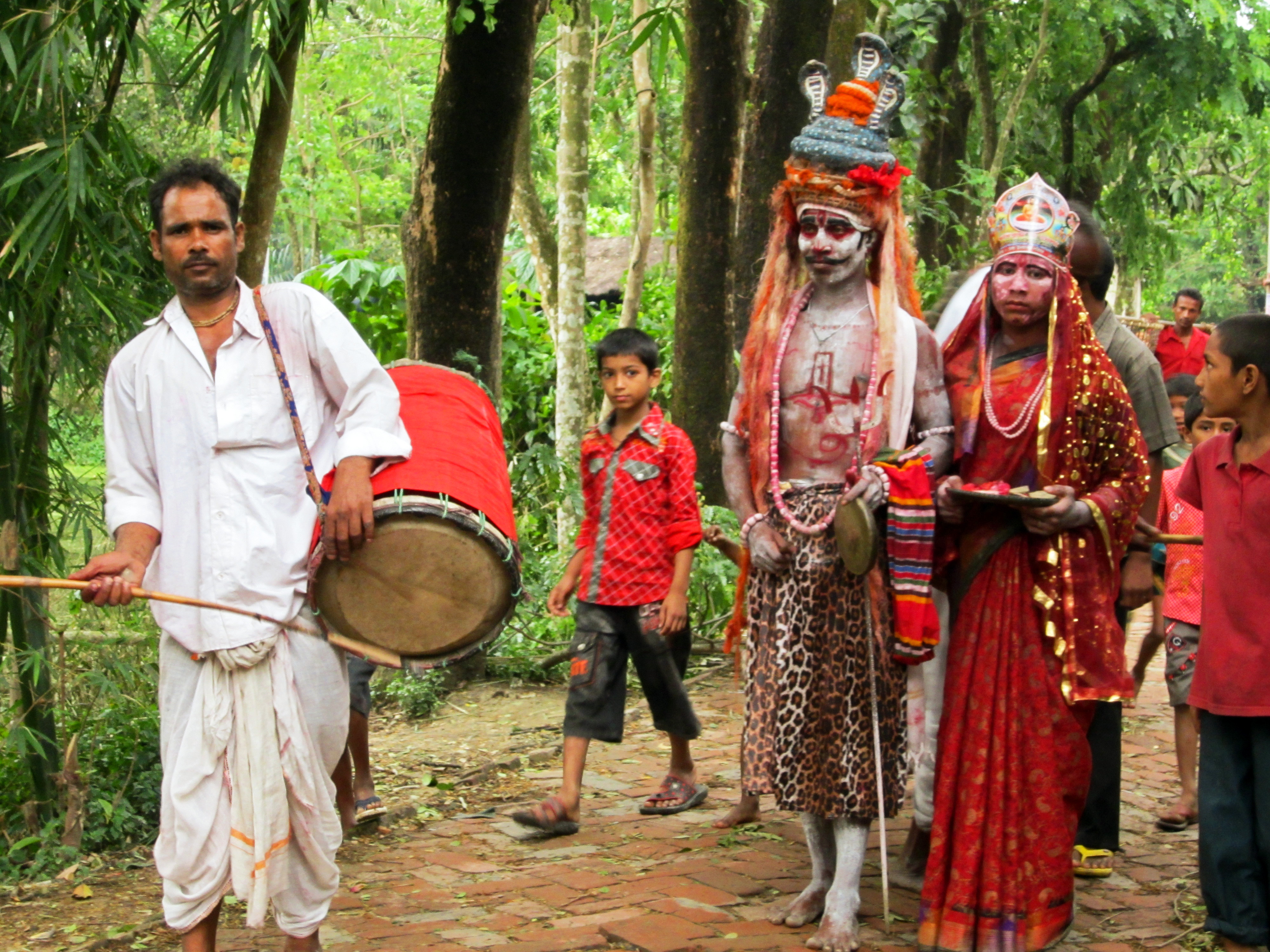
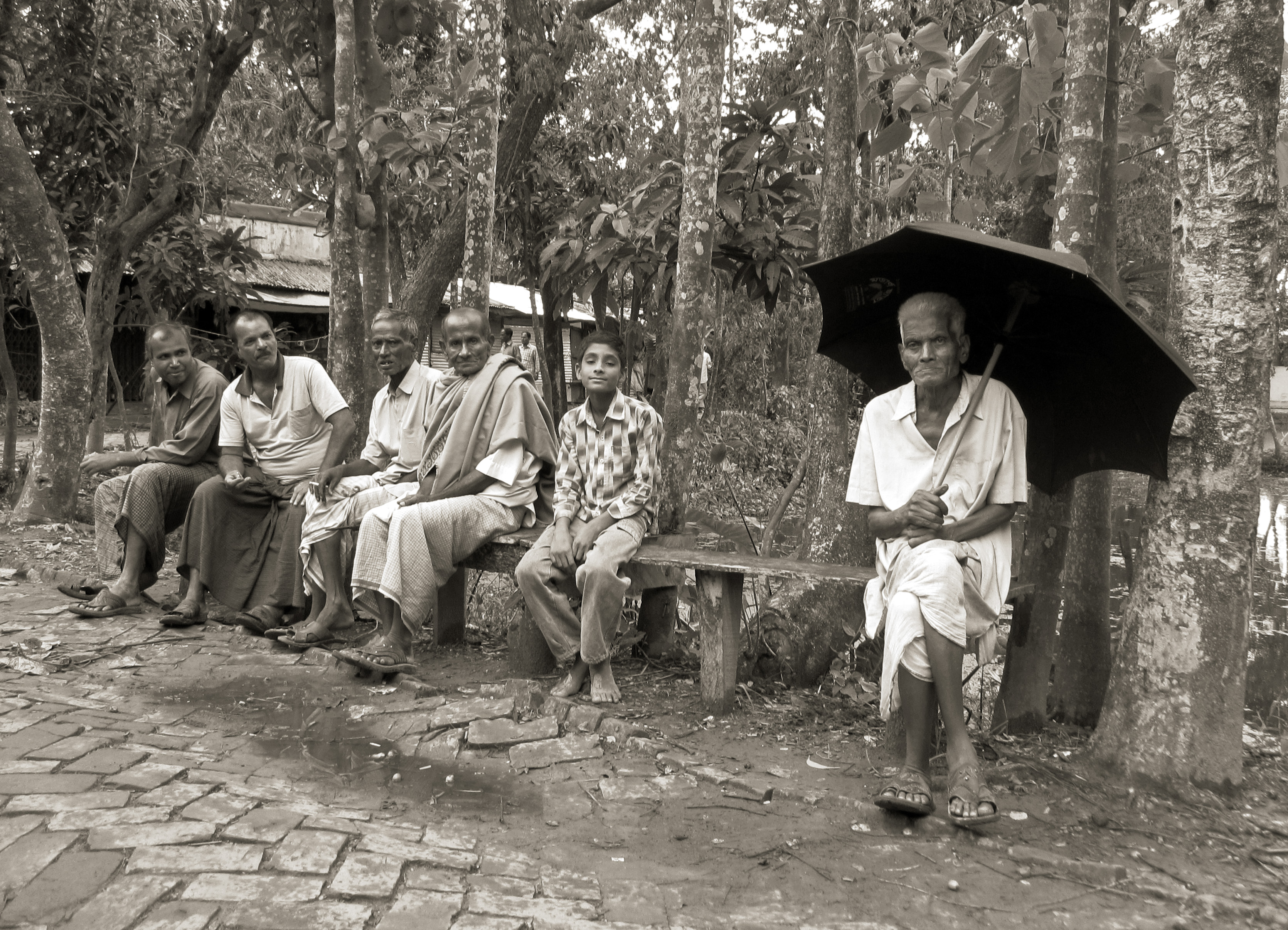

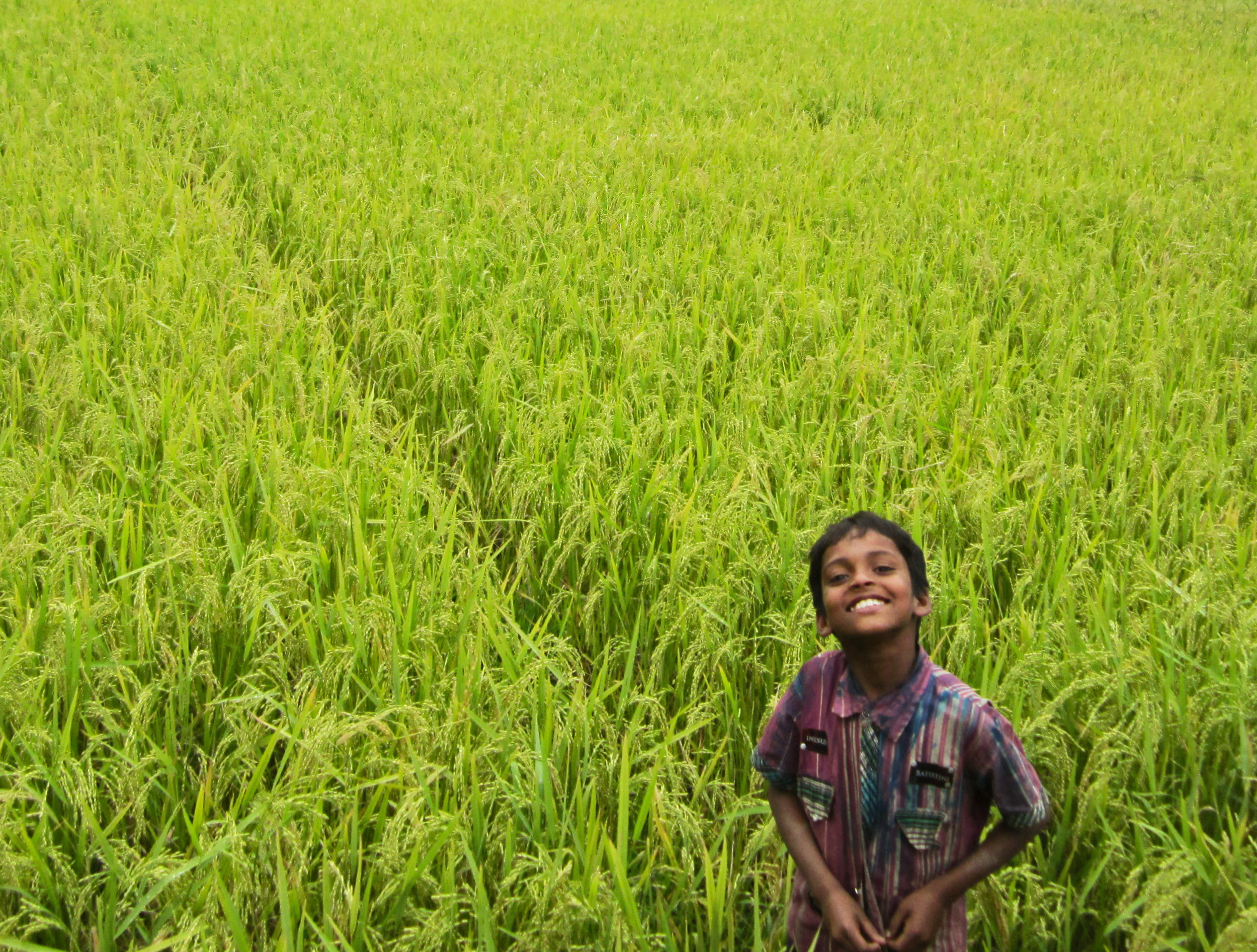
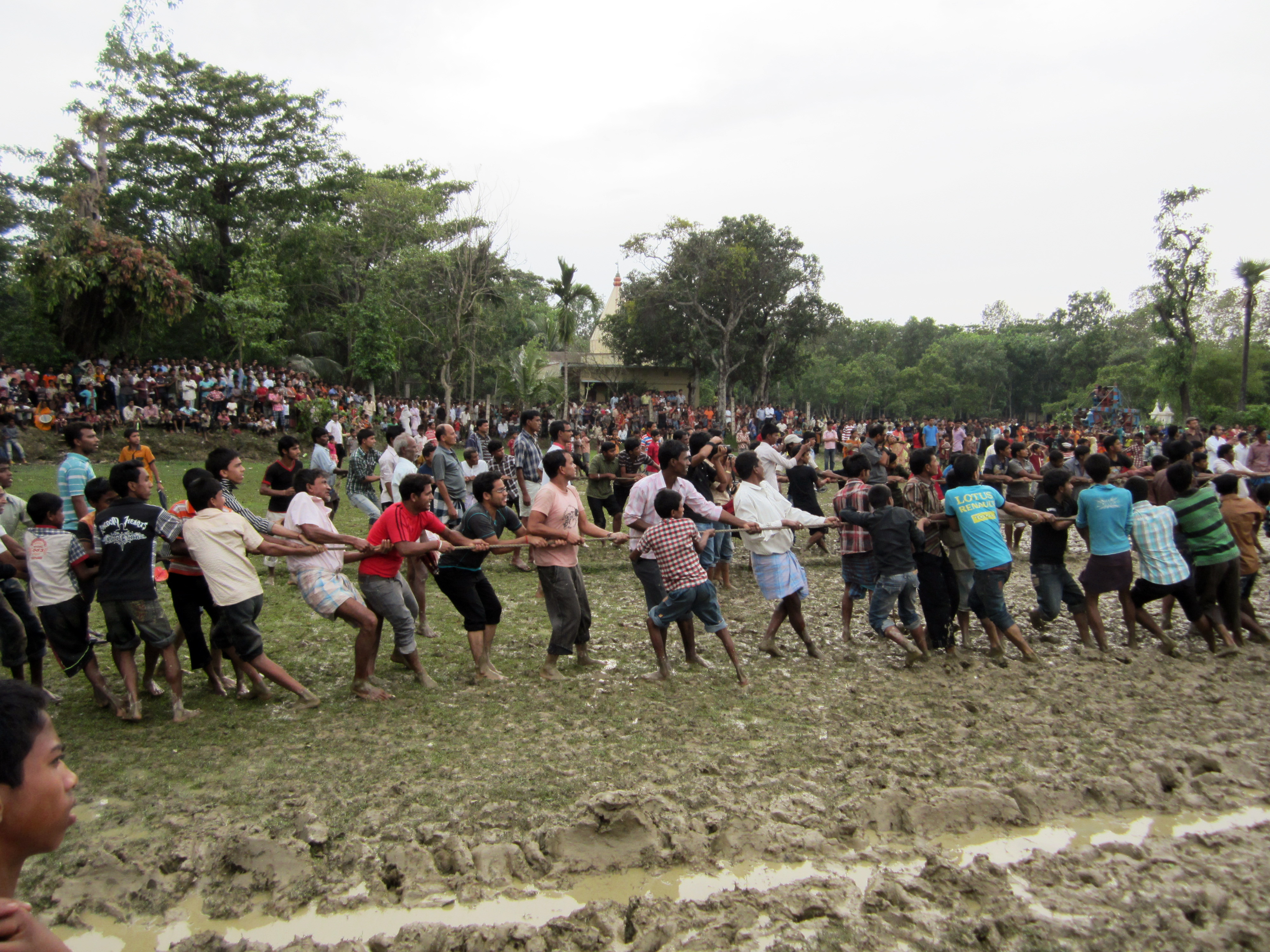


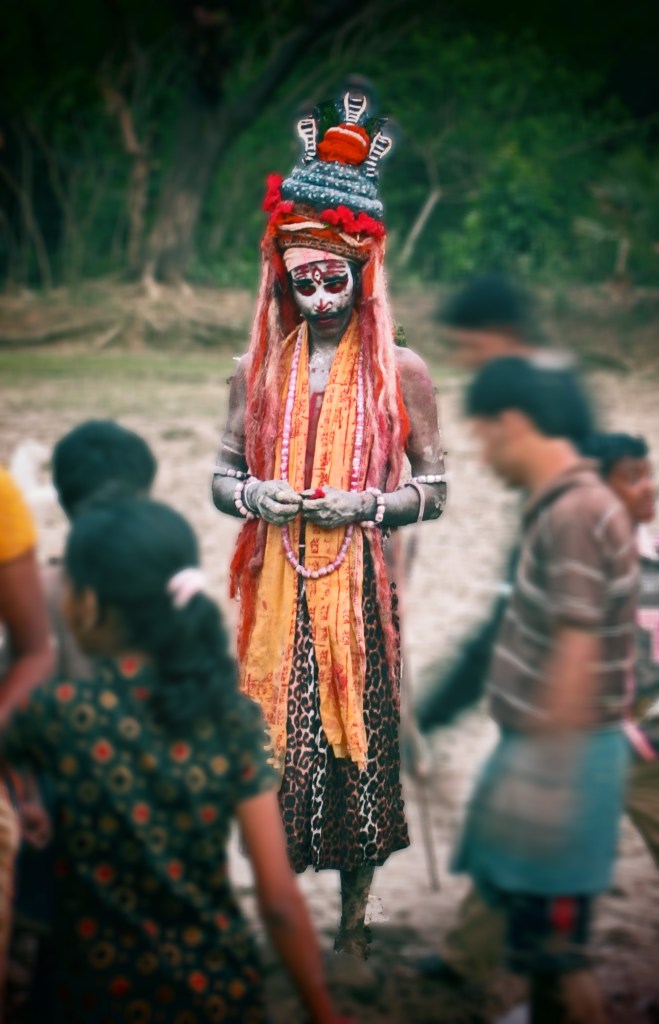


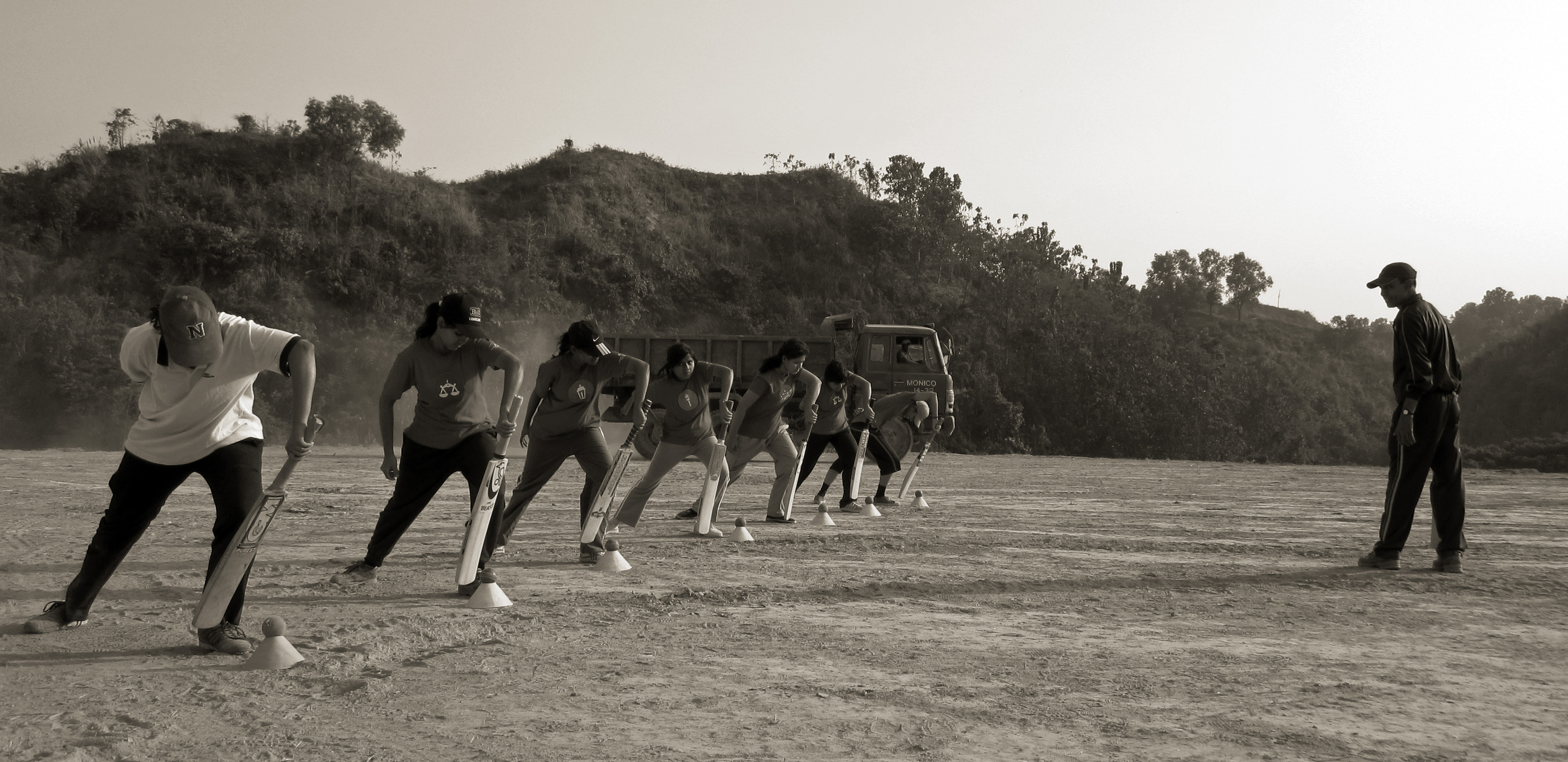


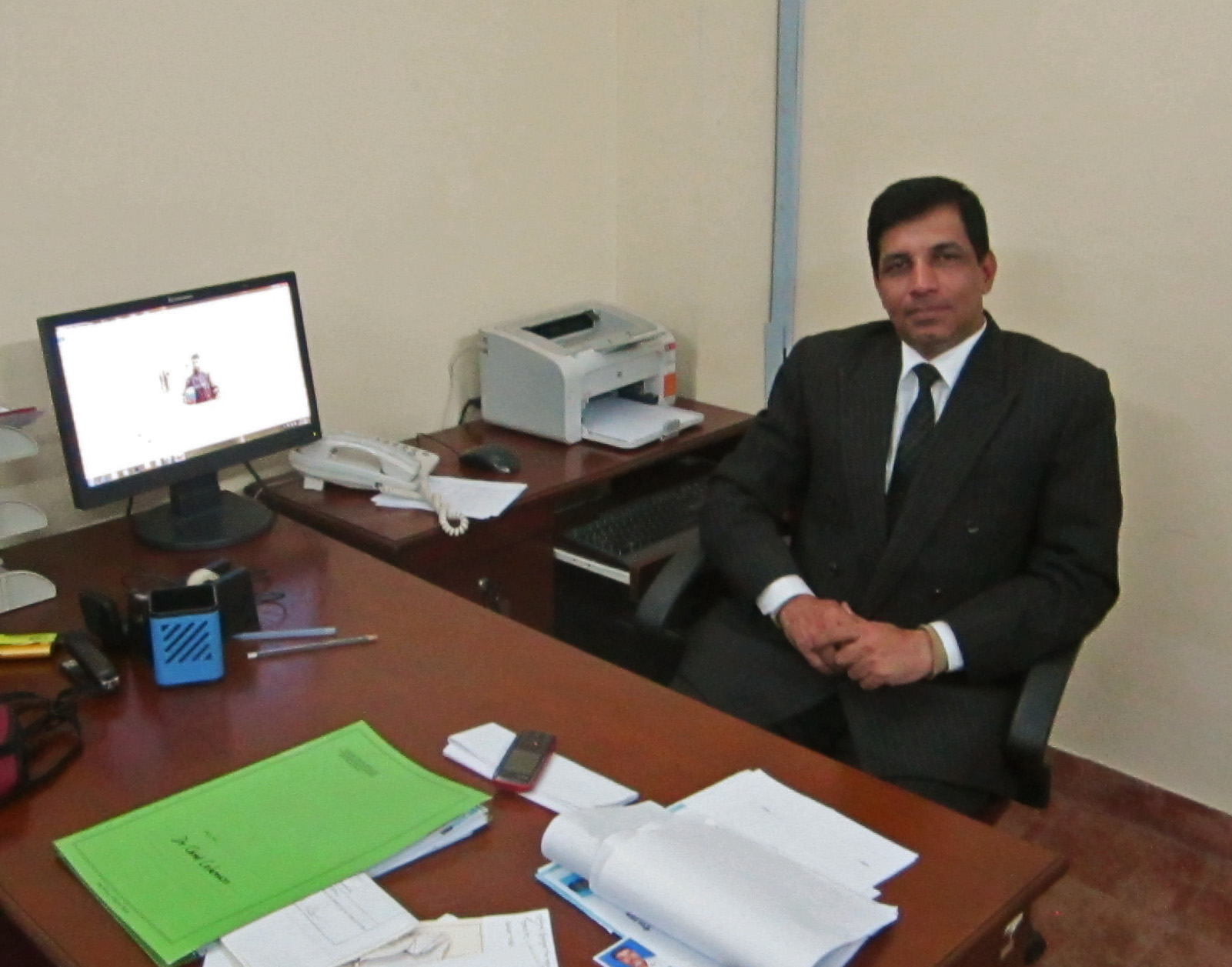


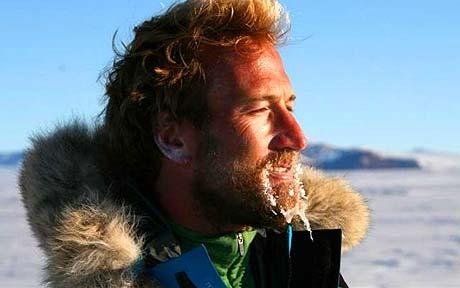


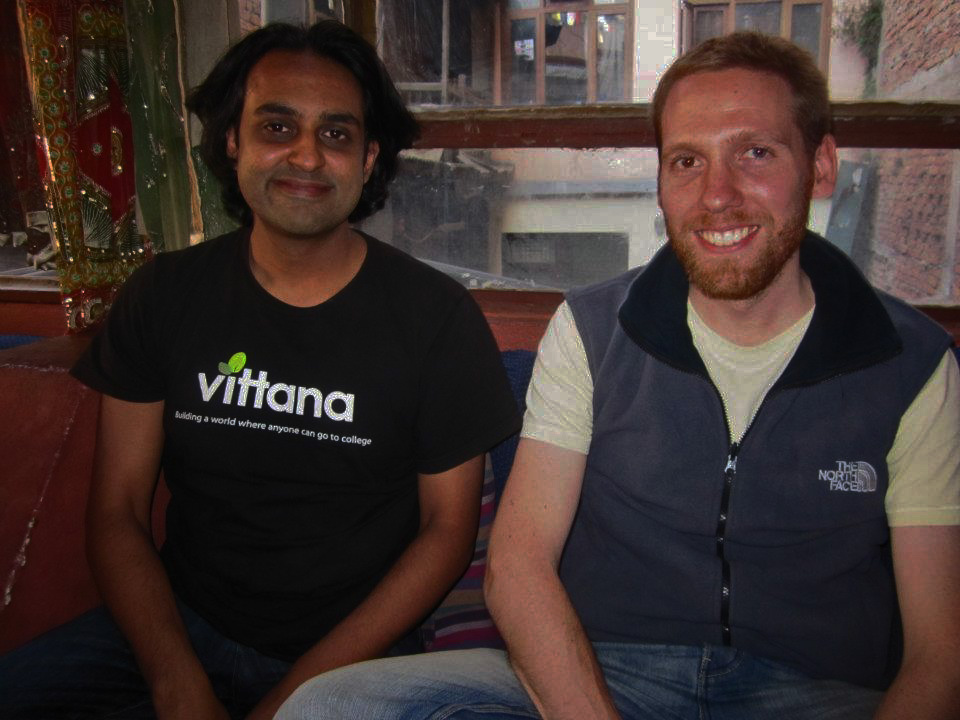


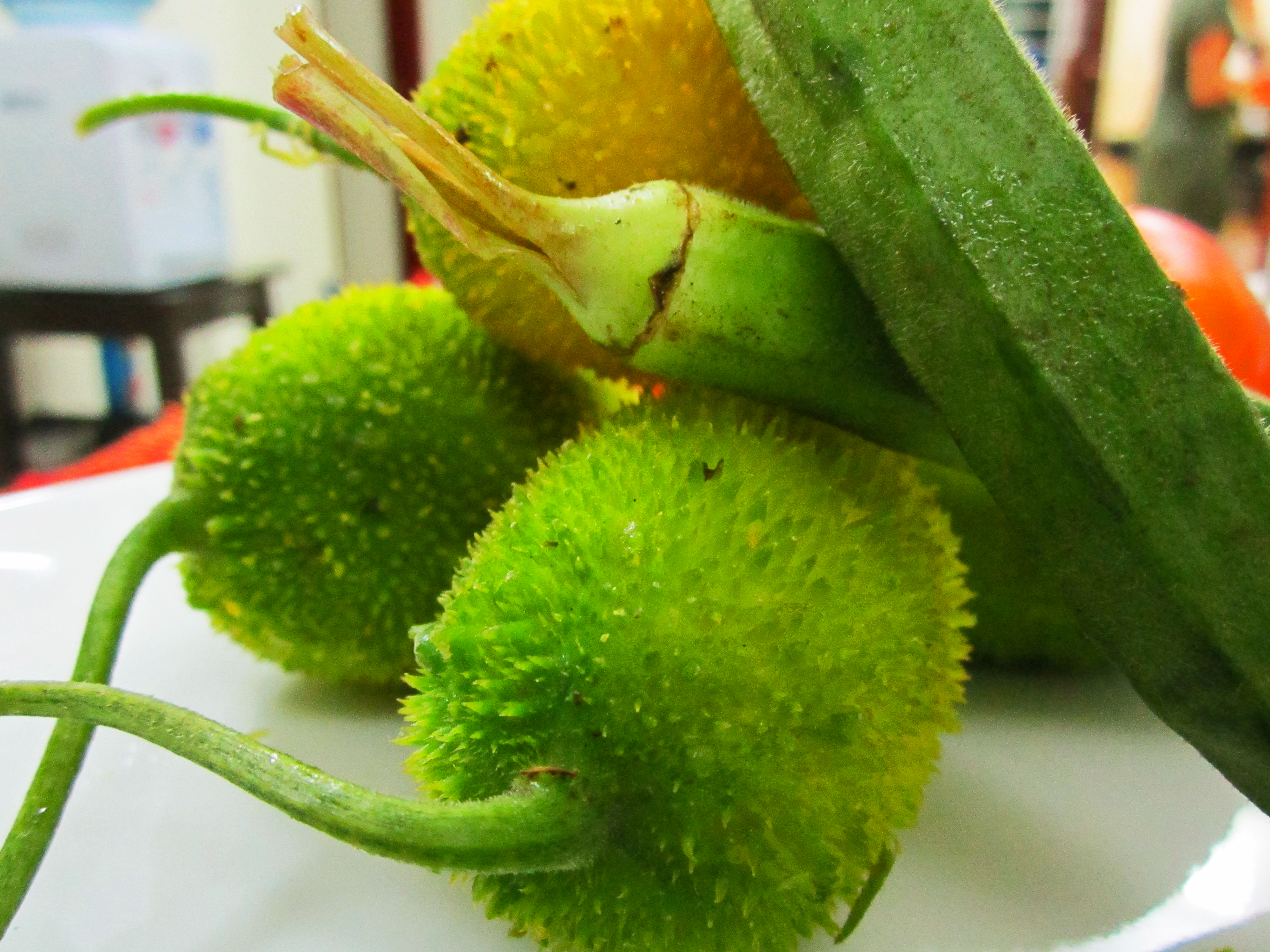


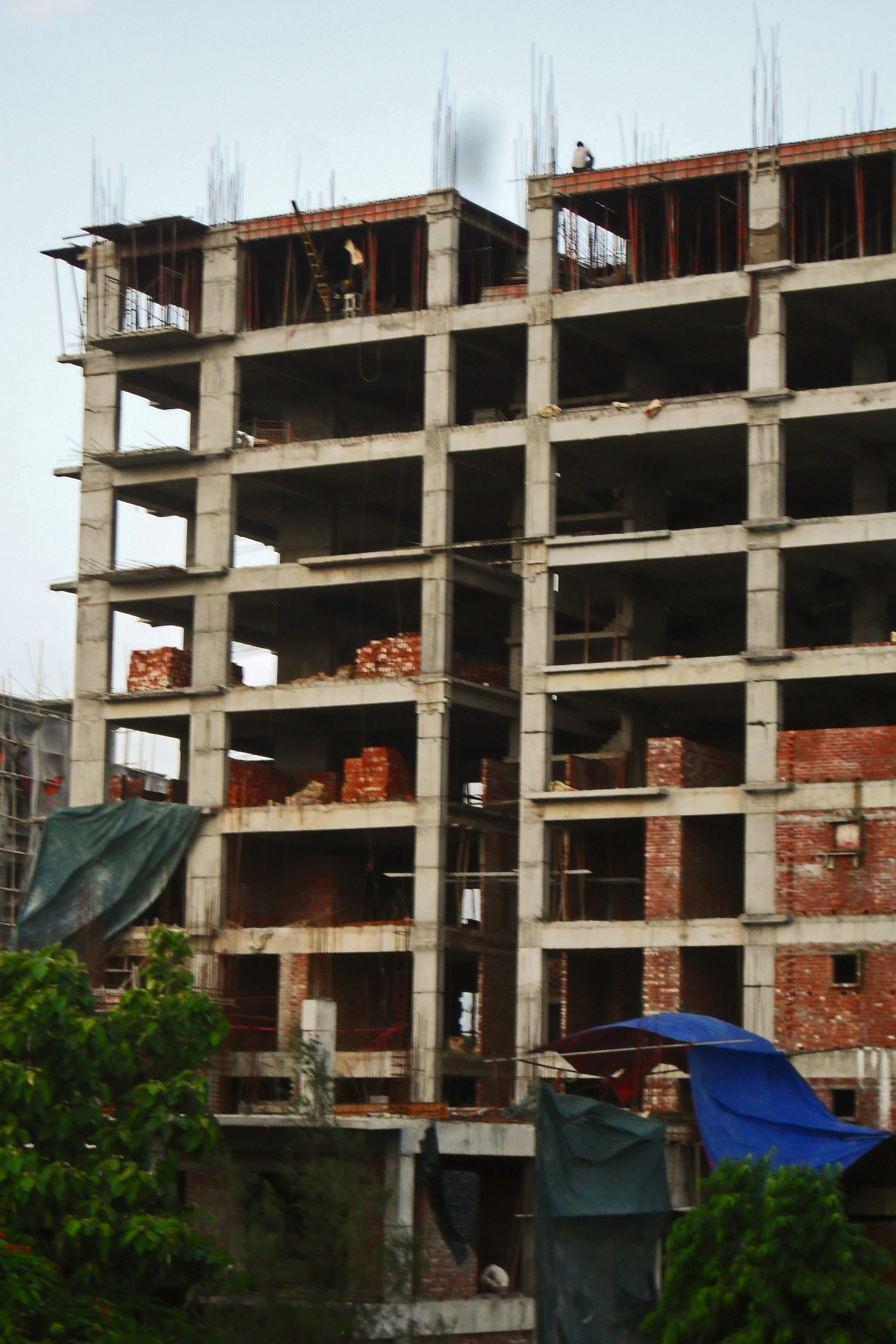



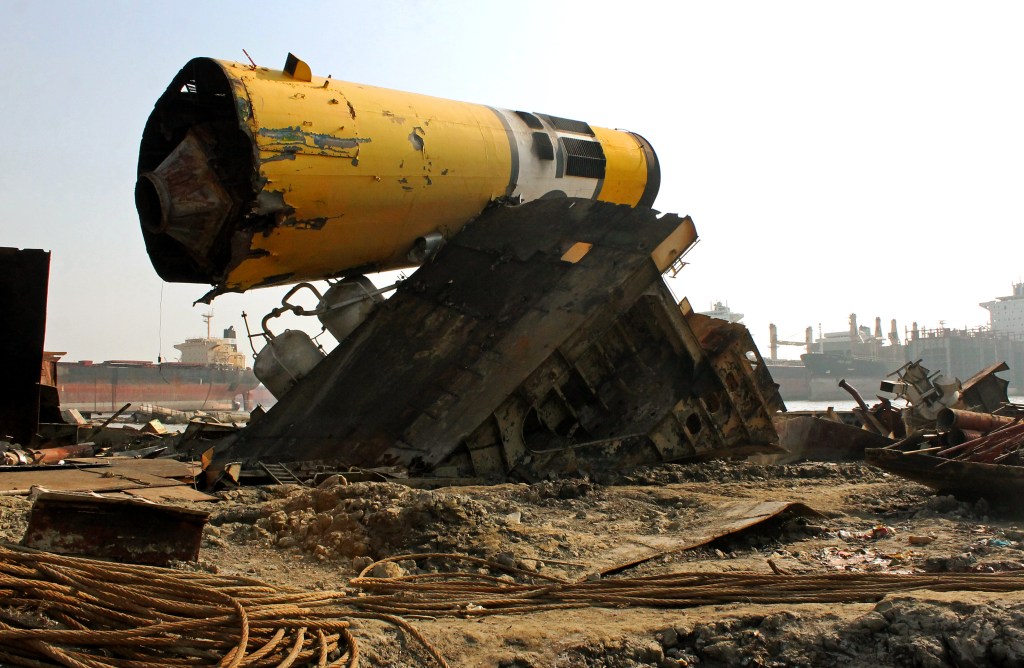

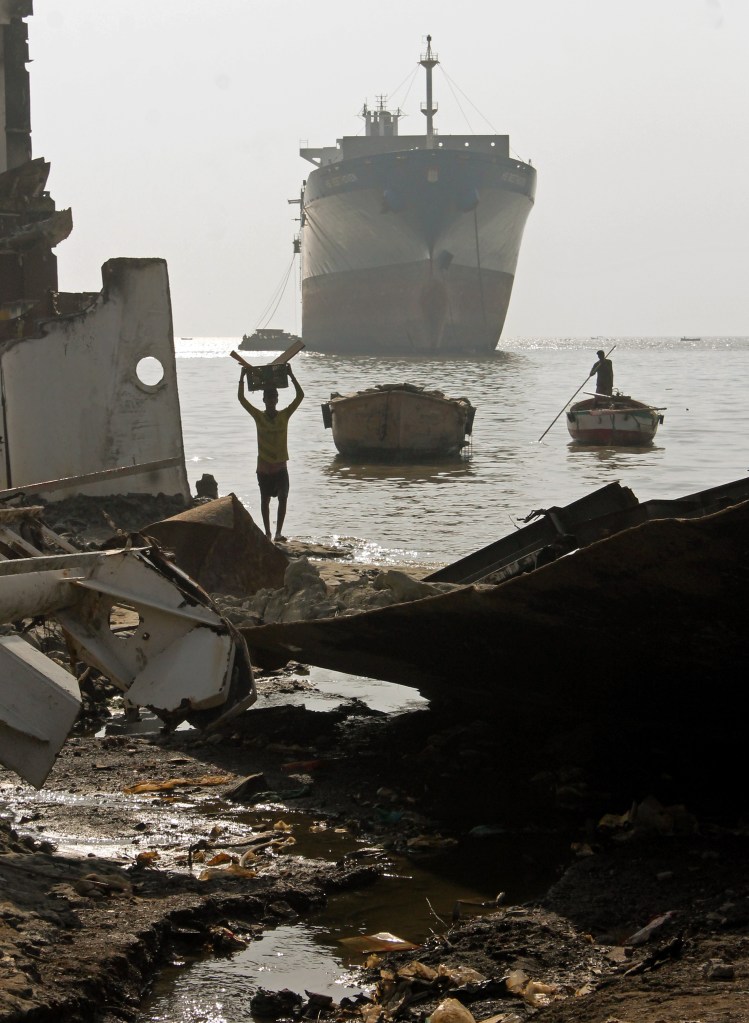
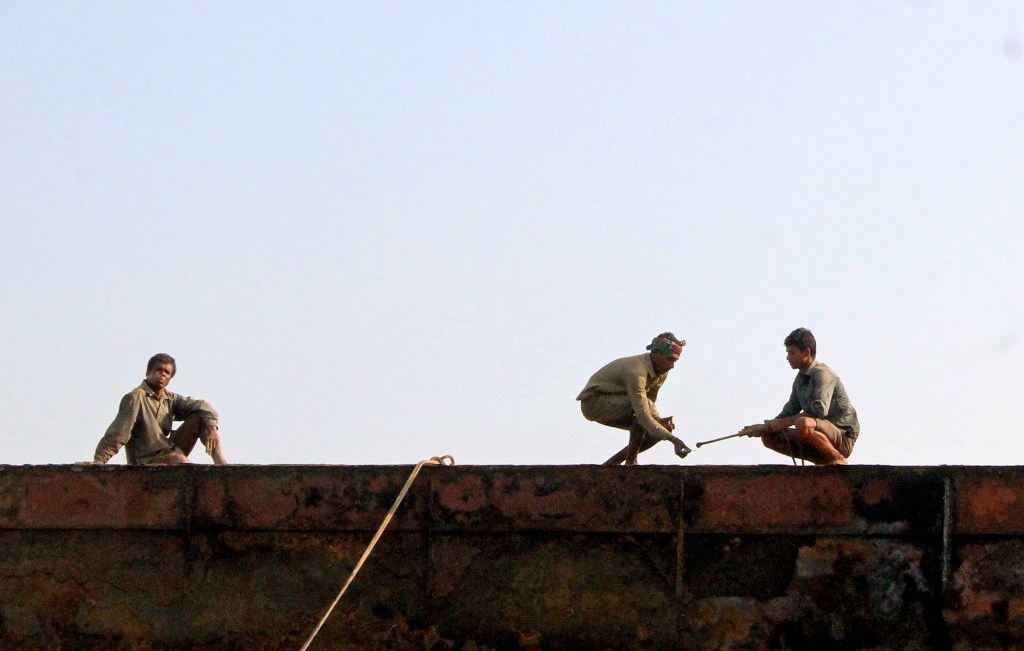
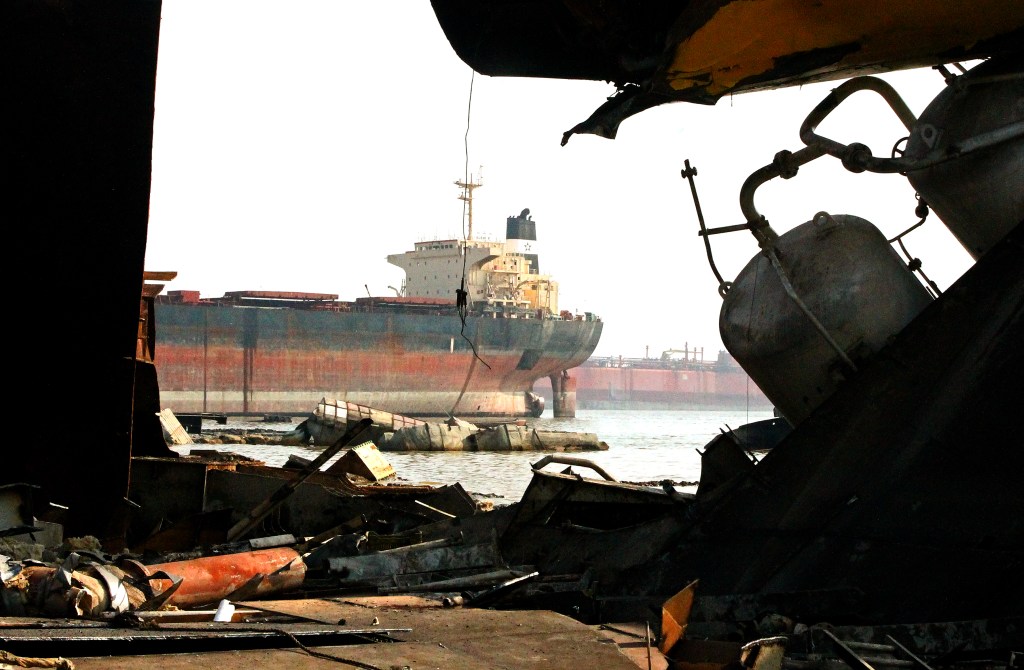


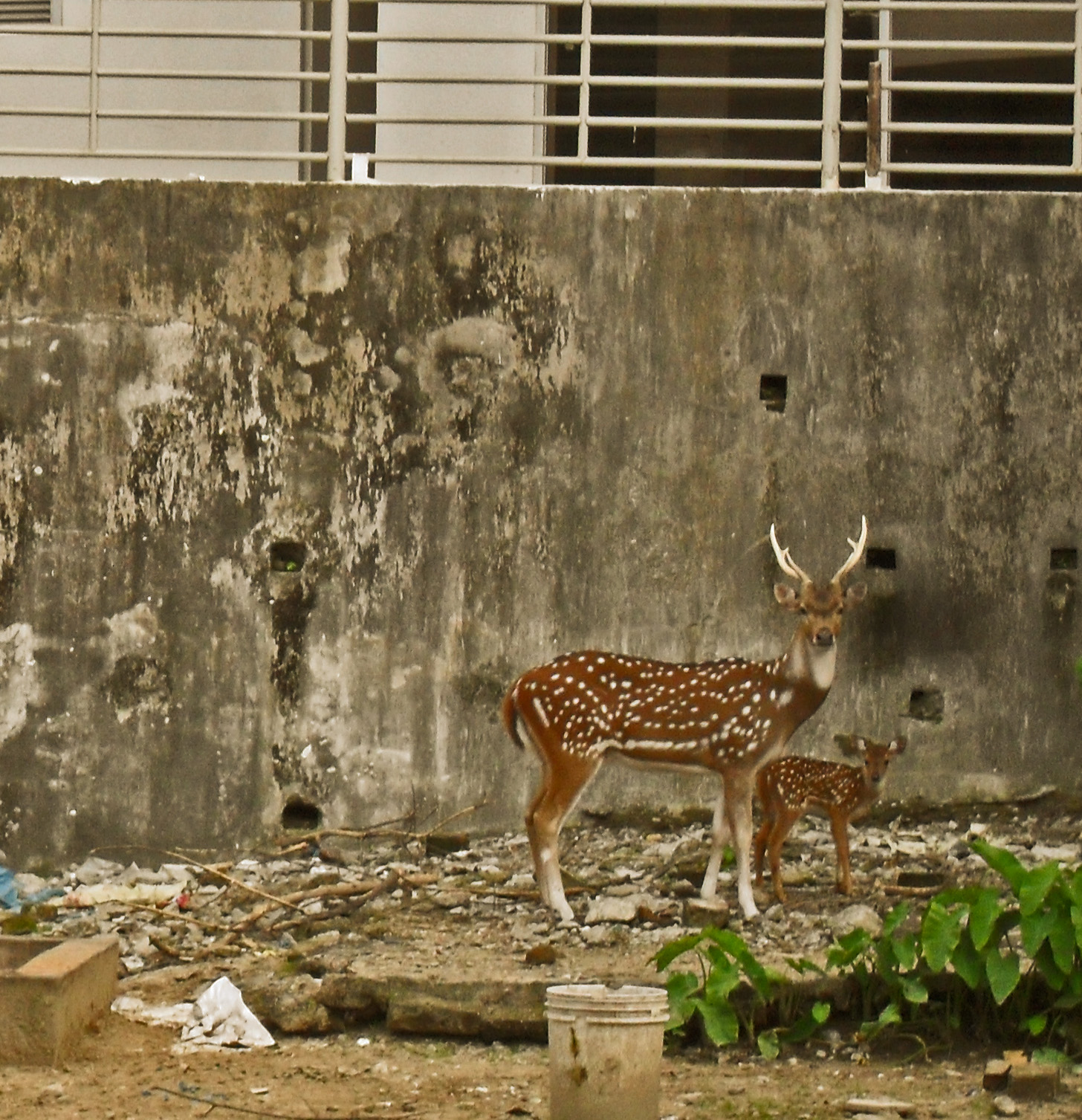

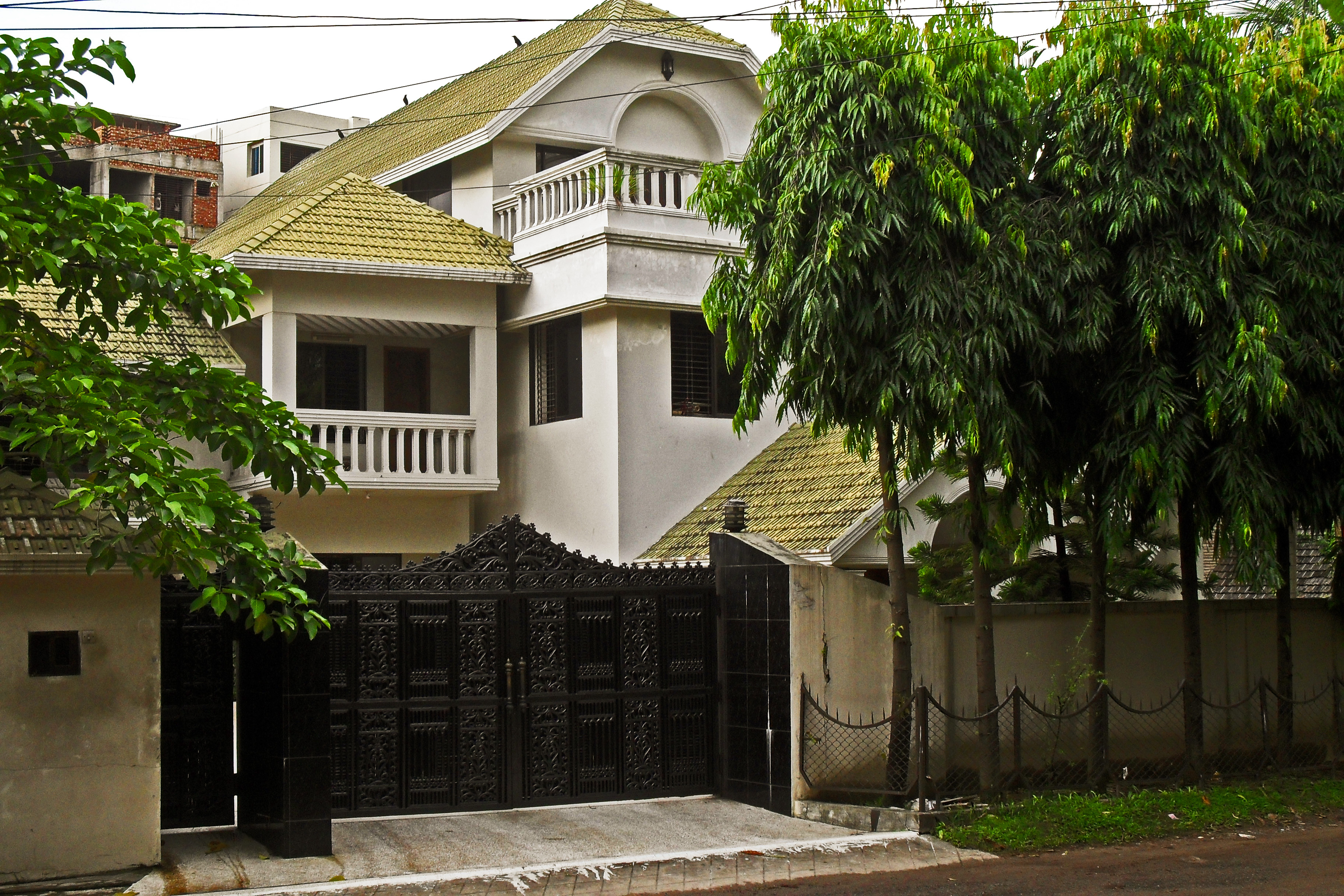
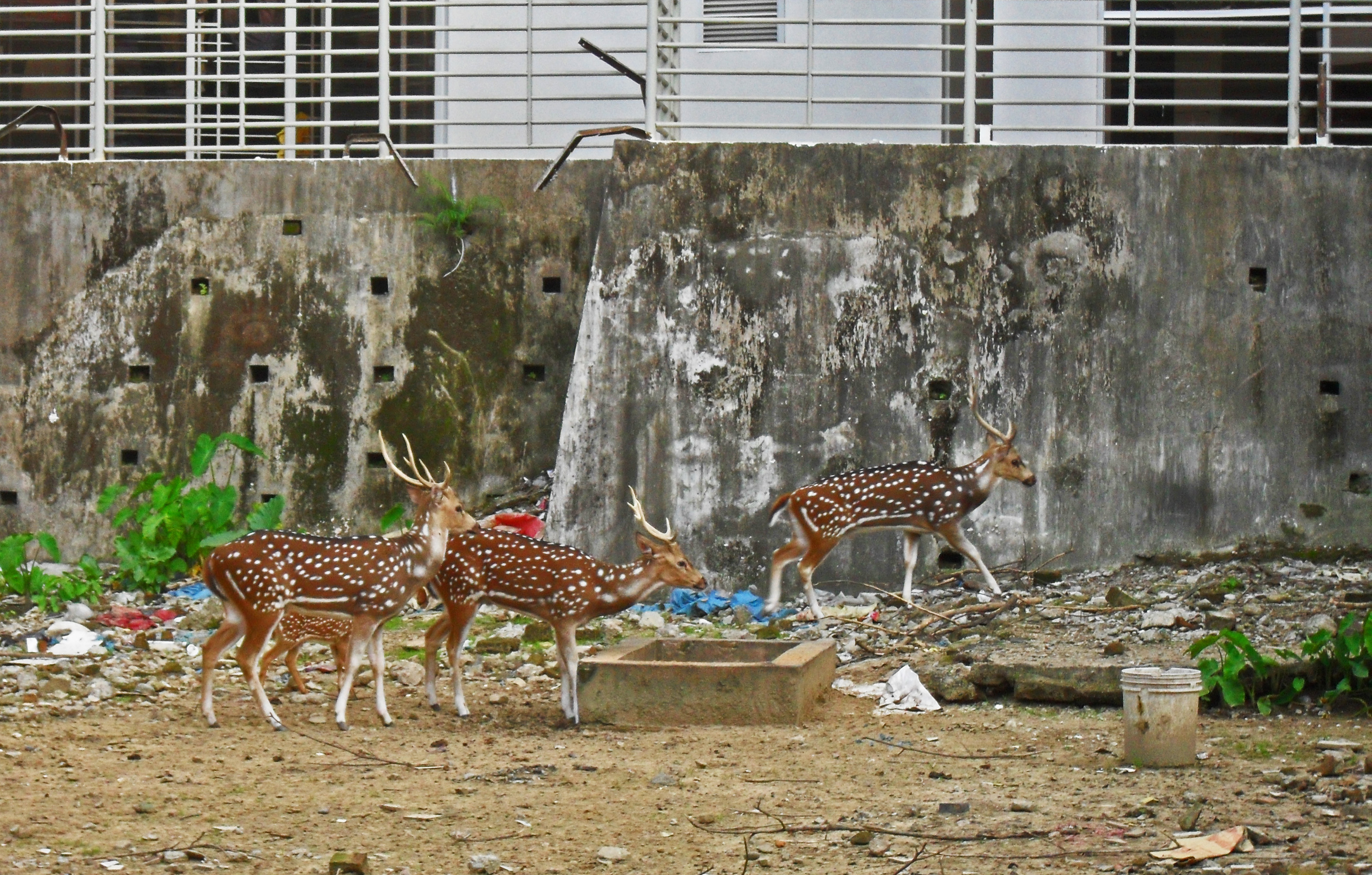


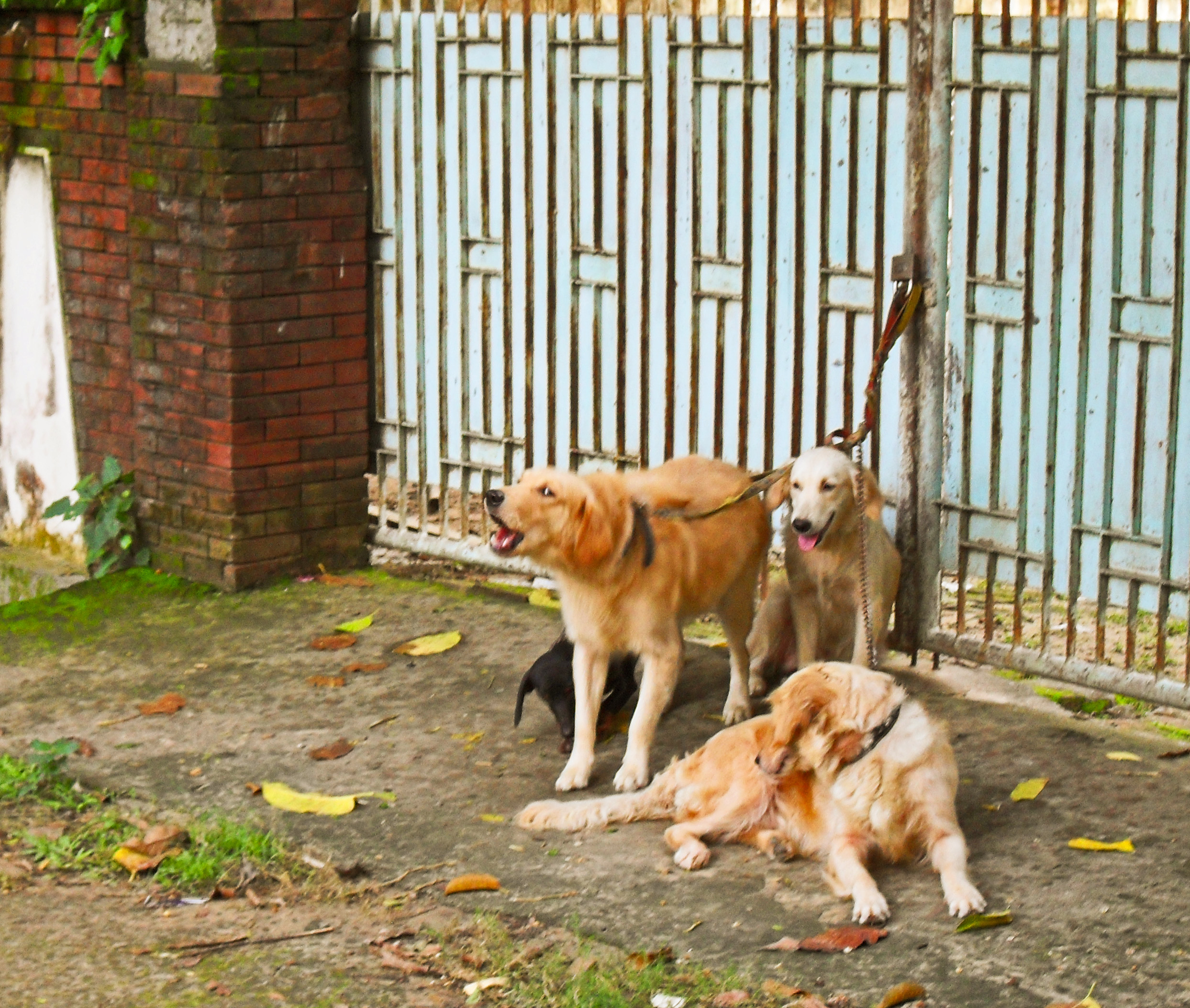


 UNDER ONE SUN