A Quiet Place

I’d like to dedicate this blog entry to my Grandad, Jim O’Connor. He is a proud member of the Burma Star and was a member of the British Navy during the Burma and South East Asia campaign during WWII.


Deep inside the maze of bustling streets and towering apartment blocks there lies a place. A quiet place, tucked almost invisibly away from the deafening sounds of the trucks and the honking traffic which engulf it. You could live in this city for months, years even, and never stumble upon this hidden haven of peace and tranquility. The area of which I write is a notably rare find in Chittagong. This is a city of millions of people and rapid development, and as such any open land is quickly consumed by hungry construction companies.

However, there is one unique plot that’s off the menu. Modest, yet highly significant, this site is bordered by neat hedgerows, and sheltered from the surrounding chaos by trees on all sides. Upon entering the imposing iron gate, visitors’ ears are treated to two incredibly rare sounds, seldom audible in this city. Silence, broken only by occasional birdsong.

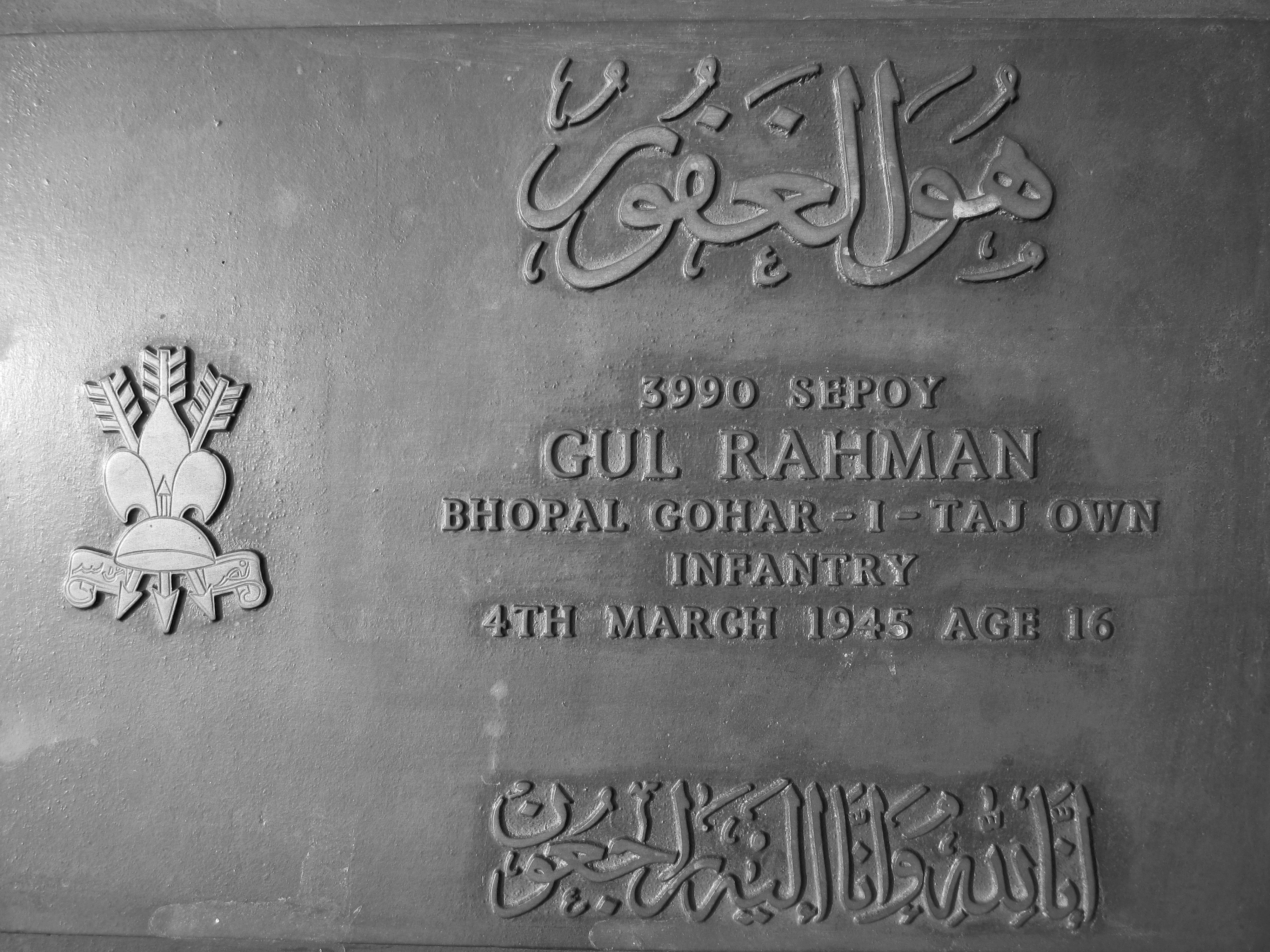
The silence is fitting, as this place is reserved for quiet contemplation and thoughtful appreciation of a time of absolute sacrifice long since passed. Underneath the lush, green lawn, lie the bodies of 755 fallen military personnel.  All victims of the Second World War. The headstones bear a range of religious symbols, and the names engraved in them represent a number of diverse nationalities from Canadians to Nigerians, Indians to Australians, and Brits to Nepalese Ghurkhas. One headstone reads;


GUL RAHMAN – BHOPAL GOHAR-I-TAJ OWN – INFANTRY – 4TH MARCH 1945 – AGE 16.


Chittagong War Cemetery

The youngest soldier in the cemetery

The men buried here were all victims of a fierce campaign to counter the Japanese invasion of South East Asia, which lasted from 1941–1945. At a time when Allied forces were severely preoccupied by Hitler’s expanding campaign in Europe, Japan recognized the opportunity to gain control in the region of South and South East Asia. Having already taken Hong Kong, Singapore, Malaysia, and the Philippines, by 1941 the Japanese army moved into Burma and were advancing on North East India, which now refers to parts of Bangladesh.


Dorcas Lawani - West Africa

A prolonged and arduous campaign ensued. Gradually though the Allied Forces imposed themselves in the region, and a Japanese retreat eventually led to full surrender in August 1945. However, not before thousands of lives had been lost on both sides. Many troops were killed directly in combat, but the ravages of disease brought about by the incredibly harsh conditions of the jungles of Burma also claimed a significant number of combatants.

Shortly before I left for Bangladesh in March 2011, I remember my Grandad vividly recalling the intense, suffocating heat he and his comrades faced on the ships docked in the Bay of Bengal. Spared not a moment’s peace from the ravenous mosquitoes, their skin was forever blighted by the discomfort of bites and prickly heat. He never actually set foot in Chittagong itself, but spent a lot of time staring in its direction from afar. It was a poignant moment as I wandered around the graveyard reading the names of men who, unlike my Grandad, never made it home again from this region.


A final resting place

img_1821

The graves are tended to by a team of local gardeners who keep the grass trimmed and watered, and the plants strong and healthy. Not a particularly straightforward task as the unrelenting heat of the Bangladesh sun beats down, and the rains disappear during the dry season.  However, they make the best of it and succeed in keeping the site in pristine condition and a genuinely peaceful and reflective place to be. Quite an achievement. One that would likely impress most residents of this vibrant, yet often claustrophobic maze of concrete we call Chittagong.
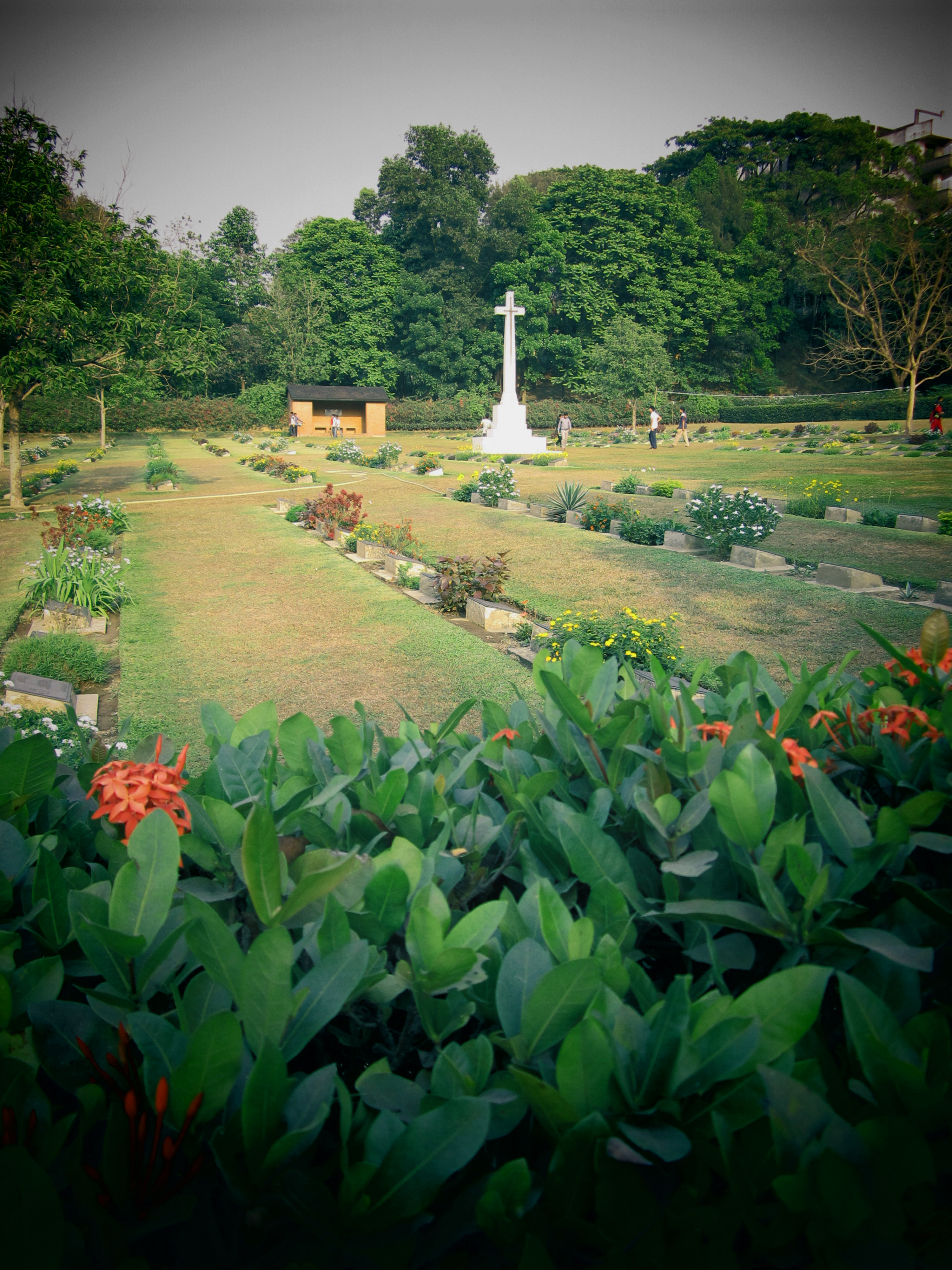
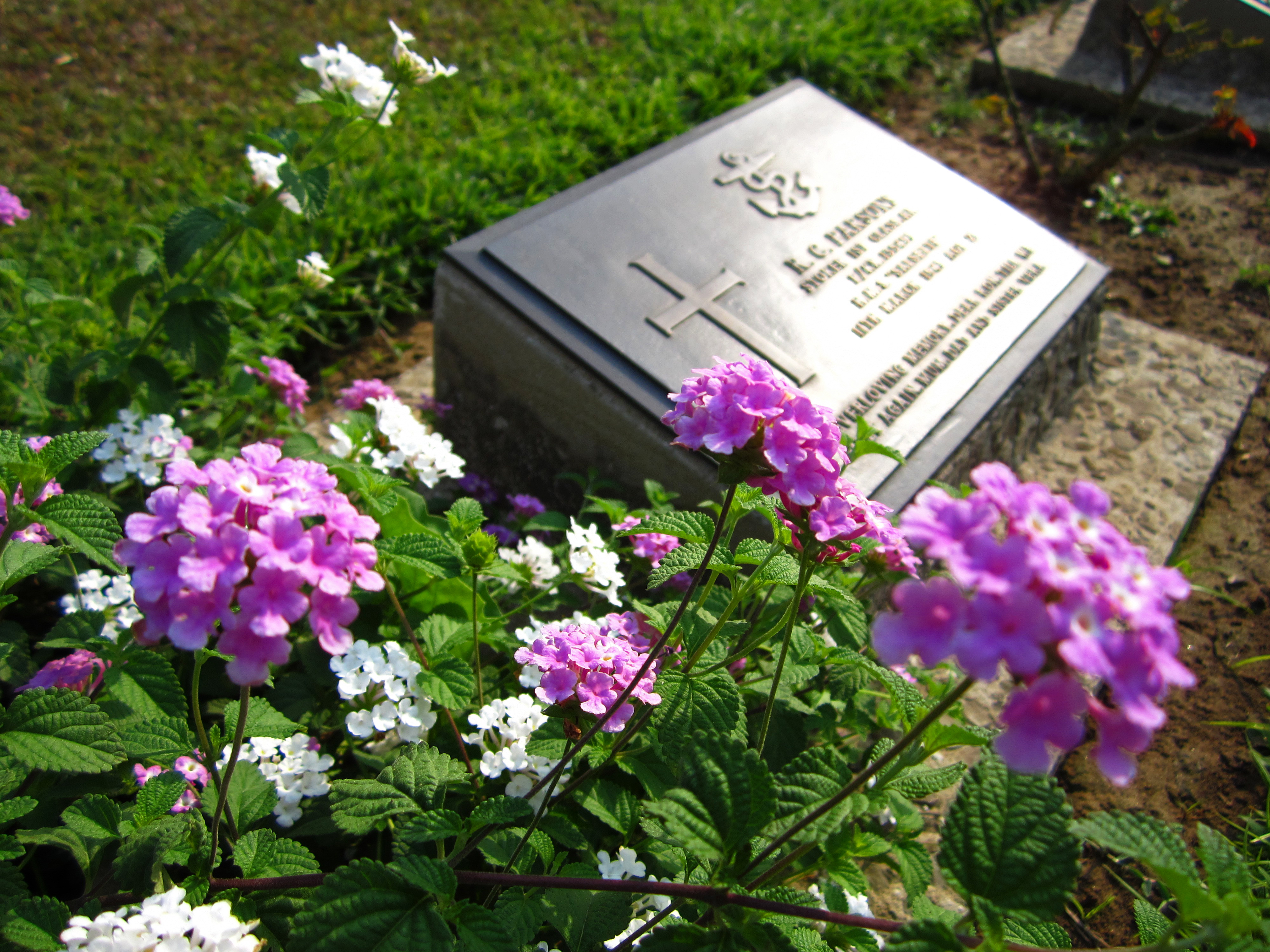
The greenest place in Chittagong?

Graves are meticulously cared for

A brief biography of each fallen soldier is available to view. I decided to read about some of the men buried in the British section of the cemetery.  I don’t know if it was pure coincidence, or perfect fate, but the very first name I decided to inspect closely was one W.C Smith. Flight Sergeant William Charles Smith, a pilot in the Royal Air Force 99th Squadron, was killed on the 8th October 1943, aged just 21. Son of Tom and Dorothy Smith, his headstone reads,


“Memories will always keep him near, the one we loved and still hold dear.”


I really couldn’t believe my eyes though when I went on to discover that this fallen pilot was from my home town of Torquay, Devon. It was an almost eerie feeling as I stood there gazing at his headstone. It seemed incredibly fitting that this chance discovery had allowed me to pay my respects to someone from my hometown. A person who had made the ultimate sacrifice all those years ago and allowed me the freedom to come to this region all these years later.

We’d both made the journey from Torquay to South Asia, but for very different reasons, and in deeply contrasting circumstances. It compelled me to wonder if any of W.C Smith’s family had ever had the chance to pay their own respects at the final resting place of their loved one.


W.C Smith - Torquay

img_1811

As I left the cemetery that day, my mind was full of thoughts for those men whose names are inscribed in the headstones so neatly arranged, and presented in this small corner of Chittagong. They no doubt had little idea of just how or what they would find upon leaving their homes and setting out on a journey to fight in a war that would eventually claim their lives. Some may have originated from Toronto or Lagos, from Kathmandu or Calcutta, from Sydney or Sunderland.

Yet now, here they all are. Buried in a tiny, concealed plot of land in the depths of a city that has no doubt changed dramatically since the day it became their permanent resting place.  It was a sobering thought, and as I departed through the iron gates, and as the honking of the traffic hit me once again, I knew I’d have to return.


img_1843

All images © John Stanlake

Beautiful Bangladesh – Swinging Devotees and Sunsets


As I haven’t written a new blog for a while I thought I’d add a more succinct photo blog instead. I’m working on a written one at the moment, but it’s not quite ready yet. So, here are some notable images from Bangladesh taken during the past three weeks. I’ve been lucky enough to experience some of Bangladesh’s finest natural beauty during that time.

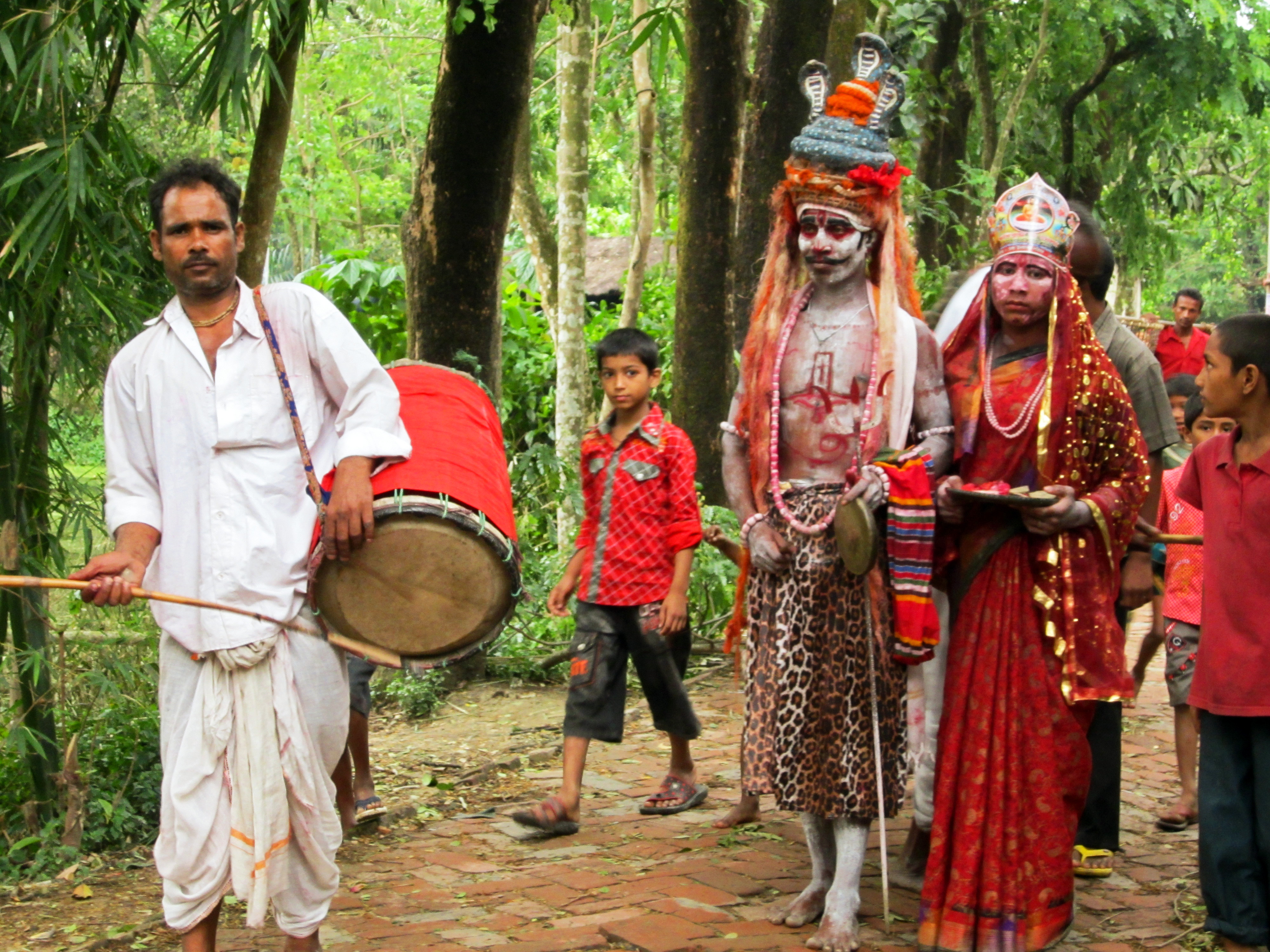
The first few were taken in the village of Koknandi, in Banshkhali district. I attended the Hindu ceremony of Charak Puja. I have no idea how to provide a clear explanation of what happened or why exactly it happened, so I’ll just describe what I saw and noted through my own eyes.

The reason I ended up in this village to experience the festival was due to the fact our Fulbright Fellow and artist in residence, Claudio Cambon,  needed volunteers to accompany some of his photography students. In his recruitment email he provided this blurb:


“Charak Puja, Banshkali, south of Anowara. This is a village fair which culminates in a Hindu devotee getting hooks pierced into his back, hoisted by rope up into the air, and swung around a tall pole 7 times. They may also throw pigeons up at him, which he will try to catch and eat live. Yup, you heard me right the first time.”


So, just to repeat, the general purpose of the trip was to watch a man have hooks placed in his back in order to be swung around a large pole, whilst attempting to catch pigeons and eat them alive. Naturally I was instantly intrigued by the prospects of this day out.

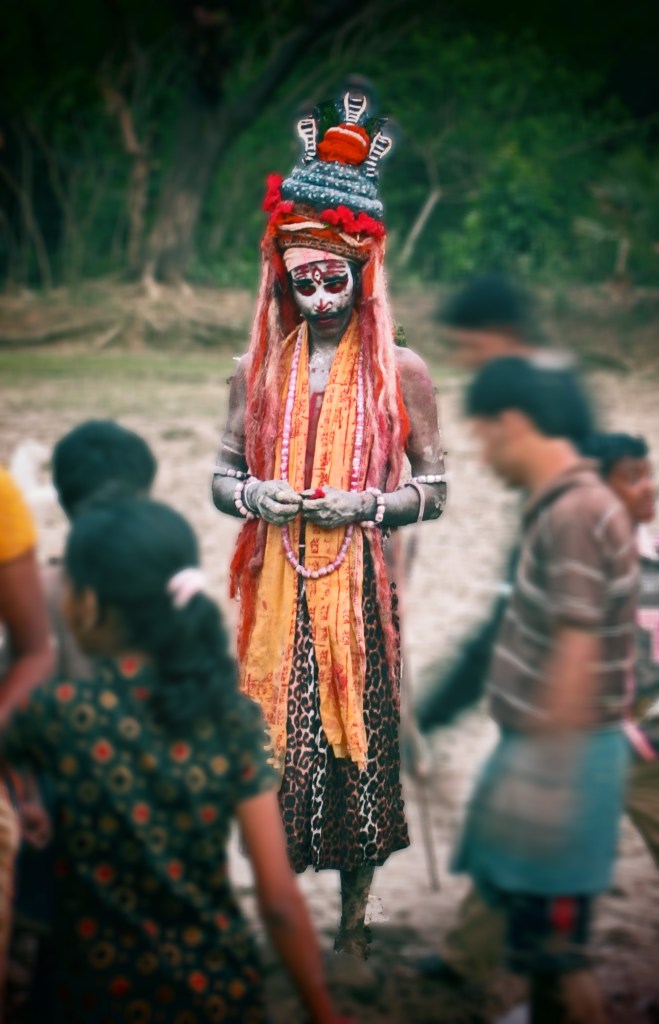
I was also slightly alarmed, but not wanting to pass up this unique cultural experience I replied to his email within about 23 seconds. A few days later we arrived in Kokdandi, and after a timid, but warm welcome from the local people we were passed by these characters…


The excitement grew, yet anxiety levels also rose. The festival would take place in a few hours, and I was looking forward to events with a certain degree of trepidation. In the meantime though we were treated to some fine hospitality by our hosts and were free to wander about capturing images of the stunning natural beauty of rural Bangladesh and its people.


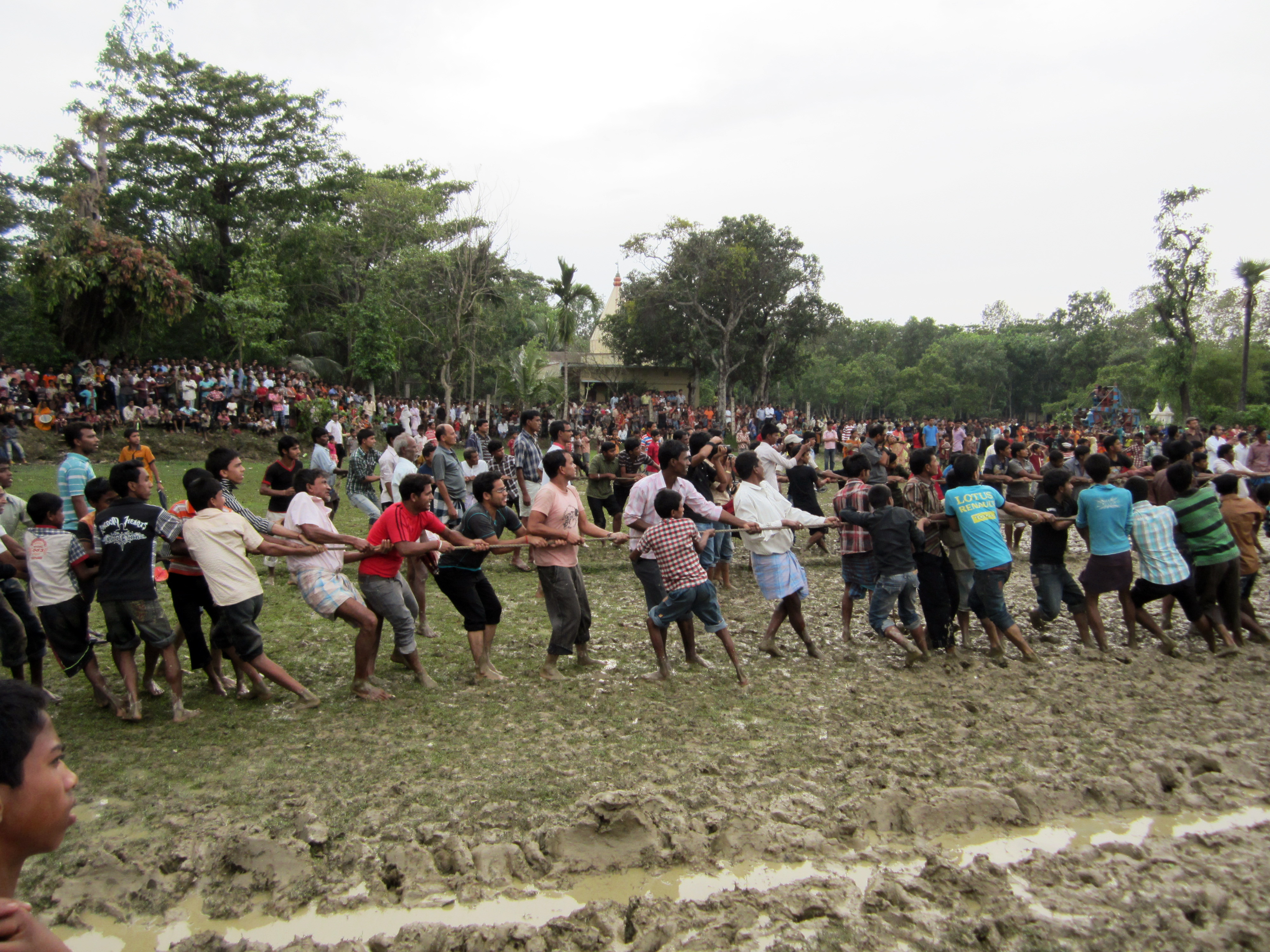
Eventually the moment came to swing the devotee around the pole. Raising the pole was not a straightforward task however, and it took the strength of around fifty men. Their job was made no easier by the thick mud that had engulfed the whole area after the recent reappearance of the trademark monsoon rains that hit Bangladesh each year. Once the pole was erected and secured in the sludge, the devotee reappeared to a rapturous reception. By this stage the crowd had swelled, and it seemed the whole village had come to witness the annual event.


The actual climax of the whole day happened very quickly. All of a sudden the devotee was airborne and there was quite a commotion as the crowd whooped, chanted, let out mild screams, and clapped sporadically. Carefully placed men launched pigeons high into the air, which added to the mystical spectacle before us. Fortunately our devotee was spinning too rapidly to have any chance of grasping any of the birds, so none were harmed.


It also became apparent afterwards that the man had not in fact been hooked during the process. We later found out that it’s an old tradition, and in recent years has been replaced by more conventional methods…in this village at least.

As I said before, I don’t possess the knowledge to explain why exactly any of this happened. However, it was a sight to behold and an authentically fascinating experience characterized by genuine warmth from our gracious hosts, who demonstrated a strong desire to ensure we were made to feel part of the experience.  I took these final two photos in the aftermath of the spectacle, once some of the crowd had dispersed, and in my opinion this second image alone made the whole day worth it.


The next weekend was spent in Cox’s Bazar, a coastal town in the south of Bangladesh. It boasts the longest natural sea beach in the world and hopefully as the following photos will demonstrate, it’s a perfect location to catch a stunning South Asian sunset.


Finally, after a host of images away from the urban bustle of Chittagong, here’s a view over the city by night.


All photos © John Stanlake

Rasputin, Karl Marx, Ben Fogle – It’s a bad day for beards….


So I had planned to tackle a serious subject in this blog update, but due to events which transpired in a classroom at AUW this week I’ve decided there are far more pressing issues to be discussed. When I say issues, I do in fact actually mean just one single issue. My beard.

You may have seen it. It’s in photos, and it’s reached a length which now makes it fairly noticeable to all. I’ve been wrestling with this for a while. To shave or not to shave? This is the conundrum that currently keeps John Stanlake awake at night, and it’s a conundrum which reached the classroom this week as a fellow teacher put it to her students in a writing task. Their prompt was ‘Should Mr John keep his beard or not?’

It’s essentially the end of term here, so this is not a usual assignment. Anyway, the students were very forthcoming with their opinions. I’d like to share some (the best) with you….

I’ve separated this into two sections – pro-beard (Fogle lovers) and anti-beard (Fogle haters)….Let’s start with the anti-beard brigade;

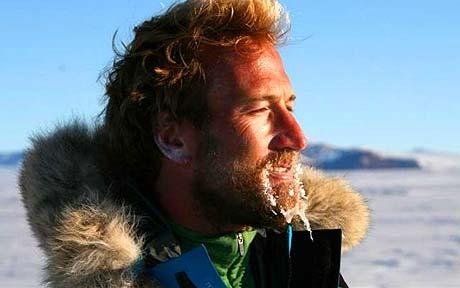
Fogle

Sir Ben of Fogleshire

(Please note: These are all direct quotes)


Fogle Haters

‘I think Mr Jhon shouldn’t keep his beard. When he keeps beard, he looks more older than his age. It is also hard for him to wash his face cleanly. Even though he washed his face because of beard some dirt may stay in his beard. Because of beard when he eats anything food may be stick to his beard. As like food, the environment dust also sticks to his beard and may make him unhealthy.’

An obvious beard hater. However, her concern for my health and wellbeing is commendable.

‘As his beard is not black in colour it does not look good to me. Rather it makes him look foolish. His beard is not compatible with his face.’

Honest and to the point – Clearly not a future politician.

‘His beard is yellow, so it is not like so much good than black beard looks’.

Valid point. In fairness though it’s hard to judge me here as you don’t see many blond-haired Bangladeshis.

This next student has several convincing arguments in defence of her anti-beard stance;

  1. ‘You will forget how to shave which might cause you problems later’.  It’s more concerning that she appears to think her teacher will forget how to perform such a simple task as shaving so quickly!
  2. ‘You might get lice on your beard due to AUW’s water.’  This is highly alarming. Is it possible to have lice-ridden facial hair?? If yes, that may clinch the decision to shave.
  3. ‘It makes your face filled with two colour which looks funny. Like, your whole face is white but your beard is part brown.’  I’d argue that it would look even funnier/weirder if I had a skin-coloured beard surely??
  4. ‘It will save you precious time because you don’t have to comb it frequently.’  There is that I guess. However, I’m  fond of my beard comb. It would be useless and redundant without a beard to comb.
  5. ‘It will save water if you don’t have to clean it frequently.’  I’d probably still wash my face though. Beard or no beard.

All points are valid and have been noted.

‘I first met him during history class. He looked good; wearing shirt and jeans (which suits his face without beard). A face with beard looks untidy and it somehow gives a gesture of laziness, since beard is raised by old people.’

Hmmm…In many ways she’s hit the nail on the head. The whole reason for the beard in the first place was due to a lack of motivation to shave over the summer holiday.

‘I think Mr John looks good when he keeps short beard. Neither totally shaved nor long like that a saint does. Since neatly shaved look in men makes him chocolaty, Mr John should try out professional look.’

Has anyone ever seen a Saint with a chocolaty beard?

This was one of my favourite responses. Simply entitled ‘Beard’ this student is fantastically honest….

‘Dear Sir – you looked better at the beginning of the semester. Do you know the reason behind it? Yes, of course, it’s because you hadn’t had bunch of beard then. I don’t mean to say that you look unattractive now, but there is nothing to praise. I agree being a man you would want some beard to look manly or something like that but I don’t understand the reason behind letting them grow more and more. Maybe you are planning to become a ‘Babaji*,’ but I think it’s not a good idea. I don’t even want to imagine you like that…disgusting! I wonder if after the winter break you will come with your long hair as well. OMG*!! You look good the way you used to be with small beard rather than that jungle in your face.’

*Babaji – I believe this is some kind of religious figure who sports long hair and a long beard, but I may be wrong.

* OMG = Oh My God

Another classic, this possibly surpasses the previous verdict. This student begins with some nice comments about me as a teacher, but then follows it directly with;

‘But every good thing has some error attached to it. In Mr John’s case, it’s his beard. I would strongly encourage him to shave it off as soon as possible. I have some valid reasons for it,

  • The beard he has is hiding his face and making it look unpolished.
  • When I see his face I think he carries a burden on his face. I feel very sorry for him when I see him carrying such a burden.
  • Last, but not least, his voice. Because of so much pressure on his face Mr John can’t talk clearly which makes a problem for us – his students. To let out his bold voice without any barricade he should get rid of his beard.

Finally, I really enjoyed taking part in this noble cause. I feel extremely fortunate that my efficiency is considered valuable in this serious global issue.’

Does a beard hinder speech? Is my beard hiding a burden? Should I be polishing my face? All good questions.

‘Your beard is like a forest and is the same as ancient man’

 This student offers some useful advice;

First of all he looks more young without beard whereas having beard shows him much older than he is. It is not only about personal appearance but also affects his students. Students like their teacher to look nice. When he comes to class with shaved beard, most probably everyone would tell him ‘You look nice Sir!’ and the positive sentence would have great affect on the class and make it nice. But when he comes to class without shaving students would not even listen to him! Also in today’s world the one with beard would seem more barbaric.’

 So I’m a boring barbarian that no one listens to. Good to know.

However – It’s not all doom and gloom. Most of the facial hair naysayers end with a remark of positivity, encouragement and most importantly, advice. For example;

‘Sorry Sir, if I did hurt you. I just gave you my opinion. It’s your beard, it’s your life, you are most welcome to experiment with it, but do be careful of your looks as well.’

Noted.

So, now for the less vociferous pro-beard brigade;


Fogle Lovers

‘I personally feel that your beard makes your personality more notable. Your face itself suggests to keep a beard.’

And that’s it. It’s hardly conclusive, but it’s a nugget of hope in an otherwise damning verdict of my facial hair policy.

I’d also just like to share one more quote from a student. We clearly have a future diplomat on our hands;

‘I believe that if Mr John keeps his beard or not is not important. The way people evaluate a person isn’t dependent completely on an appearance. Moreover, he doesn’t change his character if he shaves his beard. If shaving makes him change positively, he should do. But if it does not affect anyone and anything, don’t do it. Let him be himself. Finally, shaving is Mr John’s choice. Don’t ask us!’

Amen sister! These words will resonate with me as I walk off into the sunset whistling ‘Born Free’. Now, you may be thinking that in light of all this staunch beard negativity I’m going to head straight to the barbers. Well, you’d be wrong. I value the opinions of my students of course, however, a few weeks back I received all the positive endorsement needed to convince me to keep the beard for a good while yet. Ironically it was in fact at the barbers as I was having my hair cut at ‘Scissors over Comb’.

One of the barbers, who was cutting the hair of the man in the chair next to me, looked at me. He stared for a while and then rubbed his own beard (which was impressive in terms of both its volume and shape), pointed to mine, and then nodded his head in an obvious sign of approval. I’d doubted the beard up to this point, but this one man’s single nod of the head changed all that! For now, the beard stays.

Me