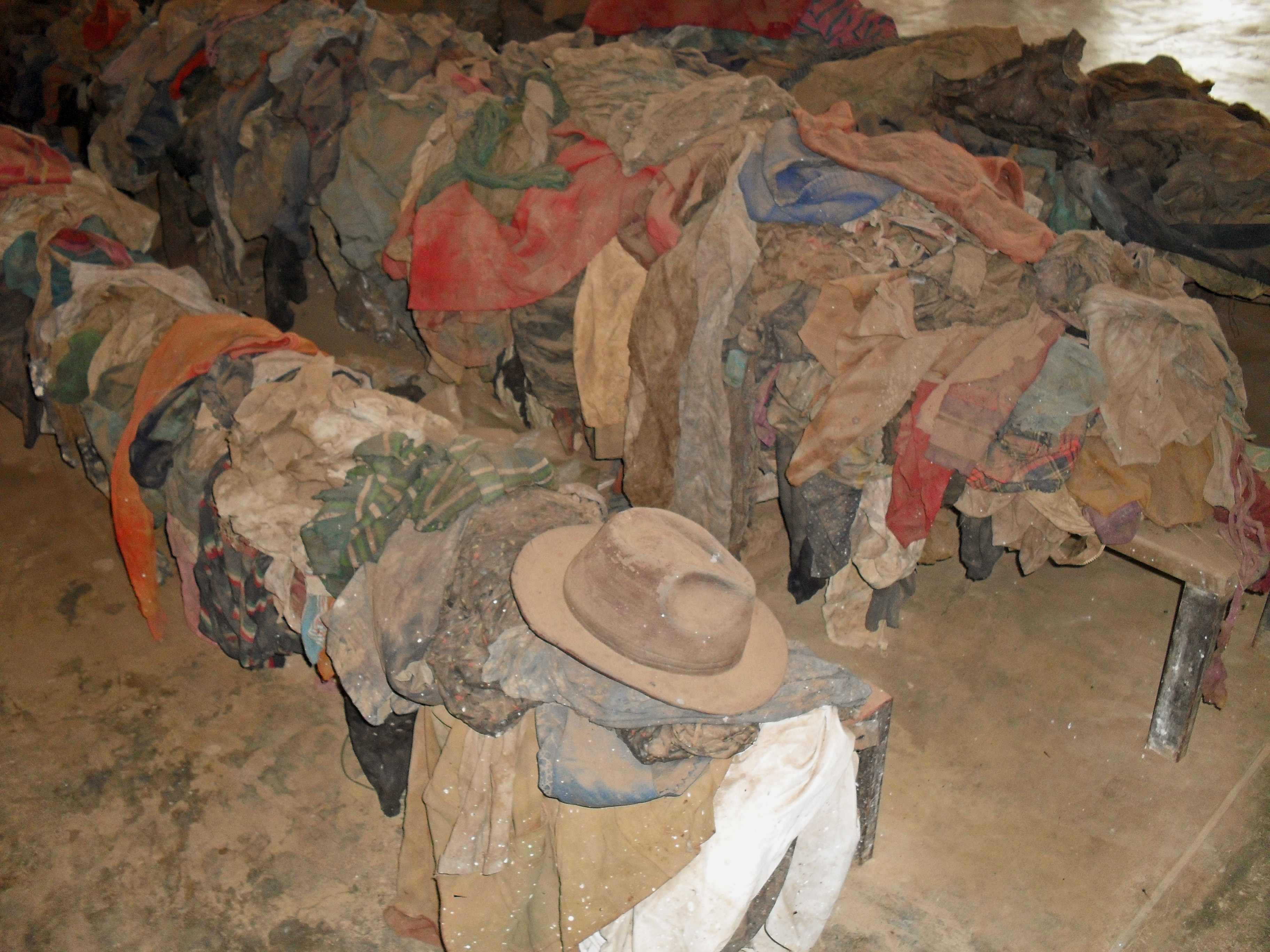
The Frozen Furnace: Life as a Bangladeshi UN Peacekeeper – Part II


I’d like to take you back one year if I may. In February 2012 I took on the task of putting into writing the fascinating experiences of Retired Major Ezaz Afzal’s time as a Bangladeshi UN Peacekeeper in Rwanda, a country that at the time (1994) was practically staring into the abyss. Here is that blog for anyone who missed it the first time around.

An Eyewitness to Genocide: Life as a Bangladeshi UN Peacekeeper
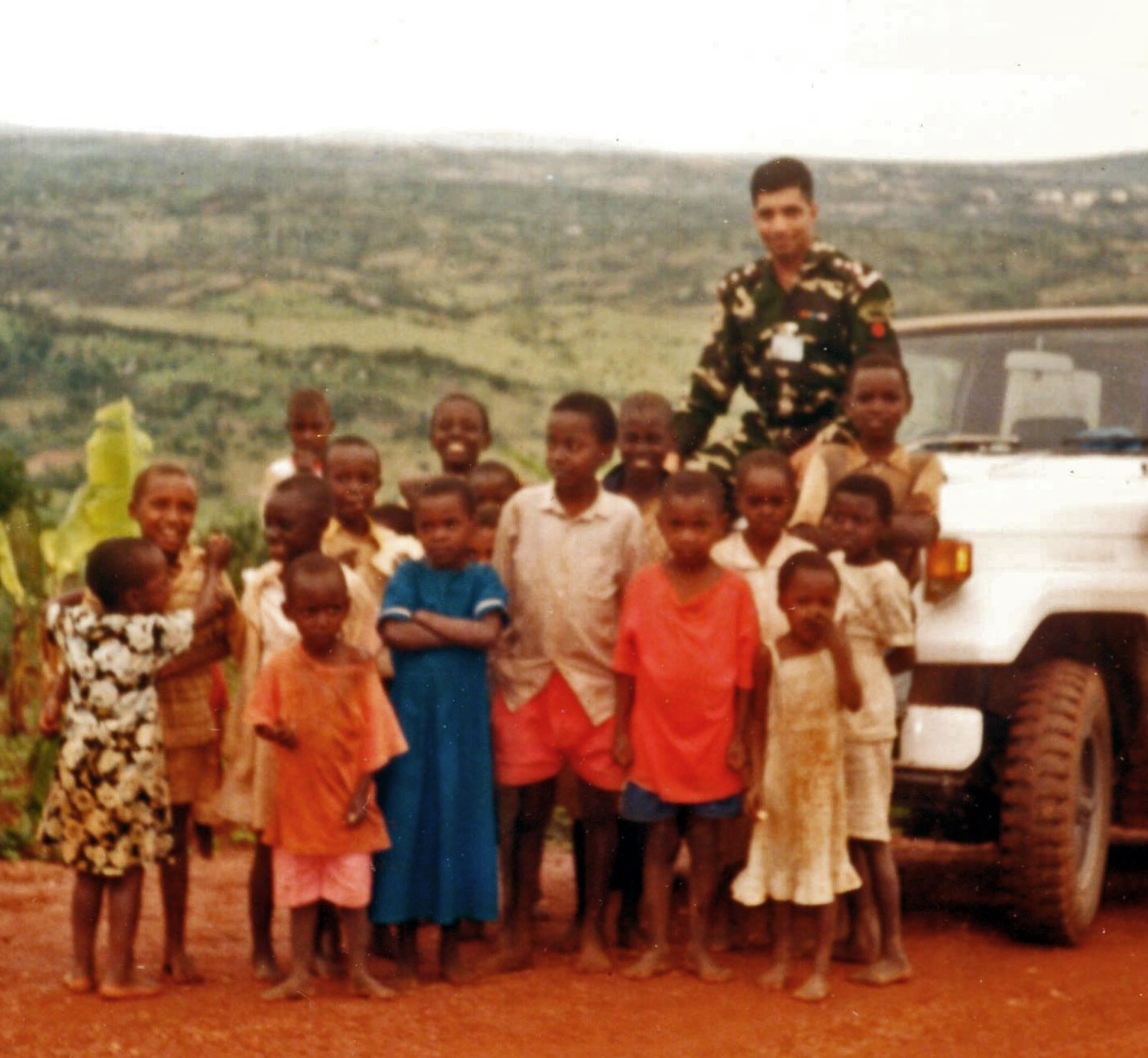

In Rwanda - shortly before the start of the genocide

Having spent a year in Rwanda myself, speaking to Major Ezaz was all the more significant, and a few weeks after our first meeting he very kindly allowed me to take up some more of his time to discuss his second UN mission. He swapped a tiny, war-torn country in East Africa for a bitterly divided corner of Eastern Europe, and as our discussion commenced his first words were telling;


“To tell you the truth I felt like I was taken from a hot frying pan and placed directly into the fire.”

Retd. Maj. Ezaz Afzal

He now found himself in Bosnia and part of yet another controversial UN peacekeeping mission. The recording of our meeting has been sat idly on my laptop for almost a year now, so I thought it would be fitting, twelve months on from my first blog about Major Ezaz, to produce the long overdue second installment.

It’s a trickier task this time as my knowledge of the war in the former Yugoslavia is not nearly as in depth as my knowledge of the Rwandan genocide. However, my willing interviewee once again offered a fascinating insight into his experiences, and that’s what I’d like to present.

Major Ezaz was deployed to Bosnia in July 1994, merely two months after returning to Bangladesh from Rwanda (via Kenya). I was somewhat shocked to discover he experienced such a swift transition between missions, particularly given the nature of the conflict he not only left behind in Africa, but the one he was about to enter.

He didn’t head to Bosnia directly, or alone though. The regiment was composed of fellow Bangladeshi soldiers, many of whom had served together in Rwanda and who now became members of UNPROFOR (The UN Protection Force) in the Balkans. Their voyage from South East Asia took a slight detour due to a month of cold weather training and acclimatization in Germany and Slovakia, which would prove crucial.

This was followed by an overland journey all the way from Hungary to Zagreb (Croatia) and finally into Bosnia. According to Major Ezaz this was a wonderful experience as they witnessed some beautiful European sights en route. I imagine that is one of the positive aspects of being a peacekeeper, the opportunity to visit and pass through places you may not normally find yourself.


The final destination for the Major and his men was Bihać, a small city in the very north west of Bosnia, which sits almost right on the border with Croatia. Crucially the city itself had been designated a ‘UN Safe Area’ and thus a humanitarian corridor. In effect it should therefore have been a demilitarized zone, protected from outside attacks.

However, if I tell you that Srebrenica was also one of the six UN ‘safe areas’ during the conflict, this will no doubt provide you with some indication of their success. In July 1995 over 8,000 Bosnian Muslim men and boys were massacred in Srebrenica by Serbian soldiers and paramilitary groups, led of course by Ratko Mladić. Dutch UN peacekeepers were present in the town at the time. It was essentially genocide. Far from ‘safe’.


By the time the Bangladeshi regiment had arrived in Bihać in the middle of 1994, the city and its residents (mainly Bosnian Muslims) had already been under siege for two years, completely surrounded by a joint force of Croatian Serbs and Bosnian Serbs. I asked Major Ezaz what he expected from the mission as he arrived in Bosnia. His response was suitably to the point; “In the army we don’t expect, we just hear the orders. The worst expectation is death.”

The mandate for the UN mission was frustratingly similar to the one encountered in Rwanda. In most cases there was no authorization for direct engagement, aside from a fire when fired upon policy. Yet, in the Major’s eyes this became frustratingly vague and once again, as had been the case in Rwanda, it often left UN troops feeling powerless and forlorn.

He exclaimed, “We were not weak, however the problem was we began to feel weak once we could not save lives.” He continued by stating that at times he and his troops were left a little bewildered by the whole sorry situation.


“For three months I was asking myself, what is this? Why is this happening?
Why is no one helping? Who are the criminals? Who are the good guys? Who are we?”

Retd. Maj. Ezaz Afzal

It’s a candid and frank revelation, which demonstrates the issues peacekeepers must often grapple with when stepping into a mission. Of course the Balkans is steeped in great history, and is a melting pot for a wide range of cultures. Therefore the exact dynamic of the conflict that engulfed the region is intricate and far from straightforward.

The confusion and blurred definition of identity encountered by Major Ezaz and his comrades was intensified by the often unpredictable nature of threats. As it had been in Rwanda, a very real danger came from the disorganized nature of the fighting. He explained;


“In both Rwanda and Bosnia many ‘fighters’ were not trained soldiers, so there was always the fear of unpredictability, which comes from maniacs and mad people having arms. The paramilitaries are one of the biggest problems – young boys with little maturity, who don’t care who they hit, and where a sense of responsibility is completely missing. Once they have a weapon in their hand they feel they have to fire at something, they are not answerable to anyone.”

Retd. Maj. Ezaz Afzal

Major Ezaz and fellow Bangladeshi soldiers

Whilst explaining that the unpredictability of the violence was similar to Rwanda, the threat posed was intensified in Bosnia due to the weapons and armory at the disposal of the forces they faced. I got the impression the ferocity of the fighting was unlike anything Major Ezaz had faced before.

“In Rwanda it was mainly small arms, where I could duck down and save myself, but in Bosnia it was big shells, and it was too difficult to know where they were coming from. You just hear a whistling sound, but you have no idea where it is coming from. After 4 or 5 days we all came to understand that if you are hearing the shell you are safe…if you don’t hear the sound it means the shell is on you.”

It also became apparent from our conversation that peacekeepers were viewed rather differently in Bosnia than in Rwanda. For the most part in Rwanda peacekeepers were not widely targeted by the opposition forces. Of course it’s important to remember that 10 Belgians were brutally killed by Rwandan Hutu fighters in the initial days of the conflict (as I mentioned in my Rwanda blog), but after this very few peacekeepers were directly targeted.

Yet, in Bosnia the picture was somewhat different according to the Major. “In Rwanda people weren’t generally aiming or firing on peacekeepers, but in Bosnia this was more common.” He told me about the men from the Yugoslav Olympic shooting team who became snipers.

“Killing a man was a game for them. Peacekeepers were well protected with armor, so it was much more difficult to kill them.”

He pointed to his neck to show where snipers aimed their shots. He also heard there was gambling and bets placed on the sniping and killing of UN soldiers. “If someone was successful he might get a case of beer. The peacekeepers were fun for all of them, and they were quite sure nothing would happen.”

This caused me some confusion. The question that immediately entered my head and which I directly posed being; if it was obvious the UN troops were deliberately targeted, why did they not respond in kind, as the mandate permitted? Major Ezaz explained that in his view the UN were too fearful of the risks and implications direct retaliation would bring.

“If WE start engaging THEM it instantly creates an even bigger conflict. However, now it’s just an ‘isolated incident’ and the UN were not ready to fight Yugoslavia, so it was safer not to retaliate to these incidents.”

Clearly this must have been incredibly frustrating for peacekeepers. Major Ezaz recalled one occasion when he and his troops were driven to demanding action.

“One of our own Bangladeshi APCs (Armored Personal Carrier) was hit by a missile. There was no way this was a mistake as it had clearly been a guided missile. One soldier was killed and seven were injured. We were so angry and frustrated that we threatened to defy orders and retaliate. Eventually NATO responded with airstrikes.”

All of the anecdotes provided emphasized what an intricate process it must be for the UN in carrying out a peacekeeping mission. A diplomatic minefield played out in extremely hostile conditions, where split second judgments have the potential to significantly change the fragile state of affairs.


“Into the fire” – that’s how my interviewee alluded to the metaphoric heat of the conflict at the beginning of our discussion, but he was quick to emphasize that one of the toughest parts of the mission was the freezing temperatures his regiment faced in the icy winter months. One of the greatest problems came from trying to administer the successful transit of supplies into Bihać. Being surrounded by Serb forces often meant that all avenues were shut, even to the UN.


“The siege of Bihać left us without supplies for 100 days, and we didn’t have basic food for 42 of those. We lived on MREs (Meals Ready to Eat) during that time. There was a fuel shortage for 3 months and we had to burn everything, including the furniture, and all soldiers huddled in one room to keep warm. We were completely unaccustomed to the freezing -14 degree temperatures, and it really was a very tough time.”


I couldn’t help but wonder, if the regiment had been for example, British, or American, or French, and not Bangladeshi, whether troops would’ve been left so isolated and under-supplied with essential provisions?


I asked the now retired Major to provide the worst memory from his time in Bosnia, and he recalled two, both of which have stuck in his mind ever since. The first was a precarious situation that arose during the transit of supplies at a Croatian Serb checkpoint.

On this particular day the Croats were in an uncooperative mood. In allowing the peacekeepers safe passage, they demanded two guns in return. This was of course out of the question, but in no time at all the situation deteriorated and before anyone could react, the Bangladeshi Commander in charge had been grabbed by the collar, thrown to the ground, and a gun pointed at his head. Major Ezaz described what happened next.

“We had no idea how to react. They were pointing a gun at my colleague’s head and all I could think was what can we do? So I got close to the soldiers and I offered whatever they wanted and pleaded with them not to hurt my colleague. I was practically begging them. In the end we negotiated and offered other items, anything they wanted, anything but guns. After almost two hours of negotiations we gave them a huge amount of cigarettes, special food, and beers.”

It’s remarkable how the power of negotiation can be such a crucial survival tool. I recall Major Ezaz citing its necessity in Rwanda also. I asked how important it is for a peacekeeper and he laughed, exclaiming, “I’m very good at it! I need to get my job done. If I need to beg, I’m ready to beg. If I need to be harsh I’ll be harsh, but my one aim is to get my job done.” Upon meeting Major Ezaz it’s easy to see why he’s a successful negotiator.

The second memory was one I found particularly poignant, tragic, and reflective of how war inevitably claims innocent victims. He was watching a horse one afternoon. It was stood alone in a nearby field, and as he told the story it is clear the image and memory remains extremely vivid in his mind. The scene he described seemed so peaceful, and the tone of his voice dropped and was melancholy as he described what happened next.

“I was just watching the horse, admiring it. It was so beautiful and such a strong animal, full of energy. Suddenly I heard the whistle of an incoming shell and I ducked. After the explosion I stood up and I found there was no horse…it vanished. I walked towards the site and after about fifty yards I found only small pieces of the animal.”

The sadness in his eyes was obvious and symbolic of a conflict that claimed thousands of innocent lives and how peace can be destroyed so abruptly. He summed this up calmly a few moments later when he remarked, “Bosnia is a place of beautiful people…but many beautiful people died.” This story and the manner in which Major Ezaz delivered it was probably the most striking moment of our conversation.

There were some incidents of redemption however, amidst the chaos and heartache of the conflict. Major Ezaz and his colleagues often experienced very positive relations with local civilians. He and his colleagues would buy chocolates from Zagreb and bring them back to Bihać to give to local children. He showed me a video of a group of kids gathered around the entrance to the UN camp and a number of soldiers dishing out the treats.

Sometimes people would bring food for the peacekeepers. He recalled one such moment when a small girl came to the fence around their base and presented him with a piece of bread. She had been sent by her mother who knew the soldiers had been struggling due to the severe shortage of supplies. As Ezaz told this story his face gleamed with a real fondness. He also spoke of the times he was invited for meals in local homes.

From our two conversations I have sensed a sincere feeling of responsibility he clearly felt towards the people he had been sent to help. In both Rwanda and Bosnia it became apparent that he made a real effort to get to know the local people as much as possible and to understand their struggles and their innocence in the war zones he entered.

Through the medium of Facebook he has even been able to reconnect with Bosnian friends he made during his time there. However, one of the most heartbreaking consequences of the conflicts, which became visible to him, was the breakdown of relationships.

“It was so sad – friends became enemies, families were torn apart, people were divorcing because of simple differences. I couldn’t understand why.”


Handing out gifts to local children in Bihac

I concluded by asking Major Ezaz what he considered to be the chief similarity between the situations he encountered in Rwanda and Bosnia. He replied without any hesitation;

“Ignorance. The leaders misled the masses and tricked them into believing they could wipe out a people. They tried to convince the masses they could remove and erase a whole people from society by killing. This is absolutely impossible – you cannot kill every member of one group. There will always be one voice left to stop it.” 

It is of course debatable whether the UN is that voice. On too many occasions their silence as an organisation has spoken volumes. However, I have come to learn from my conversations with Major Ezaz that despite what I may think of the UN as a collective decision-making entity, there is no doubt that it is often represented on the ground by a fearless and committed group of individuals of all nationalities, and it was a privilege to meet and speak with one of these individuals in Chittagong, Bangladesh.

I thanked the peacekeeper turned Director of Security for his time once again and for another fascinating insight into the experiences that come from wearing the famous blue beret of the UN.


Major Ezaz finally left Bosnia in November 1995, after one year and four months. He admitted to feeling a little let down by the mission and has since questioned its motives. In his mind the Bosnian Muslims had been left to fight and save themselves, in what was often an unequal contest. He exclaimed quite frankly,

“The people of Bosnia eventually accepted that Europe was not going to help them.”

In the end Bihać was effectively liberated by the joint effort of Croat and Bosnian Muslim forces in the summer of 1995. Today it is a growing tourist destination due to its location on the River Una, and peace has gradually been restored.


Once again I’d like to express my since thanks and gratitude to Retired Major Ezaz Afzal for taking the time to speak to me and also allowing me to use some of his personal photos. I hope I have done your story justice and represented it accurately.

A Bad Day for Scorpions


Water shortages, cockroaches, malfunctioning plumbing, blackouts, limited medical facilities, occasional unwanted attention from the local community, toilets that don’t always flush, the relief of having a toilet with a seat (and the despair of not!), school meetings which last hours and often result in stalemate or nothing of any note, sporadic bouts of overwhelming homesickness, little outside communication, facebook withdrawal, and infrequent and overcrowded public transport. These are exactly the kind of issues WorldTeach volunteers commonly face in their daily lives. I experienced it, and the visits I made to my volunteers last term proved these are challenges posed to many volunteers worldwide. Of course, most of these challenges are actually quite trivial in the context of the countries WorldTeach places volunteers. Yet every challenge can be considered a terrific learning experience, and for each one there is an equally rewarding encounter.


Not quite as easy as turning on a tap...

Not quite as easy as turning on a tap…


In my role as Field Director I have been able to view the experience of volunteering with WorldTeach from a different angle. For a start I’m no longer a volunteer, which instantly reduces the pressure in some ways, but certainly increases it in others. However, far more importantly I am able to get a sense of the volunteers’ experiences with the additional value of prior insight. I do, to some extent, have an idea of how they may be feeling and how certain challenges may cause more stress than others.

Anyone who followed my updates from Rwanda (seems a while ago now right?) will recall the epic battles fought with the ever present and constantly multiplying and growing ants I cohabited with. I duelled valiantly with them, but there was only ever going to be one winner, hence why I’m now in Guyana and they remain warm and cosy in their underground lair in Rwanda! My point being that if one of my volunteers raises any insect-related fears or concerns, I like to think I’d be able to offer some constructive and reassuring advice, rather than simply screaming (in a high-pitched and panic stricken voice) “RUN FOR THE HILLS….THEY’LL ONLY GET BIGGER!!” Hopefully this applies to additional scenarios besides solely mutant ants.

This was in fact tested a few days ago when two volunteers informed me they had just encountered a scorpion in their house. It scurried across the floor and past their bare feet during the evening. Now, in this scenario I don’t think I offered any actual advice, aside from stressing (like a concerned and slightly irksome, stating the obvious, parent) “In future wear something on your feet and don’t leave piles of clothes around,” (as this is where it emerged from). They sent me a photo and my response was, “That looks flipping scary!” I did actually say flipping too, no need for profanities, even if it was a large, black, poisonous (unconfirmed) tail-wielding beast from the abyss. I’m pleased to say though that these volunteers didn’t need any advice from me as they’d already handled the situation with great aplomb by this point. Their solution being, and I quote directly from one of the guys….

“I ran and got my real camera and took some pics….then I squished it with a shoe.”

Classic maneuver, and justification for the session I facilitated during our training at the start of the year entitled, ‘Insect Armageddon: The Art of the Squish.’ Anyway, I’m pretty sure Bear Grylls used this exact technique during one of his escapades in the desert. I also have no doubt that Ben Fogle has dabbled in the old shoe squishing method during his many travels.

Now, arguably the most enjoyable role in my job as Field Director is visiting the volunteers at their sites. I’d be lying if I said I don’t miss the experience of living in a more remote location within a tiny community. Village life in Rwanda was such a journey of random discovery. Georgetown does offer some exposure to this, but as my previous blog may have revealed, living in a capital city is certainly not the same as living in a village (newsflash). Still, perhaps I get the best of both worlds. I am able to experience firsthand the placements in Guyana, but enjoy access to some home comforts in Georgetown. I do reminisce about Rwandan village life a great deal, but maybe with the benefit of time and absence, I’m romanticising it in my head, selectively recalling the aspects that were so compelling, and discounting those that tested my comforted western resolve.


One of my neighbours

The view from my front door in Rwanda


Let me tell you a little about the sites we have placed volunteers in Guyana this year. There are a total of nine people in the group placed at four different locations across the country. Two are placed just outside Georgetown. One person in New Amsterdam, three in Bartica and the remaining three situated in Port Kaituma (map provided below). Each site presents unique challenges and charms.


Guyana


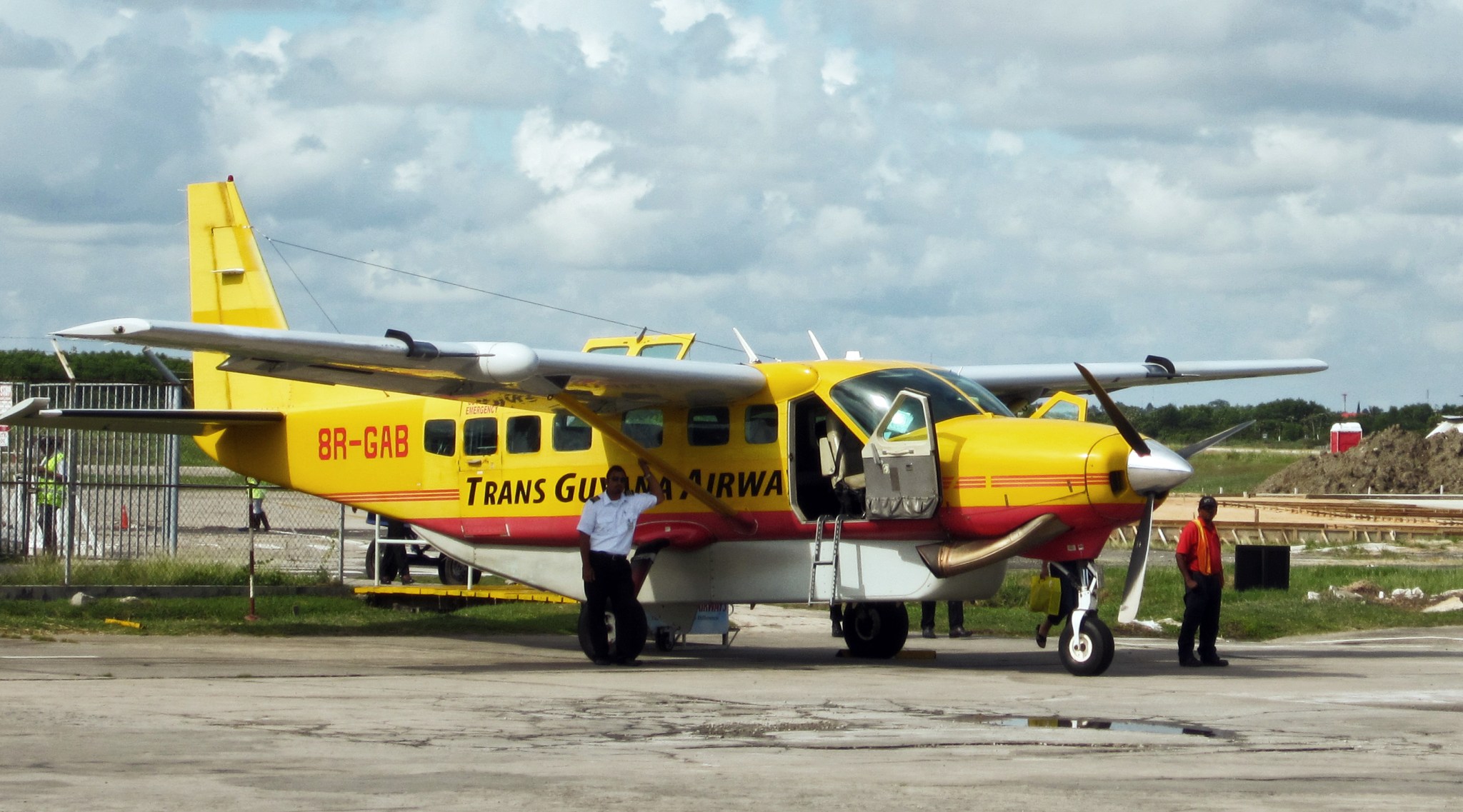
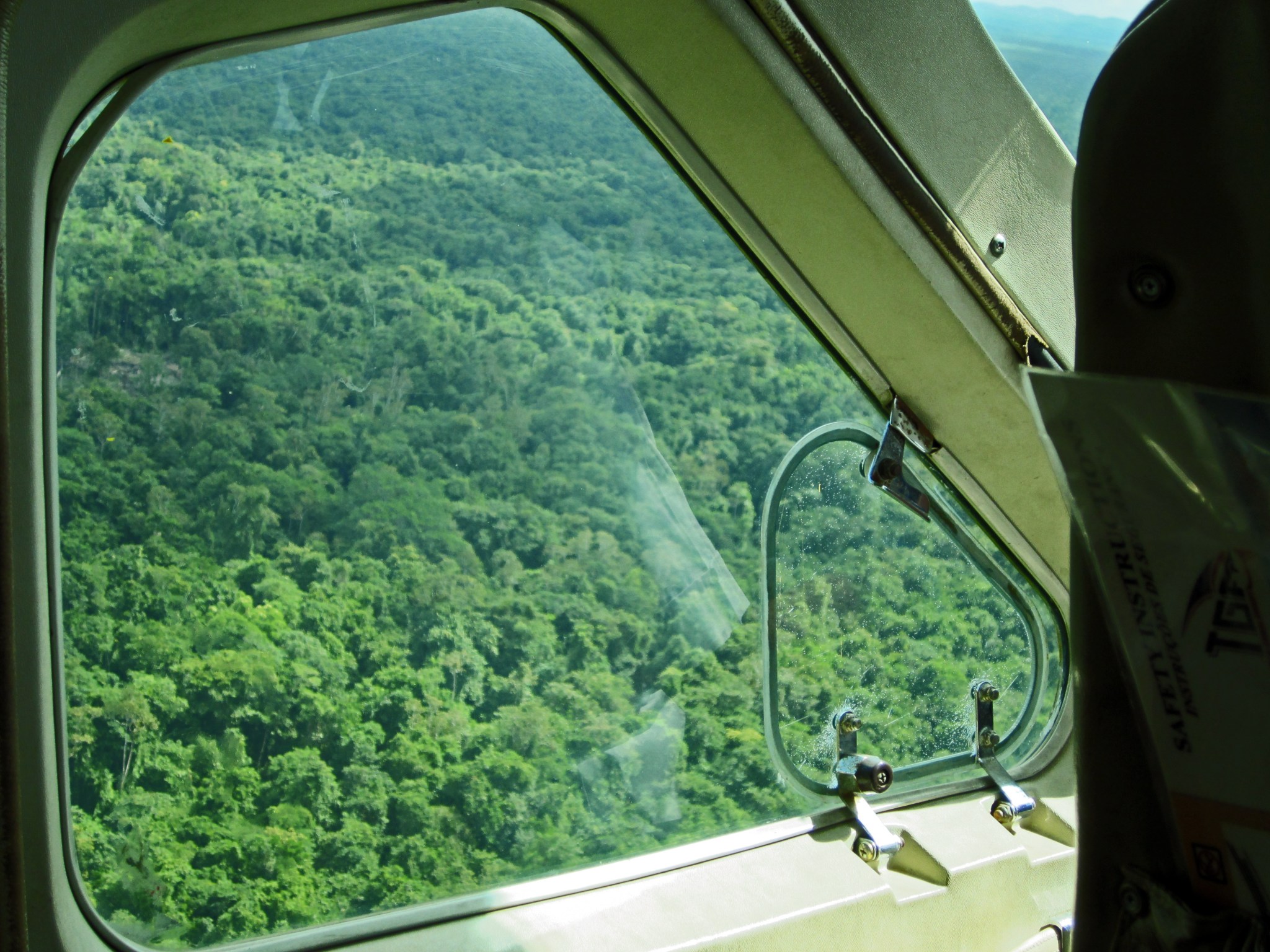
Port Kaituma is probably the most remote. Accessible by plane or a two day boat journey (so I’ve heard) from Georgetown, it certainly seems to provide volunteers with the classic rural placement. Set deep in the dense ‘jungle’ of northern Guyana, from the sky it appears to be quite an insignificant little place. However, once you’ve landed and make your way into town you soon find out this community is pulsating with energy. Some positive energy…some not so positive. The mining industry is arguably at the heart of this, with the accompanying mining population acting as the arteries pumping life into the community. It‘s clear there is money available here, and I’ve heard stories of people going into a shop and paying for toilet paper with gold! It almost has a Wild West feel to it. Centred around just a couple of main streets you get the sense that everyone knows each other and consequently I imagine it takes on the sensation of living inside a bubble. The people I met were very friendly, especially the guys who shouted “Hey white boy!!” every time I passed. Banter.


Plane

The plane to Port Kaituma


Plane over northern Guyana

Coming in to land in Port Kaituma


Port Kaituma is extremely muddy. Immediately prior to my visit, there had been some rain and thus the whole town resembled a mud-bath, or the perfect location for a wellington boot-wearing convention. I of course wasn’t prepared despite prior warnings and spent the whole visit resembling a Labrador on ice as I attempted to navigate the ‘roads’. On a more serious note, I made a comment earlier alluding to some of the energy in Port Kaituma being less than positive. It is noticeable in a community that serves as a thoroughfare or a temporary home for miners working in the surrounding area that certain services and trades feature quite apparently once the sun goes down. You find an edginess at this point and it reinforces the Wild West persona. It’s not a particularly dangerous place at all, and I felt far safer than in Georgetown, but it reminds you that particular issues, which are perhaps conveniently hidden from us back home, can manifest themselves so publicly in other places.


Port Kaituma Secondary School


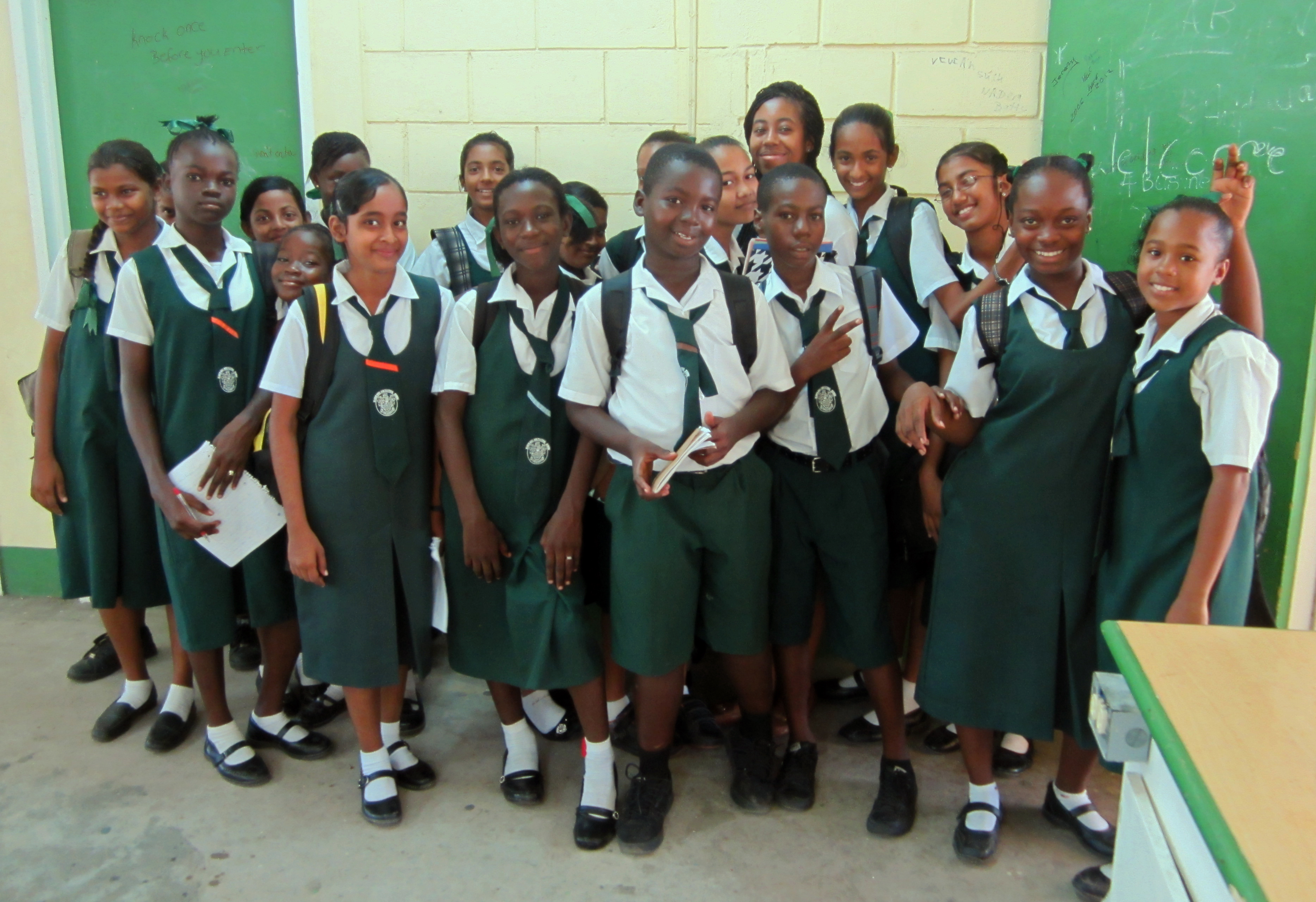
Volunteer and class

One of the volunteers with her class in Port Kaituma


Oh, and one more interesting little fact for you. Port Kaituma is actually very close to ‘Jonestown’ – the famous site of Jim Jones’ cult, which led to the deaths of 918 people (predominantly American citizens) on 18 November 1978. 909 of these were due to mass suicide/murder. In fact Leo Ryan, a US Congressman at the time was actually murdered by one of the members of the cult at the very airstrip I landed on and took off from in Port Kaituma. You can visit the site today, however nothing much remains and it is surrounded by thick undergrowth.

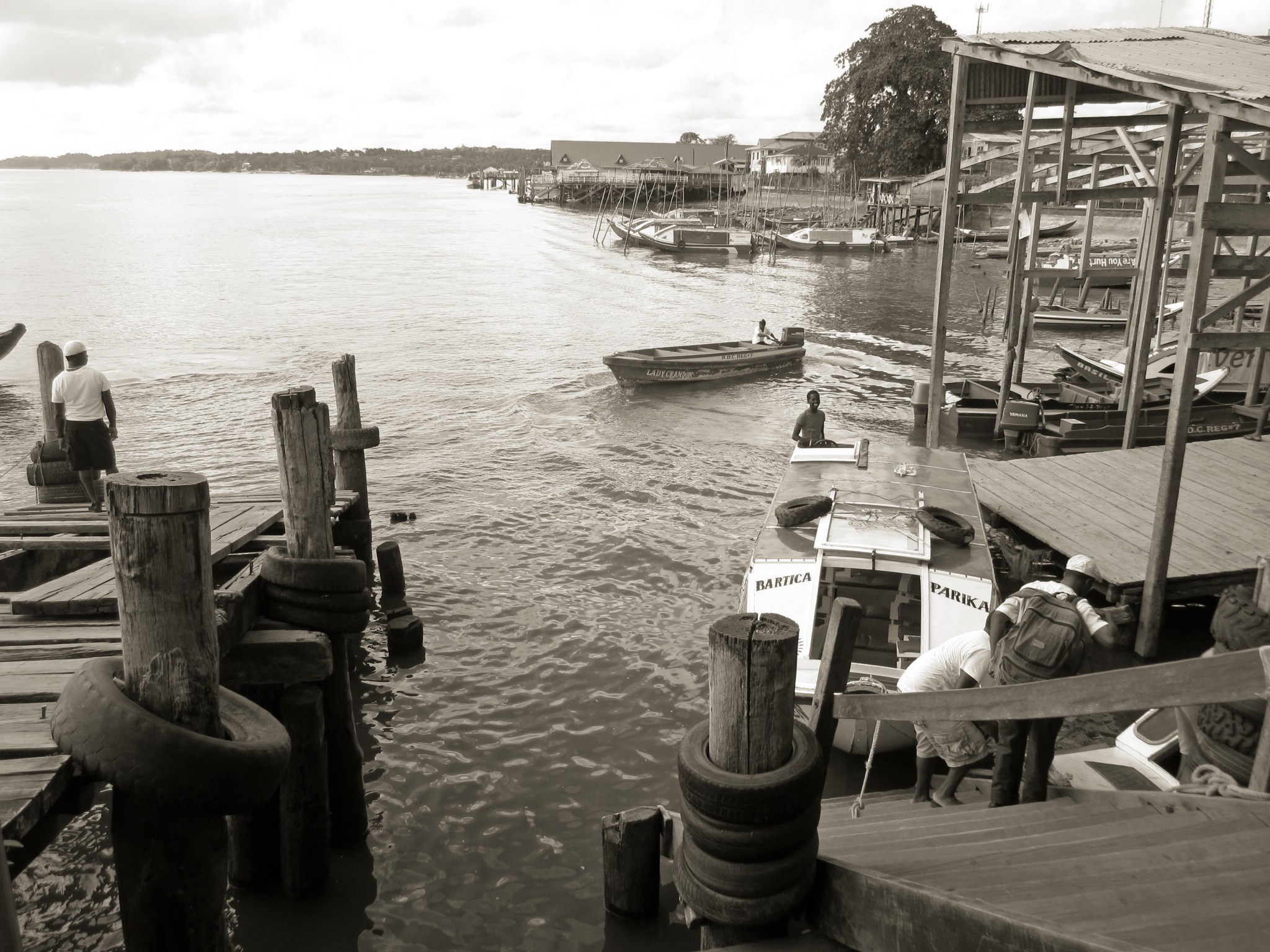
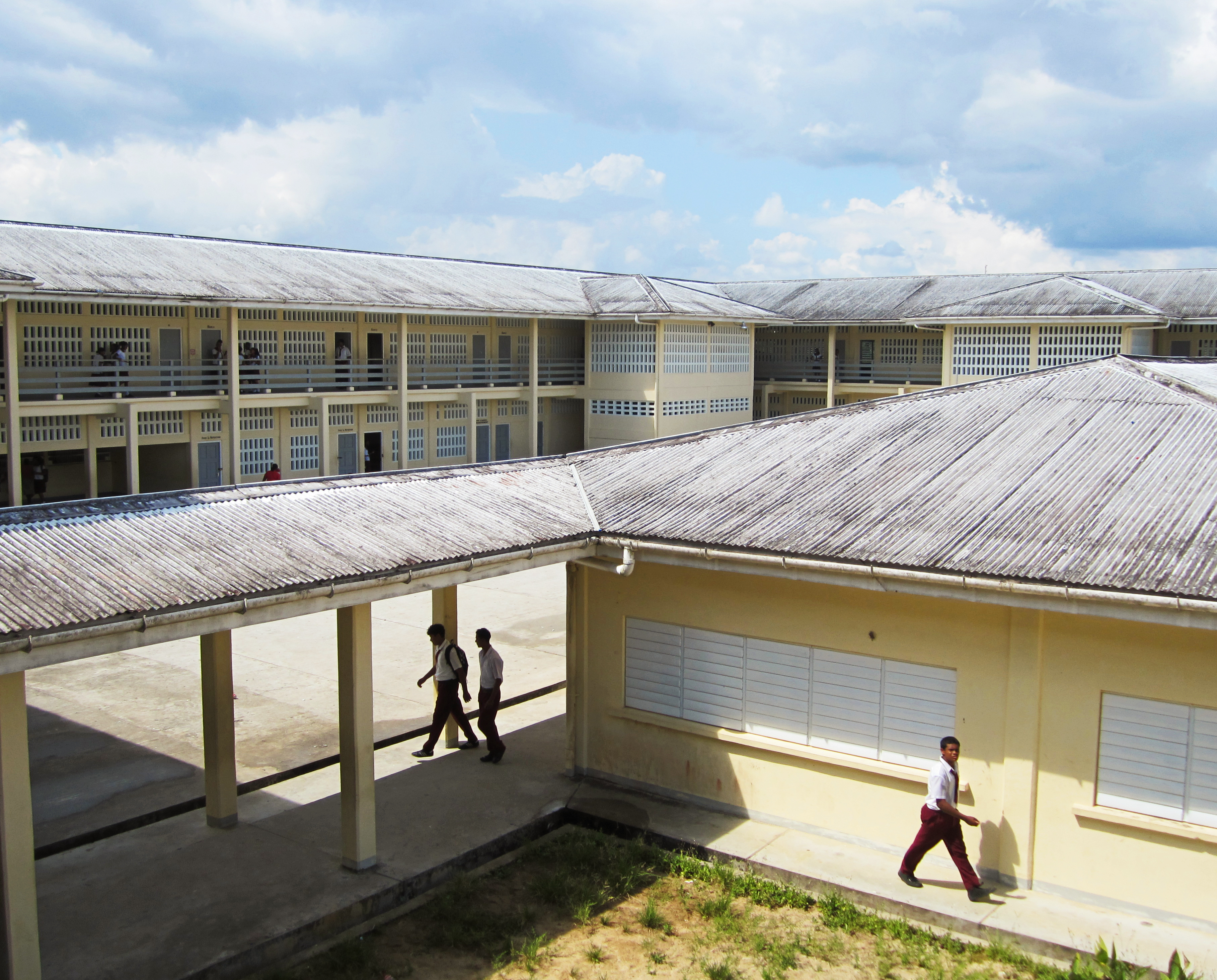
Bartica has certain similarities to Port Kaituma. It sits right at the door to many of the mining areas in Guyana and is known as the “Gateway to the Interior.” My visit was generally spent on the outskirts of the town as the volunteers are placed at a school there. One of the highlights of the visit was actually the journey. To reach Bartica you have to complete part of the leg by boat, and of course depending on the weather you can either sit back and relax, or cling on for dear life as your body is thrown around like a ragdoll. Fortunately both legs I timed it perfectly (complete fluke of course) and was able to sit back and enjoy a very pleasant river cruise! I like Bartica as a placement for our volunteers. The location has a pleasant balance of being rural, yet volunteers have convenient access to amenities in the town. They also have some great characters on their school campus, including the friendliest security guards I’ve ever met and a caretaker who was perhaps even friendlier. Well, I think he was being friendly…he had a thick accent so it was hard for my unaccustomed ears to decipher everything, especially as he was using a lot of Creole also.


Boat to Bartica

On the boat to Bartica


Dock

The dock at Bartica


Teaching in Bartica

Volunteer teaching in Bartica


We have one volunteer in New Amsterdam, which is the second biggest settlement in Guyana. It’s down the coast from Georgetown and having visited just for the day, and spending most of it at the school, I didn’t get much of a sense as to what kind of a place it is. It does seem to represent a slightly scaled down version of Georgetown, and I plan to visit again in the coming weeks.

Finally, our remaining two volunteers are placed together at a school just on the outskirts of Georgetown. It’s a big school with around 1,000 students, and my visit was memorable for one main reason. I saw the biggest butterfly/moth creature I have ever seen. I was sat in the classroom and this thing flew in through the window.

My initial thought was how this bird is bound to distract the already excitable students. Then I realised it wasn’t a bird and was in fact a large flying insect that was bird-sized, and at that point I started to shuffle uncomfortably in my chair as I’m not a huge fan of bird-sized flying insects. I willed it to pass back through the window, but of course within seconds it had flown straight for me and landed on the upper corner of my chair, just by my shoulder.

I should add that I was at the time observing one of my volunteers teach a class and thus as soon as the winged insect of doom had landed by me all eyes had centred on my location. How would this strange foreign man react? This was the question etched across all the young faces.

Well, I’ll tell you how I reacted. I laughed nervously, remained where I was, whilst edging to the corner of the chair so at one point only one ‘cheek’ was perched on it, and soon succumbed to my irrational fear by shuffling across the room. Cue giggles and pointing. Eventually one of the students got up and shooed it away back out the window, and the giant flying insect incident was over.

Fortunately the students were very sympathetic and didn’t mock my ridiculous behaviour. Well, they probably did, but in their politeness they must have saved it for once I had departed. I was however reassured by my volunteer that she too had been struck by a similar fear, but was grateful that mine had stolen the embarrassment.


Teaching


I have to say that I thoroughly enjoyed all of my visits to the volunteers’ schools and sites. The opportunity to observe them teaching brought back a lot of great memories from my time as a volunteer teacher. It was also a reassuring and affirming experience, as I discovered that I could actually pass on some constructive advice to many of them. They’re a good bunch, and it was heartening to see how well they have settled and the hard work they are doing at their schools. As a volunteer you can never change the world, but as long as you give it your all and care about your work you can certainly make a positive impact.


Students - Bartica

Students in Bartica


Bartica

The school campus, Bartica


Georgetown

Georgetown from the air


Teacher with students

One of the volunteers with her students in Georgetown


Teaching

Volunteer teaching in Bartica


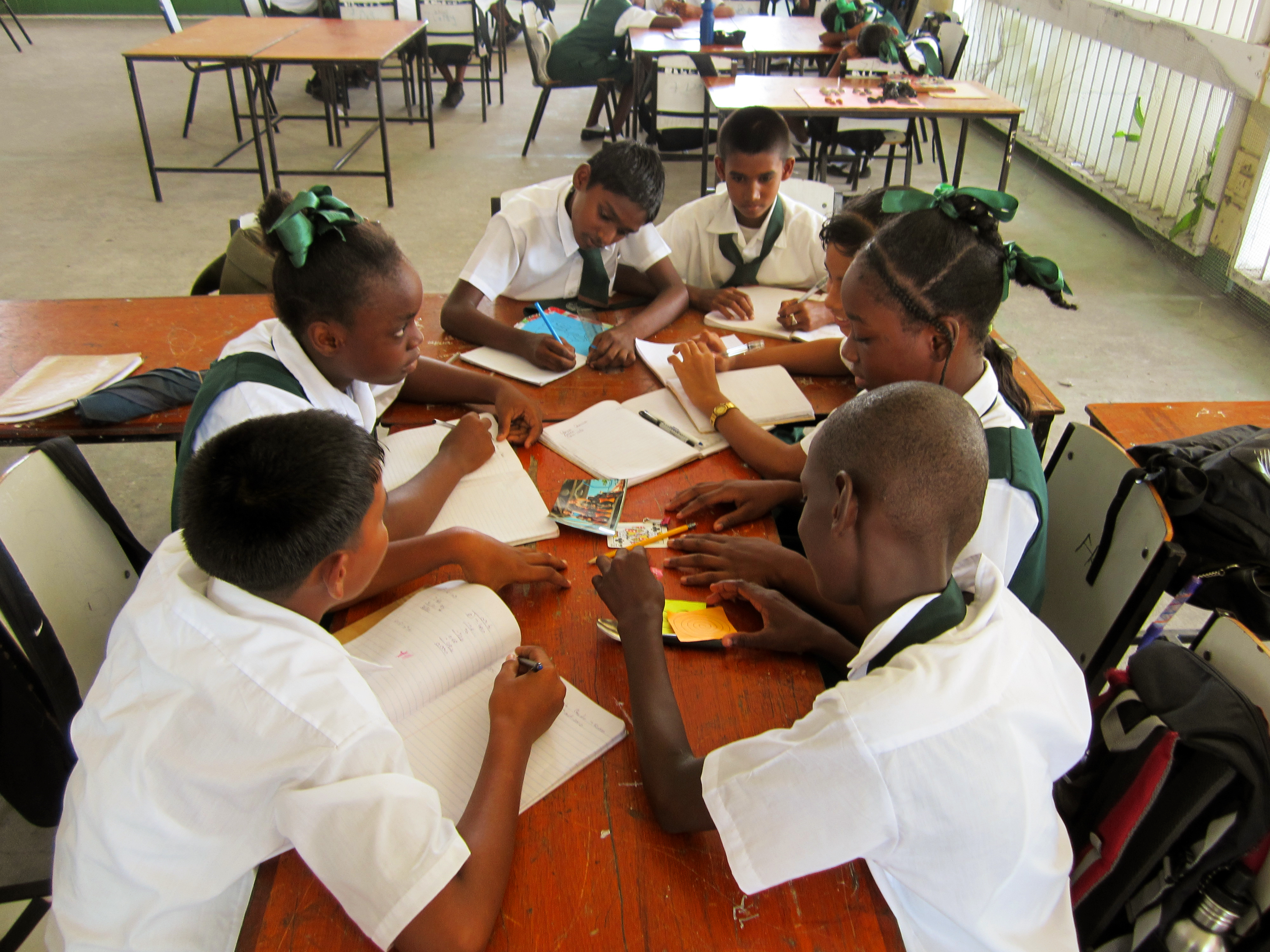
In class

Students working hard!


Georgetown, Guyana


Amid the confusion and excitement of another new country and adventure, the first thought to enter my mind as I made my way by taxi from the airport to my new home was, ‘boy, this place is relaxed.’ We passed house after house and each one appeared to share the same three prominent features; a front porch, a hammock strung up in said porch, and reclined in each hammock, a person.

For miles and miles this seemed to be the norm. The main road was lined with homes, similar in appearance; all charming wooden structures raised high off the ground to avoid potential flooding I presume. To the rear of the houses on one side of the road sat a wide body of water and behind the homes parallel to this there lay a vast blanket of green which stretched inland as far as the eye could see. In many ways this sums up Guyana.

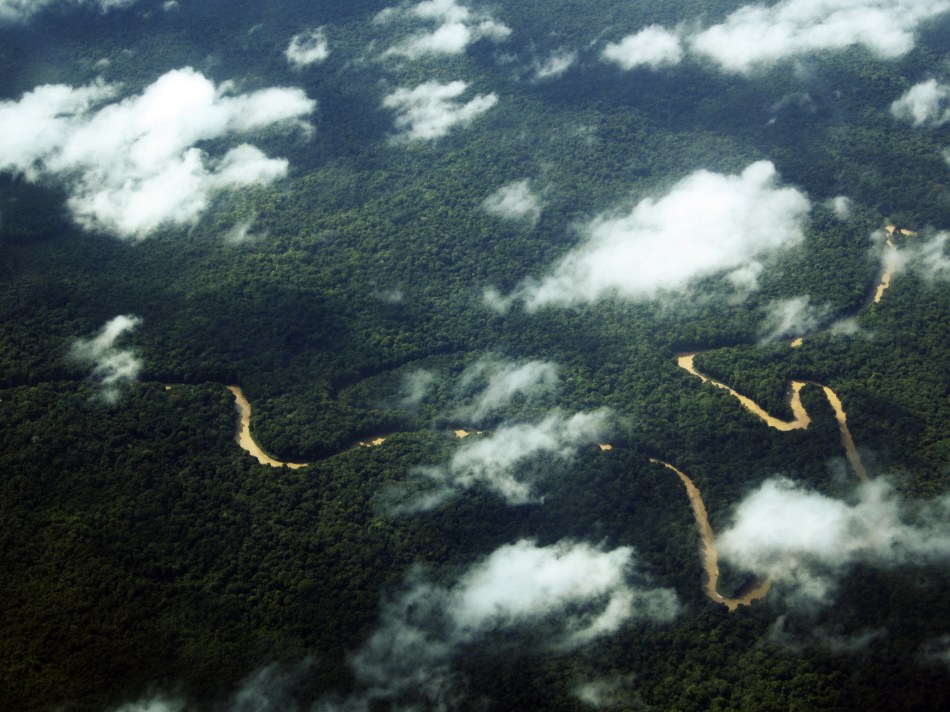
A small splattering of settlements (the majority of which are very small) nestled deep among two significant natural features; forest and water (see photo below, taken from the plane on a recent trip to visit some of my volunteers).


On this particular July day it was misty, humid, and damp, and the behavior of the people I passed seemed to perfectly reflect the mood. Families and friends gathered on porches engaging in an activity I would soon learn to be known as ‘liming’.

To lime, as I understand it, is to generally get together and hang out. To gather, to watch the day go by, to take time out, to escape, ignore or share overarching stress or struggles, or to crucially devote a moment of the day or the week to enjoying life. I may well be over-thinking or dramatizing this pastime, but this is purely my own personal perception of something I have witnessed people partake in during my time here so far.

I’ve been based in Georgetown, Guyana for a period of almost five months now, but shamefully this is the first opportunity I’ve taken to sit down and attempt to describe this new location in words (ironically I’m doing this whilst sat at home in the UK having just arrived for Christmas).

Five months is a decent amount of time, but I have no doubt I’m approaching this update weighed down by the heavy burden of ignorance around my neck.  When it comes to the exact dynamics and understandings of this place, I’m still very much a fresh bystander, so please don’t judge Guyana on my observations alone. However, the impression I’ve gained so far is that Guyana in general is a captivating blend of cultures and people, and Georgetown is a perfect microcosm.


Prior to my arrival I clung to the belief that with Guyana’s status as the sole English speaking enclave in the whole continent my successful transition would not be hindered by language barriers. I was wrong to an extent. At any point your ears can be exposed to Portuguese, Spanish, Creole, and even Chinese.

If you travel deeper into the interior regions you are also liable to hear any one of nine regional Amerindian dialects. Portuguese stems from the sizeable Brazilian population that has emerged in Guyana. This comes in the form of migrants who have settled here, or from workers travelling through on business, which in the majority of cases is due to a lucrative gold mining industry.

In Georgetown you see the Brazilian flag all over, and Brazilian bars swell the already congested nightlife. Neighbouring Venezuela is most likely responsible for the presence of Spanish, and Chinese seems to represent the new business investment transpiring at a noticeable pace, especially in Georgetown.

Officially I live in South America. There is no disputing the geographical fact. To the west you’ll find Venezuela, and to the south lays the giant of Brazil. Yet in Georgetown you can quite effortlessly forget this fact, despite the language variety I just touched upon. The music, the dialect, the food, and the approach to life; in so many instances it screams of the Caribbean. Again I’ve found this to be more the case in Georgetown, which is the hub of activity due to its position as both the main port and capital city.


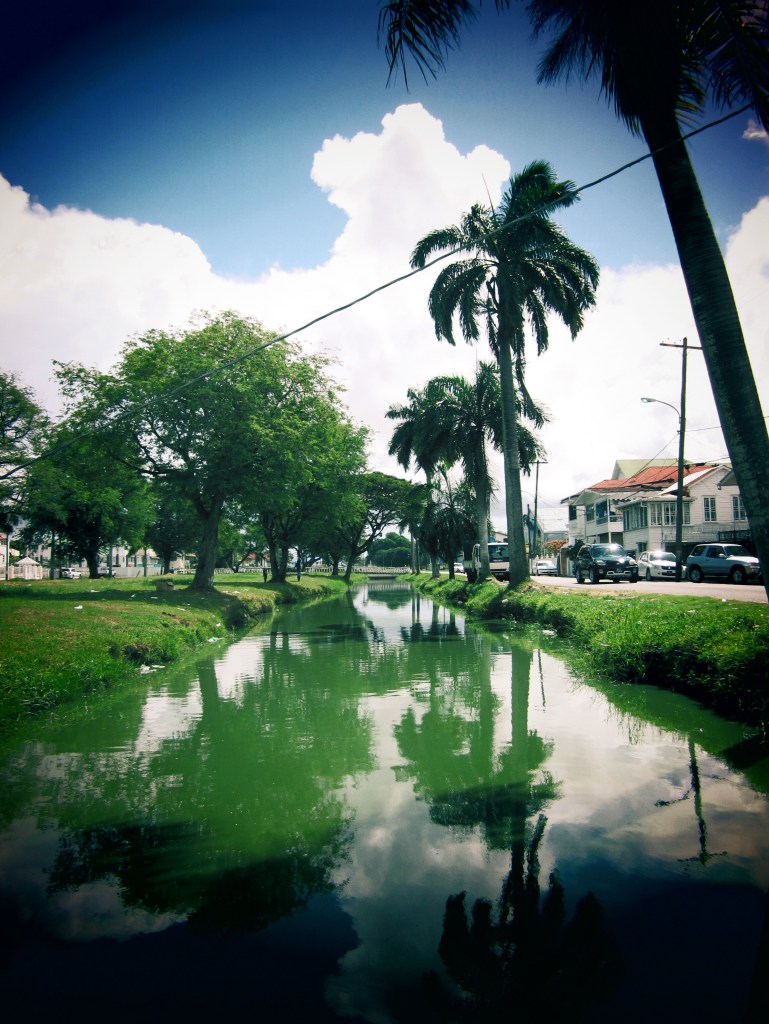
In many ways Georgetown is an attractive city. Comprised predominantly of wooden structures, the old colonial buildings (built in large part by the Dutch) possess significant charm and character. A network of canals assists in the drainage of excess water. I often pause in appreciation of their splendor.

On occasions they send glistening channels of light through the heart of the city, as the setting sun dips and the overhanging trees create an intricate pattern on their surface. Some possess more charm than others however, and the aroma that drifts from one or two of them is questionable!


Georgetown used to be known as the ‘Garden City of the Caribbean’ and it’s easy to see why. There are a number of lush, green areas, attractive gardens, and the tree-lined canals pictured above. However, in recent years it’s apparent they’ve been neglected somewhat.

Just recently a taxi driver spent the entire journey bemoaning the state of the city he had known, but now seemed unable to recognize. He reminisced about the pride he once held, which has gradually eroded from bearing witness to a blatant disregard for what made Georgetown great in his eyes. He nodded his head to the left as we passed another area of litter collected in a ditch by the side of the road. Unfortunately this is not uncommon in many towns and cities across the globe. Nevertheless, my reassurances did little to appease his frustrations.

One green space though seems to be almost immune from the littering disease that has ravaged some parts of the city. The National Park is a beautiful open space that residents should be extremely proud of. During the day it comes alive as people fill the park and it becomes a real hive of activity, predominantly with runners, soccer players, and a women’s rugby team who I often see training there.


The same taxi driver also touched on another malady, which casts a cloud over his place of birth, and causes a different, but chronic pollutant in Georgetown. Crime and criminal activity have soared in recent times according to his observations.

I glance at the newspaper each day and unfortunately it often enforces what this man was telling me. Like any major city the world over, your safety is never guaranteed. Yet I genuinely think this may be the most dangerous place I’ve lived. This may surprise you, as it certainly surprises me. Maybe I’ve become paranoid from reading the newspaper too much, or perhaps the lack of familiarity has caused some personal self doubt.

However, the stories I’ve heard certainly don’t leave me short of evidence. People often assume that Rwanda was a treacherous place to live. History suggests this. Yet, it couldn’t be farther from the truth (in my experience). I would say that village life in Rwanda is the safest environment I’ve ever lived in. University life in Nottingham (once the gun capital of England) may run Georgetown close though.

There’s a burgeoning drug trade like many countries in this region, and as a result the associated crime drags close behind.  There are the ‘haves’ and the ‘have nots’, and the economic divide is glaring in some cases. You don’t walk the streets at night, and you don’t walk the streets on a Sunday as they’re practically deserted. If you do it’s at your own risk, especially if you’re a foreigner.

Yet, as is the case almost everywhere, we carry a brain in our heads, and if we engage this to its full capacity we can certainly avoid most unsavory situations. That doesn’t of course guarantee you full immunity from peril, as we also need to be in possession of a healthy dose of luck at most points in our lives. I try to be streetsmart and to respect the ways of this city, and keep my fingers crossed that my luck holds up. There’s common sense too, which is vastly underrated and often underused.

However, it seems to me that despite generally high crime rates, the majority of violent crime occurs between sources already known to each other. That is the victim and perpetrator are often previously connected, and for the most part you can exist harm-free on the periphery simply reading about the crimes as opposed to being involved.

Through my job I’ve been able to travel to some other places in Guyana, but I’ll touch on these another time. Despite the litter issues and the need for extra vigilance, I’m growing to appreciate my new home. It has been a gradual process as I enjoyed my time in Rwanda and Bangladesh so much.

Yet, Guyana and Georgetown are broadening my horizons even further and I try never to underestimate this fact. If you don’t learn and grow from new experiences there’s no point in embarking upon them, and I have no doubt this fresh location and new job is pushing me out of my comfort zone, which is scary yet very rewarding.


“The Winds of change shall not discourage the volunteer…”


I was very recently asked by WorldTeach to write a blog about how I would define a “successful volunteer.” This is my response based on personal experiences and observations.


I slumped down on my bed, placed my head in my hands, took a deep breath, and this is how I remained for the next few minutes. Paralyzed by feelings of bewilderment and disorientation, for several moments the emotions were quite overwhelming.

Five minutes prior to this I had been sat down to breakfast at a table with four Rwandan catholic nuns, whom I had met for the first time the previous evening. The bulk of the conversation was carried out in French, and thus I spent the majority of the meal straining my ears and anxiously hoping that in the depths of my mind there remained some knowledge of the language that I had ceased studying eight years earlier.

Once breakfast was over I made the short walk back to my house to encounter what was undoubtedly a defining moment.  I found all I could do was sit there, still. The silence was intense, suffocating almost. Where was I? Who were these people? Why am I here? What do I do next? Why is there no water coming out of the taps?

The answers to these and many other questions revealed themselves at regular points throughout the proceeding weeks and months, and as they did so they provided me with a reassuring clarity and logic. I was a volunteer teacher at St Bernadette de Save, a secondary school in the small, Rwandan village of Save, and I was there for a very important reason; this was what I had chosen to do.

In my opinion one of the crucial factors in being a “successful” volunteer is having a firm desire and a clear reason and purpose for wanting to do it. I say this because there are certainly times when you stop and question particular aspects of the experience, and there are times when you feel like you may crumble under the weight of the challenge.

However, in constantly reminding yourself of exactly why this path was taken, and the motivations that drove you to pursue it, you never lose sight of what an incredibly rewarding and significant phase in your life it is and always will be.


In my own case the WorldTeach Rwanda program was perfect. I had spent one whole summer crammed into a small wooden booth in my university library, reading countless books and writing a thesis on the role of gender in the 1994 genocide. It was here a fascination with the tiny country was born.

Three years later I landed in Kigali and during the first two weeks I and my fellow volunteers visited two significant genocide memorials. Personally this signaled the end of one journey and the beginning of another.  The impact of the genocide became abundantly clear to me in a manner that books hadn’t been able to fully reflect, and as the year progressed I would experience several further moments of similar magnitude.

For example, on one occasion a student of mine revealed he had lost his father, three brothers, and two sisters during the country’s darkest hour. His story was not uncommon, but as I became exposed to the new, recovering Rwanda, I was overwhelmed by the strength and courage people showed, and subsequently inspired by their resolve and determination.


There is no rigid blueprint for producing a “successful volunteer”. Success varies for each person, and it is therefore almost impossible to form a conclusive definition of what exactly it means. Duck now if you want to avoid being struck by a gigantic cliché, but volunteering is a journey of self-discovery and an exploration of your personality, and for each person this will inevitably vary.

However, from my experiences in Rwanda, Bangladesh, and now Guyana, I believe there are core attributes one must possess if they are to live life as an international volunteer to its fullest. No one person or moment can dictate your experience, and it’s up to you to decide how it will define you in the present, and even more crucially, the future.

Adaptability is vital. Your routine and comfort zones will be thrown on their head, and there’s only one way to deal with this…embrace it! I have constantly been amazed at how far we can push ourselves and how strong the human mind and body is capable of coping with change. In Rwanda, the initial panic of discovering no water would ever trickle from the taps in my house was soon replaced with the exhilarating feeling that came from donning a head torch and collecting rainwater in a bucket at 11pm at night.

The shock felt when told by my Headmistress I was the new Entrepreneurship teacher at St. Bernadette de Save was forgotten almost instantly upon meeting my students. I realized there was so much I would learn from them. Being receptive to change and unpredictability is a must, and the results always bring great fulfillment.


A successful volunteer will be sure to pack an abundance of respect and open-mindedness in their suitcase. Although sounding obvious, it can be surprisingly easy to lose sight of these two closely connected and vital attributes when faced with situations and scenarios that place you far from your comfort zone.

In my role at the Asian University for Women in Chittagong, Bangladesh, I witnessed precisely how paramount respect and open-mindedness is. Hundreds of students brought together from 12 different countries across Asia. Many of whom have left their families for the very first time to study in a country and city in complete contrast to their homes.

Yet, the manner by which these students face and embrace this colossal change, demonstrates perfectly that by recognizing and positively accepting cultural contrasts and distinctions, we are far more able to build meaningful and positive relationships in the long term.


Finally, I will offer one piece of advice to any prospective volunteers out there. Prior to leaving home and embarking on the wonderful journey that awaits you; find a large box, cram all of your expectations inside, padlock it, and hide it away in a deep, dark wardrobe. You won’t need them where you’re going!

Expectations are inevitable, but they have the potential to lead only to disillusionment or frustration under the weight of a predefined pressure. The excitement that comes from the unknown is what makes international volunteerism so very special and significant. If you approach it with an open mind, a willingness to learn and to accept, and an attitude of determination and hope, you emerge at the end of it a wiser and healthier person.


The title of this blog is a quote by Lorna Wilson.

It’s All Too Beautiful…


If I were an actual writer you could potentially describe what I’m currently experiencing as ‘writer’s block.’ Ever since arriving in Guyana I’ve felt a nagging pressure to put into words this whole new experience. Each day that passes the burden and anxiety mounts, yet nothing comes into my head, regardless of the internal frustration, which I imagine is much of the problem.

This is absolutely no reflection on Guyana. There’s so much to write about, I just haven’t thus far found an angle by which to present this in my own words. In previous blogs a subject matter has frequently revealed itself through one single event, or a series of corresponding events which follow a common theme. In most cases these smack me bang in the face, and from the ensuing concussion I dizzily fumble words onto the page and a blog is born.

I was recently questioned about why I ‘write’ and directed towards three articles which discussed the very theme. I am not really a writer. I just happen to write a regular-ish blog, which fortunately for me, some people read. However, the three quotes below stood out in each of the articles.


“I write because it is a habit, a passion.”

Orhan Pamuk (Nobel Prize for Literature, 2006)

“Sheer egoism. Desire to seem clever, to be talked about, to be remembered after death.”

George Orwell, ‘Why I Write’ (1946)

“I write entirely to find out what I’m thinking, what I’m looking at, what I see and what it means.”

Joan Didion, ‘Why I Write’ (1976)


My continuing desire to blog stems in part from a jumbled concoction of the quotes above. With that in mind I have decided to resume on a theme that gave me great writing pleasure in my previous post. A theme that is a constant in many of our lives. Personally I know that if deprived of this I’d lose direction almost immediately and sometimes when I have lost direction it has grasped me by the scruff of the neck and hauled me back.

The theme is music, and in the spirit of George Orwell’s frank admission of writing for pure egotistical purposes, I’m going to present my personal song of choice from each decade for the past fifty years.  I often find myself at a loss when people pose that very simple question, “What kind of music are you into?”

For some reason all I ever offer in response is a rather awkward and frustratingly vague, “Erm, it’s hard to say…I’m into weird music!” It’s not weird at all, it’s just not particularly ‘mainstream’ much of the time, and it’s difficult to pin it down to one main genre. So here goes, in what seems like an almost impossible task, I will chose one song (and a couple of runners up) from each decade (60s to 00s) in order to offer a window into my musical mind.


1960s

I’ll begin with my favourite melodic decade of all, the 60s. The quality of the music written and recorded in the years defined by peace, love, and intense anti-war protests has always drawn me in. I remember hearing ‘You Really Got Me’ by the Kinks at the age of 10 and was a little shell-shocked. Ever since then I’ve gradually become further intrigued by that period. It was a defining era for so many reasons, and musical creativity and innovation was an integral part of it.

Many of my favourite artists emerged in the second half of the decade – Love, Pink Floyd, The Kinks, The Beatles, Jefferson Airplane, The Turtles, The Mamas and Papas, The Zombies, Left Banke, Simon and Garfunkel, Cat Stevens, Jethro Tull, a fresh-faced David Bowie, The Doors, Cliff Richard (wait…what??!!), Steppenwolf, Strawberry Alarm Clock, The Moody Blues, The Yardbirds, Sandie Shaw, The Searchers, Joe Brown, The Amen Corner, Nick Drake, The Byrds, The Beach Boys, etc, etc. The list goes on and on and deeper underground as I have explored further.

Though, there is one band as yet unmentioned who wrote a song that epitomizes the 60s quite perfectly. Infectiously quirky and unique, this composition undoubtedly had the authorities probing the moral fabric of its lyrics and the message it conveyed upon the impressionable youth of the day. With a characteristically English spirit and humour, it has stood the test of time, remaining as fresh sounding now as it did when it first hit the airwaves in 1967.  Of course, these are purely my own personal opinions, but in my mind the lyrics evoke such strong images of a mystical and magical England, it is hard not to be drawn in.

Over bridge of sighs/ To rest my eyes in shades of green/ Under dreaming spires/ To Itchycoo Park that’s where I’ve been.”

It also contains the line I’ve used as the title for this blog, which I think says all that needs to be said when describing this song. Steve Marriot and Ronnie Lane were such bold songwriters. They are vastly underrated, far too frequently overshadowed by the likes of Lennon/McCartney, Jagger/Richards, Page/Plant, Townshend/Daltrey, and Waters/Gilmour during a golden period of incredible composers and lyricists.

In my view, they are right up there with the best. Now, I know I wrote in my last blog about ‘You Set The Scene’, which I stated as being my favourite song of all time, thus meaning it should technically also be my song of choice from the 60s. For the sake of keeping things fresh though I’ve decided to keep it separate from this exercise! Therefore, my song of the 1960s is;


Itchycoo Park – Small Faces (1967)

This was an almost impossible choice with countless songs vying for the crown. My two runners up are as follows,

Incense and Peppermints – Strawberry Alarm Clock (1967)

This song epitomises the ‘psychedelic 60s’ for me. Bizarre lyrics, the swirling sounds of an organ, and terrific vocal harmonies.

Waterloo Sunset – The Kinks (1967)

From 1967 once again, this song was written by one of Britain’s finest – Ray Davies. Another artist who in my humble opinion has never quite received the acknowledgement he’s due. I’d place him right up there with Lennon and McCartney for song-writing genius. Waterloo Sunset is such a classic, and it really reflects Davies’ deep appreciation and endless love affair with London. This performance is from Glastonbury 2010.


1970s

This is another very difficult decade to define in just one song. However, it didn’t take long to know which to select. In fact it was obvious to me almost instantly. This song was written as an ode to a novel, which also happens to be one of my favourites. Set on the desolate Yorkshire Moors in the 18th century, this novel tells a particularly dark, psychological tale of love, hate, death, jealousy, and obsession. What is so striking is that it tackled issues which were rarely (if ever) presented so starkly at the time of its publication in 1847.

Critics wrote of their shock and condemnation of the subject matter. Yet, it’s now deservedly considered a classic, and in acknowledgment of the author, Emily Brontë, Kate Bush produced her own masterpiece, and in my view, the song of the decade. Wuthering Heights was released in early 1978, and Bush wrote it aged just eighteen.

It captures the emotion of the book and its main characters quite perfectly. It is also incredibly haunting, and I don’t think there was anyone else more suited to writing and performing this than Kate Bush, with her piercing voice and eccentric delivery. Also, the video is epic, in a kind of creepy way!

Wuthering Heights – Kate Bush (1978)

Runners up;

Starman – David Bowie (1972)

I love David Bowie, and not purely because we share the same freaky eyes. I actually favour much of his 60s material, but Starman is just classic Bowie – weird and wonderful, and as the great man says himself, “Hey! That’s far out.”

Songs from the Wood – Jethro Tull (1977)

Folk music is something I’ve explored a lot more extensively in recent years and Jethro Tull are a band that do it well. Ian Anderson plays the flute with sheer comedic brilliance. I was lucky enough to see them live in Prague in 2009 and it’s a gig I won’t forget. Songs from the Wood is a veritable blend of melodious vocals, jazz flute, church-like organ, and heavy guitar, accompanied by lyrics that J.R.R. Tolkien may have written, had he been inclined to create a folk-rock band!


1980s

Despite being a child of the 80s, I feel like this decade is the one that has me puzzled most. I fear the 80s in many ways. The crazy fashion, the hair…the big hair, the use of synthesizers, a Britain dogged by unemployment and strikes, the excess of accessories, football hooligans, Tron (the original), Robert Mugabe, people wearing one bright pink sock and one bright yellow sock, etc, etc. All in all it’s a decade that hasn’t ever really made a great impact in my collection of music. However, that’s not to say there weren’t some notable successes. So here goes.

My number one is by a band far more commonly known for a song they wrote that is guaranteed to be on the playlist of any classic wedding, cheesy nightclub, 50th birthday party, karaoke night, school reunion/disco, and all official meetings of the ‘World Dungaree-Wearing Appreciation Society’. The song I have chosen is NOT Come on Eileen, but it was written by the same band.

Dexy’s Midnight Runners released this in 1980, and it took them to number one. It’s bold, brash, and brimming with energy – helped in the main by Kevin Rowland’s distinctive voice, the stomping beat, and the backing brass of saxophone and trombones. And so, for the 1980s, I present to you,

GenoDexys Midnight Runners (1980)

Runners up;

Rattlesnakes – Lloyd Cole and the Commotions (1984)

I love the freshness of this song. It’s quintessentially 80s, yet it seems to somehow bridge decades and wouldn’t sound out of place if played in any of the past fifty years. The emotion in Lloyd Cole’s voice makes it compelling listening, and it also has fantastic lyrics,

“She looks like eve marie saint in on the waterfront/ As she reads simone de beauvoir in her american circumstance/ Her heart’s like crazy paving/ Upside down and back to front/ She says ooh, it’s so hard to love/ When love was your great disappointment.”

It’s the End of the World as We Know It (And I Feel Fine) – R.E.M. (1987)

Awesome tempo, wonderfully brilliant lyrics (which intrigue and baffle in equal measure) delivered in some kind of freestyle rap mantra, and all this brought to listeners by a truly great band.


1990s

The 90s is another fairly tricky decade to reduce to just one main song. Britpop was magic and it heralded the emergence of some truly great artists and songs. However, one of my favourite bands emerged midway through, and unleashed their contemporary take on psychedelic rock to the world…with quite divisive results.

Fronted by Crispian Mills (son of Haley and grandson of Sir John) Kula Shaker is a band that quite frankly some people love to hate. But not me. In my mind they took the 60s and redelivered it in a revolutionary explosion of sitars, Hammond organ, gritty guitar riffs, and poetic lyrics. I could’ve chosen any one of about fifteen songs to crown as my 90s song of choice, but there was one which just stood out above the rest. It’s essentially Kula Shaker’s anthem. This live performance is psychedelically marvellous!

Govinda – Kula Shaker (1996)

Runners up,

Parklife – Blur (1994)

There’s not much you can say about this. It’s just Britpop at its best, in a cockney knees-up kind of way. Phil Daniels’ narration is perfect, the video is full of humour, and it always makes me laugh when people mention the Oasis vs. Blur debate. What debate?

Alright – Supergrass (1995)

Another of Britpop’s finest, Supergrass released this in 1995. I won’t bore you with another long-winded explanation; suffice to say this song is fun, end of.


2000s

In keeping with most of this blog post, it has been a painful experience trying to reduce a decade to just one tune. My brain is now exhausted as it has reached the final stretch in musical deliberation that has spanned fifty years! However, I’ve reached the 00s and there’s a band that emerged during the middle of the decade who have restored my faith in great song writing.

Built around incredible compositions incorporating a range of instruments (trumpet, flugelhorn, ukulele, saxophone, violin, trombone, tuba, glockenspiel, etc, etc) a myriad of cultural influences, and wholehearted lyrics, Beirut have quickly become one of my favourite bands.

Again, it’s difficult choosing just one song, but this is the task I set myself, and thus it has to be The Shrew. Largely because of this live performance. With Beirut you can really see how much the music means to them. X Factor take note. This is real music (yes I’m a ‘music snob’ sometimes).

The Shrew – Beirut (2009)

Runners up;

American Wedding – Gogol Bordello (2007)

Gogol Bordello have had a huge influence on my playlist in recent years. Describing themselves as ‘Gypsy Punks’ they hail from New York, but are an eclectic mix of nationalities with band members from Russia, Ethiopia, Ecuador, Israel, the US, and Romania. They are all led by the Pied Piper of Gypsy Punk, Ukrainian Eugene Hütz.

Sporting the best moustache in the music industry, he is quite simply, the man. I’ve seen Gogol Bordello live three times and they probably rank as the best I’ve ever seen. They also set me on the path of exploring Eastern European/gypsy folk music and this has been a revelation. American Wedding is a textbook example of what they’re all about – energetic, in your face, chaotic music that sounds as if it could light the fire of revolution at any point.  Super Taranta!

What A Waster – The Libertines (2002)

One of the greatest attributes of music is that it often has the ability to catapult us back in time, inducing vivid recollections of a certain moment or period from our past. The Libertines are a band that provided the soundtrack to my first year at university. They burst onto the scene in 2002 offering high tempo rock and roll with a bit of punk thrown in. I was practically awestruck by them.

Clad in leather jackets (or occasionally British Redcoat tunics) they were in my mind the coolest guys on earth.  Just two months after arriving at university I attended my first ever live gig at Nottingham Rock City. It was the Libertines, and as I stood there in a sea of bodies, engulfed in the aroma of sweat, cigarettes, beer, and testosterone whilst being thrown around all over the place, I suddenly thought, “Wow…so this is university.” Hence this band will always hold a special place in my heart as they provided the music to a crucial point in my life. What A Waster has always been my favourite song of theirs.

So there you have it. Fifteen songs that offer a little insight into my ‘tastes’ in music. There are so many other artists and songs I could’ve mentioned, but alas, that will have to wait until another time. Feel free to scoff at my choices or to vehemently disagree. I welcome all feedback and would love to hear your own personal choices.


Forever Changes


I was in a record store, browsing without purpose for some time, wandering around considering whether I should add to my rapidly expanding music library. It was 2003, and I was a student at the time. I’ve always derived great pleasure from random music searches, yet it’s been trickier these past few years due to my locations. On this particular day though, I had no idea the purchase I was about to make would have such a lasting and definitive influence on my tastes in music, or perhaps more significantly an enduring effect on the way I aspire to look at life events (not always successfully I must add, especially recently).

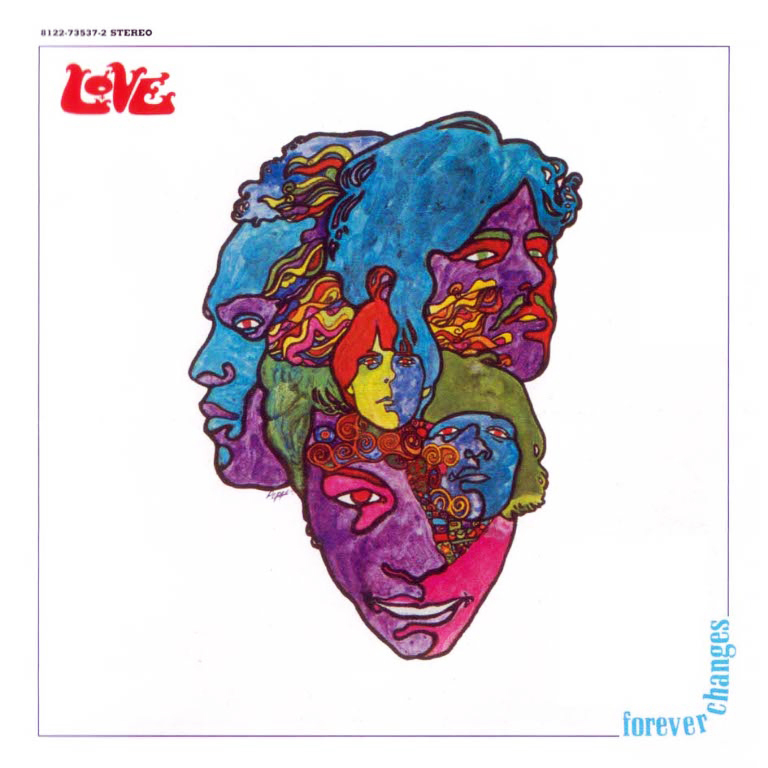
As my seemingly fruitless search for new music neared a conclusion, and I contemplated leaving empty handed, one record caught my eye. The strange album cover was compelling. A myriad of colours and faces all intertwined. It was unashamedly psychedelic, and seeing as I had at this point embarked upon a fairly dedicated journey toward 60s music discovery, I decided to at least give this item the acknowledgement I believed it deserved.

Upon inspection the song titles were suitably convincing that for some reason the record had to come home with me. ‘The Good Humor Man He Sees Everything Like This’, ‘Andmoreagain’, ‘Alone Again Or’, ‘Bummer in the Summer’, and ‘You Set The Scene’ to name a few. Everything about this record intrigued me. Even the name of the band, Love, seemed so cliché yet so perfect.

“For the time that I’ve been given’s such a little while, and the things that I must do consist of more than style…”

My reason for providing this anecdote is because I’d like to touch on the theme of change. As the record I bought that day testifies, forever does change, and this has been a fairly weighty feature of my life in the past few years. I’ve experienced some notable transitions, with the most recent being arguably the toughest challenge of all. I left Bangladesh (see previous blog) to pursue a slightly different career path. I’ve been lucky enough to get the opportunity to rejoin the WorldTeach team.

WorldTeach is an education non-profit organisation that links up with governments and organisations in developing countries and sends volunteer teachers to spend a year in their country of choice. I volunteered with WorldTeach in Rwanda in 2010.  I’m now the Field Director in Guyana, which basically means that I oversee the program on the ground here and assist the current Guyana volunteers. It’s rewarding in that even though I’m not in the classroom directly teaching, I am still very much involved with international education.

 “And for everyone who thinks that life is just a game, do you like the part you’re playing?”

So, I’ve changed jobs and I’ve transferred location. From the most densely populated country in the world I now find myself on the northern coast of South America in a country home to just 750,000 people….total. I once again face the guilt of being a Brit in a former colony, but this guilt is slightly negated by the fact I also live in the only English speaking nation on this continent…..which (embarrassingly of course) helps….me.

However, the most notable change of all has been the people in my life. The past three years have been a quite remarkable adventure. The places I’ve seen, the photos I’ve taken, the foods I’ve tasted, the journeys I’ve embarked on, the insects I’ve battled with, the inspirational folk I’ve met and stared in awe at, the stories I’ve heard and shared, the generosity and  hospitality that has always been so welcome, the number of instances I’ve mused ‘Ben Fogle would probably do that if he were here now’, the smells that have at times purified my senses, the occasional challenges I’ve struggled through, the suffering I’ve witnessed that’s so often faced with sheer strength in adversity, and finally the quite incredible sunsets I have had the privilege to capture in both my mind and on camera.

“There’ll always be some people here to wonder why, and for every happy hello there will be goodbye….”

However, principally, the past three years have been defined by the people I’ve met and formed close relationships with. And with that comes the toughest part of travelling, because moving on inevitably means leaving behind those who have shared so much with you on that particular stretch of road in the crazy journey.

Saying goodbye becomes the toughest challenge of all, and it doesn’t get any easier with experience. Location in life is often irrelevant. If we’re surrounded by good people it doesn’t matter what exterior conditions we find ourselves in. I have come to realise this at a number of points throughout the past three years. Waist deep in water and suppressing fear in a dark, dark cave in Laos was one. Lost and a little bewildered at a Nuns’ dining table in Rwanda was another. Sandwiched between a huge man and a good friend on a minivan in northern Botswana also springs to mind. In the middle of the night lined up against a coach by South African police on the border with Zimbabwe I recall being particularly grateful for company. Sat on a sweltering bus for sixteen hours straight in Bangladesh, and in gridlocked traffic on the single lane highway between Chittagong and Dhaka was completely bearable because of one person.

These are examples of specific moments, but Prague, Rwanda, Bangladesh, and all travels in between have been distinguished by so many genuinely good people. People who I have learned so much from and who have made the journey that much more enjoyable and meaningful. All people who I have at some point in the recent past had to say goodbye to. However, goodbyes aren’t always forever.

“You Set The Scene”

The name of the record I bought that day back in 2003, long before I embarked on this journey, is ‘Forever Changes’…perhaps fittingly. Written and performed by 1960s LA band ‘Love’, they were led by singer and chief songwriter, Arthur Lee. Lee was an incredible lyricist. A poet many say. The collection of songs concludes with my all time favourite by any artist (‘You Set The Scene’), and I mean that. For me the composition is perfect. Perfect in terms of structure. Perfect in terms of the dreamlike instrumentals that weave into its dramatic crescendo. Perfect for the manner in which it is constructed and delivered, and perfect for its seemingly timeless message.

However, primarily it’s perfect for its lyrics. The song’s powerful and inspirational words have always made me wonder just how far we can push ourselves. Change is inevitable, but right now as I begin a new chapter I’m struggling to know quite how to deal with it, having at times been completely overwhelmed by its total disregard for stability. However ‘You Set The Scene’ has been a constant reminder of the wider picture.

“This is the time and life that I am living,
And I’ll face each day with a smile.
For the time that I’ve been given’s such a little while,
And the things that I must do consist of more than style.
There are places that I am going.”

“Everything I’ve seen needs rearranging,
And for anyone who thinks it’s strange.
Then you should be the first to want to make this change,
And for everyone who thinks that life is just a game –
Do you like the part you’re playing?”

The lyrics of the song in full can be interpreted in many ways. Written in 1967 Los Angeles, it clearly expresses the burning political frustrations of the day, namely Vietnam. “There’s a private in my boat and he wears fears instead of medals on his coat”, “There’s a man who can’t decide if he should fight for what his father thinks is right.”

Dramatic change was beginning to define a generation in the 1960s, and Arthur Lee reflected this perfectly in his songs. I discussed the words with my students at AUW a few months back, and they presented their own understanding of what Lee was conveying. These were both characteristically thoughtful and extremely well considered.

So, as I continue with my journey, I do so with the words of Arthur Lee ringing in my ears. They provide strength, and they crucially pose testing and provocative questions. This is not a usual post for me. However, my blog has never really followed a set structure, and the recent move has once again left me pondering how I can represent my new experiences through words. Right now my experience is defined by change, and I’m therefore grateful to have the opportunity to write about these moments.

To conclude, here are the full lyrics of You Set The Scene, and below is a live recording of it performed by Arthur Lee and his band in 2003. Bear in mind Lee is 58 in this video. He sadly passed away three years later, but for fans of Love his legacy lives on.

Arthur Lee and Love – You Set The Scene (Live on ‘Later with Jools Holland’ 2003)

You Set The Scene – Love (Lyrics: Arthur Lee) 1967

— Part I —

Verse 1:
Where are you walking, I’ve seen you walking
Have you been there before?
Walk down your doorsteps, you’ll take some more steps
What did you take them for?
There’s a private in my boat and he wears
Fears instead of medals on his coat
There’s a chicken in my nest and she won’t
Lay until I’ve given her my best
At her request she asks for nothing
You get nothing in return
If you want she brings you water
If you don’t then you will burn

Verse 2:
You go through changes, it may seem strange
Is this what you’re put here for?
You think you’re happy and you are happy
That’s what you’re happy for
There’s a man who can’t decide if he should
Fight for what his father thinks is right
There are people wearing frowns who’ll screw you up
But they would rather screw you down
At my request I ask for nothing
You get nothing in return
If you’re nice she’ll bring me water
If you’re not then I will burn

— Part II —

Verse 1:
This is the time and life that I am living
And I’ll face each day with a smile
For the time that I’ve been given’s such a little while
And the things that I must do consist of more than style
There are places that I am going

Verse 2:
This is the only thing that I am sure of
And that’s all that lives is gonna die
And there’ll always be some people here to wonder why
And for every happy hello, there will be good-bye
There’ll be time for you to put yourself on

Verse 3:
Everything I’ve seen needs rearranging
And for anyone who thinks it’s strange
Then you should be the first to want to make this change
And for everyone who thinks that life is just a game
Do you like the part you’re playing?

I see your picture
It’s in the same old frame
We meet again
You look so lovely
You with the same old smile
Stay for a while
I need you so, oh, oh, oh, oh
And if you take it easy
I’m still teethin’
I wanna love you, but
Oh, oh, oh, oh, oh, oh, oh

Under One Sun: A Tribute to Bangladesh


At 3.00am a car picked me up from a guesthouse in Dhaka. I was sleep-deprived having been rudely awoken by an alarm just thirty minutes earlier. It was the middle of the night and I witnessed a Dhaka I’d never seen or heard before. Still, peaceful, and calm. The roads were practically clear without a rickshaw in sight.

It was eerie and a little sad as the spirit of this great city was resting. In just a few hours the sun would once again rise and the millions of residents would awake from their slumber. The call to prayer would drift through the streets and into the ears of early risers.

Not long after this the smell of various fried foods would waft into the nostrils of those on their way to work. The energy of Dhaka would soon soar through the veins of the metropolis and another day would bring yet more joy, more chaos, more hardship, more noise, more arrivals and undoubtedly more life.

The roads would be jam-packed with vehicles of varying sizes, from the monstrous trucks and battered buses to the more modest CNGs (or cages of noise as I now prefer). For me though the masters of the roads will always be the rickshaws. I will forever be amazed by the courage and strength of the rickshawallahs.

I, however, would not bear witness to any such activity on this particular day. For you see, the car that collected me at 3.00am on Friday, June 29th 2012, had done so with the purpose of taking me to Hazrat Shahjalal International Airport. Dhaka to Kuwait City. Kuwait City to London. This was it. After almost eighteen months my time in Bangladesh was over, for now.

I say for now because I like to believe that maybe I’ll ride a rickshaw to work once again someday. However, at this point I was leaving, and I was doing so with an incredibly heavy heart. It’s too difficult for me to put exactly into words just how much I enjoyed my Bangladesh experience. Therefore I won’t.

I would simply like to leave you with this short video/slideshow, which I feel provides a visual overview of just why I fell in love with the country. The beautiful music accompaniment is ‘Adam’s Lullaby’ by Natasha Atlas. Just follow the link below.

AMAR SHONAR BANGLA…


Tell people what happened here, teacher.


They lifted the fence and paused. It was hopeless. Nevertheless, driven to the brink and searching agonizingly for as much inner strength and courage as they could muster, the helpless and terrified refugees were evidently beyond hope. In their eyes the only solution being to run, and run fast. They made it about fifty metres before being cut down by the machete wielding mob of the Hutu Interahamwe.

It was at this moment around ten of my students bolted for the door. Their eyes had seen too much. As a mother huddled in the long grass clutching her days old baby, willing it to remain silent for just a few more seconds, the room was weighed down with a stillness, but almost overwhelming anxiety. The baby let out a wail. The scene that followed sent further students fleeing for the safety of the door.

At this point I wondered gravely if I’d pushed my students too far. In an attempt to educate them about the inhumanity of civilization and the devastating effects of ignorance, I was deeply concerned that maybe I’d forced them across a threshold that was beyond my right. Was it my place to expose them to these types of scenes and images?

The third and final term of the academic year has, in many ways, been the highlight of my teaching career thus far. Instructing a course entitled Interpreting Literatures, the core aim is to combine the study of various literary sources with the teaching of the key historical moments of the 20th century. It has proved to be heavy. Heavy in terms of the subject matter and the emotional challenges presented by the content.

Week one began with WWII and particular emphasis placed upon the Holocaust. Having provided the basics, I decided to enhance the shocking statistics with visual evidence. This began with photos, and I chose a striking scene from the WWII adaption Band of Brothers to further demonstrate the madness that engulfed Europe during that period.

The following week was spent learning about how from the Holocaust came the term ‘genocide,’ and more importantly how upon discovering exactly what the Nazis had managed to accomplish right under the noses of the world, the words ‘Never Again’ would somehow safeguard us all from a repeat performance. The UN even passed a resolution in 1948 promising to intervene if it ever did.

This turned out of course to be an empty promise as the students researched Cambodia, Bangladesh, Rwanda, Bosnia, and Sudan. All nations abandoned by the rest of the world as they faced their darkest hours and genocide reared its ugly head once again.

It turns out the powers that be at UN HQ had forgotten the two very simple words that could’ve prevented the needless slaughter of millions. Or they were cunningly aware that if they simply avoided using the term genocide they’d have no obligation to honor their earlier promise.


I was able to pass on my knowledge of events in Rwanda to my students at AUW, and it was for this reason the week culminated with a screening of Shooting Dogs, a film adaption based on true events. It tells the story of a school in Kigali that became a UN base during the genocide and hence a magnet for terrified Tutsis who turned up at the school in great numbers hoping the UN protected fence would save their lives. It didn’t. 2,500 people were killed at the site.

It was during the screening that a number of my students felt they’d seen enough and rushed for the door unable to cope (understandably) with the horror of what was before their eyes. As I thought about it though later that evening, whilst considering if I had made an error of judgement in showing the film, the words of my former students in Rwanda went round and round in my head. “Tell people what happened here teacher.” “When you go back to England tell people what you saw at the memorial sites. Tell them that you saw skulls and huge burial sites. You must tell them what happened here in Rwanda”.

I remember the evening I was invited into the home of one of my students. His mother welcomed me with such warmth and affection. She lost her husband, three sons and two daughters during the genocide in 1994. However, blessed with one remaining son (my student) she formed a support group for other widows and bereaved families in the community and eighteen years on this group still serves a pivotal role.

As I thought about this incredible woman and the pleas of my Rwandan students, my decision to show the film to my AUW students rested a little easier in my mind. I think it had a profound effect on many of them, and as they wrote blog posts in response to the events raised in class, I was impressed to learn that many of them had really taken on board many of the issues that had arisen during that week.


“For us, genocide was the gas chamber – what happened in Germany. We were not able to realize that with the machete you can create a genocide.” 

Boutros Boutos-Ghali – Secretary General of the UN (1992-1996)


For all men are equal before fish…


“Fishing is a discipline in the equality of all men. For all men are equal before fish.”

Henry Hoover (1964)

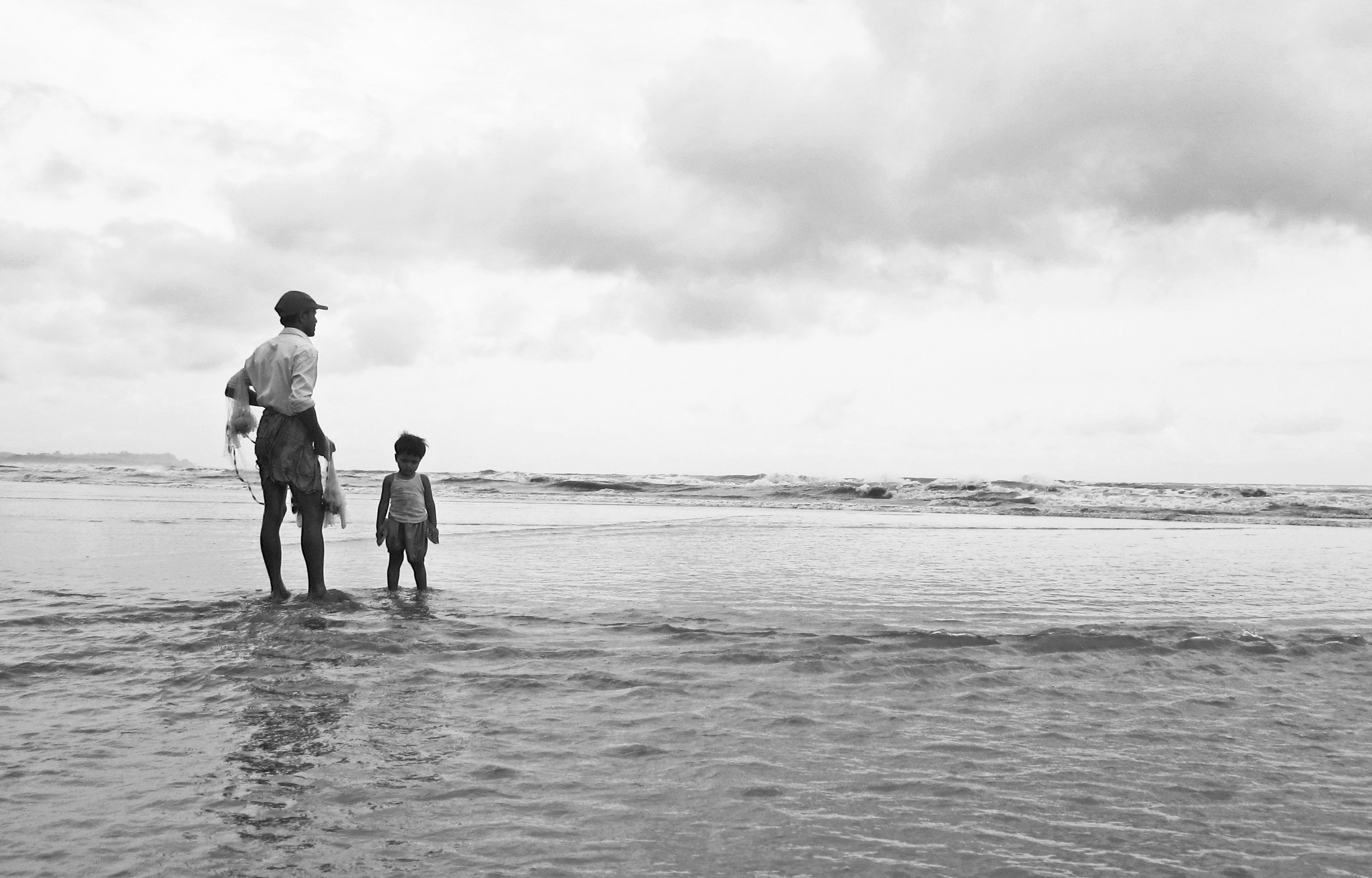
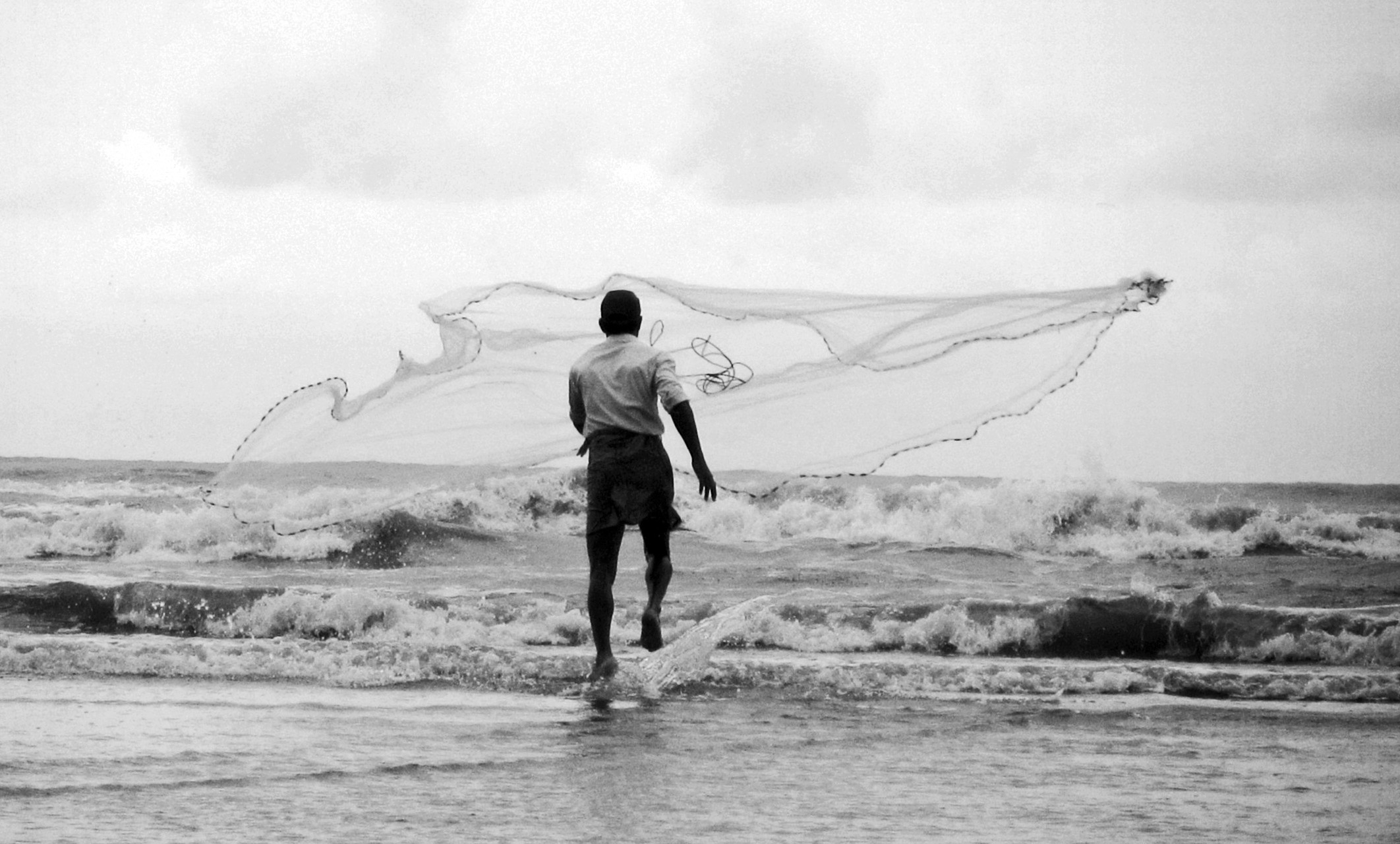
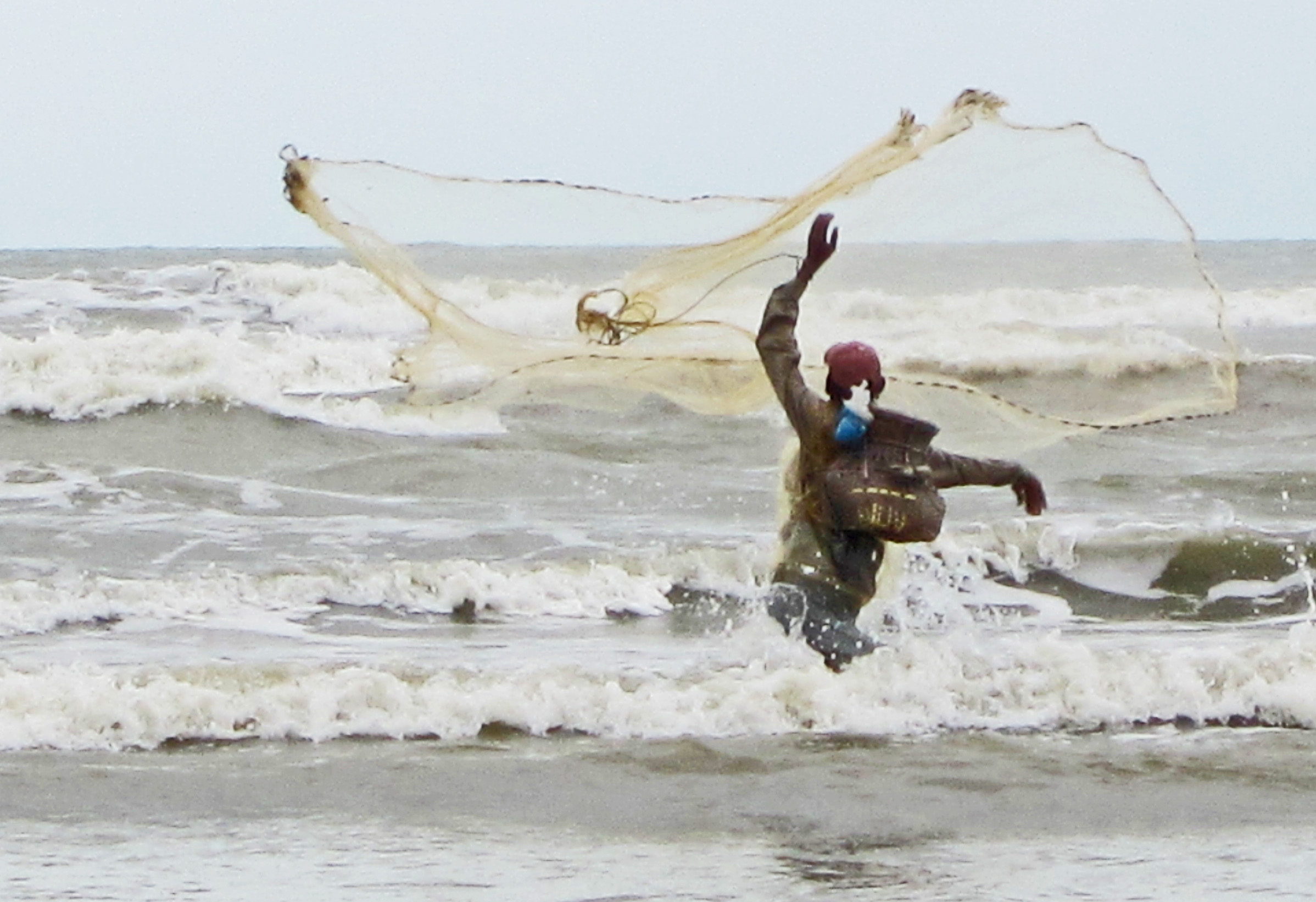
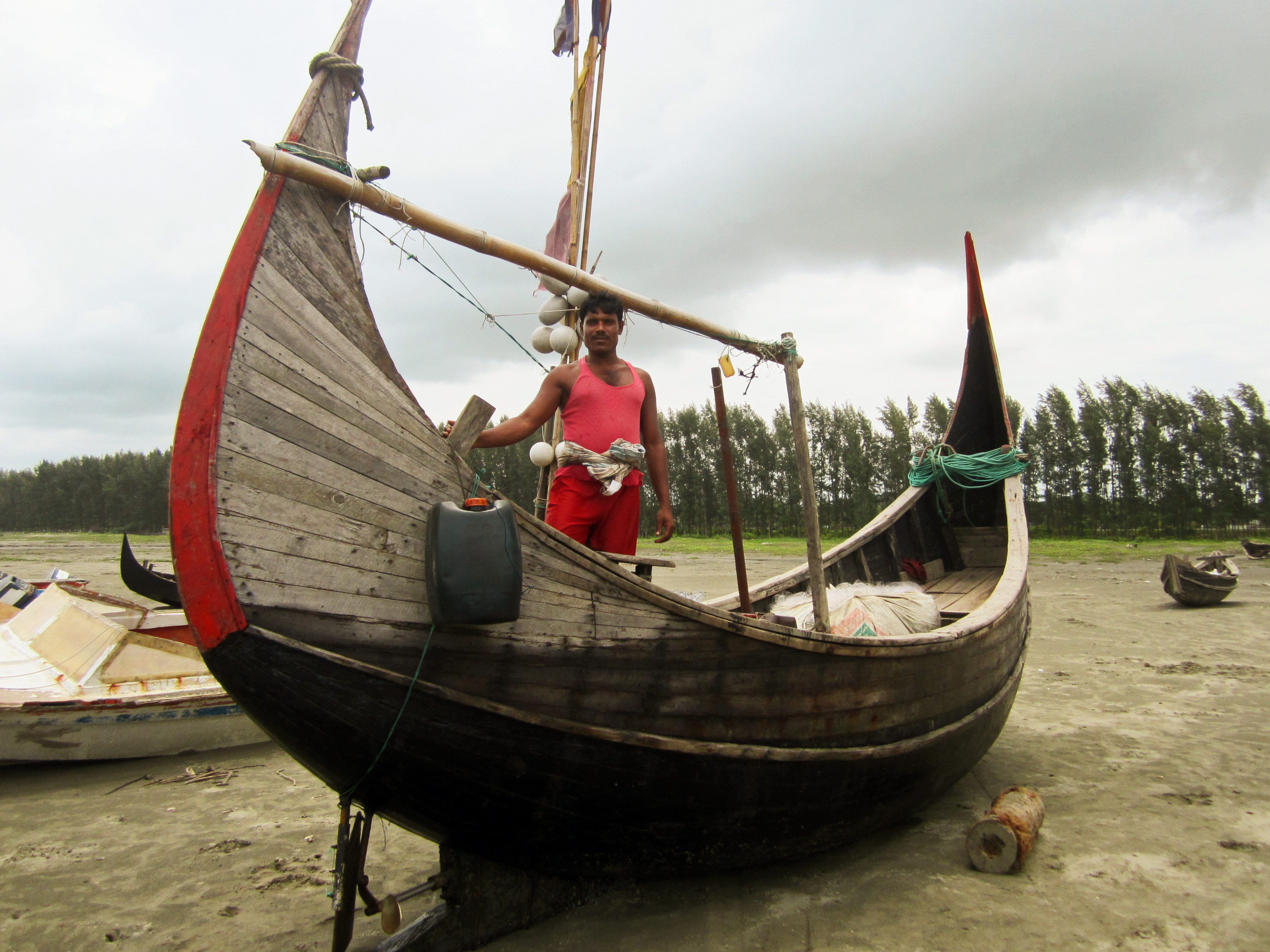
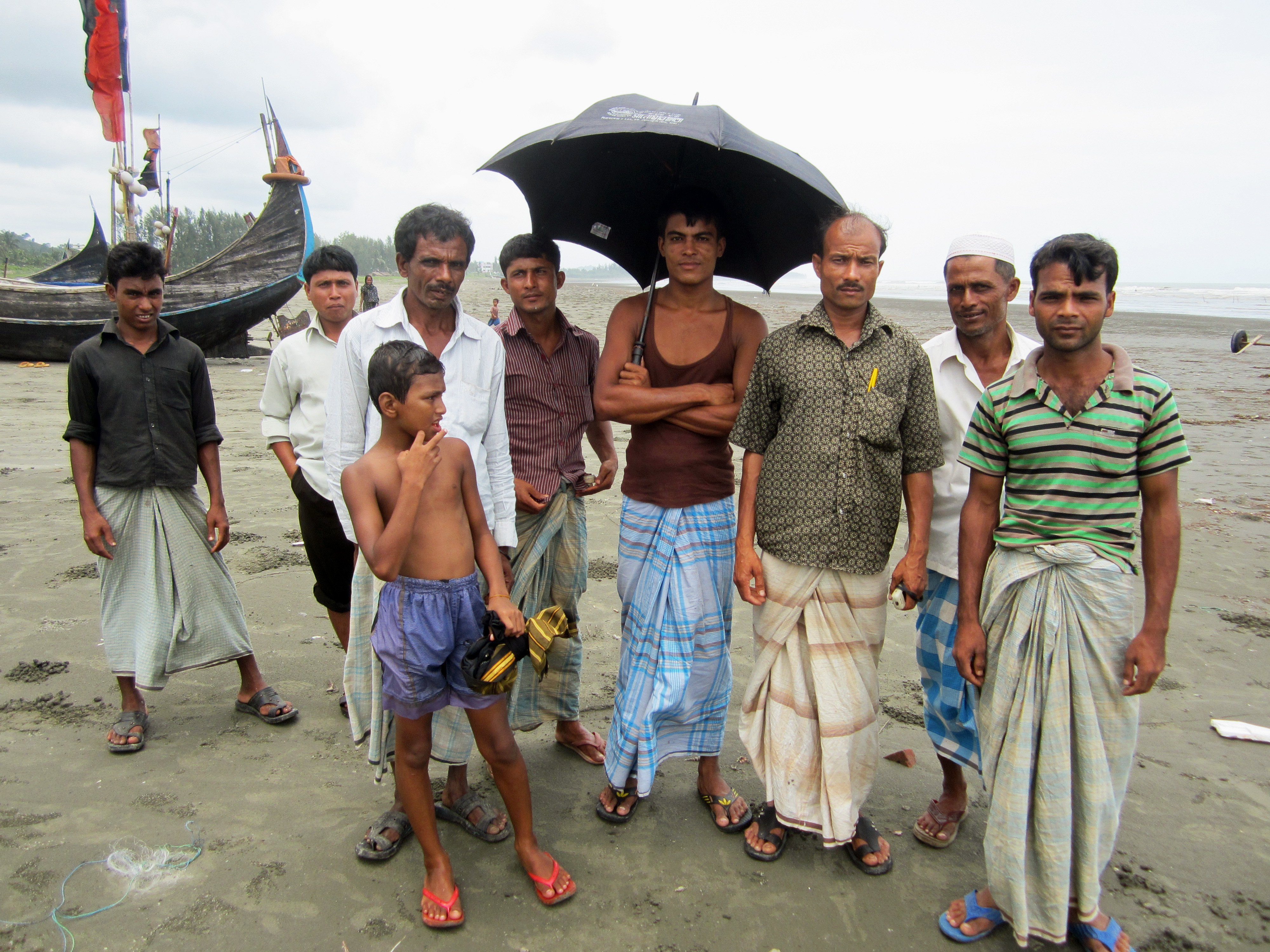
This past weekend was spent in Cox’s Bazar, southern Bangladesh. After my initial visit in April 2011 I’ve returned three further times. Drawn by the calming natural splendor, this location exists in a certain contrast to my home in Chittagong. The noise of the traffic is replaced by the gentle lapping of the waves. The pollution is supplanted by the aroma of fried fish. The intensity of daily life is still abundantly clear, yet it reveals itself in a completely different guise.

I arrived hoping to catch one more glimpse of the sun setting over the glimmering waters of the Bay of Bengal. Blessed as I have been on a number of occasions during my time in Bangladesh, I have witnessed visual spectacles that have compelled me to inwardly plea for time to pause. A pause that will enable an opportunity to truly savior what lies before me. However, sunset at Cox’s Bazar (viewed specifically from the small dock at Mermaid Eco Resort) has remained the pinnacle viewing pleasure in Bangladesh.

Unfortunately the monsoon rains put pay to my hopes of a perfect sunset during this latest stay. The unpredictability of nature intimating I shouldn’t rule out another visit at some point in the future perhaps?  I decided therefore to turn my attention to a different kind of spectacle, spending time observing the activities of some of the local fishermen. In previous visits I’ve always watched from afar, but on this occasion I decided to get a little closer.

I’ll let the photographs speak for themselves adding only that watching these men filled me with varying degrees of respect, admiration, envy, and inspiration.

I watched for a while as this father, accompanied by his young son, dipped in and out of the waves flinging his net with what seemed like great precision. He was impressively patient, and his son followed behind with an assurance of his own role as basket carrier. Every so often he’d lag behind and his father would issue a stern reminder of his duty.


Here are some further images of the fishermen of Cox’s Bazar.


A Quiet Place

I’d like to dedicate this blog entry to my Grandad, Jim O’Connor. He is a proud member of the Burma Star and was a member of the British Navy during the Burma and South East Asia campaign during WWII.


Deep inside the maze of bustling streets and towering apartment blocks there lies a place. A quiet place, tucked almost invisibly away from the deafening sounds of the trucks and the honking traffic which engulf it. You could live in this city for months, years even, and never stumble upon this hidden haven of peace and tranquility. The area of which I write is a notably rare find in Chittagong. This is a city of millions of people and rapid development, and as such any open land is quickly consumed by hungry construction companies.

However, there is one unique plot that’s off the menu. Modest, yet highly significant, this site is bordered by neat hedgerows, and sheltered from the surrounding chaos by trees on all sides. Upon entering the imposing iron gate, visitors’ ears are treated to two incredibly rare sounds, seldom audible in this city. Silence, broken only by occasional birdsong.

The silence is fitting, as this place is reserved for quiet contemplation and thoughtful appreciation of a time of absolute sacrifice long since passed. Underneath the lush, green lawn, lie the bodies of 755 fallen military personnel.  All victims of the Second World War. The headstones bear a range of religious symbols, and the names engraved in them represent a number of diverse nationalities from Canadians to Nigerians, Indians to Australians, and Brits to Nepalese Ghurkhas. One headstone reads;


GUL RAHMAN – BHOPAL GOHAR-I-TAJ OWN – INFANTRY – 4TH MARCH 1945 – AGE 16.


Chittagong War Cemetery

The youngest soldier in the cemetery

The men buried here were all victims of a fierce campaign to counter the Japanese invasion of South East Asia, which lasted from 1941–1945. At a time when Allied forces were severely preoccupied by Hitler’s expanding campaign in Europe, Japan recognized the opportunity to gain control in the region of South and South East Asia. Having already taken Hong Kong, Singapore, Malaysia, and the Philippines, by 1941 the Japanese army moved into Burma and were advancing on North East India, which now refers to parts of Bangladesh.


Dorcas Lawani - West Africa

A prolonged and arduous campaign ensued. Gradually though the Allied Forces imposed themselves in the region, and a Japanese retreat eventually led to full surrender in August 1945. However, not before thousands of lives had been lost on both sides. Many troops were killed directly in combat, but the ravages of disease brought about by the incredibly harsh conditions of the jungles of Burma also claimed a significant number of combatants.

Shortly before I left for Bangladesh in March 2011, I remember my Grandad vividly recalling the intense, suffocating heat he and his comrades faced on the ships docked in the Bay of Bengal. Spared not a moment’s peace from the ravenous mosquitoes, their skin was forever blighted by the discomfort of bites and prickly heat. He never actually set foot in Chittagong itself, but spent a lot of time staring in its direction from afar. It was a poignant moment as I wandered around the graveyard reading the names of men who, unlike my Grandad, never made it home again from this region.


A final resting place

img_1821

The graves are tended to by a team of local gardeners who keep the grass trimmed and watered, and the plants strong and healthy. Not a particularly straightforward task as the unrelenting heat of the Bangladesh sun beats down, and the rains disappear during the dry season.  However, they make the best of it and succeed in keeping the site in pristine condition and a genuinely peaceful and reflective place to be. Quite an achievement. One that would likely impress most residents of this vibrant, yet often claustrophobic maze of concrete we call Chittagong.


The greenest place in Chittagong?

Graves are meticulously cared for

A brief biography of each fallen soldier is available to view. I decided to read about some of the men buried in the British section of the cemetery.  I don’t know if it was pure coincidence, or perfect fate, but the very first name I decided to inspect closely was one W.C Smith. Flight Sergeant William Charles Smith, a pilot in the Royal Air Force 99th Squadron, was killed on the 8th October 1943, aged just 21. Son of Tom and Dorothy Smith, his headstone reads,


“Memories will always keep him near, the one we loved and still hold dear.”


I really couldn’t believe my eyes though when I went on to discover that this fallen pilot was from my home town of Torquay, Devon. It was an almost eerie feeling as I stood there gazing at his headstone. It seemed incredibly fitting that this chance discovery had allowed me to pay my respects to someone from my hometown. A person who had made the ultimate sacrifice all those years ago and allowed me the freedom to come to this region all these years later.

We’d both made the journey from Torquay to South Asia, but for very different reasons, and in deeply contrasting circumstances. It compelled me to wonder if any of W.C Smith’s family had ever had the chance to pay their own respects at the final resting place of their loved one.


W.C Smith - Torquay

img_1811

As I left the cemetery that day, my mind was full of thoughts for those men whose names are inscribed in the headstones so neatly arranged, and presented in this small corner of Chittagong. They no doubt had little idea of just how or what they would find upon leaving their homes and setting out on a journey to fight in a war that would eventually claim their lives. Some may have originated from Toronto or Lagos, from Kathmandu or Calcutta, from Sydney or Sunderland.

Yet now, here they all are. Buried in a tiny, concealed plot of land in the depths of a city that has no doubt changed dramatically since the day it became their permanent resting place.  It was a sobering thought, and as I departed through the iron gates, and as the honking of the traffic hit me once again, I knew I’d have to return.


img_1843

All images © John Stanlake